Things to Do in the Great Smoky Mountains
More than 800 miles of trails, no entrance fee, and black bears, waterfalls, and mountain views a short drive from your cabin. Most visitors never get past the first overlook. Here's what our team tells guests to do with a day in the park.
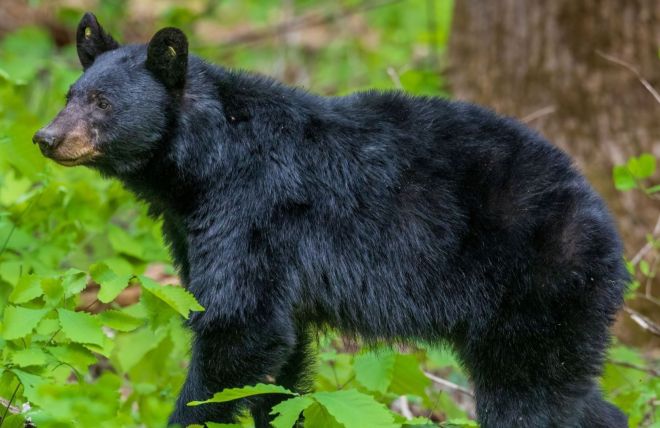
Black Bears in the Smoky Mountains
One of the densest bear populations in the East — where to spot them safely, and what to do if one shows up at your cabin. Stay 50 yards back.
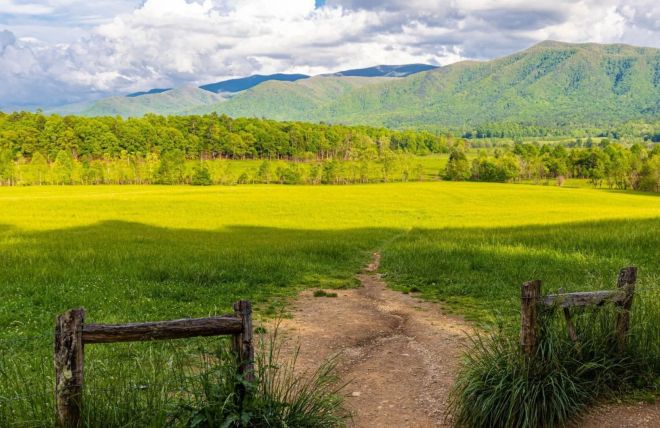
Cades Cove
Get the timing right and Cades Cove is the best half-day in the Smokies — get it wrong and it's a three-hour line of cars. You'll need a parking tag.
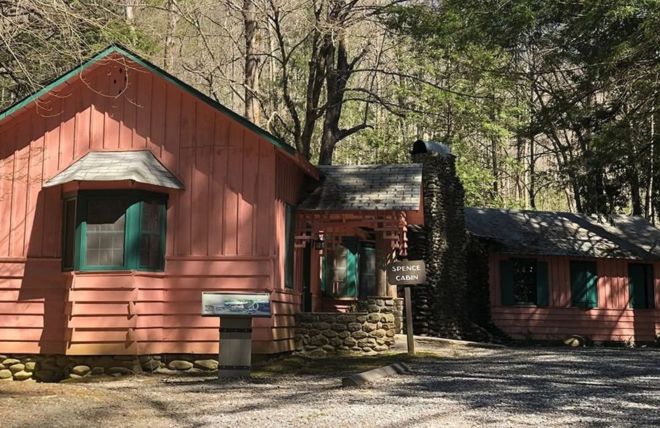
Elkmont
Elkmont in the Smokies: the Elkmont Campground, the Little River Trail, the historic district's restored cabins, and the synchronous fireflies. Visitor guide.
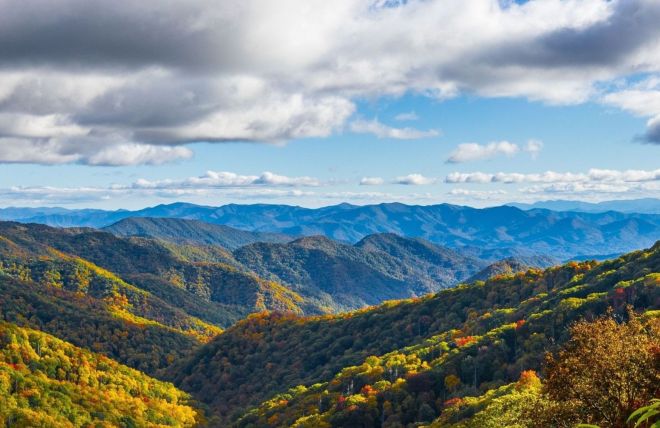
Fall in the Great Smoky Mountains
Color starts at the top in late September and reaches the valleys by early November — six weeks instead of two. Here's when to catch it where.
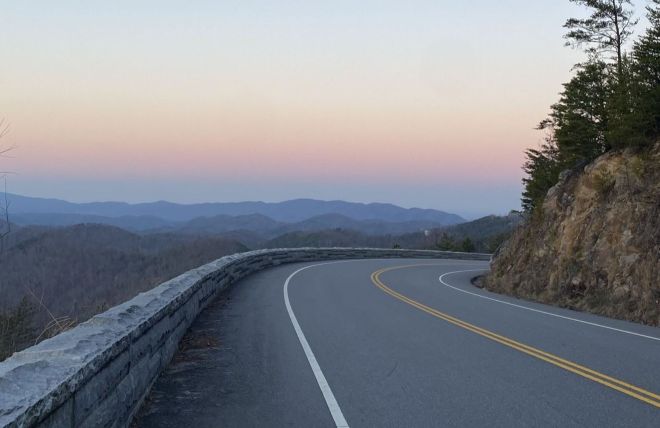
Foothills Parkway
The best mountain views in the Smokies without the traffic — a ridge road outside the park, no parking tag needed, a fraction of the crowds.
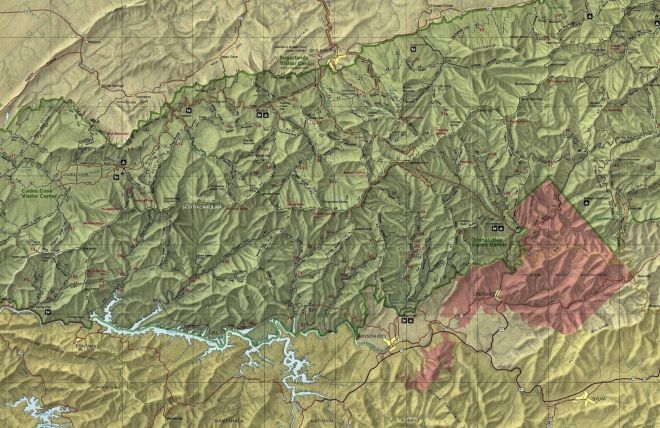
Great Smoky Mountain Elevations
Gatlinburg sits at about 1,289 feet, Pigeon Forge at 1,001 and Kuwohi at 6,643. Elevations for Smoky Mountain towns, peaks and trails, and what they mean for your trip.

Kid-Friendly Hikes in the Smoky Mountains
Five short trails under four miles — waterfalls, river walks, old homesteads, one that ends in downtown Gatlinburg. Matched to the right age.
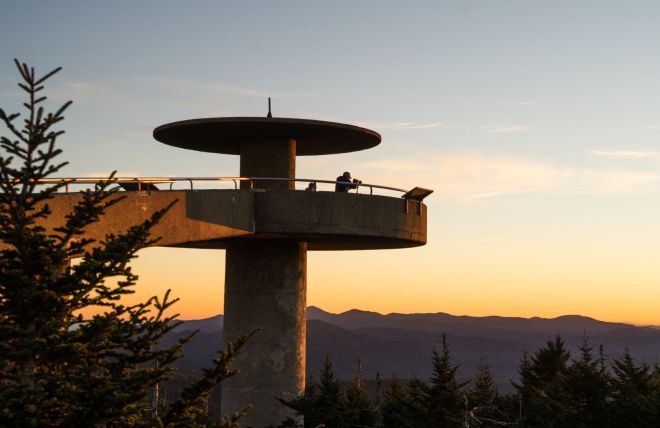
Kuwohi
Kuwohi, formerly Clingmans Dome, is the highest point in the Smokies at 6,643 feet. How to drive the road, hike to the observation tower, and plan your visit.
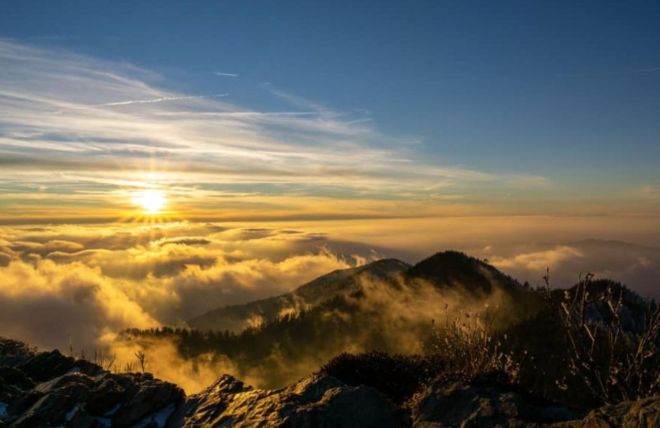
Mount LeConte
No road to the top — every route is at least eleven miles round trip, and you walk up. Here's which of the four trails fits your day.
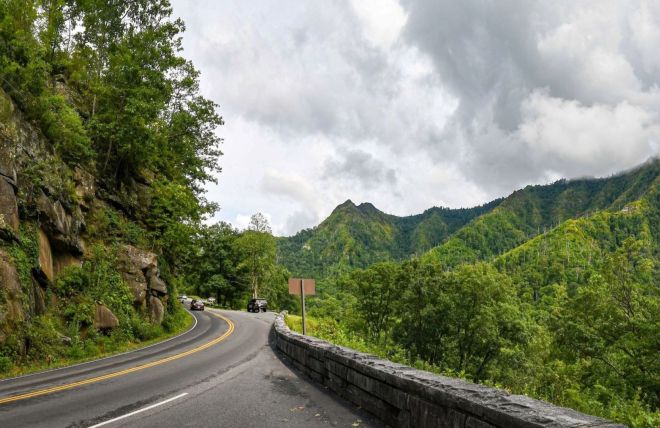
Newfound Gap
The highest point you can drive to in the park — 5,046 feet, twenty minutes from Gatlinburg, with a parking area straddling two states.
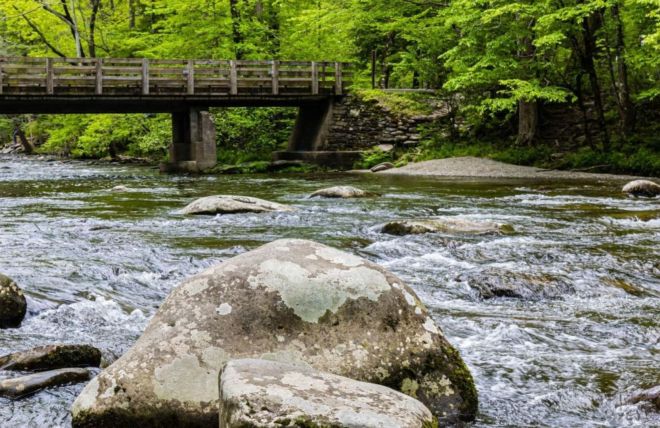
Picnic Spots in the Smoky Mountains
Five picnic areas in the park, most riverside, all better than anything you'll queue for on the Parkway. Pack from the cabin, drive fifteen minutes.
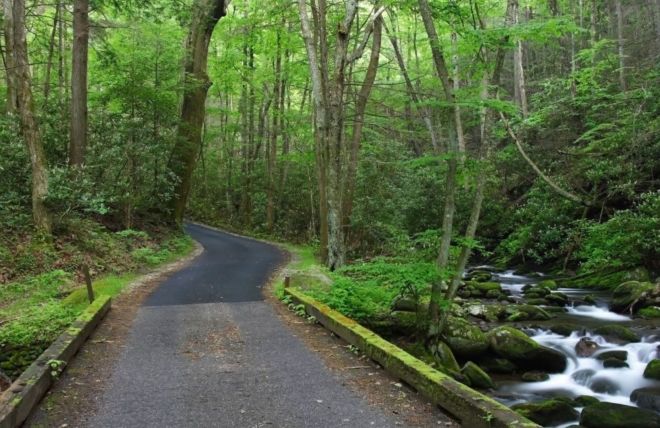
Roaring Fork Motor Nature Trail
A 5.5-mile one-way loop past historic homesteads and the trailhead for Grotto Falls — no RVs or trailers, open April through November.
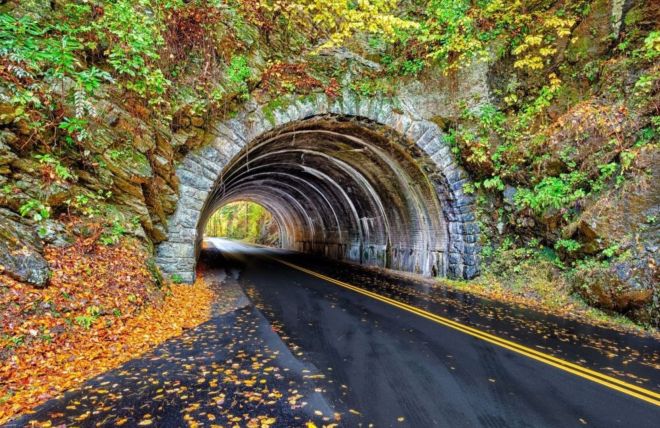
Scenic Drives in the Smoky Mountains
Five drives covering the Smokies — high ridges, open valley, close forest, riverside, and one outside the park entirely. No hiking required.
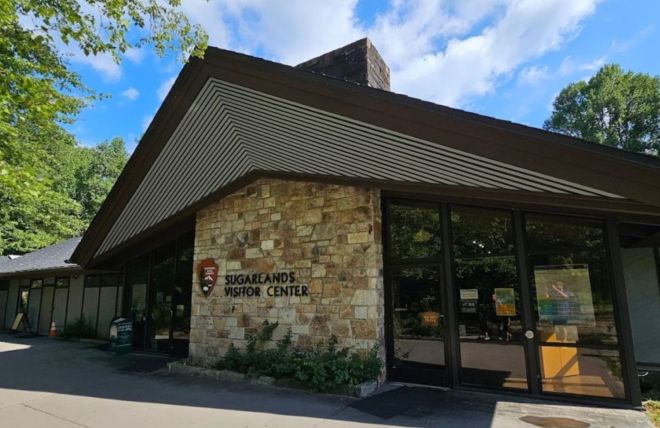
Sugarlands Visitor Center
Two miles south of Gatlinburg — buy your parking tag, get a real map, and ask a ranger what's actually open today. Twenty minutes well spent.
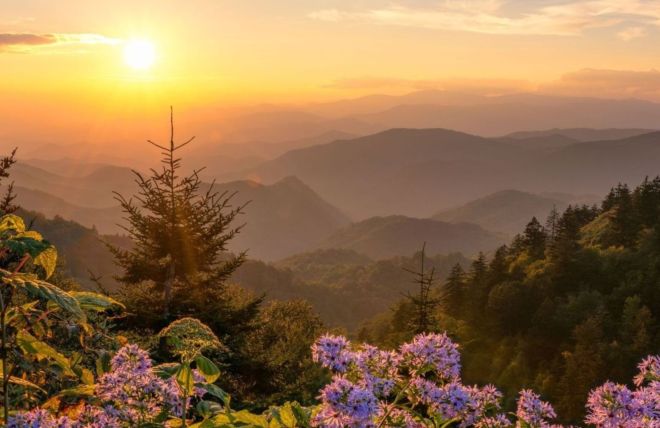
Sunsets in the Smoky Mountains
Five sunset spots ranked by effort, from your own cabin deck to a headlamp hike in the dark — plus the one overlook that costs nothing to reach.

Synchronous Fireflies in the Smoky Mountains
Access to see them is by lottery only, applications open in April for a few days. Here's how it works, and what to do if you don't get a pass.
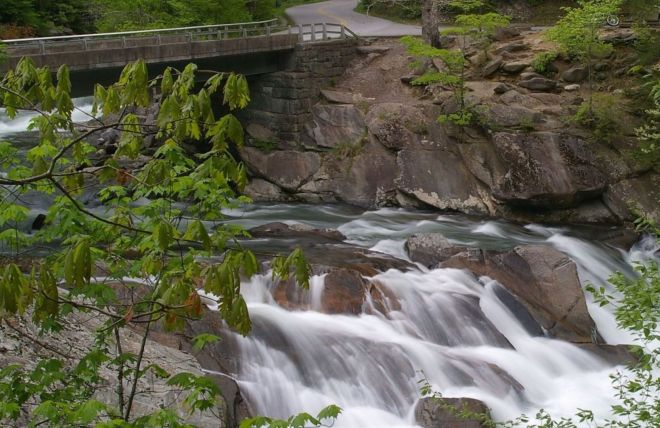
The Sinks in the Smoky Mountains
A dramatic Little River Road waterfall with a genuinely dangerous recirculating current — look, photograph, and stay out of the water.
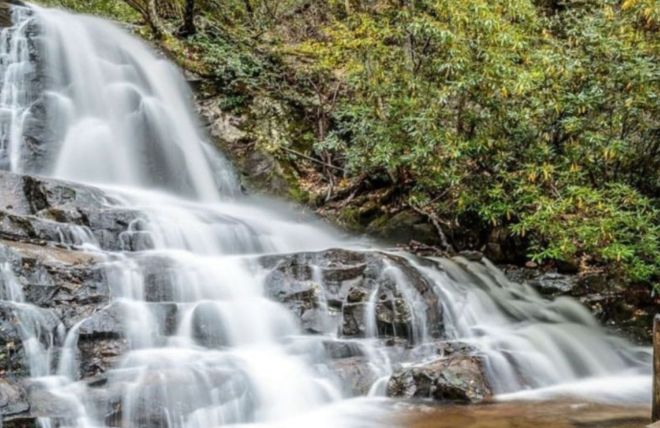
Waterfall Hikes in the Smoky Mountains
Five hikes from an easy paved walk to a strenuous climb, including the only waterfall in the park you can walk behind. Look, don't swim.
Things to do in Great Smoky Mountains National Park
Great Smoky Mountains National Park covers more than half a million acres along the Tennessee and North Carolina border, and its main entrance sits right at the edge of Gatlinburg. Inside, you'll find waterfalls, old-growth forest, historic homesteads, wildlife, and mountain views, with something for every pace, from a short paved walk to an all-day climb. Here's how to plan your time in the park.
Before you go
No entrance fee, but you need a parking tag
There's no fee to enter the park, but you need a parking tag to park anywhere in it for more than 15 minutes. Tags are sold by the day, week, or year. Buy one online at recreation.gov or at a visitor center, and hang it in your car before you head out.
Start at a visitor center
The Sugarlands Visitor Center, about two miles from Gatlinburg, is the place to buy a parking tag, pick up a map, and ask a ranger about trail and road conditions.
Know the elevations
Temperatures drop as you climb, so it can be much cooler at the high overlooks than in town. See our guide to Great Smoky Mountain elevations.
Hiking and waterfalls
Hiking is the best way to see the park. Choose from easy riverside walks to strenuous summit climbs on more than 800 miles of trails. Start with our guides to hiking trails, waterfall hikes, and kid-friendly hikes. For a bigger challenge, every trail to the top of Mount LeConte is at least eleven miles round trip. Near the road, The Sinks is a dramatic waterfall to see from the overlook, though the current is dangerous, so stay out of the water.
Scenic drives and overlooks
You don't have to hike to see the mountains. Drive up to Newfound Gap, the highest point you can drive to on the main road through the park, and continue to Kuwohi (formerly Clingmans Dome), the park's highest peak. Take the one-way Roaring Fork Motor Nature Trail just outside Gatlinburg, or drive the Foothills Parkway along a ridge outside the park. See all of our scenic drives, and catch the evening light at our favorite sunset spots.
Cades Cove and wildlife
Cades Cove is a broad valley with an 11-mile loop road, historic churches and cabins, and some of the park's most reliable wildlife viewing. Go early in the morning or near sunset to see deer, wild turkeys, and sometimes black bears. Always stay at least 50 yards from bears and never feed wildlife.
Seasonal highlights
Spring
Wildflowers cover the forest floor and waterfalls run full.
Late spring and early summer
The synchronous fireflies flash in unison near Elkmont for a short window. Viewing requires a pass from a lottery.
Fall
Color starts at the highest elevations in late September and works its way down to the valleys by early November. See our guide to fall in the Great Smoky Mountains.
Winter
Quiet trails, clear views, and the occasional snowfall at higher elevations. Some high roads close in winter, so check conditions first.
Picnics and easy days
Pack lunch from your cabin and spend an afternoon at one of the park's riverside picnic spots. It's an easy, low-key way to enjoy the park with kids or anyone who'd rather not hike.
Tips for visiting the park
Start early — trailhead parking fills by mid-morning on weekends and in summer and fall.
Hang your parking tag — you need one to park for more than 15 minutes anywhere in the park.
Pack layers — it's often 10 to 20 degrees cooler at high elevations than in town.
Check road and trail conditions — closures happen, especially in winter and after storms.
Leave wildlife alone — stay 50 yards from bears and elk, and never feed them.
Bring water and snacks — there are few places to buy food inside the park.
Outside the park
When you're ready for a break from the trails, Gatlinburg, Pigeon Forge, and Sevierville are minutes away with attractions, shows, and restaurants. See our guide to things to do in Gatlinburg and Pigeon Forge, plus things to do in Gatlinburg and things to do in Pigeon Forge.
Frequently asked questions
Is there an entrance fee for Great Smoky Mountains National Park?
No. But you need a parking tag to park for more than 15 minutes anywhere in the park. Tags are sold by the day, week, or year.
What are the top things to do in the Great Smoky Mountains?
Hike to a waterfall, drive the Cades Cove loop, take in the views at Newfound Gap and Kuwohi, drive the Roaring Fork Motor Nature Trail, and watch for wildlife.
How close is the park to Gatlinburg?
The main entrance is at the edge of downtown Gatlinburg, and the Sugarlands Visitor Center is about two miles away.
When is the best time to visit?
Every season has its highlights: wildflowers in spring, fireflies in early summer, fall color from late September to early November, and quiet trails in winter.
Are there bears in the park?
Yes. Black bears live throughout the park. Stay at least 50 yards away and never feed them.
Can I see the park without hiking?
Yes. Scenic drives like Newfound Gap Road, the Cades Cove loop, and the Roaring Fork Motor Nature Trail show off the mountains from your car.
Stay close to the park entrance with our Gatlinburg cabins, or try our Wears Valley cabins for easy access to Cades Cove. Browse all of our Smoky Mountain cabins. Book direct and the Stay & Play Pass includes free attraction tickets for every paid night.