Picnic Spots in the Smoky Mountains
Five picnic areas in the national park, most of them riverside, all of them a better lunch than anything you'll queue for on the Parkway. Pack from the cabin kitchen and drive fifteen minutes.
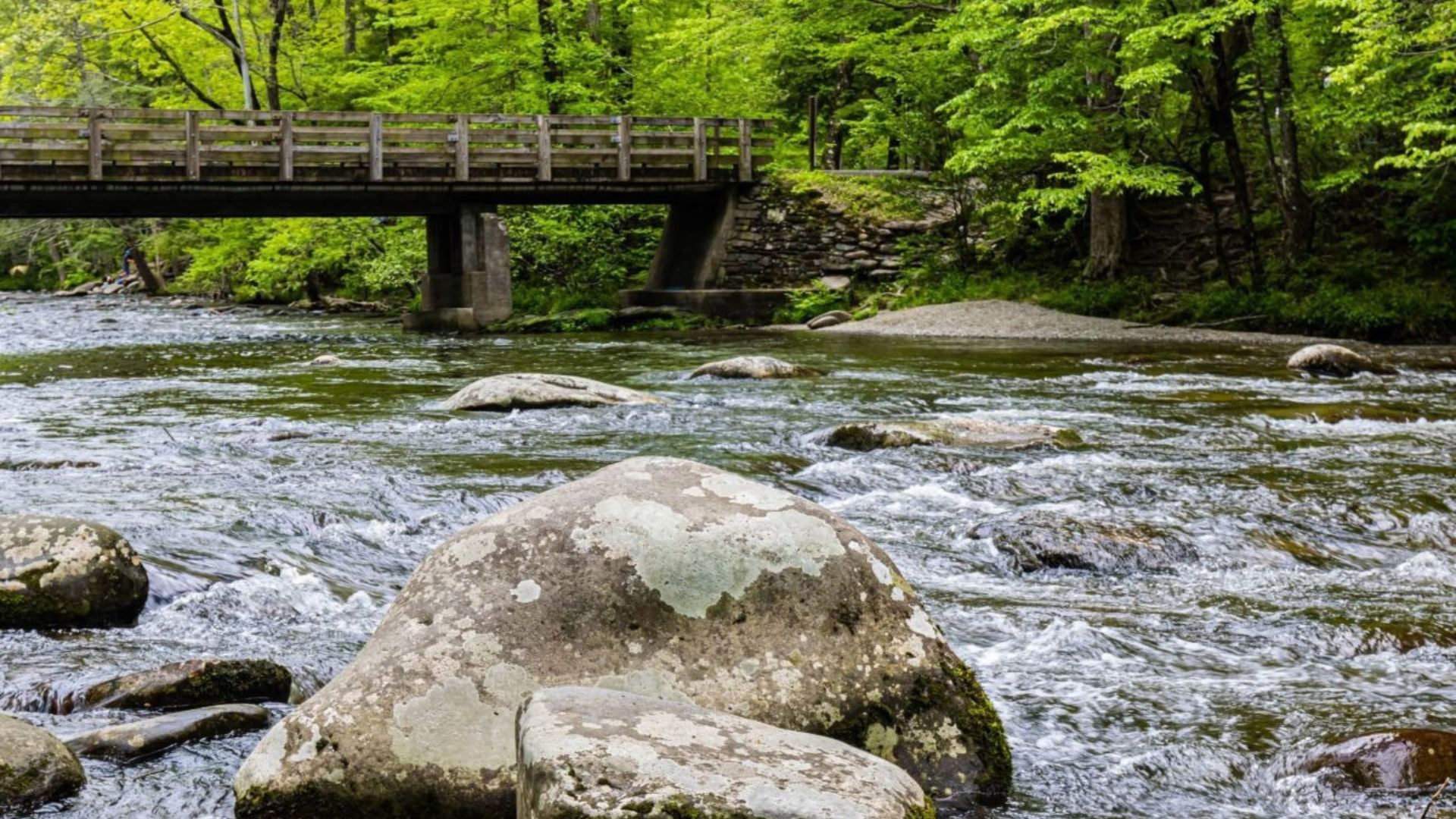
Five picnic areas in the national park, most of them riverside, all of them a better lunch than anything you'll queue for on the Parkway.
Pack from the cabin kitchen, drive fifteen minutes, and eat beside a mountain stream. It's the cheapest good meal in the Smokies and usually the most memorable one.
A full kitchen makes this easy — every cabin has one. See Gatlinburg and Pigeon Forge cabins.
Picnic areas are where most bear encounters happen in this park, because that's where the food is. Park regulations require food and coolers to stay attended or stored in a vehicle — never left on a table while you walk to the river.
Pack out everything, use the bear-proof bins, and if a bear appears, gather your food and move away. Keep 50 yards back. More on black bears in the Smokies.
Before you go
- A parking tag is required for any vehicle parked over fifteen minutes anywhere in the park, picnic areas included. Buy at recreation.gov
- Some areas close seasonally. Several operate spring through fall only. Check current status at nps.gov before driving out
- Tables are first-come, first-served. Some areas have reservable pavilions for groups, booked through recreation.gov
- Bring water. Facilities vary and drinking water isn't guaranteed at every site
- Dogs are welcome in picnic areas, unlike most park trails. See pet-friendly cabins
Metcalf Bottoms
Little River Road · Large · Riverside
The most accessible of the five and the easiest with a group. It sits along the Little River between Gatlinburg and Townsend, with a large number of tables and many of them right on the bank.
Shade, the sound of the water, and enough space that you'll find something even on a busy Saturday. Afterward, the Metcalf Bottoms Trail leads to the Little Greenbrier Schoolhouse — a short, easy walk to a genuine one-room schoolhouse from the settlement era.
Cades Cove
Near the loop road entrance · Tables, grills, restrooms
Positioned right at the entrance to the Cades Cove Loop Road, which makes it the natural stop before or after the drive. Open fields, tall trees, and mountain views on all sides.
Grills and restrooms on site. It's the best-equipped of the five, and the obvious choice if Cades Cove is your day — eat here, drive the loop, walk the nature trail, or take on Abrams Falls.
Chimneys
Newfound Gap Road · Riverside · Seasonal
About six miles south of the Sugarlands Visitor Center along the West Prong of the Little Pigeon River. Mature trees, a good number of tables near the water, and the rushing river as a soundtrack.
It's on the way up to Newfound Gap, which makes it a natural lunch stop on a drive over the mountain.
The Chimney Tops Trail starts nearby, but note the final climb to the pinnacle has been permanently closed since the 2016 fires destabilized the rock. The trail now ends at a lower observation point — still a steep climb, and still a good view, just not the summit scramble it once was.
Greenbrier
Greenbrier Road, east of Gatlinburg · Small · Seasonal
The quiet one. Smaller and more secluded than the others, set along the Little Pigeon River east of town, and the choice if you'd rather not eat next to three other families.
The Porters Creek Trail runs from here through old-growth forest past historic homesites — one of the better spring wildflower walks in the park.
Collins Creek
Newfound Gap Road, North Carolina side · Seasonal
Technically over the state line near Cherokee, but easy to reach if you're driving Newfound Gap Road across the park. Tables, grills, and a small stream running through the site.
A good option if you're making the full crossing to the North Carolina side — Oconaluftee and the Cataloochee elk are further on from here.
Packing a picnic from the cabin
Which means a real picnic rather than gas station sandwiches. Cook breakfast, build lunch, pack a cooler, and you've turned a $60 lunch for four into a $12 one — with a better view.
- Ice matters more than you think. Summer afternoons in the valleys get genuinely hot
- Bring a trash bag. Bins exist but fill up, and you're packing out either way
- Pack a blanket. Tables fill on weekends; grass doesn't
- Wet wipes and a towel. Rivers are involved and children are children
- Check the forecast. Afternoon thunderstorms are routine in summer, and there's no shelter at most sites
Frequently asked questions
Do I need a parking pass to picnic?
Yes, for any vehicle parked over fifteen minutes, picnic areas included. Buy in advance at recreation.gov.
Are picnic areas open year-round?
Some are; several operate seasonally, typically spring through fall. Check current status at nps.gov before making the drive.
Can I reserve a table?
Tables are first-come, first-served. Some areas have pavilions that can be reserved for groups through recreation.gov.
Can I bring my dog?
Yes — dogs are allowed in picnic areas, which is a rare exception in a park where they're banned from most trails.
Are there grills?
At some sites, including Cades Cove and Collins Creek. Facilities vary, so check before planning to cook.
What about bears?
Picnic areas are where most encounters happen. Never leave food or coolers unattended, use the bear-proof bins, and keep 50 yards from any bear you see.
Which one should I pick?
Metcalf Bottoms for space and river access, Cades Cove if you're driving the loop, Chimneys on a Newfound Gap day, and Greenbrier if you want quiet.
A full kitchen turns a picnic into something worth doing. Browse Gatlinburg, Pigeon Forge, and Wears Valley cabins, or cabins near the national park to cut the drive. Traveling with family? See family cabins. More to do in the park on our Smokies guide and trails guide. Check the current specials.