Synchronous Fireflies in the Smoky Mountains
For two weeks each spring, thousands of fireflies flash in unison — waves of light rolling through the forest, then total darkness, then again. Access is by lottery, and applications open months before.
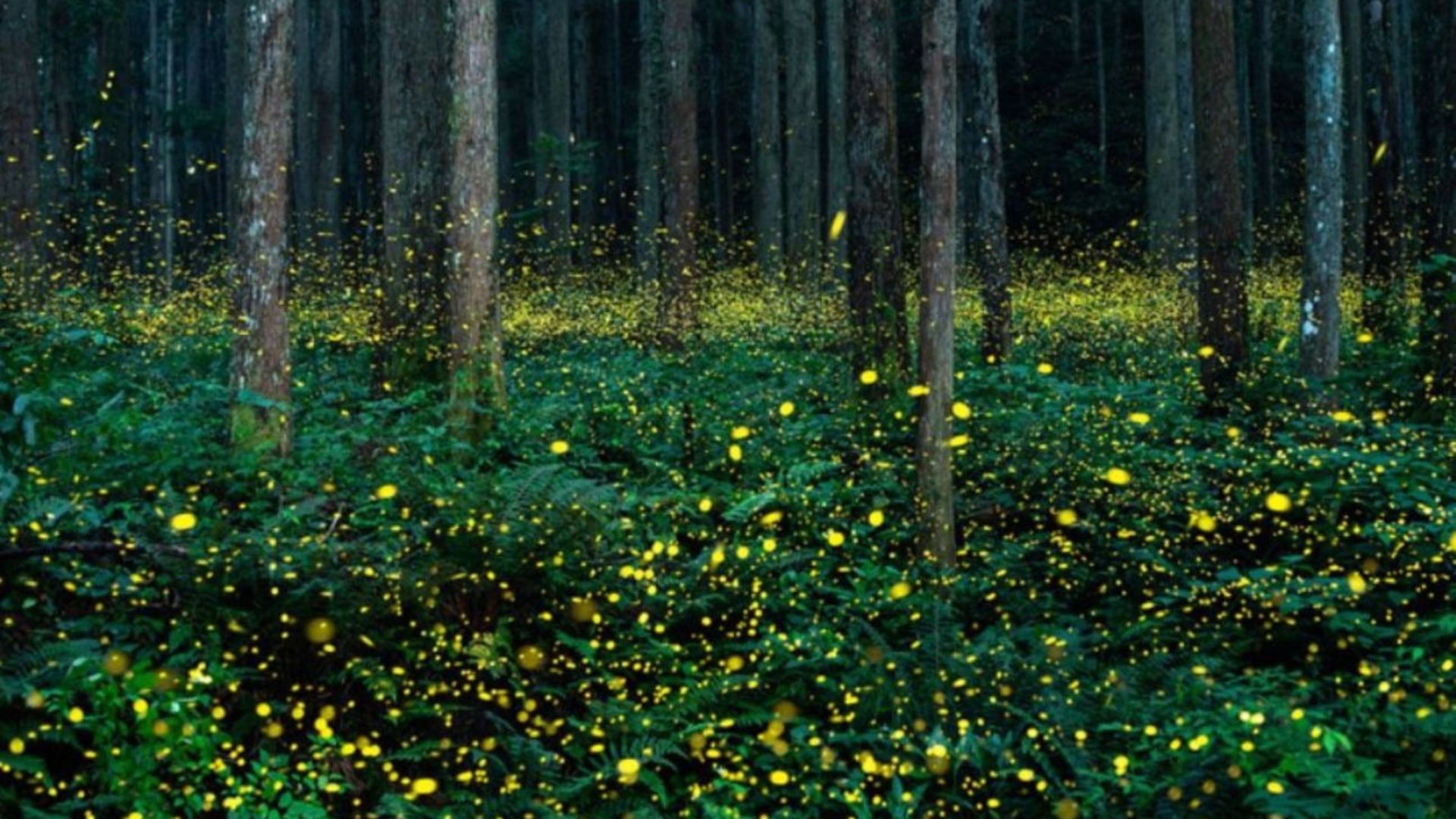
For two weeks each spring, thousands of fireflies in one corner of the Great Smoky Mountains flash in unison — waves of light rolling through the forest, then total darkness, then again.
Photinus carolinus is one of only a handful of firefly species in the world that synchronizes, and the Smokies display is among the largest and most reliable anywhere. It's also one of the hardest things in the park to actually see.
Access to the Elkmont viewing area is controlled by a National Park Service lottery. Applications open for a short window in spring — typically late April — with results announced before the event in late May or early June.
If you haven't applied, you can't attend. There's no walk-up option and no tickets at the gate. Watch nps.gov from early spring, and set a reminder — the window is brief and easy to miss.
How the lottery works
- Watch for the announcement at nps.gov, usually in April
- Apply during the open window, which lasts only a few days
- Wait for results — winners are notified in advance of the event and pay a small fee to confirm
- Follow the access instructions issued with your pass. Arrangements have varied between years, including shuttle-based access, so read what you're sent rather than assuming
Demand vastly exceeds capacity, so most applicants don't get a pass. Plan a trip you'll enjoy regardless.
When it happens
A roughly two-week window between late May and early June, though the exact dates shift each year with temperature and rainfall. The Park Service announces predicted peak dates ahead of the lottery.
The display itself starts after full dark and runs a couple of hours. It builds gradually — early evening is scattered flashing, and the synchronization emerges as the night settles.
What you're actually seeing
Male fireflies flash in bursts of five or six, then go dark for several seconds, and across a hillside they fall into phase with one another. The result is waves of light moving through the trees followed by complete blackness.
It's a mating display — the synchronization is believed to help females pick out males of their own species. The larvae spend a year or two in the leaf litter before emerging for a few weeks as adults, which is why the season is so short.
If you don't get a pass
Most people don't. The honest answer is that the Elkmont display is unique and there's no equivalent substitute — but there are legitimate options.
Ordinary fireflies are abundant across the Smokies in late spring and summer, and cabins in wooded areas away from streetlights often have dozens or hundreds visible on a June evening. It isn't the synchronized display, but sitting on a dark deck with fireflies in the trees is genuinely lovely — and it costs nothing and requires no lottery.
Look for cabins away from town lighting. See cabins with mountain views, Wears Valley, or a cabin with a fire pit.
Don't go looking for the display in restricted areas. Elkmont is closed to those without passes during the event, and backcountry camping requires its own permit and reserved site. Respecting the restrictions is what keeps the event running.
If you do get a pass
- Cover your flashlight with red cellophane. White light disrupts the display and the Park Service requires it. Bring the cellophane with you — don't count on buying it there
- No flash photography. Long exposures on a tripod are the only thing that works anyway
- Bring a blanket or low chair. You'll be sitting in the dark for a couple of hours
- Layers. It gets cool after dark, even in June
- Stay on the paths and don't catch the fireflies. Handling them and walking off-trail both damage the population
- Bug spray, applied before you arrive — and away from the viewing area
- Arrive early. Getting settled before full dark makes the experience better and safer
Book the cabin early
Firefly weeks are among the busiest in the calendar, and cabins fill regardless of who wins the lottery — people book on the chance of it. If those dates matter to you, reserve well ahead and treat the pass as a bonus rather than the plan.
Frequently asked questions
When do the synchronous fireflies appear?
A two-week window between late May and early June, varying each year with weather. The Park Service announces predicted dates ahead of the lottery.
How do I get to see them?
Through the annual lottery at nps.gov, which opens for a short window in spring — typically late April. There's no walk-up access.
What if I don't win?
Most applicants don't. Ordinary fireflies are abundant across the Smokies in June, and a dark cabin deck away from town lighting gives you a genuinely good display of your own.
Why do they synchronize?
It's a mating display. Synchronized flashing is thought to help females identify males of their own species among the many firefly species in the park.
Can I photograph them?
Without flash. A tripod and long exposure is the only approach that captures anything, and flash is prohibited because it disrupts the display.
Why red cellophane?
Red light interferes far less with the fireflies' signalling than white. The Park Service requires flashlights to be covered, so bring the cellophane with you.
Can I see them anywhere else in the park?
Synchronous fireflies exist in other parts of the region, but Elkmont is the managed viewing site and other areas are closed or restricted during the event. Don't go looking off-trail for them.
Is it worth planning a trip around?
Plan the trip for early June and enter the lottery — but build a trip you'd enjoy without it, because the odds are against any individual applicant.
Early June is beautiful in the Smokies regardless of how the lottery goes — wildflowers in bloom, comfortable hiking weather, and fireflies in the trees most evenings. Browse Gatlinburg, Pigeon Forge, and Wears Valley cabins, or cabins near the national park to be close to Elkmont if you do get a pass. More to do on our Smokies guide and trails guide. Check the current specials.