Top 7 Places to Explore in the Smoky Mountains
Published Jul 27, 2020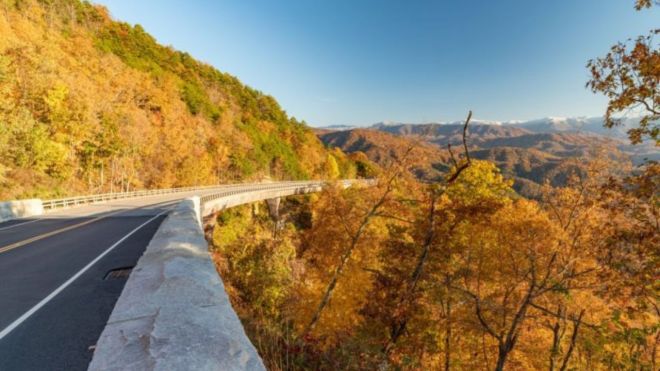
Great Smoky Mountains National Park is a treasure chest of waterfalls, wildlife, and history spread across more than 800 miles of trails and scenic drives. These seven spots give you a well-rounded introduction to what makes the park worth exploring.
1. Cades Cove
Cades Cove is the historic heart of the national park — Cherokee once hunted here, European settlers homesteaded here, and restored 19th-century cabins, churches, and a working grist mill still stand along the 11-mile Cades Cove Loop Road. It's also one of the best places in the park to spot black bears, deer, turkeys, and coyotes. For a full breakdown of what to see and do here, see our complete Cades Cove guide.
2. Roaring Fork Motor Nature Trail
This scenic loop takes its name from the steep stream that splits as it plunges down a rock face along the drive. Along the way, trails lead to Rainbow Falls and the misted Grotto Falls, and you'll pass the preserved Noah "Bud" Ogle farmstead with its cabin and working mill. Read our complete Roaring Fork guide for stops, timing, and seasonal closures.
3. Sugarlands Visitor Center
Sugarlands is your best starting point for maps, an introductory film, a small museum, and rangers who can answer trip-planning questions on the spot. It's also a hub for several family-friendly walks: Cataract Falls is a short stroll to a waterfall, Fighting Creek Nature Trail loops past historic cabins, and the paved Gatlinburg Trail is one of only two trails in the park where dogs and bicycles are welcome.
4. Kuwohi (Clingmans Dome)
Kuwohi — formerly known as Clingmans Dome, officially renamed by the U.S. Board on Geographic Names in 2024 in recognition of its significance to the Cherokee people — is the highest point in the national park at 6,643 feet. A steep half-mile trail leads from the parking area to an observation tower with 360-degree views stretching for miles on a clear day. The access road is open April through November and closes for winter, so check conditions before you plan a visit.
5. Greenbrier
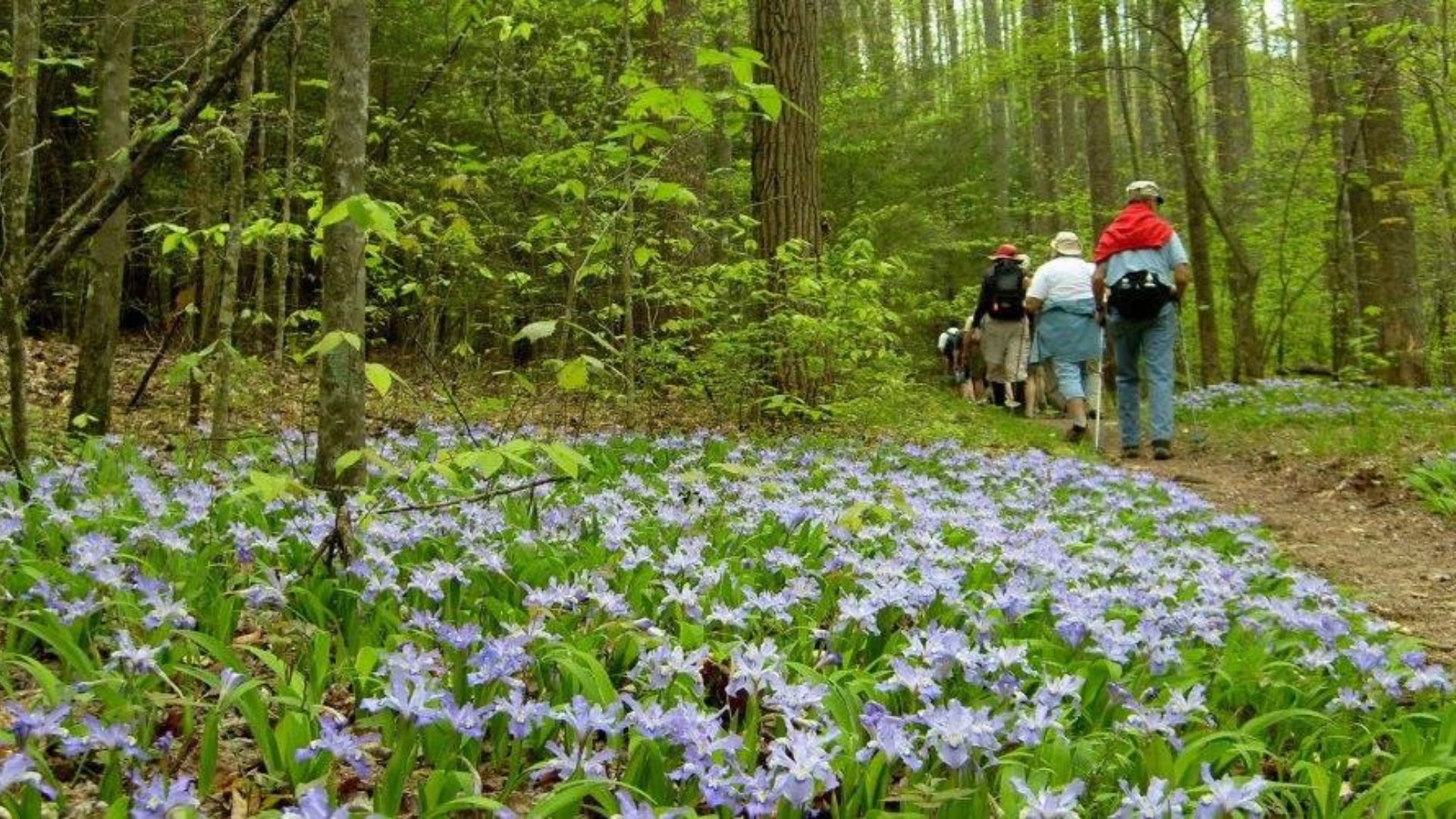
Spring wildflowers carpet the ground here, with blossoms lining hiking trails toward Porters Creek and the Ramsey Cascades waterfall. The picnic area along the river is a good spot to rest and refresh, and anglers with a license can try their luck for trout in the same waters.
6. Elkmont
Elkmont is home to the largest campground in the national park, with over 200 sites drawing generations of visitors back year after year. Long before it was a campground, though, loggers worked this area, and by the 1920s it had shifted into a leisure destination with elite mountain resorts. The National Park Service has preserved several structures from that era, including the rustic Appalachian Clubhouse. For the area's more unusual history, see our guide to the abandoned Elkmont ghost town.
7. Foothills Parkway
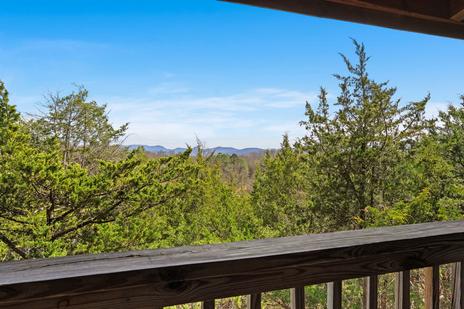
Unobstructed and largely free of commercial development, the views from this scenic parkway stretch across the Smokies and the Tennessee Valley — visibility can reach 50 miles on a clear day. See our complete Foothills Parkway guide for the best stops along the route.
Frequently asked questions
What is Clingmans Dome called now?
The peak was officially renamed Kuwohi in 2024, restoring its traditional Cherokee name. You'll see both names used around the park and online during the transition.
Is the Kuwohi Road open year-round?
No — the road to the summit is open April through November and closes for winter weather. Check current park conditions before planning a visit, especially in early spring or late fall.
Which of these spots is best for wildlife viewing?
Cades Cove is the most reliable spot for spotting black bears, deer, turkeys, and coyotes, especially in the early morning or evening.
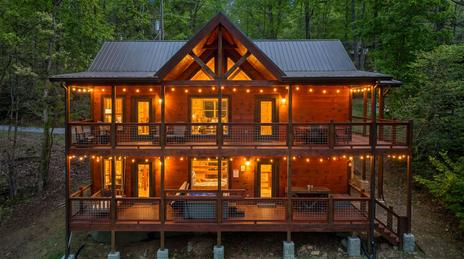
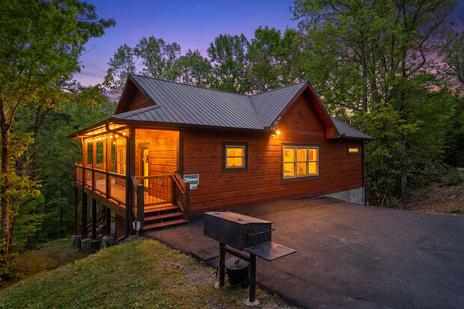
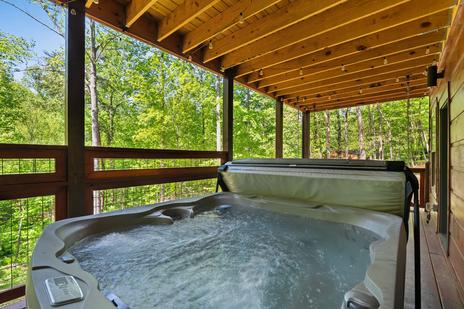
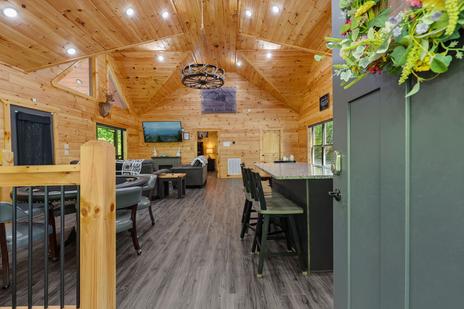
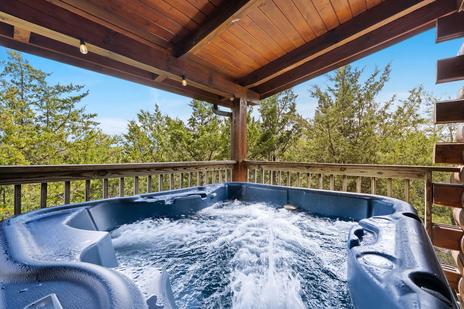
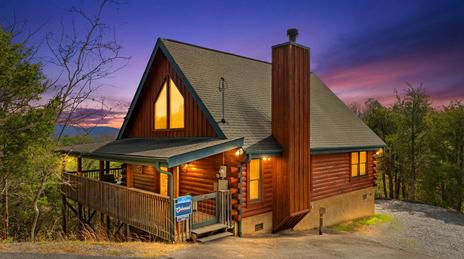
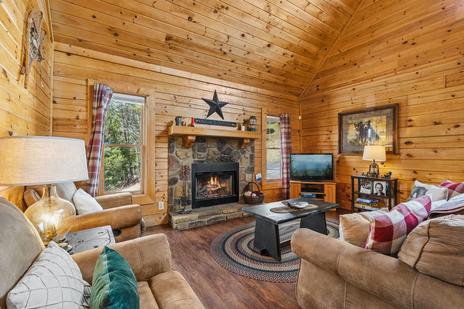
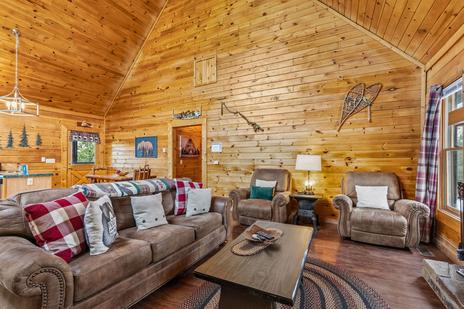
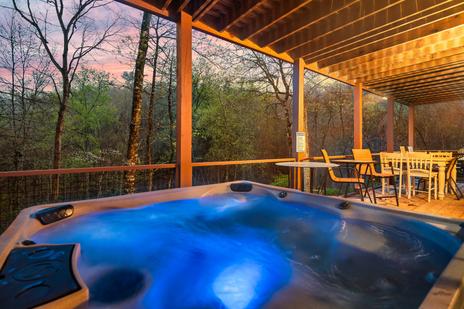
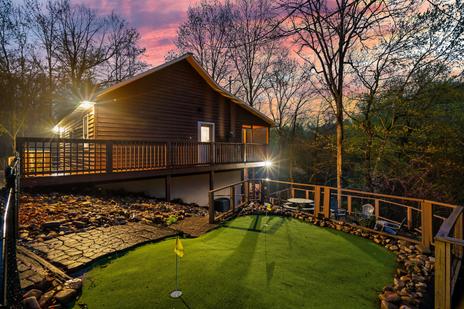
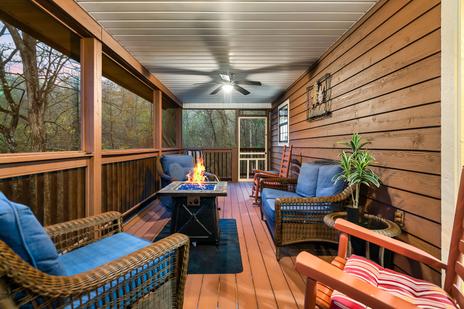
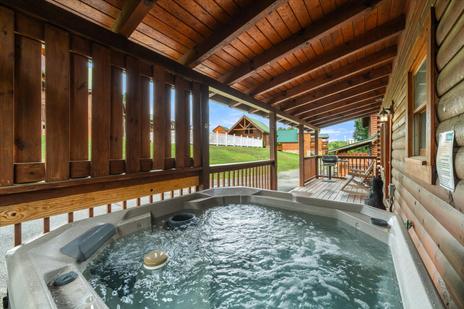
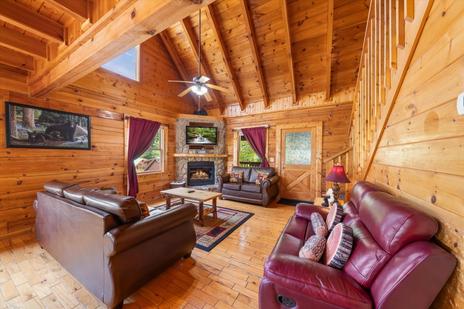
After a day exploring the park, head back to a Smoky Mountain cabin rental — conveniently located near all seven of these destinations.