A Guide to Volunteering and Giving Back While You Visit
Published Oct 29, 2026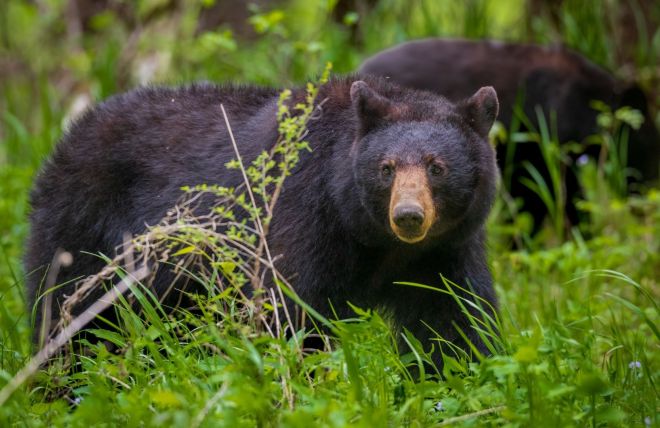
The Great Smoky Mountains give a lot to the people who visit — and more and more travelers want to give something back. Whether that means an hour on a trail crew, a few dollars to the park, or simply treating the place with care, there are real ways to make your trip a net positive for the mountains and the communities around them. You don't have to build your whole vacation around it. Even small choices add up when millions of people make them. Here's how to give back while you visit the Smokies.
Because specific programs, events, and sign-ups change through the year, this guide points you to the organizations that run them rather than listing dates — check their current calendars when you're planning your trip.
Support the groups that support the park
The Smokies are backed by a couple of long-standing nonprofit partners whose whole job is keeping the park healthy, and supporting them is the most direct way to give back.
Friends of the Smokies
The park's official nonprofit partner funds trails, wildlife, historic preservation, and education. They make it easy to help — through a donation, a membership, the specialty license plate, or hands-on volunteering. Their website lists current ways to get involved, including volunteer opportunities for visitors.
Great Smoky Mountains Association
When you buy a map, a guidebook, or a souvenir at a park visitor center, you're often buying it from the Great Smoky Mountains Association, whose proceeds go back into the park. It's the simplest give-back of all: buy the thing you were going to buy anyway, but buy it there.
Give your time on a trail
If you'd rather give sweat than dollars, the park's Trails Forever program and its partners organize volunteer trail crews that repair and maintain the paths the rest of us enjoy. It's genuinely rewarding work — a few hours of clearing or rebuilding a trail, alongside rangers and other volunteers, and you leave having made something better that thousands of hikers will use. Opportunities are seasonal and fill up, so check the park's and Friends of the Smokies' volunteer pages ahead of time and sign up before you travel. It's a memorable half-day that turns a vacation into a contribution.
Chip in just by visiting responsibly
You don't have to join anything to help. A lot of giving back is simply visiting well:
Get your parking tag — the park has no entrance fee, so the parking tag is the main way day-to-day visitors fund its upkeep. Buying one isn't just a rule to follow; it's a direct contribution to trails, rangers, and maintenance. Our guide to the no-entrance-fee policy explains why.
Leave no trace — pack out everything you bring in, stay on marked trails, and leave rocks, plants, and wildflowers where they are. The single biggest gift most visitors can give is simply not leaving a mark.
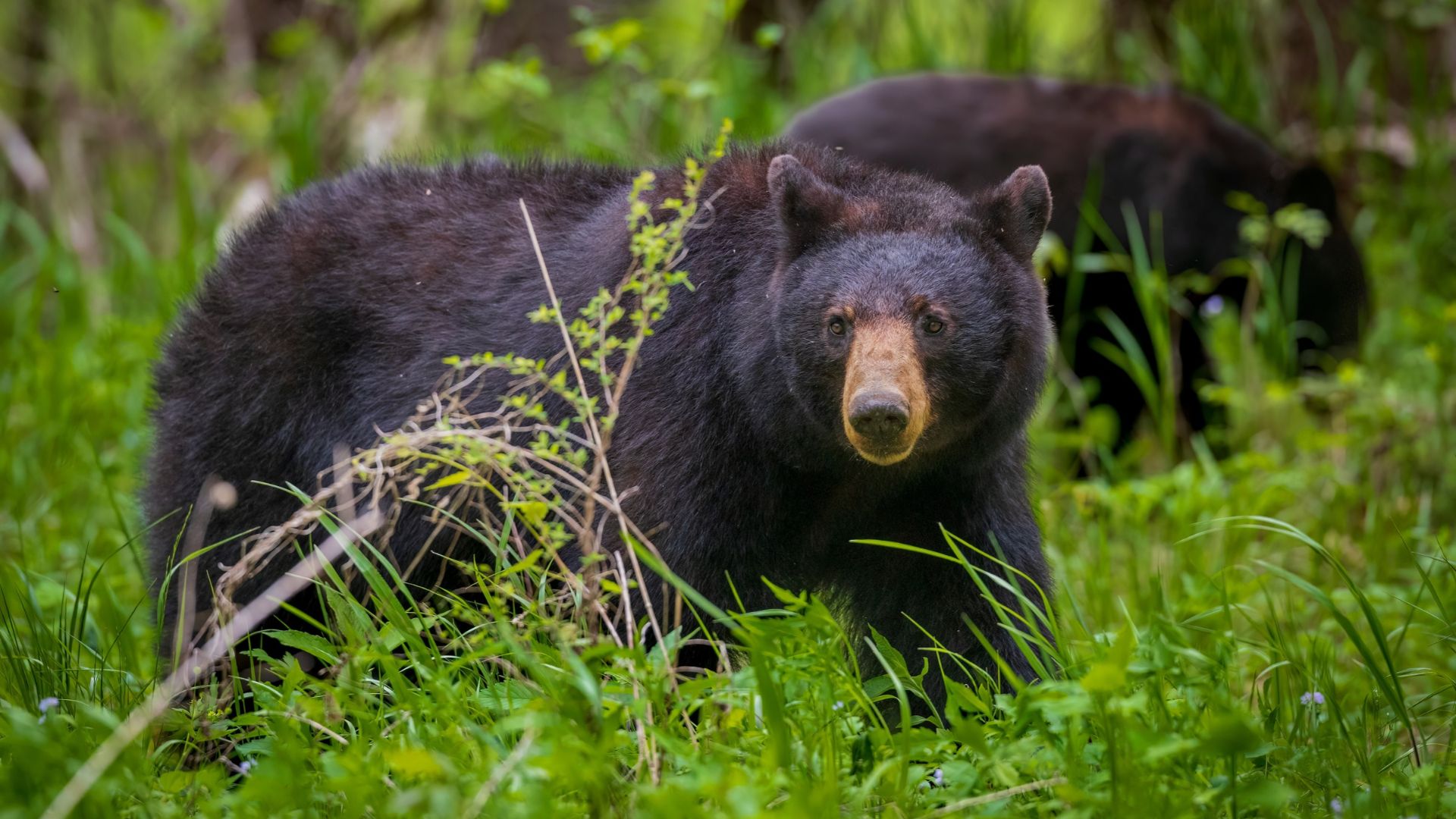
Respect the wildlife — never feed or approach animals, keep your distance from elk and bears, and store food properly. A fed bear is a dead bear, as the park puts it, so giving wildlife space is one of the most important things you can do.
Give back to the communities, too
The towns around the park — and the wider region — are part of what makes a Smokies trip special, and they feel every visitor dollar.
Shop and eat local
Choosing locally owned restaurants, the artisans of the craft communities, and area makers over national chains keeps your money in the community that hosts you. It's an easy, enjoyable way to give back that doubles as a better trip.
Support recovery where it's needed
Parts of the broader Southern Appalachians, including areas of western North Carolina, have worked hard to recover from recent storm damage. Visiting those areas, spending in their towns, and donating to reputable local relief and recovery organizations is a meaningful way to help a region get back on its feet — the tourism economy is a big part of how these communities rebuild.
Make it a family thing
Giving back travels well with kids. A visitor-center stop to learn what the park protects, a short volunteer project, a litter-free hike where everyone carries out a little more than they brought, or the junior-ranger-style activities the park offers all turn "we visited the Smokies" into "we helped take care of the Smokies." Kids remember the trip they contributed to.
Frequently asked questions
How can I volunteer in the Great Smoky Mountains?
Through the park's Trails Forever program and partners like Friends of the Smokies, which organize volunteer trail crews and other projects. Opportunities are seasonal and fill up, so check their volunteer pages and sign up before your trip rather than hoping to join on arrival.
What's the easiest way to give back to the park?
Buy a parking tag (the park's main visitor funding since there's no entrance fee), buy your maps and souvenirs from the Great Smoky Mountains Association at visitor centers, and practice leave-no-trace. Small, easy choices that directly support the park.
Who are the main organizations that support the Smokies?
Friends of the Smokies, the park's official nonprofit partner, and the Great Smoky Mountains Association, which runs the visitor-center stores and bookshops. Both channel support directly back into the park, and their websites list current ways to give or get involved.
Can I give back without spending money or joining anything?
Absolutely. Visiting responsibly — staying on trails, packing out your trash, respecting wildlife, and keeping your distance from elk and bears — is one of the most valuable things any visitor can do, and it costs nothing.
How can I help the surrounding communities?
Shop and eat at locally owned businesses, support the craft artisans, and — for areas recovering from recent storms — visit, spend, and give to reputable local relief organizations. Tourism dollars are a big part of how these communities rebuild.
A trip that gives a little back tends to be a richer one, and it starts with slowing down enough to notice the place you're in. Find a Smoky Mountain cabin for your visit, and plan a thoughtful trip with our guides to first-visit essentials and the things not to do in the park.