Great Smoky Mountains: Top 10 Things NOT to Do
Published Dec 13, 2023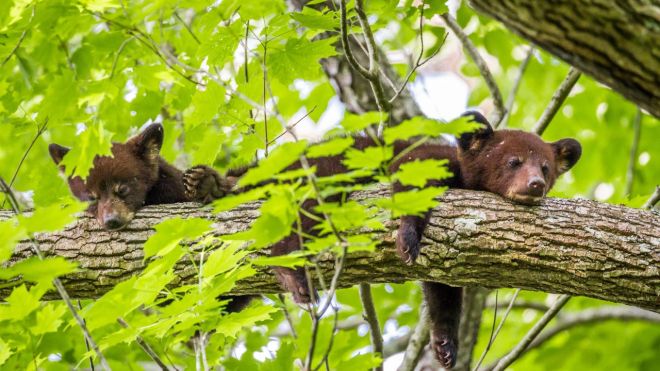
Great Smoky Mountains National Park is the most visited national park in the United States — and most of the problems visitors encounter are predictable and avoidable. Here are ten mistakes that cost people their safety, their trip, or both.
Don't ignore park rules and regulations
Great Smoky Mountains National Park operates under specific regulations that exist to protect both the environment and the visitors in it — stay on marked trails, respect designated wildlife distances, follow campfire restrictions, and observe fishing and foraging rules. These aren't suggestions: violations carry fines, and some can put you or others in real danger. Before your trip, check the current park regulations at nps.gov/grsm, since specific rules — particularly around campfire use and area closures — can change seasonally. Rangers at the visitor centers can answer any questions on arrival.
Don't feed wildlife — any of it
Feeding wildlife in the Smokies is illegal and genuinely harmful. Animals that receive human food become habituated to people, lose their natural foraging behavior, and frequently have to be euthanized as a result — not as an extreme consequence, but as a routine outcome. This applies to every species, not just bears: deer, squirrels, wild turkeys, and raccoons are all subject to the same dynamic. The raccoon that seems friendly at the trailhead has been fed enough times that it no longer associates humans with danger. Keep all food secured, eat at designated picnic areas, and pack out everything you brought in. If you see other visitors feeding wildlife, a polite word is entirely appropriate.
Don't approach or get close to bears
The Smokies have one of the highest black bear densities of any wildlife area in the eastern US, and bear encounters are a regular feature of a park visit — particularly in spring and fall when bears are actively foraging. The National Park Service requires a minimum distance of 50 yards (150 feet) from bears and 25 yards from other large wildlife at all times. Bears in the Smokies are wild animals; they are not habituated to humans in the way that park visitors sometimes assume from photos. A bear that feels cornered or threatened — or a mother that perceives a threat to her cubs — will respond accordingly. If you encounter a bear on a trail, do not run: make yourself large, speak firmly, and back away slowly. See our full guide to black bears in the Smokies for more on what to expect.
Don't underestimate the weather
Mountain weather changes faster and more dramatically than most visitors from lower-elevation home cities are prepared for. The standard Smoky Mountain pattern runs clear mornings with afternoon thunderstorm buildups from spring through fall. At higher elevations, temperatures can run 15–20°F cooler than valley readings — a comfortable 75°F afternoon in Gatlinburg may be jacket weather at Kuwohi (Clingmans Dome). Trails become genuinely dangerous when wet — rocky surfaces, exposed roots, and steep grades that are manageable in dry conditions can cause falls when slick. Always check the weather forecast before heading out, layer for the elevation difference, and carry a rain layer regardless of the morning forecast. If you see lightning or hear thunder, descend immediately — exposed ridgelines and summit trails are dangerous in electrical storms.
Don't hike off-trail
The park's more than 800 miles of maintained trails cover the vast majority of what's worth seeing — there is genuinely no need to leave them. Off-trail hiking in the Smokies damages fragile ecosystem components that take decades to recover: rare wildflowers, moss-covered rock fields, and the biological soil crusts that hold the mountain slopes together. Beyond the environmental damage, it's also how people get lost. The Smokies' terrain looks deceptively navigable from a trail — dense rhododendron thickets, steep drop-offs, and the absence of landmarks that are invisible from the path make off-trail navigation genuinely disorienting. Stay on marked trails, and if a trail is closed, it's closed for a reason.
Don't leave food in your car at trailheads
Bears in the Smokies know what a car is, and they know that cars at trailhead parking lots frequently contain food. They are physically capable of opening unlocked doors and have been observed doing so. A cooler or grocery bag visible through a window is an invitation — not a deterrent. Store all food, beverages, scented items (including toiletries and trash), and pet food in bear-proof containers or secured in a vehicle's trunk out of sight before leaving the parking area. This applies at every trailhead, not just the ones where you see bear warning signs.
Don't underestimate trail difficulty
The Smokies' trail ratings can mislead visitors accustomed to more forgiving terrain. A trail listed as "moderate" in the park may involve significant elevation gain, rocky footing, and sustained effort that would be rated "difficult" at a lower-elevation park. Cascading waterfalls and prominent summits require sustained climbing to reach. Research the specific trail — distance, elevation gain, and terrain — before you go. Appropriate footwear matters: hiking boots or trail shoes with ankle support on rocky trails; never sandals or flat-soled sneakers for anything beyond a paved path. Check our waterfall guide and Cades Cove trail guide for detailed trail information before planning hikes.
Don't skip hydration and rest on hikes
Heat exhaustion and dehydration are the most common medical incidents in the park during summer months. The combination of elevation gain, humidity, and underestimation of difficulty leads visitors to push further than their physical state supports. Drink water continuously throughout any hike — not just when you feel thirsty, as thirst is a lagging indicator of dehydration. Take rest breaks at regular intervals, particularly on climbs. Know the early symptoms of heat exhaustion: heavy sweating, weakness, rapid pulse, nausea, and dizziness. The correct response is to stop, rest in shade, drink water, and descend if symptoms don't improve within fifteen minutes. Many cases of visitors requiring rescue in the Smokies involve people who ignored early warning signs and pushed on.
Don't leave trash behind
Pack-in, pack-out is the standard in the Smokies: everything you carry into the park comes back out with you. This includes food wrappers, orange peels and apple cores (which are not "natural" and disrupt wildlife), and any trash that accumulates at your campsite or picnic spot. Trash bins exist at major trailheads and visitor centers — use them when available, and carry a small bag for trail debris when they're not. The condition of the park depends directly on visitor behavior, and that is not an abstraction: heavily visited areas show the difference between good and bad visitor practice in visible and measurable ways.
Don't skip the visitor centers
The Sugarlands Visitor Center near Gatlinburg and the Oconaluftee Visitor Center near Cherokee are both worth a stop before heading into the park. Rangers provide current conditions on trail closures, wildlife activity, weather forecasts, and any specific hazards in the areas you're planning to visit. The park's exhibits give useful context for what you'll see on the trails — knowing what Cherokee history looks like in the landscape, or which wildflower species are currently blooming, makes the hiking experience more meaningful. If you're planning anything beyond a short walk on a paved trail, fifteen minutes at a visitor center is time well spent.
Frequently asked questions
How close can you get to bears in the Smoky Mountains?
The National Park Service requires a minimum of 50 yards (approximately 150 feet) from bears and 25 yards from other large wildlife at all times. If a bear approaches you, do not run — make yourself appear large, speak in a firm, calm voice, and back away slowly. Carry bear spray when hiking in areas with known bear activity and know how to use it before you need to.
Is it safe to hike in the Smoky Mountains?
Yes, with preparation. The vast majority of Smoky Mountain hikers complete their trips without incident. The risks that do occur — weather exposure, dehydration, getting lost, wildlife encounters — are manageable with appropriate planning, research, and gear. The most important steps: research your specific trail before you go, check the weather forecast, carry water and a rain layer, and stay on marked trails.
Do I need a permit to hike in the Smoky Mountains?
No permit is required for day hiking on any trail in Great Smoky Mountains National Park. Overnight backcountry camping requires a reservation and permit through the park's reservation system. Parking at popular trailheads (Laurel Falls, Alum Cave, Chimney Tops) requires a timed entry parking pass during peak season, available through recreation.gov.
Stay in a Smoky Mountain cabin close to the national park — the best base for day hikes, wildlife viewing, and scenic drives.