How the Park Is Funded and Why the Parking Tag Exists
Published Oct 27, 2026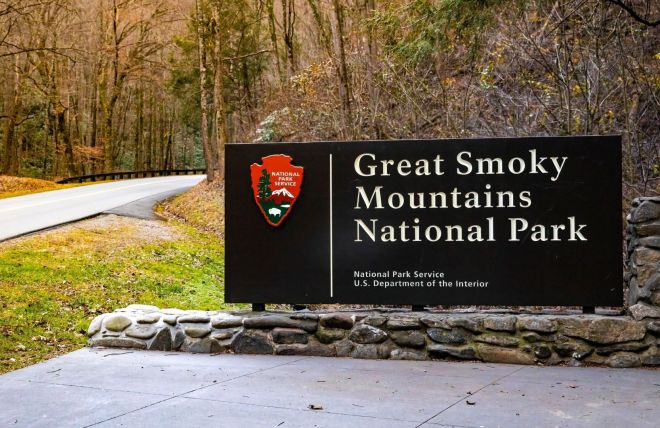
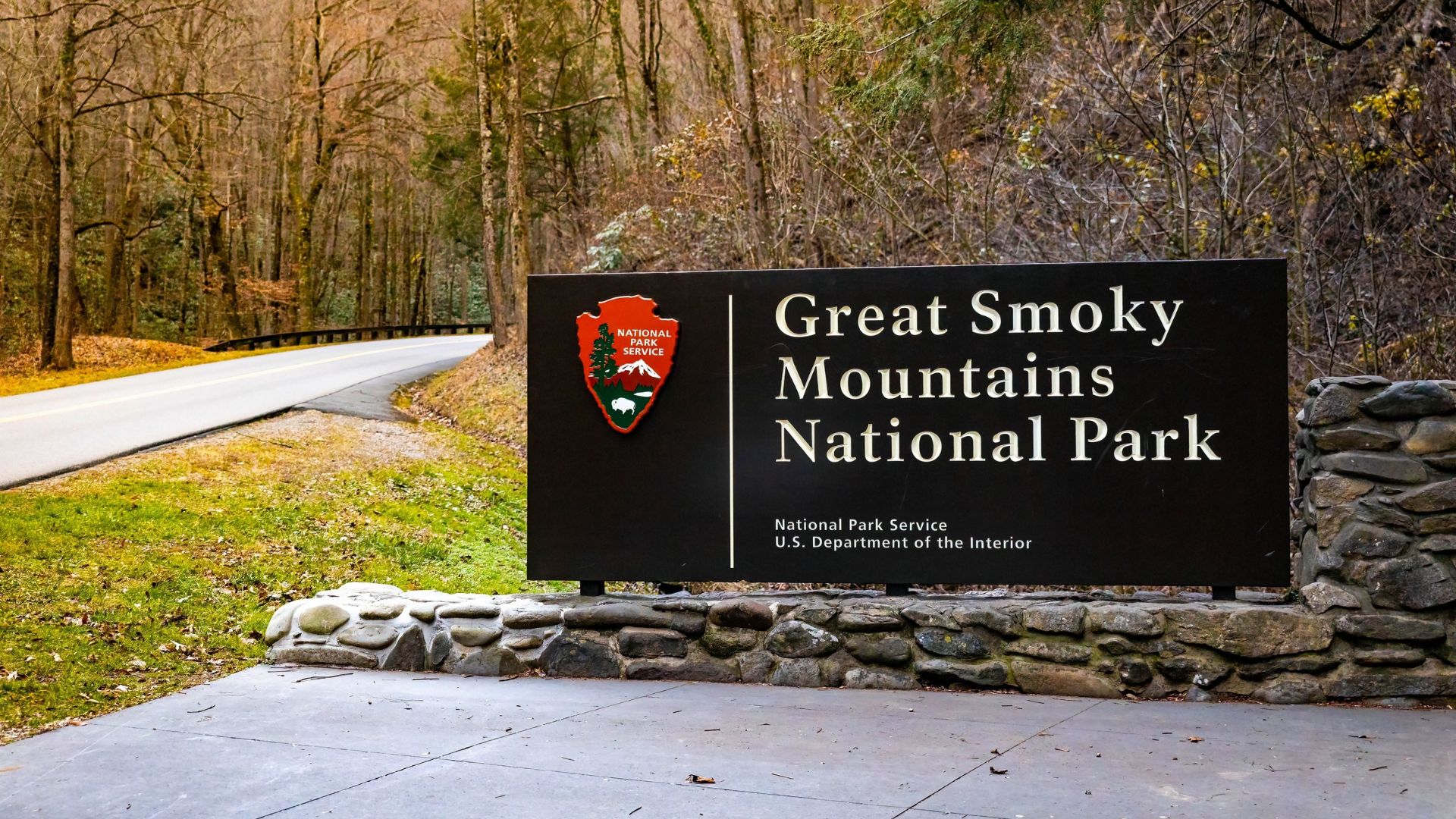
Here's something that surprises almost every first-time visitor: Great Smoky Mountains National Park charges no entrance fee. You can drive straight into the most visited national park in the country without paying a cent at a gate. What you do need, if you plan to stop and park, is a parking tag — a newer requirement that catches a lot of people off guard. The two facts are connected, and the story behind them is a genuinely interesting piece of Smokies history.
Here's why the park is free to enter, why the parking tag exists, and what it means for your visit.
Why there's no entrance fee
Most national parks charge admission at an entrance station. The Smokies never have, and the reason goes back to how the park was created. Unlike the big western parks carved out of federal land, the Great Smoky Mountains were assembled in the 1930s from thousands of privately owned parcels, with Tennessee and North Carolina — and donations, including a major gift from the Rockefeller family — helping fund the purchases. As part of transferring the land and its main roads to the federal government, a condition was attached: no tolls could ever be charged on the two principal roads through the park, Newfound Gap Road and Little River Road.
That old agreement is still binding, and it's the reason there's no toll booth and no entrance fee to this day. Travelers have always been able to drive through the heart of the Smokies for free — a rare thing among major national parks.
So why the parking tag?
The no-fee tradition created a modern problem. The Smokies draw enormous crowds — more visitors than any other national park — but without an entrance fee, the park couldn't collect the kind of revenue that admission-charging parks use to maintain trails, staff the park, and handle the wear that millions of visitors cause each year. Its budget simply hadn't kept pace with its popularity.
The solution, launched in March 2023, was a program called Park It Forward. Because the old deed forbids tolls on the roads but says nothing about parking, the park introduced a fee to park rather than to enter. You can still drive through for free; you just need a tag if you're going to stop and leave your vehicle.
How the parking tag works
It's per vehicle, not per person
A tag is tied to one vehicle's license plate and displayed in that vehicle. It isn't transferable to another car, but it covers everyone riding in that one.
Short-term and longer options
The park offers tags for different lengths of stay — from a single day up to longer durations for a full trip or a frequent visitor. You pick the one that matches how long you'll be stopping and parking in the park.
The brief-stop exemption
You don't need a tag if you're only passing through or stopping very briefly — under fifteen minutes — to snap a photo at an overlook. The tag is for parking and lingering, not for a quick pull-off.
Where to get one
Tags are sold at park visitor centers, at automated machines in the larger parking areas, and online ahead of your trip. Picking one up before you go, or on your way in, saves you fumbling for it at a busy trailhead.
Where the money goes
The park has said all parking-tag revenue stays in the Smokies rather than going to a general fund elsewhere. It pays for the unglamorous but essential work that keeps the park running — trail maintenance, custodial and facility upkeep, law enforcement and emergency response, and rangers for education and recreation. In effect, the tag is how visitors now chip in for the upkeep of a park their visits put real strain on, in the one way the park's founding deed allows.
What it means for your visit
Practically speaking: budget for a parking tag the same way you'd budget for any small trip cost, and get it sorted early so it's not a scramble at the trailhead. One tag covers your whole group in the vehicle, so it's a modest cost spread across everyone. And remember the free part is still true — if your plan for a day is simply to drive Newfound Gap Road and stop only briefly at overlooks, you may not need one at all. For more on the specifics, see our guides to the park's parking fees and the no-entrance-fee policy.
Frequently asked questions
Is there an entrance fee for the Great Smoky Mountains?
No. The park has never charged an entrance fee, because its founding deed prohibits tolls on its two main roads. You can drive into and through the park for free.
Do I need to pay to visit the Smokies, then?
Only if you park. Since March 2023, the Park It Forward program requires a parking tag to stop and leave your vehicle. Driving through and brief stops under fifteen minutes don't require one.
Why does the park charge for parking but not entry?
The park's original deed forbids tolls on Newfound Gap Road and Little River Road, so an entrance fee isn't allowed. A parking fee is permitted, so that became the way to fund the park's growing maintenance and staffing needs.
Is the parking tag per person or per vehicle?
Per vehicle. It's tied to one license plate and covers everyone in that vehicle, but it can't be transferred to another car.
Does my America the Beautiful pass cover the parking tag?
No — federal interagency passes don't cover the Smokies parking tag, which is separate. Vehicles with a state disability placard or plate are exempt. Check the park's official site for current prices and tag options.
Knowing how the park works — free to enter, a tag to park — makes planning a Smokies day a little smoother, and staying close to a park entrance means less driving and more time on the trails. Find a Smoky Mountain cabin near the park, and get trip-ready with our guide to essential tips for your first visit.