Which Is More Pedestrian-Friendly: Pigeon Forge or Gatlinburg?
Published Jan 16, 2025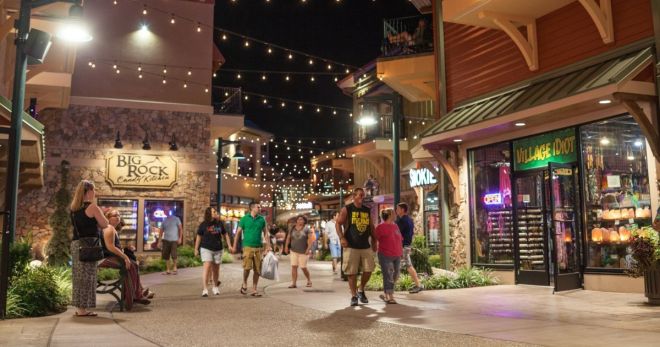
The question of walkability comes up for almost every first-time visitor to the Smokies who's trying to decide between the two towns. The answer is clear: Gatlinburg wins on foot, Pigeon Forge works well with the trolley. Here's how they actually compare — and how to make the most of each.
Gatlinburg: The Walkable Town
Gatlinburg's downtown is genuinely compact — a single main street (the Parkway) with attractions, restaurants, shops, and distilleries clustered within comfortable walking distance of each other. Sidewalk infrastructure is continuous throughout the main corridor, the terrain is relatively flat through the core of downtown, and most visitors spend an entire day on foot without needing a car. Park once in the morning and the car stays put until you're heading back to the cabin.
The practical walking distances are short enough to matter. From the Gatlinburg Space Needle to Ripley's Aquarium of the Smokies takes about 10 minutes. The aquarium to Ole Smoky Distillery is another 11 minutes. Anakeesta's Crystal Express gondola base, the Village Shops, Pancake Pantry, and Gatlinburg SkyLift Park are all within a mile of each other on the Parkway. For couples, families with older children, or anyone who finds traffic and parking stressful, Gatlinburg's walkability is a genuine quality-of-life advantage over a multi-day trip.
The walkability has natural limits: the Great Smoky Arts and Crafts Community (three miles east on an eight-mile loop road) requires a trolley or car, and the national park trailheads are typically driven to. But for a day focused on Parkway dining, shopping, attractions, and distilleries, the car isn't needed.
Pigeon Forge: Spread Out, but Trolley-Ready
Pigeon Forge is built differently — a longer Parkway corridor with attractions spread further apart, fewer continuous sidewalks between major destinations, and distances that make foot travel between sites impractical. The walk from The Island to WonderWorks covers about two miles and takes 40 minutes or more along a road designed for cars. A mile or more between Parkway attractions is common throughout the city.
What makes Pigeon Forge workable without a car is its trolley system — one of the most comprehensive in the region. More than 200 stops throughout Pigeon Forge and parts of Sevierville, six routes covering the full length of the Parkway and key destinations including Dollywood, The Island, the Old Mill area, and a connection to the Gatlinburg Welcome Center. The fleet runs every 20–30 minutes on main Parkway routes. For a group willing to plan around trolley stops and schedules, a car-free Pigeon Forge day is genuinely achievable.
Trolley Comparison: Fares, Schedules, and Parking
Fare: Free on all routes, 365 days a year
Hours: 8:30AM–midnight (May–Oct) | 10:30AM–10PM (Nov–Apr)
Parking: Free Park-and-Ride at Gatlinburg Welcome Center (Banner Road) and City Hall (Hwy 321)
Routes: Purple, Blue, Yellow (Arts & Crafts Community), Red — all stop at Ripley's Aquarium Mass Transit Center
Info: gatlinburg.com/things-to-do/trolley
Fare: $1/ride (most routes) | $2.50 (Dollywood route) | $3 all-day pass
Children 3 and under: free on all routes
Hours: 8AM–midnight (Mar–Oct) | 10AM–10PM (Nov–Dec)
Payment: Exact fare only — drivers cannot make change. All-day pass available at Trolley Office or mobile app
Parking: Free at Old Mill District Trolley Station (Old Mill Drive, Traffic Light #7) and Municipal Lot (Teaster Lane)
Routes: North Parkway, South Parkway, Dollywood, Splash Country, Gatlinburg Welcome Center, Wears Valley
Info: cityofpigeonforgetn.gov or mypigeonforge.com/planning/mass-transit-trolley
The Pigeon Forge trolley connects to Gatlinburg via the Gatlinburg Welcome Center route — a non-stop run to the Welcome Center on the Spur, where riders transfer to the Gatlinburg Trolley and continue into downtown. This means you can technically cover both towns car-free in a single day with some planning, though the transfer adds time. The two trolley systems use different passes and fares — a Pigeon Forge all-day pass does not work on Gatlinburg trolleys.
Practical Tips for Going Car-Free
In Gatlinburg: Park at the Welcome Center on Banner Road (free, with free trolley access into downtown) or at the City Hall lot on Highway 321. Both fill on peak summer and fall weekends — arrive before 9 AM to secure a spot. Once parked, the trolley handles all Parkway movement for the day at no cost. The Yellow Line serves the Arts and Crafts Community on a seasonal schedule; check current operating dates at gatlinburg.com before planning a loop day around it.
In Pigeon Forge: The free parking lots at the Old Mill District Trolley Station (Old Mill Drive) and the Municipal Lot on Teaster Lane are the best starting points. Bring exact change — $1 bills for standard routes, quarters for the gap between $2 and $2.50 on the Dollywood route — or buy the $3 all-day pass at the Trolley Office or on the mobile app before boarding. The all-day pass is the right call for anyone planning more than three rides, and it covers the Dollywood and Splash Country routes in the same pass.
The Verdict
If walkability is the priority — if you want to leave the car parked, cover ground on foot, and not think about transportation logistics for the day — Gatlinburg wins clearly. The free trolley, free Park-and-Ride parking, and compact Parkway make it the most accessible car-free experience in the Smokies.
If your itinerary includes Dollywood, The Island, and several Parkway attractions spread along a larger corridor, Pigeon Forge with a $3 all-day trolley pass is a workable car-free day. It requires more planning — knowing the routes, carrying exact change, timing the stops — but the system is comprehensive enough to handle it. Either way, both towns are more car-free-friendly than most visitors expect going in.
Frequently Asked Questions
Is the Gatlinburg trolley really free?
Yes — all Gatlinburg trolley routes are free, 365 days a year. Free Park-and-Ride parking is available at the Welcome Center on Banner Road and at the City Hall Complex on Highway 321. The city's federal transit data confirms zero fare revenue, and gatlinburg.com describes it as "fare-free year-round."
How much does the Pigeon Forge trolley cost?
$1 per ride on most routes, $2.50 for the Dollywood route, $3 for an all-day pass covering unlimited rides on all routes including Dollywood and Splash Country. Children 3 and under ride free. Drivers accept exact fare only — no change made. Purchase the all-day pass at the Trolley Office, ticket vending machines, or the mobile app.
Can I take the trolley between Pigeon Forge and Gatlinburg?
Yes, with a transfer. The Pigeon Forge trolley runs a Gatlinburg Welcome Center route (non-stop to the Welcome Center on the Spur). From there, transfer to the free Gatlinburg Trolley for downtown access. The Pigeon Forge all-day pass does not work on Gatlinburg trolleys — they are separate systems.
Which town is better for families without a car?
Gatlinburg — the compact walkable downtown, free trolley, and free parking make it the easier car-free experience for families. Pigeon Forge is manageable with the trolley but requires more logistical planning. For a cabin stay covering both towns, keep the car for Pigeon Forge days and go car-free in Gatlinburg.