Essential Tips for Your First Visit to the Smokies
Published Nov 15, 2023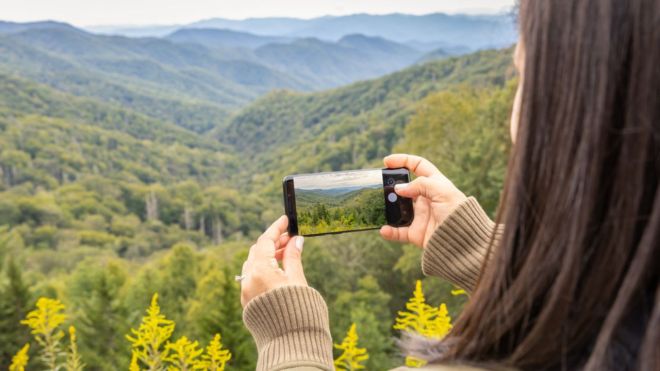
Great Smoky Mountains National Park draws more than twelve million visitors a year — and first-timers consistently report the same surprises: more crowded than expected at the popular spots, more dramatically different at higher elevations, and more rewarding than anticipated once you know where to look. These eight tips help make the first visit go smoothly.
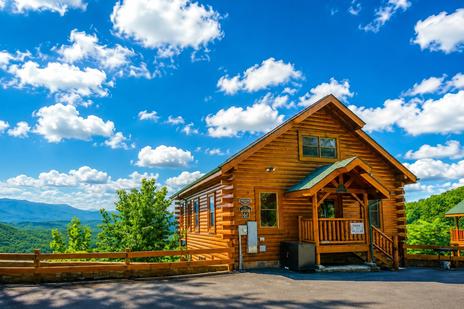
Book early — especially for fall and summer
The Smokies' most popular cabins, campgrounds, and hotel rooms fill months in advance during peak periods — fall foliage (mid-October), summer school holidays, and major holiday weekends. The same timing pressure applies to Dollywood tickets, guided tours, and dinner shows, which sell out on peak weekends. If you have a specific date range in mind for fall foliage or a summer week, start booking lodging three to six months ahead. For everything else — spring and winter visits — four to six weeks is usually sufficient. The earlier you commit to dates, the more options you have for the specific cabin or property configuration you want. Last-minute availability exists but is heavily weighted toward less desirable options.
Arrive at trailheads before 9 AM
The single most useful logistical tip for first-time visitors to the Smokies: get to popular trailheads early. Laurel Falls, Alum Cave, the Chimney Tops, and Cades Cove all have limited parking that fills before 9 AM on summer and fall weekends. Once the lots fill, visitors either wait for a space to open (which can take hours) or give up and go somewhere else. The solution is straightforward — plan outdoor activities for early morning, arrive at the trailhead by 8 AM at the latest on any peak day, and build the rest of the schedule around what's left of the day after the hike. Any vehicle parked inside the park for more than 15 minutes requires a "Park It Forward" parking tag ($5/day, $15/week, or $40/annual), available on recreation.gov, at visitor centers, or at automated kiosks near park entrances. The tag is required regardless of which trailhead you visit — purchase one before your first stop.
Layer for elevation differences
The temperature differential between valley elevation and the park's higher peaks is significant — roughly 3–5°F per 1,000 feet of elevation gain. Gatlinburg and Pigeon Forge sit at approximately 1,300 feet; Kuwohi (Clingmans Dome) sits at 6,643 feet. A comfortable 75°F afternoon in town can mean jacket weather at the summit. The standard Smokies weather pattern also brings clear mornings and afternoon thunderstorm buildups from spring through fall, which means morning conditions are not a reliable forecast for afternoon. Pack layers that can be added and removed throughout the day — a light fleece, a waterproof shell, and sturdy shoes that handle both a warm morning walk and a cold, wet summit without needing to change gear.
Keep safe distances from wildlife
The Smokies have one of the highest black bear densities of any wildlife area in the eastern US, and bear encounters are a regular feature of park visits — particularly in spring and fall. The National Park Service requires a minimum of 50 yards (approximately 150 feet) from bears and 25 yards from other large wildlife including deer and elk. Bears in the Smokies are wild animals, not habituated to human proximity in the way visitors sometimes assume. Running is the wrong response to a bear encounter: stand your ground, make yourself appear large, speak in a firm calm voice, and back away slowly. Store all food, beverages, and scented items in your car's trunk when parked at any trailhead — never leave anything visible through windows. See our full guide on black bears in the Smokies for more.
Match trail difficulty to your group's actual ability
The park's trail ratings can mislead visitors accustomed to flatter terrain. A "moderate" rating in the Smokies often involves significant elevation gain, rocky footing, and sustained effort that would be rated "difficult" at a lower-elevation park. Before choosing a trail, research the specific distance, elevation gain, and terrain type — not just the rating. For first-time visitors with mixed abilities, the best options are the paved, lower-elevation trails: Laurel Falls (2.6 miles round trip, paved), the Gatlinburg Trail (2 miles round trip, dog-friendly, flat), and the Oconaluftee River Trail (3 miles round trip, flat, dog-friendly). These provide genuine national park scenery without the difficulty that catches underprepared hikers off guard. Our waterfall guide covers difficulty and distances for the major falls hikes.
Download offline maps before you go
Cell service is unreliable throughout the park, particularly in the valleys and on any trail more than a mile from the main road. GPS navigation on a phone with a live connection can fail mid-hike in the Smokies in ways that disorient visitors expecting coverage. Before you leave your cabin or hotel, download offline maps covering the park area — Google Maps and apps like Gaia GPS and AllTrails support offline downloads. Download the specific trails you plan to hike. The park's official app also has offline functionality. This is not a worst-case precaution; it is standard practice for hiking in the Smokies, where the terrain and valley shading actively suppress signal.
Pack out everything you pack in
The Smokies operate under a carry-in, carry-out policy: everything you bring into the park comes back out with you. This includes food wrappers, fruit peels and cores (which are not "natural" in the park context and attract wildlife), water bottles, and any trash accumulated during the hike. Leave No Trace principles apply on all trails. Trash cans are available at major trailheads and visitor centers; there are none on the trails themselves. The condition of high-traffic trails like Laurel Falls shows the direct consequence of lax pack-out behavior — maintaining the park's condition depends entirely on visitor compliance. Pack a small bag specifically for trail trash if you're bringing food on a hike.
Use the visitor centers
The Sugarlands Visitor Center just inside the Gatlinburg park entrance and the Oconaluftee Visitor Center on the North Carolina side are free and worth stopping at before heading deeper into the park. Rangers provide current conditions on trail closures, wildlife activity, weather forecasts, and any specific hazards in the areas you're planning to visit. The interpretive exhibits cover the park's ecology, Cherokee history, and natural history in a way that contextualizes what you'll see on the trails. The Junior Ranger program, available at no cost for children, provides a structured booklet of activities that keeps younger hikers engaged and ends with a ranger-administered oath and badge. For any trip that includes hiking beyond the parking-lot-adjacent paved paths, fifteen minutes at a visitor center before you start is time well spent.
Frequently asked questions
What is the best time of year for a first visit to the Smoky Mountains?
Spring (April–May) is the most consistently rewarding for first-time visitors — wildflower blooms, comfortable hiking temperatures, fewer crowds than summer or fall foliage peak, and more cabin availability. Fall foliage (mid-October) is the most visually dramatic but the most crowded and most competitive for lodging. Summer is fully operational but hottest and busiest. Winter is the quietest and most affordable. Any season works well; the choice depends primarily on what kind of experience you prioritize.
Do I need a parking pass to visit the national park?
Yes — any vehicle parked inside Great Smoky Mountains National Park for more than 15 minutes needs a "Park It Forward" parking tag: $5 for a day, $15 for up to a week, or $40 for an annual tag. Tags are available on recreation.gov, at park visitor centers and partner shops, or at automated kiosks near park entrances. The park does not use a timed-entry reservation system — you can arrive any time — but the parking tag is required and the fee goes directly to park maintenance. A tag buys the right to park; it does not guarantee a space at popular trailheads, which fill early on peak days.
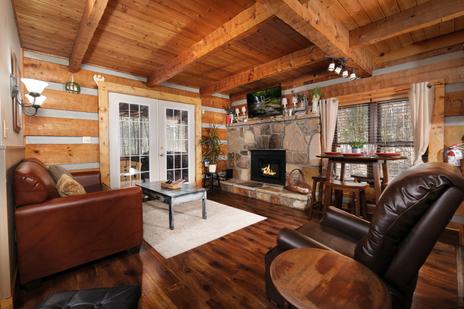
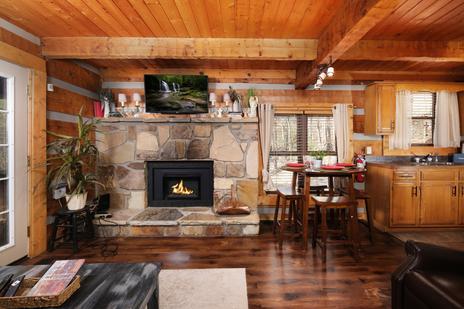
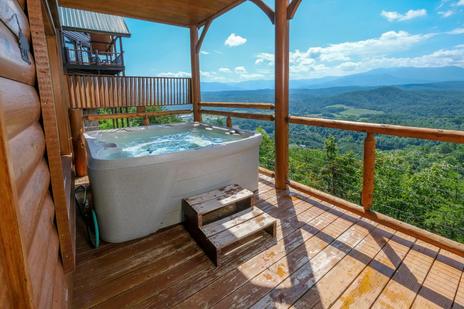
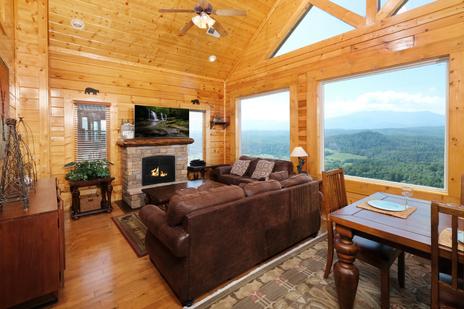
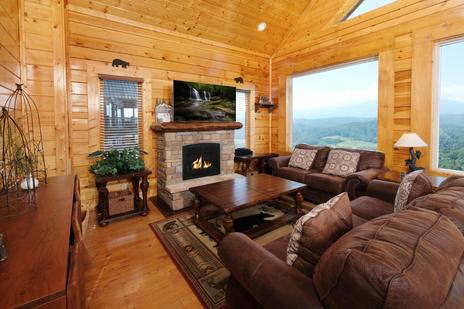
Book a Smoky Mountain cabin and use it as your base for everything the park has to offer — trailheads, wildlife, waterfalls, and the Parkway towns.