Top 6 Prettiest Areas in the Great Smoky Mountains
Published Sep 29, 2022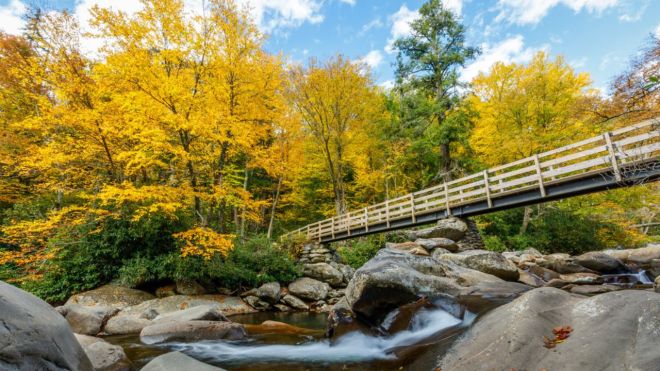
Great Smoky Mountains National Park covers over 500,000 acres — enough terrain that even frequent visitors haven't seen all of it. These six areas stand out for their visual character: a wildflower-carpeted creek valley, the highest accessible summit, an ancient bald with panoramic ridgeline views, a hidden waterfall, and a forested motor nature trail that changes with the seasons.
Porters Creek Trail — Best wildflowers
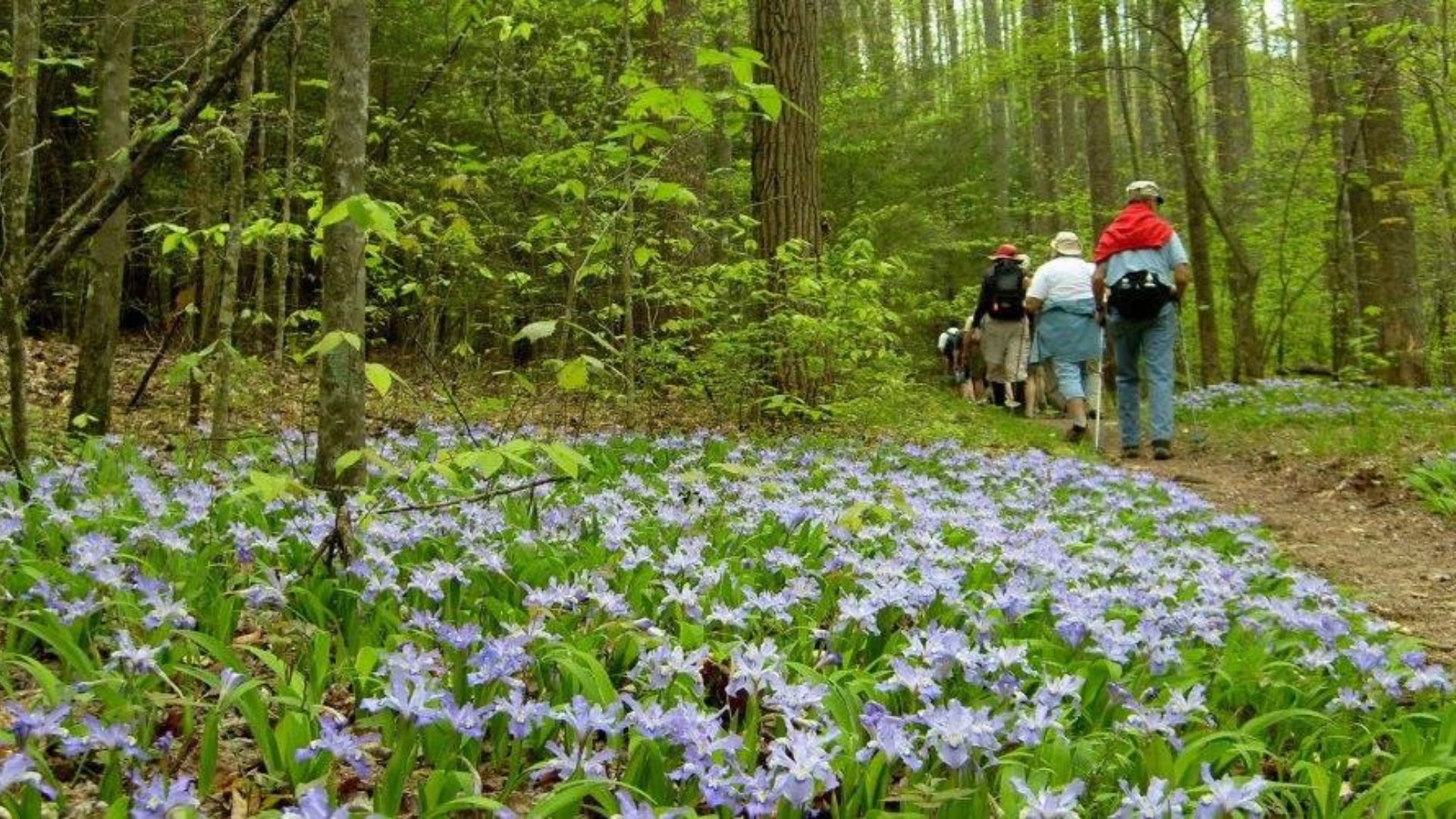
The Porters Creek Trail in the Greenbrier area is among the finest wildflower hikes in the eastern United States. In April and early May, the old-growth cove hardwood forest along the creek produces one of the most concentrated wildflower displays in the park: trillium, wild geranium, phacelia, dwarf crested iris, and spring beauty carpet the forest floor in overlapping waves of bloom. The trail is 3.8 miles round trip through a former settlement area — old stone walls, a well-preserved historic barn, and a farmstead chimney appear alongside the wildflowers, giving the hike both natural and historical depth. The access road through the Greenbrier area is off US-321 between Gatlinburg and Cosby. Arrive early in April on peak bloom weekends; the parking area fills quickly. A Park It Forward tag is required.
Kuwohi (Clingmans Dome) — Most expansive views
At 6,643 feet, Kuwohi (Clingmans Dome) is the highest point in Great Smoky Mountains National Park and the highest point on the entire Appalachian Trail. On a clear day the panoramic view from the observation tower encompasses seven states — a 360-degree sweep of Appalachian ridgeline that, in scale and elevation, is genuinely unlike any other view accessible by a short walk in the eastern United States. The 0.5-mile paved trail from the parking area to the summit is steep but short, gaining 330 feet. Morning visits before the afternoon haze builds typically offer the best visibility. Kuwohi Road (the access road from Newfound Gap) is closed from December through March. A Park It Forward tag is required for parking at the Kuwohi lot.
Thunderhead Prong Quiet Walkway — Best forest walk
The Quiet Walkways are one of the Smokies' least-used features — short, unmarked paths off the main park roads that lead into the forest without developed trailheads, signs, or facilities. The Thunderhead Prong Quiet Walkway near Tremont Road on the western side of the park is one of the most beautiful: a gentle walk along the Middle Prong of the Little Pigeon River through an old-growth cove hardwood forest of towering tulip poplars, hemlocks, and yellow birch. The river tumbles through moss-covered boulders alongside the path. Because Quiet Walkways are intentionally understated — no trail markers, no maintained surfaces — they attract a fraction of the visitors that named trails receive. The result is a genuinely quiet forest walk that feels like a private discovery.
Gregory Bald — Prettiest reward for a strenuous hike
Gregory Bald is one of the most dramatic destinations in the Smokies for those willing to earn it. The 11.3-mile round trip to the summit bald via the Gregory Ridge Trail gains 3,000 feet of elevation and passes through old-growth forest before breaking out onto a large open grass bald with 360-degree views of the surrounding mountains, Cades Cove below, and the Tennessee and North Carolina ridgelines in every direction. In late May and early June, the bald's perimeter blooms with one of the most spectacular Catawba rhododendron displays in the park — purple-pink masses of bloom against the open blue sky. The trailhead is at the Cades Cove Campground area. This is a full-day hike; plan 6 to 8 hours and carry adequate water and food.
Cataract Falls — Prettiest reward for an easy hike
Cataract Falls on the Twin Creeks trail system near Gatlinburg is one of the park's most accessible and least-visited cascades — a beautiful 25-foot waterfall reached by a relatively gentle walk through hardwood forest. Unlike Laurel Falls or Grotto Falls, Cataract Falls sees far fewer visitors, which means you're likely to have the cascade to yourself or near-to. The surrounding creek environment is particularly attractive in spring when the understory blooms and in fall when the hardwood color reflects in the pool below the falls. The trailhead is near the park's Twin Creeks science and education center, off the Cherokee Orchard Loop Road from Gatlinburg.
Roaring Fork Motor Nature Trail — Loveliest scenic drive
The Roaring Fork Motor Nature Trail is a 5.5-mile one-way loop that leaves the Gatlinburg street grid and enters a forested world within minutes. The road follows Roaring Fork Creek through old-growth woodland and past several of the park's best-preserved historic structures — the Alfred Reagan Place with its working tub mill, the Jim Bales Place, the Ephraim Bales cabin — before descending through a rhododendron-lined gorge back toward the park entrance. In spring the roadside wildflowers and rhododendron bloom in sequence; in summer the creek and overhanging canopy create a cool green tunnel; in fall the hardwood color transforms every bend. Roaring Fork is a seasonal road — it closes in winter, typically November through March. Check current road status before visiting in shoulder season.
Frequently asked questions
Do all these areas require a Park It Forward parking tag?
Yes — all of these locations are inside Great Smoky Mountains National Park, and a Park It Forward parking tag ($5/day, $15/week, $40/annual) is required for any vehicle parked inside the park for more than 15 minutes. Purchase tags online at recreation.gov, at park visitor centers, or at automated kiosks near entrances before your visit. Roaring Fork Motor Nature Trail is a drive-through and does not have a separate parking lot — the tag applies to any park parking area you use before or after.
When is the best time to visit each of these areas?
Porters Creek: mid-April for peak wildflowers. Kuwohi: May through October for clear views (road closed December through March). Thunderhead Prong Quiet Walkway: any season — spring for wildflowers, fall for color. Gregory Bald: late May through early June for Catawba rhododendron bloom; any clear-weather day for views. Cataract Falls: spring and fall are most photogenic. Roaring Fork Motor Nature Trail: spring through fall; road closed in winter.
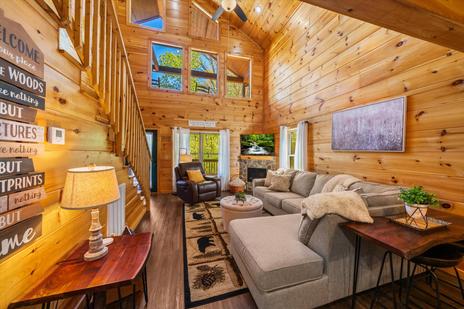
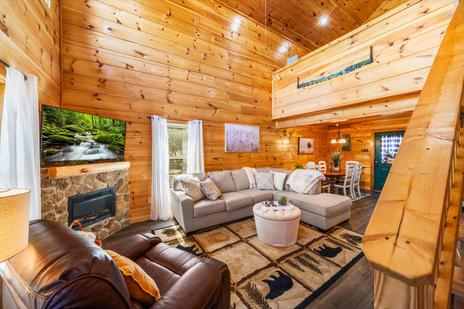
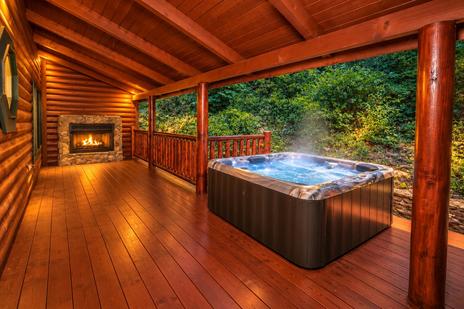
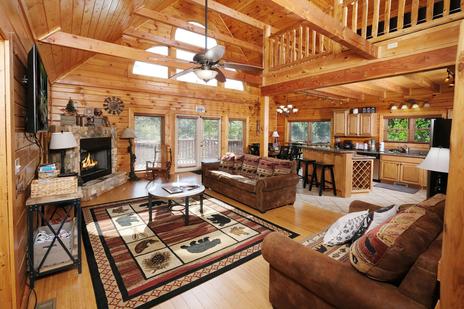
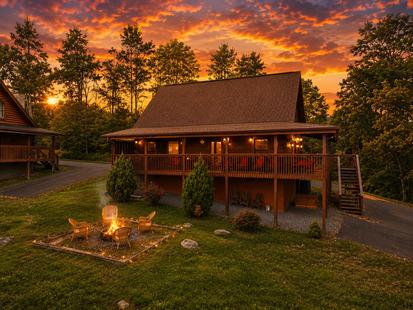
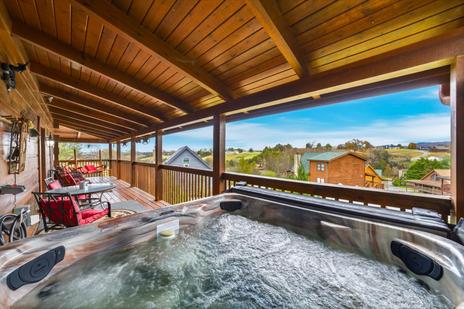
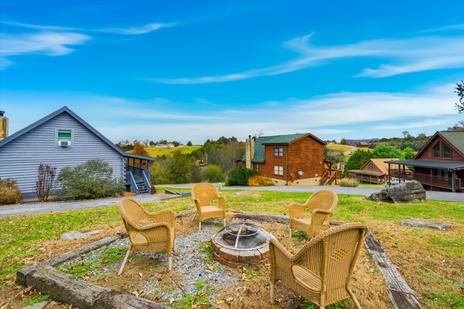
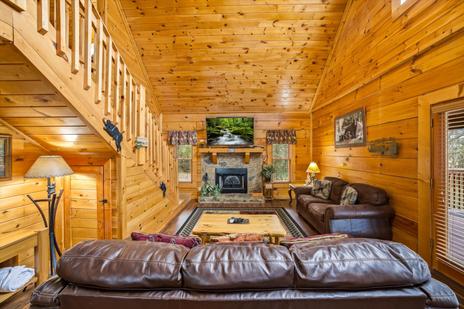
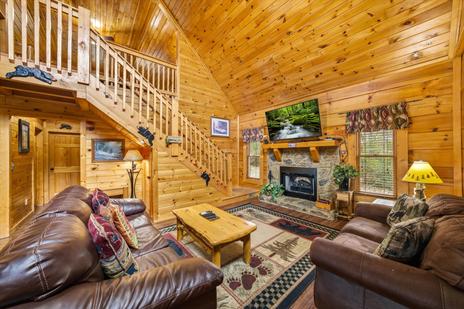
A Wears Valley cabin rental gives you quick access to Cades Cove, Porters Creek, and the western park entrances — the closest base for the Gregory Bald and Thunderhead Prong areas.