Nature Journaling with Kids in the Smokies
Published Oct 27, 2026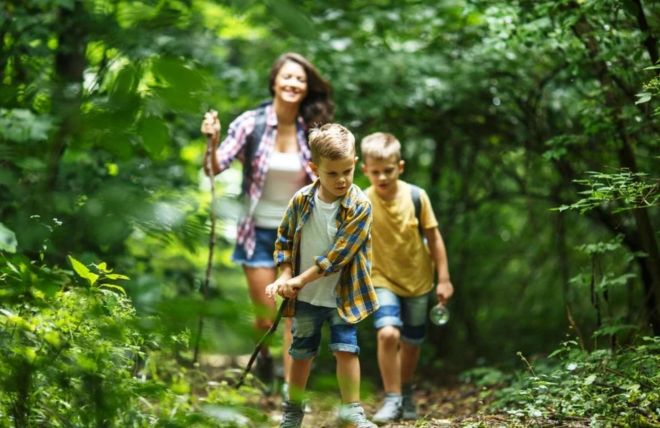
The Great Smoky Mountains are one of the most biologically rich places in the country, which makes them a perfect classroom that doesn't feel like one. Nature journaling — giving kids a notebook and letting them draw, write, and notice what's around them — is a simple way to turn a hike or a quiet morning on the cabin porch into something they'll actually remember. It slows everyone down, puts the phones away, and sends kids home with a keepsake they made themselves. Here's how to do it in the Smokies.
You don't need to be artistic, and neither do your kids. Nature journaling isn't about pretty drawings; it's about paying attention. The goal is curiosity, not a masterpiece.
What to pack
Keep it simple so it travels in a daypack. Each child needs a small notebook or sketchpad and something to write and draw with — pencils and a few colored pencils are plenty, and they hold up better than markers in a backpack. Add a few extras if you have them: a magnifying glass for looking closely at bark, moss, and bugs; a small field guide or a downloaded one for identifying what you find; and a zip bag for a treasure or two, keeping in mind the park's rule to leave natural things where they are. A folding seat pad or just a bandana to sit on makes kids willing to stay in one spot longer.
Simple prompts that get kids started
A blank page intimidates kids. A prompt unlocks them. Try giving them one of these at each stop:
Draw exactly what you see
Pick one thing — a leaf, a beetle, a mushroom, a single wildflower — and draw just that, as closely as you can. Close looking is the whole exercise.
Five senses check-in
Write or draw one thing you can see, hear, smell, and feel right now. It teaches kids to notice the stream sound and the pine smell, not just the view.
Make a color map
Find and color in every shade of green (or brown, or red in autumn) you can spot. Younger kids love this one, and it trains the eye.
I notice, I wonder
Write one thing you notice and one thing you wonder about it. "I notice this leaf has holes. I wonder what ate it." Questions matter more than answers.
Sit spot
Everyone sits quietly in one chosen spot for five minutes and records anything that happens. It's astonishing what appears when a family goes still.
Easy Smokies spots for journaling with kids
You want places that are easy to reach, safe to linger in, and full of things to notice. A few that fit the bill:
Sugarlands and the Gatlinburg Trail area
Near the main Tennessee visitor center, with gentle, wide paths and a river alongside — easy walking and plenty to stop and look at. A good place to start if your kids are new to this.
Cades Cove
The open valley is ideal for journaling wildlife and wide landscapes, and you can get out at pull-offs along the loop without committing to a long hike. Mornings are best for both quiet and animals.
Deep Creek
On the North Carolina side, with flat creekside paths and waterfalls — streams are magnets for kids and give them endless small things to record.
Oconaluftee fields
The open bottomland near Cherokee is a strong spot for sketching the grazing elk from a safe distance and the historic farm buildings nearby.
Your own cabin porch or yard
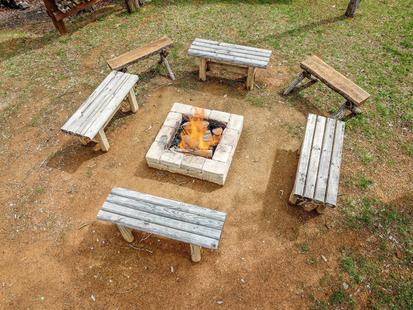
Don't overlook this one. A quiet morning on the porch with birds, trees, and whatever wanders through is often where the best, least-rushed journaling happens — no drive required.
Keeping it fun, not a chore
The fastest way to kill nature journaling is to turn it into homework. Keep sessions short — ten or fifteen minutes is plenty for younger kids — and let them stop when they're done rather than pushing for a full page. Do it alongside them with your own notebook; kids copy what they see adults enjoy. Skip the corrections — a six-legged "spider" is fine, and the wondering is the point. And celebrate the journal at the end of the trip by flipping back through it together. More than any souvenir from the Parkway, it's the thing that brings the trip back.
Frequently asked questions
What age is nature journaling good for?
Just about any age. Toddlers can scribble colors they see, school-age kids take to prompts like "I notice, I wonder," and teens often enjoy sketching or writing once the pressure's off. Match the prompt to the child and keep it low-key.
Do we need special supplies?
No — a small notebook and a pencil are enough. Colored pencils, a magnifying glass, and a simple field guide make it richer, but the whole point is that it's low-tech and low-cost.
Where's the easiest place to start in the Smokies?
The gentle paths near Sugarlands, the pull-offs around Cades Cove, or the creekside trails at Deep Creek are all easy and full of things to notice. Honestly, your own cabin porch is a great first session before you even leave for the day.
Can we collect leaves and rocks for the journal?
Inside the national park, the rule is to leave natural things where they are, so sketch or photograph them instead of taking them. On your cabin's own grounds a few found treasures are fine — just teach kids the "take only pictures" habit in the park.
What if my child isn't artistic?
It doesn't matter at all. Nature journaling is about noticing, not drawing well. Writing, listing, and simple scribbles count just as much as sketches — the curiosity is the skill you're building.
A slow morning of noticing is the kind of Smoky Mountain memory that outlasts the attractions, and a cabin with a porch and some trees around it is the perfect base for it. Find a family cabin in the mountains, and pair this with our guides to kid-friendly hikes and educational adventures for kids.