Educational Adventures for Kids in Gatlinburg
Published Dec 7, 2023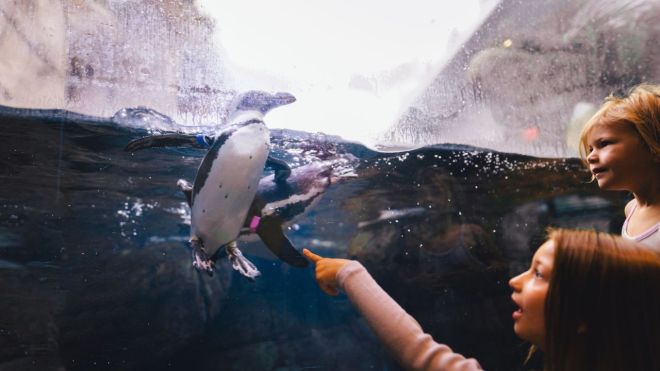
Gatlinburg sits at the entrance to one of the most ecologically rich national parks in North America — and the educational experiences available here go considerably further than the park itself. From marine science to Appalachian craft traditions to native wildlife to geology, here are six places where kids learn something without realizing it's the point.
Great Smoky Mountains National Park and the Sugarlands Visitor Center
The park itself is the best classroom in the Smokies. Sugarlands Visitor Center, just inside the park's Gatlinburg entrance, is where to start: interactive exhibits cover the park's ecosystems, wildlife, geology, and Cherokee and Appalachian history in formats that work well for children across a wide age range. Rangers at the visitor center offer free Junior Ranger booklets — kids complete activities throughout their park visit, then present their work to a ranger and take an oath to be sworn in as a Junior Ranger. The badge at the end is genuinely motivating for most children, and the activities structure the park visit in a way that keeps younger kids engaged across a full day. Beyond the visitor center, the park's trails are a living classroom — spring wildflowers, summer salamanders, fall foliage, winter ice formations on the waterfalls. The Smokies support more tree species than all of northern Europe combined, a biodiversity fact that tends to stick with kids when they're standing in the middle of it.
Ripley's Aquarium of the Smokies
Ripley's Aquarium of the Smokies is the most substantive science education experience in Gatlinburg. The centerpiece is the Shark Lagoon — an underwater tunnel where visitors stand on a moving walkway surrounded on all sides by sharks, rays, sawfish, and sea turtles in a 340,000-gallon tank. The experience is genuinely arresting for children and adults alike. Beyond the tunnel, the penguin exhibit, jellyfish gallery, stingray touchpool, and coral reef displays cover a range of marine ecosystems with a mix of interpretive signage and hands-on interaction. The aquarium's educational programming — daily dive shows where staff explain shark behavior underwater, touch tank sessions with stingrays, and the narrated penguin feeding — layers learning into what children experience as entertainment. Plan two to three hours for a full visit; the aquarium is open daily.
The Salt and Pepper Shaker Museum
The Salt and Pepper Shaker Museum is the unexpected educational stop in Gatlinburg — a genuinely unusual museum that holds more than 20,000 pairs of salt and pepper shakers organized by theme, material, era, and culture of origin. What sounds like a novelty is actually a remarkable window into cultural history, industrial design, and the way everyday objects reflect the time and place that produced them. Shakers from mid-century America, Soviet-era Eastern Europe, pre-war Japan, and contemporary artisan workshops sit alongside each other in a way that's remarkably effective at conveying cultural and historical context without any of the artificiality of a designed exhibit. For older children with curiosity about how objects tell stories, this is one of the more genuinely interesting stops in Gatlinburg. Admission is modest; the museum is walkable from the Parkway.
The Great Smoky Arts and Crafts Community
The Great Smoky Arts and Crafts Community — an eight-mile loop of more than 100 independent artisan studios east of downtown Gatlinburg — is a living demonstration of Appalachian craft traditions that have been practiced in these mountains for centuries. Potters, glassblowers, woodturners, basket weavers, quilters, jewelers, and weavers work on-site and are typically happy to explain their processes to interested visitors. Watching a glassblower shape molten glass or a potter center clay on a wheel is a fundamentally different kind of learning than reading about these crafts — the physical process, the material behavior, and the skill involved are visible in a way that makes the knowledge concrete. Many studios allow children to try basic techniques. The community is most engaging with older children who have the patience for slower, process-oriented exploration; younger children do better with one or two studios rather than a full loop.
Gem mining in Gatlinburg
Gatlinburg has several gem mining operations where children sift through buckets of mineral-rich material to find gemstones — an activity that introduces basic mineralogy and earth science in a hands-on format. The process involves selecting a bucket, sluicing it through a water trough, and identifying what's found with help from staff who explain the geological origin of each stone. Children reliably leave with a small collection of genuine gemstones — quartz, garnet, amethyst, tourmaline, and others depending on the bucket — and a basic understanding of how mineral deposits form. The staff at the better operations take the identification portion seriously, turning the post-sluice conversation into a real mineralogy lesson. Several gem mine operations are located along the Parkway in downtown Gatlinburg; look for one near the Ober Gatlinburg tram area for convenient access.
Ober Gatlinburg Wildlife Habitat
Ober Gatlinburg's Wildlife Habitat houses 44 animals across 26 or more native Smoky Mountain species — black bears, river otters, bobcats, birds of prey, flying squirrels, raccoons, and more — all of which are injured or non-releasable animals that can no longer survive in the wild. The mission of the habitat is explicitly educational: staff provide talks about each species, their role in the mountain ecosystem, and the circumstances that brought each animal to the facility. Seeing a black bear, a bobcat, and a barn owl at close range — with context from staff about their behavior and habitat — is substantively different from a wildlife sighting on the trail. The habitat is open year-round and is accessible via the Ober Gatlinburg aerial tram from downtown Gatlinburg (a 2.1-mile, 10-minute ride that's worth doing on its own). Admission to the Wildlife Habitat is separate from tram tickets; check obergatlinburg.com for current pricing.
Frequently asked questions
What age range do these activities work best for?
Ripley's Aquarium, gem mining, and the Ober Gatlinburg Wildlife Habitat work well across a wide range — from ages 4 or 5 through adult. The National Park Junior Ranger program is most engaging for ages 6 through 12. The Salt and Pepper Shaker Museum works better for older children and adults with genuine curiosity about history and design. The Arts and Crafts Community is most rewarding for children 10 and up who have patience for artisan studios.
Is the National Park Junior Ranger program free?
Yes — Junior Ranger booklets are available free at the Sugarlands Visitor Center and other park visitor centers. Great Smoky Mountains National Park itself charges no admission. The Junior Ranger program is open to children of all ages; staff at the visitor center can recommend the appropriate booklet level by age.
How do you get to Ober Gatlinburg?
The Ober Gatlinburg aerial tram departs from the base station at 1001 Parkway in downtown Gatlinburg — a 10-minute, 2.1-mile ride to the mountaintop resort. You can also drive up Ski Mountain Road to the resort parking lot. The tram ride itself is worth doing for the mountain views, and it eliminates the parking challenge on busy days.
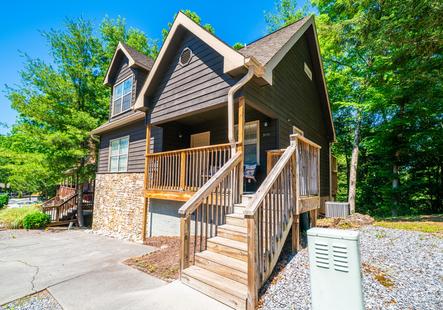
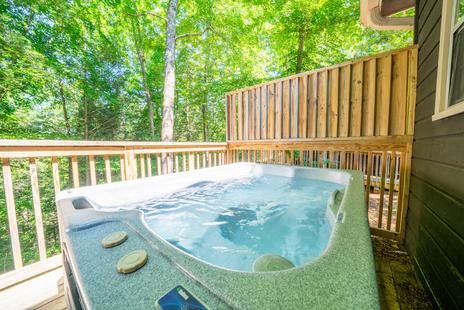
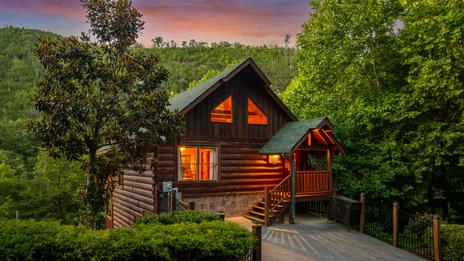
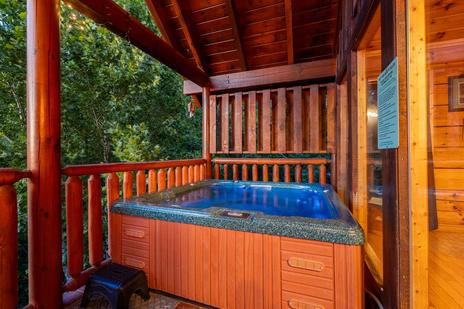
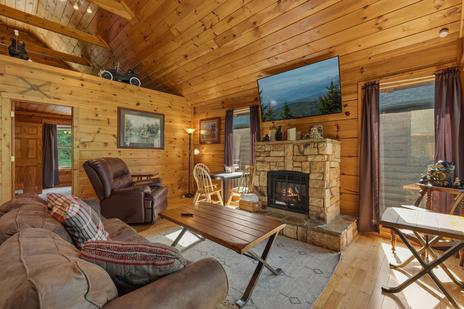
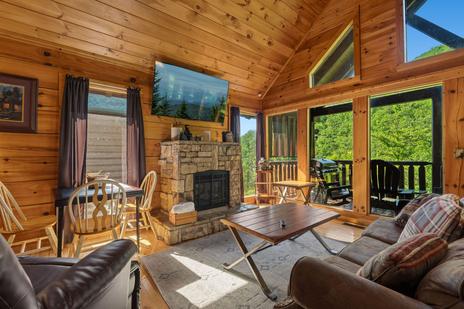
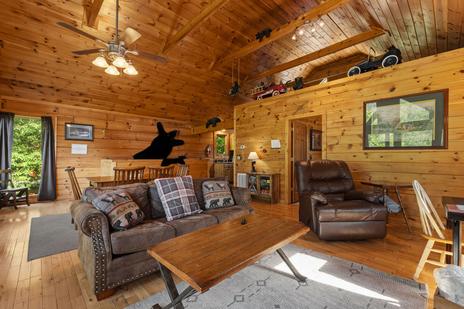
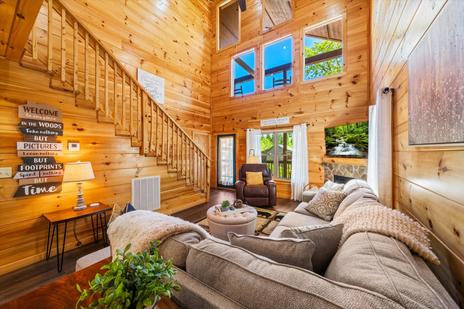
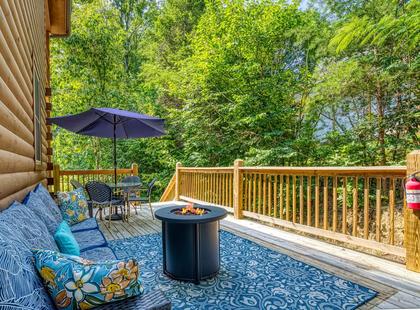
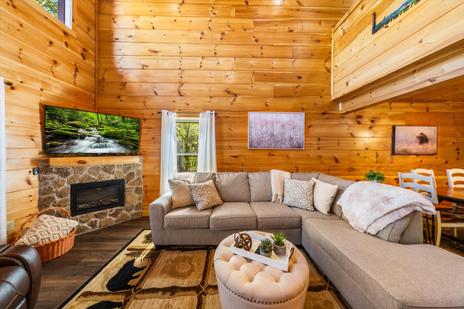
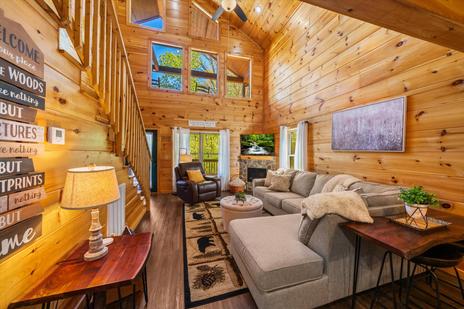
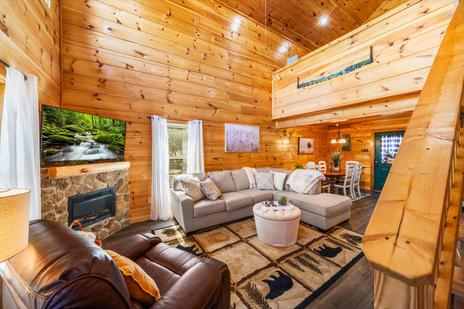
Browse family cabin rentals in Gatlinburg — a short drive from every educational experience on this list.