The Lost Logging Towns of the Smokies
Published Nov 21, 2026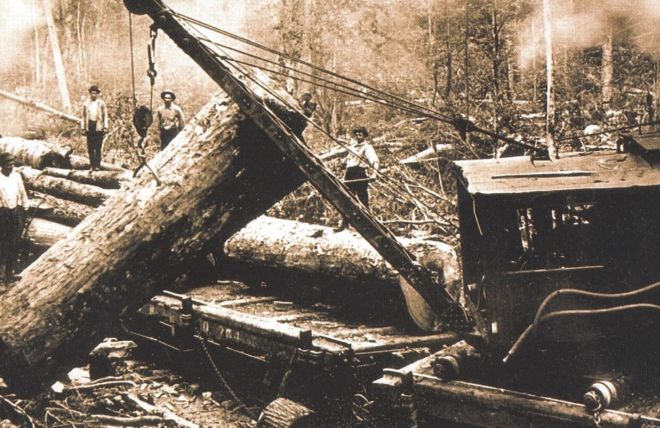
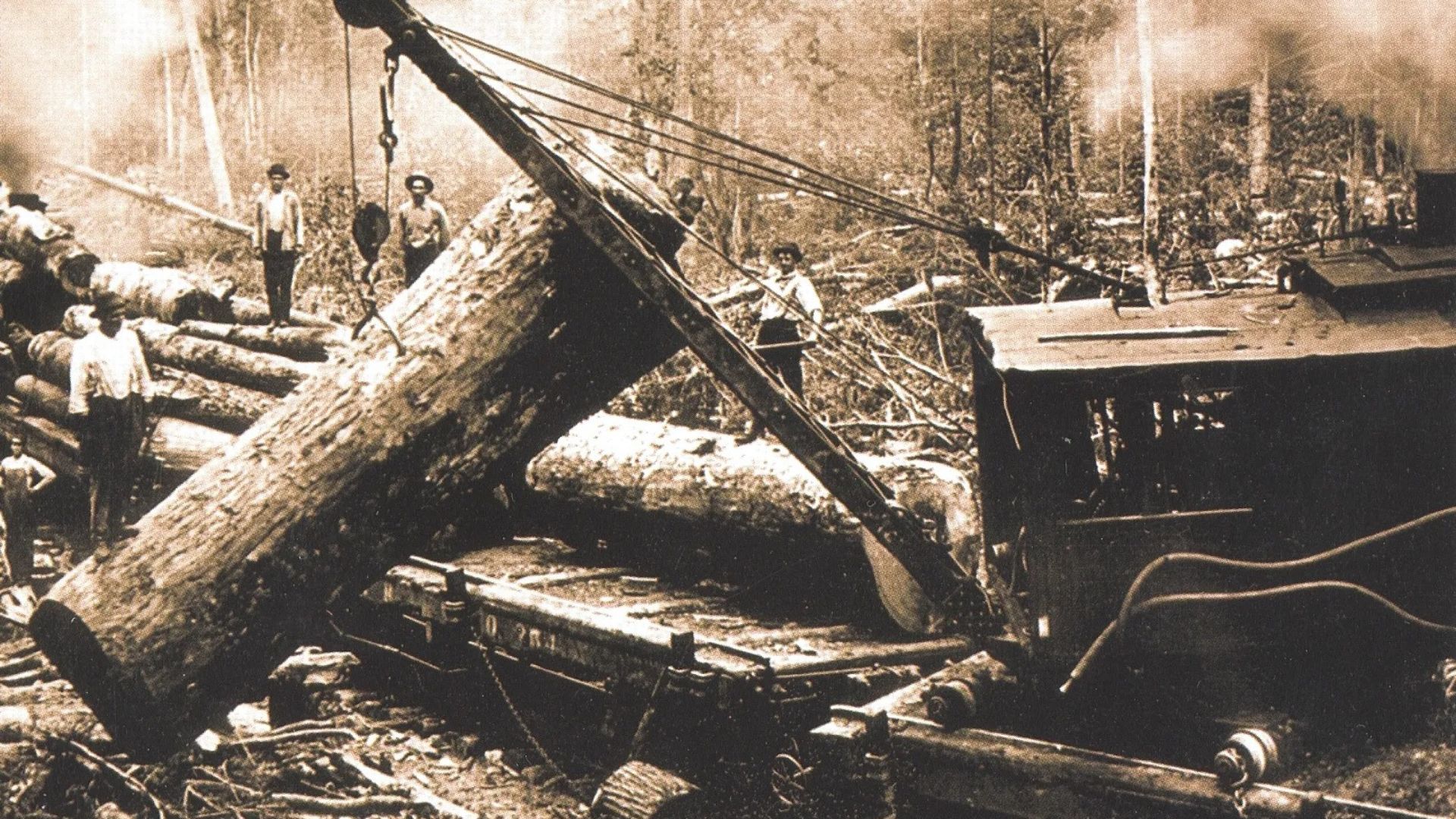
The deep, quiet forest of the Great Smoky Mountains looks like it has always been this way — untouched, timeless, wild. But a little over a century ago, parts of these mountains rang with the sound of saws, steam engines, and whole busy towns. In the early 1900s, the Smokies were one of the great logging frontiers of the eastern United States, and the industry built communities deep in the mountains that have since vanished almost without a trace. Walk certain trails today and you'll find the quiet remnants of them: a stone foundation, a rusting rail, a chimney standing alone in the trees. These are the lost logging towns of the Smokies, and their story is one of the most fascinating chapters in the mountains' past.
It's a history with two sides — a boom that reshaped the mountains, and the people whose communities ended when the forest became a park. Both are worth understanding.
When the Smokies were logging country
Before the national park existed, the Great Smoky Mountains held some of the finest stands of old-growth timber in the East, and in the early twentieth century large lumber companies arrived to harvest it. They built an astonishing infrastructure to do it: logging railroads that climbed improbable grades up the mountainsides, sawmills, company stores, schools, churches, and rows of houses for the workers and their families. Logging was hard, dangerous, and enormously productive, and for a few decades it was the engine of the Smokies' economy. Towns sprang up around the mills and the rail lines, full of life, deep in what is now protected wilderness.
One of the most important operators was the Little River Lumber Company, centered around Townsend on the Tennessee side, whose railroads reached far up the Little River and its tributaries into the heart of today's park. On the North Carolina side, large timber operations worked the Oconaluftee and Hazel Creek areas. Together they left a network of towns that, at their peak, were anything but quiet.
The towns themselves
Elkmont
Perhaps the best-known, Elkmont began as a logging town and then became a summer resort community, with a clubhouse and a cluster of cottages where well-to-do families escaped the heat. When the park was created, the logging ended and the community eventually wound down, leaving the preserved buildings of the Elkmont Historic District behind. It's the most accessible of the lost towns today — read our full guide to the Elkmont ghost town.
Tremont
Another Little River logging center, Tremont was a bustling mill town in its day. The industry is long gone, and the area is now home to an environmental education center, but the valley's logging past is still woven into the landscape.
Smokemont
On the North Carolina side near the Oconaluftee entrance, Smokemont was a large logging town built around a mill operation. Today the name survives as a campground, but it was once a sizable working community deep in the mountains.
Proctor and the Hazel Creek towns
Deep in the remote North Carolina backcountry, Proctor on Hazel Creek grew into a substantial lumber town. Its story has an extra layer: after the logging ended and the park was formed, the creation of nearby Fontana Lake cut off road access to the area, leaving it among the most isolated of all the lost communities. Reaching its remnants today is a genuine backcountry undertaking.
How the towns were lost
The logging boom carried the seeds of its own end. The intensive cutting of the early 1900s was exactly what alarmed the conservationists and citizens who pushed to protect what remained — and the movement to create a national park gathered force in the 1920s. As the park was assembled through the late 1920s and 1930s, the timber companies sold or surrendered their lands, the logging operations shut down, and the mill towns emptied out. The railroads were pulled up, the mills dismantled, and the forest began, slowly, to reclaim what the industry had cleared.
This is also the more human and more somber part of the story. The park was assembled from land where people lived and worked, and its creation meant the end not only of the logging towns but of the long-settled mountain communities around them. Families who had lived in these valleys for generations left so the park could exist. The quiet you feel on these trails today is real — but it's a quiet that came at a cost to the people who were here before, and the lost towns are their monument as much as the industry's.
Finding the remnants today
The traces of this vanished world are still out there for those who look. Along certain trails you'll come across old railroad grades now serving as footpaths, stone foundations and chimneys, rusting machinery, bits of old roadbed, and homesite clearings where the forest hasn't quite closed back in. Elkmont is the easiest place to see preserved structures up close, while the more remote towns ask for real hiking. Our guide to the park's hidden treasures and the story of the Walker sisters are good companions to this history.
Treat the remnants with respect. Everything you find — foundations, artifacts, rails, structures — is protected and part of the park's history. Look, photograph, and leave it exactly as it is. These are the remains of real communities, not a quarry for souvenirs.
Frequently asked questions
Were there really towns in the Smoky Mountains?
Yes — in the early 1900s, the Smokies were major logging country, and timber companies built whole towns deep in the mountains: mills, railroads, stores, schools, churches, and worker housing. When the national park was created in the 1920s–30s, the logging ended and the towns were abandoned.
What were the main lost logging towns?
Elkmont and Tremont on the Tennessee side (both tied to the Little River Lumber Company), and Smokemont and the Hazel Creek town of Proctor on the North Carolina side, among others. Each was a working community built around the timber industry before the park was formed.
Can you still visit the lost towns?
Yes, to varying degrees. Elkmont has preserved structures and is the most accessible. Others, like Proctor on Hazel Creek, are remote backcountry destinations that require serious hiking. Along many trails you'll find foundations, chimneys, old rail grades, and other remnants.
Why were the towns abandoned?
The heavy logging of the era helped spur the movement to protect the mountains, and as the national park was assembled in the late 1920s and 1930s, the timber operations shut down and the mill towns emptied. The park's creation also ended the long-settled mountain communities around them, as families moved out so the park could be formed.
Can I take artifacts I find on the trails?
No. All historic remnants — foundations, rails, machinery, structures, and artifacts — are protected parts of the national park. Look and photograph, but leave everything exactly where it is. They're the remains of real communities and are preserved for everyone.
Exploring the Smokies' hidden history is one of the quiet rewards of a longer, slower trip. Find a Smoky Mountain cabin near the Gatlinburg or Pigeon Forge side, and set out to find the traces of the mountains' vanished towns.