Historical Structures in Cades Cove You Must See
Published Jan 29, 2019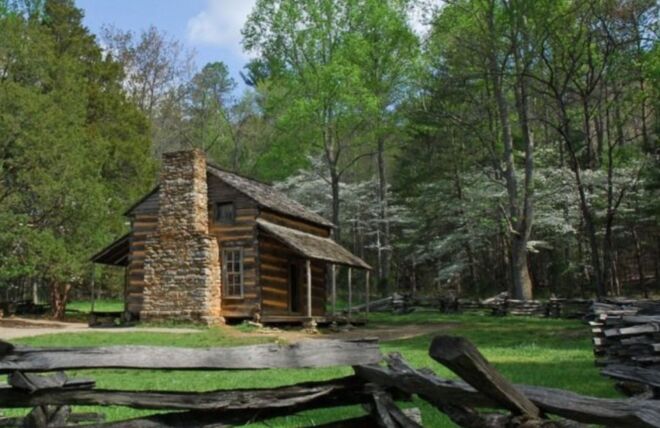
Before it became part of Great Smoky Mountains National Park, Cades Cove was a thriving mountain community of farmers, churchgoers, and millers. The National Park Service has preserved dozens of their cabins, churches, and barns along the 11-mile loop road — a rare open-air museum of Southern Appalachian life. Here are ten historic structures you shouldn't miss.
1. The John Oliver Cabin
The first stop along the loop and the oldest structure in the cove, the John Oliver Cabin was built in the 1820s when John and Lucretia Oliver became the first permanent European settlers in Cades Cove. Remarkably, it was constructed without nails — held together by notched logs and gravity — and it stayed in the Oliver family for more than 100 years before the park acquired it. It's a simple, moving reminder of how the valley's first family lived.
2. The Primitive Baptist Church
The first church established in Cades Cove, the Primitive Baptist congregation formed in 1827, though the white frame building you see today was built in 1887 (the congregation met in a log structure before that). It closed during the Civil War because its members were Union sympathizers in a largely Confederate region. Step inside to see the simple pews facing the preacher's stand, and visit the adjacent cemetery — the oldest in the cove — where John Oliver and other founding settlers are buried. You'll find it at the first turnoff after the John Oliver Cabin.
3. The Cades Cove Methodist Church
Built in 1902, the Methodist Church is one of the most photographed buildings in the cove. It has an unusual feature: two front doors, following a Methodist custom of separate entrances for men and women (though this congregation reportedly seated families together anyway). The white clapboard structure and its setting against the mountains make it a favorite for photographers, especially in early morning light.
4. The Cades Cove Missionary Baptist Church
The Missionary Baptist Church was formed in 1839 by members who split from the Primitive Baptist congregation over the question of missionary work. The current building dates to 1915. Like the other churches, it was as much a social anchor as a religious one for a community whose homesteads were often far apart. It's a quieter stop than the two better-known churches but completes the picture of the cove's spiritual life.
5. The Elijah Oliver Place
Elijah Oliver — son of first settlers John and Lucretia — left the cove during the Civil War and returned in 1865 to build this cabin complex, reachable by a short walk from the loop road. The dog-trot-style main cabin has a detached kitchen and a small "Stranger's Room" off the porch, which offered overnight lodging to travelers passing through. The complex also preserves a springhouse, smokehouse, corn crib, and barn, giving one of the fullest pictures of a working homestead in the cove.
6. The John Cable Grist Mill
Built by John P. Cable in 1867–68, the Cable Mill is the centerpiece of the Cades Cove visitor area at roughly mile 5.4, and it still operates. The Great Smoky Mountains Association runs it from spring through fall, and you can watch the overshot water wheel turn the original stones — and buy cornmeal or flour freshly ground on-site as a genuinely unique souvenir. The mill was vital to the community, sparing farmers the grueling work of grinding grain by hand.
7. The Becky Cable House
Standing next to the mill, this house was built in 1879 by Leason Gregg, who ran a store on the ground floor and lived upstairs. It was later bought by Dan and Rebecca "Becky" Cable, children of miller John Cable. When Dan fell ill, Becky took over — herding cattle, running the gristmill, and managing the property as a single businesswoman, unusual for the era. The NPS relocated the house from Forge Creek Road to its current spot beside the mill.
8. The Henry Whitehead Cabin
The Henry Whitehead Place is the last "transitional" home still standing in the national park — built in a hybrid style that's half traditional log cabin, half frame construction with sawed lumber. Henry Whitehead built the large home for Matilda Shields Whitehead, a single mother he married after her first husband abandoned her, to raise her children alongside his own daughters. It sits along Forge Creek Road, a few minutes from the visitor center.
9. The Dan Lawson Place
Built in 1856 by Dan Lawson and his father-in-law Peter Cable, this cabin is unusual for its time and place: it has a brick chimney, with the bricks made on-site during construction. Lawson went on to become the largest landowner in the cove after the Civil War, and for a time he ran a post office out of the cabin's covered porch. The homestead includes a barn, smokehouse, and granary, and sits about three-quarters of the way around the loop.
10. The Tipton Place and Myers Barn
Near the far end of the loop, the Tipton Place (built in the 1870s, sometimes called the Tipton-Oliver Place) is best known for its oft-photographed double-cantilever barn — a distinctive Appalachian design with the upper level overhanging the base on both sides. Nearby, the Myers Barn (1920) is another classic cantilever structure. Together they showcase the barn-building tradition that defined the cove's working farms, and both are among the most photographed spots on the drive.
Visiting the historic structures
All these structures sit along the one-way, 11-mile Cades Cove Loop Road, open year-round from sunrise to sunset. Each site has a small parking area, and you're welcome to walk inside the cabins and churches, explore the interiors, and take photos — just keep visits brief when parking is tight so others can stop too. From early May through late September, the loop is closed to vehicles every Wednesday for walking and biking, which is the most peaceful way to tour the homesteads. Pick up a self-guiding tour booklet at the entrance, and remember a Park It Forward parking tag ($5/day) is required for stops over 15 minutes.
Frequently asked questions
What is the oldest building in Cades Cove?
The John Oliver Cabin, built in the 1820s by the cove's first permanent European settlers, is the oldest structure — and it was built entirely without nails. It's the first historic stop along the loop road and stayed in the Oliver family for over a century.
Can you go inside the cabins and churches in Cades Cove?
Yes — visitors are welcome to walk inside most of the preserved cabins, churches, and the grist mill, explore the interiors, and take photos. Each site has limited parking, so keep your visit efficient when it's busy. The Cable Mill operates spring through fall, where you can watch it grind grain and buy fresh cornmeal.
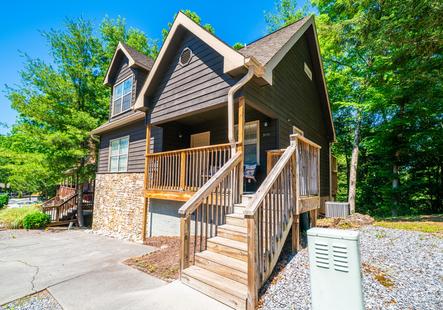
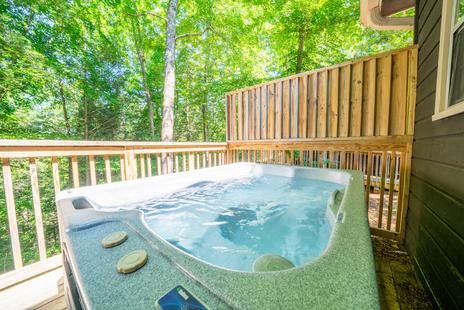
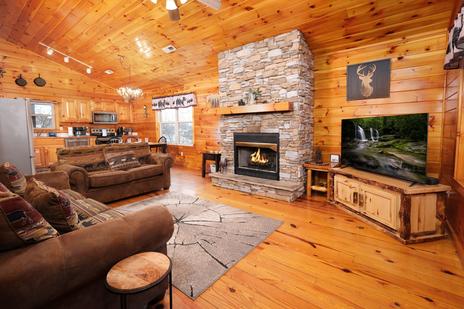
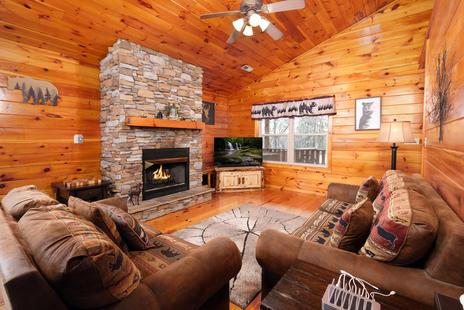
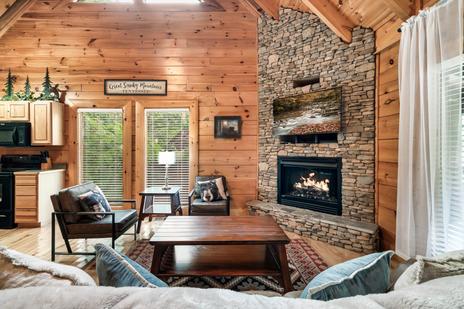
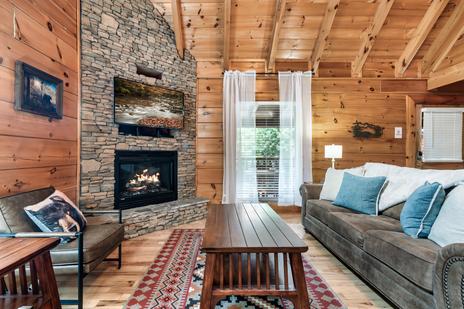
Stay in a cabin near Cades Cove to be on the loop road at sunrise, when the historic homesteads are quiet and the light is best.