The 5 Best Hiking Trails in the Smoky Mountains for History Buffs
Published Dec 16, 2022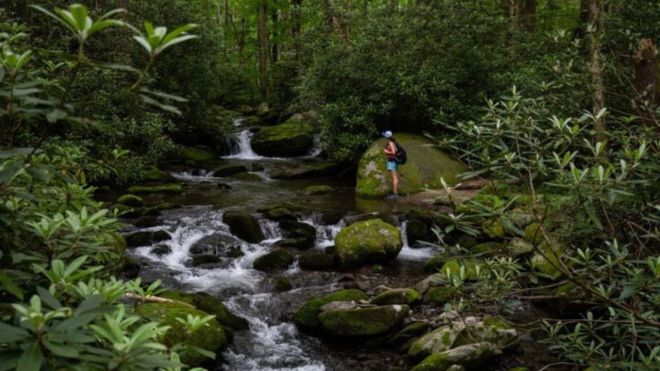
Great Smoky Mountains National Park was settled by Cherokee and Scots-Irish mountain families for centuries before the park was established in 1934. Dozens of trails pass through the evidence of that history — abandoned homesteads, historic churches, Civil War-era structures, and communities that chose not to leave quietly. Here are five trails where the history is as compelling as the scenery.
Alum Cave Trail — Geology, logging, and the LeConte Lodge
The Alum Cave Trail to the summit of Mount LeConte is a 10.6-mile round trip and one of the most storied hikes in the Smokies. The trail's historical layers begin at the trailhead: the "alum cave" that gives the trail its name is not actually a cave but a large bluff of hardened sulphur compounds — alum, saltpeter, and Epsom salts — that was actively mined during the Civil War era for the production of alum and saltpeter used in medicine and gunpowder. Confederate forces operated a saltpeter works here during the war, and traces of the mining operation are still visible in the rock formation.
Higher on the trail, the path passes through the remnants of the old logging railroad corridor used by the Champion Fibre Company and Little River Lumber Company in the early 20th century, when commercial logging operations clear-cut large sections of the Smokies before the national park's establishment ended the practice. LeConte Lodge at the summit — the only overnight lodge inside the national park accessible only by trail — has operated continuously since 1926, making it one of the oldest backcountry lodges in the eastern United States.
Porters Creek Trail — Greenbrier and the pre-park settlement
The Porters Creek Trail in the Greenbrier area is one of the best history hikes in the park for what it reveals about the pre-park mountain community. The Greenbrier Cove was one of the most densely settled areas in the Smokies before the park's establishment, and the trail passes through what remains: a historic barn in excellent condition near the trailhead, a well-preserved stone wall and chimney remnants, and several cleared homesites where families lived and farmed before being required to leave when the park was established in the 1930s. The Ownby Cemetery, just off the trail, holds the graves of Greenbrier Cove families dating from the 19th century.
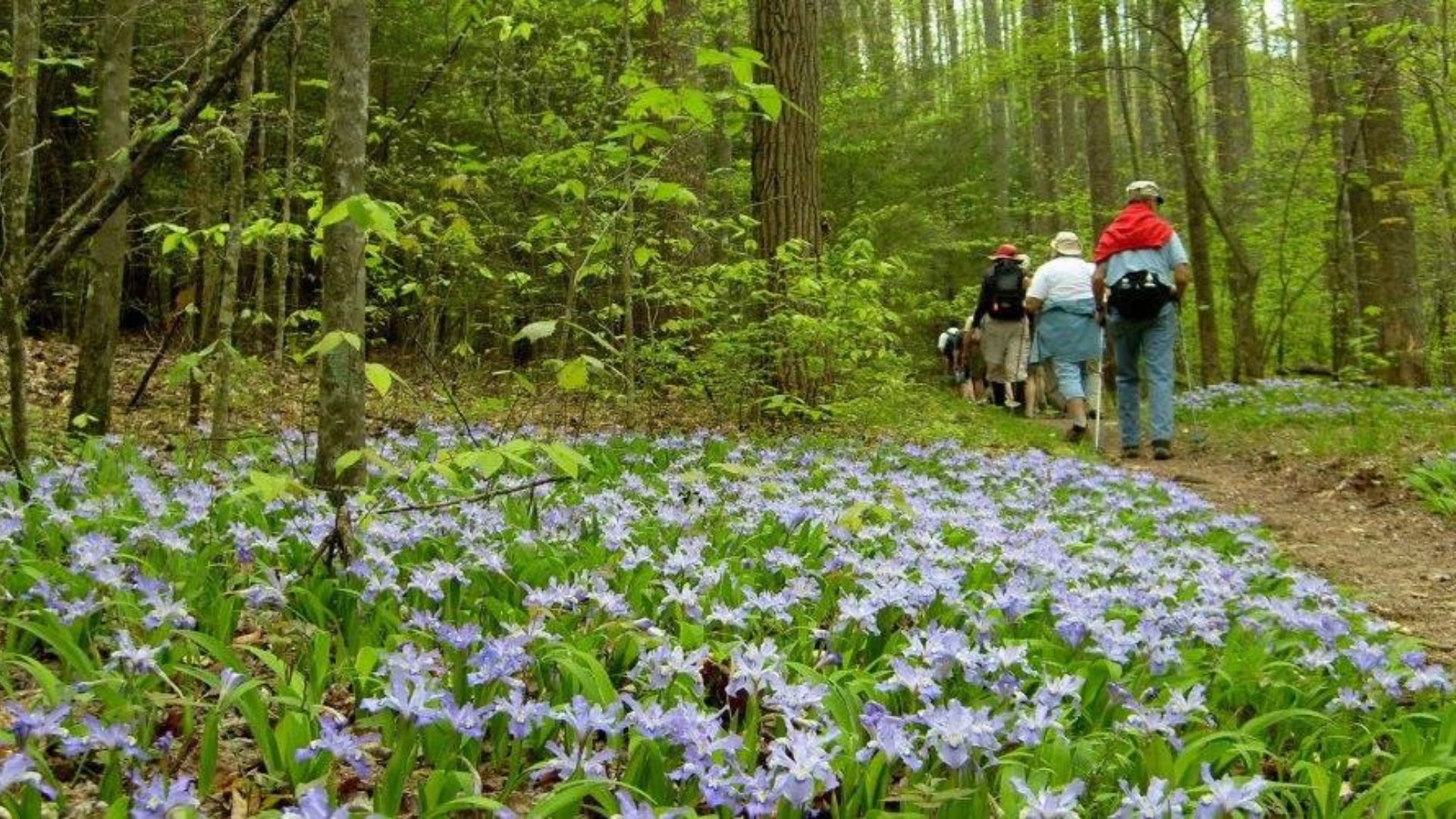
Beyond the historic structures, the trail continues through old-growth cove hardwood forest — one of the finest examples of mature Appalachian forest remaining in the eastern United States — and ends at a cascade in the upper drainage. The spring wildflower display along the lower trail is among the best in the park, which means the Porters Creek Trail rewards history-focused visitors and nature-focused visitors equally.
Cataloochee Valley — Elk, homesteads, and a community that resisted
Cataloochee Valley in the North Carolina section of the park is the most intact historic settlement area in the Smokies — a large valley with several preserved historic structures and one of the most complicated histories in the region. The Cataloochee community had over 1,200 residents before the park's establishment; many families fought the condemnation of their land through the courts and resisted relocation for years. The valley retains the Palmer House (1860s), the Beech Grove School (1901), the Palmer Methodist Church (1898), and the Caldwell House, all in excellent preservation and open for visitors to walk through.
The Caldwell Fork Trail that runs through the valley passes historic homesites and stone walls built by settlers in the 19th century. Cataloochee is also one of only two areas in the park where elk were reintroduced in 2001 — descendants of the elk herd that was present in the Appalachians before being hunted to regional extinction by the late 1800s. Seeing elk grazing in an open meadow surrounded by historic buildings is an experience unique to Cataloochee in the National Park System.
Roaring Fork Motor Nature Trail — Settlement, industry, and Cherokee connection
The Roaring Fork Motor Nature Trail is a 5.5-mile one-way scenic drive with multiple historic stops, including some of the best-preserved historic structures in the park. The Alfred Reagan Place — a grist mill, tub mill, and house on the creek — represents the self-sufficient Appalachian homestead in near-complete form. The Jim Bales Place, Noah "Bud" Ogle Nature Trail, and the Ephraim Bales Cabin are additional structures along the route, each representing a different facet of mountain settlement life.
The Cherokee connection runs through the entire watershed: the Roaring Fork drainage was part of the territory of the Overhill Cherokee before European settlement, and the trail itself follows a route that was used for centuries before any European arrived. The Cherokee village of Tsiyahi (the "Place of the Otter") was located near what is now the Roaring Fork watershed before the forced relocation of the Cherokee Nation in the 1830s. Roaring Fork Motor Nature Trail closes in winter — typically November through March.
Little River Trail — The logging railroad corridor
The Little River Trail follows the bed of the Little River Lumber Company railroad — one of the largest logging operations in the history of the Appalachian South — for much of its length. Between 1901 and 1939, the Little River Lumber Company operated an extensive narrow-gauge railroad network through the Smokies to transport timber to the mill in Townsend, Tennessee. The railroad grades are now hiking trails: level, well-maintained, and historically significant as the physical footprint of an industry that clear-cut the old-growth forest of the western Smokies before the national park's establishment ended the operation.
The trail passes the remains of the logging camp at Cucumber Gap, old railroad ties partially buried in the trail surface, and interpretive markers that explain the logging history. The Little River itself — running clear and cold alongside the trail throughout — was dramatically altered by the logging operations, which caused significant erosion and silting before the forest recovered after the park's establishment. The combination of easy terrain, historical significance, and the river scenery makes the Little River Trail one of the best introductory hikes in the park for visitors interested in the Smokies' industrial history.
Frequently asked questions
Are dogs allowed on these trails?
No — dogs are not permitted on any backcountry trails in Great Smoky Mountains National Park. Dogs are only allowed on paved surfaces, in campgrounds, and in picnic areas. This applies to all five trails above. If you're hiking with a dog, the Gatlinburg Trail and the Oconaluftee River Trail in Cherokee are the two park trails where dogs are permitted on-leash.
Can I pick up artifacts or arrowheads I find on the trails?
No — removing any artifact, object, or natural material from a national park is a federal offense. This includes arrowheads, pottery shards, structural fragments from historic buildings, and any other cultural or natural resource. If you find something historically significant on a trail, photograph it and report the location to a park ranger or visitor center.
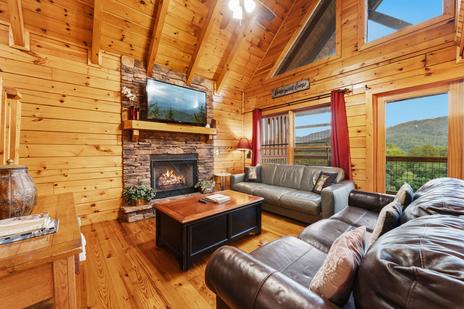
A Wears Valley cabin rental provides easy access to the western park entrances closest to the Little River Trail and Cataloochee approach via I-40.