5 Best Places to See Beautiful Fall Foliage in the Smoky Mountains
Published Sep 14, 2022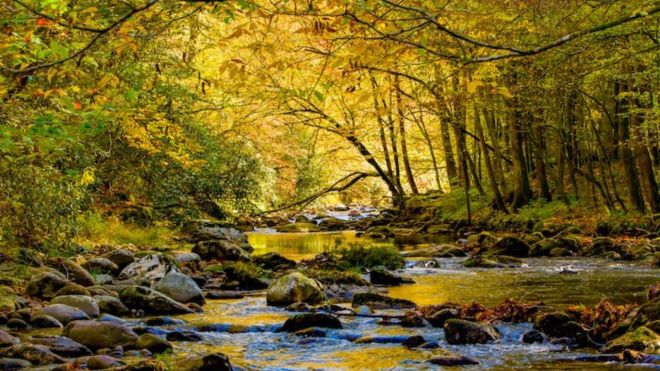
Fall color in Great Smoky Mountains National Park is one of the most spectacular in the eastern United States — over 100 species of deciduous trees turning across six weeks, with the progression sweeping down from the high ridges to the valley floors in sequence. These five locations give you the best views of it.
Cades Cove
Cades Cove is the most accessible fall foliage destination in the park — an 11-mile loop road through an open valley that shows the color in a way forested trail corridors can't. The surrounding ridgelines turn in October while the cove's meadow floor remains green, creating the visual contrast of color-framed open pasture that makes fall photography here so distinctive. The historic structures — barns, churches, cabins — frame the fall color in the background. The Cades Cove loop is open to vehicles on Wednesdays through Sundays in fall; the loop is reserved for bicycles and pedestrians on Wednesdays and Saturdays until 10 AM. Arrive before 8 AM for the best combination of light, wildlife, and parking. A Park It Forward tag is required.
Newfound Gap Road
Newfound Gap Road (US-441) is the main trans-mountain highway through the park, climbing from Gatlinburg at roughly 1,400 feet to Newfound Gap at 5,046 feet. In fall, driving this road from the valley floor to the gap gives you a complete traverse of the fall color gradient — you enter the turning hardwood zone around 2,500 to 3,000 feet, pass through peak color at mid-elevations, and emerge above the tree canopy at the gap overlooks. The color peak at mid-elevation (around the Chimneys Picnic Area and Alum Cave Bluffs pulloffs) typically falls in the third week of October. Multiple pull-offs along the road allow for photography stops without requiring a hike. The drive from Gatlinburg to Newfound Gap takes 30 to 40 minutes under normal conditions; allow more on peak fall weekends. A Park It Forward tag is required for any parking pull-off.
Kuwohi (Clingmans Dome)
At 6,643 feet, Kuwohi is the highest point in the park — and in fall, the 360-degree view from the observation tower looks out over the full color sweep of the Smokies from above. The perspective from the summit is qualitatively different from valley-level foliage viewing: you see the color moving across miles of ridgeline simultaneously, with the gradient from gold at mid-elevation through bare branches at the summit visible in a single panorama. The color at Kuwohi's elevation peaks earlier than the valleys — typically the first two weeks of October — with the peak shifting progressively later as you move to lower elevations. Kuwohi Road (the access road from Newfound Gap) is closed from December through March; check current road status in late-season weather. A Park It Forward tag is required.
Roaring Fork Motor Nature Trail
The Roaring Fork Motor Nature Trail is a 5.5-mile one-way scenic drive that runs through dense woodland and past historic structures — and in fall, the tree canopy overhead transforms into a tunnel of yellow, gold, and orange. The old-growth hardwoods along the lower trail sections, including large yellow birch and tulip poplar, produce the richest color on this route, typically peaking in the third and fourth weeks of October. The forested character of Roaring Fork creates a different visual experience than the open panoramas of Cades Cove or Kuwohi — more intimate, with color at arm's length rather than across a valley. Roaring Fork closes seasonally, typically November through March. No vehicles over 20 feet; no trailers.
Deep Creek Area
The Deep Creek area in the Bryson City, North Carolina entrance of the park is one of the least-visited and most beautiful fall destinations in the Smokies. The Deep Creek trail system follows the creek through cove hardwood forest — tulip poplar, sweetgum, red maple, and sourwood — that produces some of the richest fall color in the park. The lower elevation (around 1,800 feet at the trailhead) means the Deep Creek color peak comes later than the high-country destinations, typically late October into the first week of November, extending the fall viewing window after the mid-elevation peaks have passed. The Juney Whank Falls trail (0.6 miles RT) and the Indian Creek Falls trail (2 miles RT) are both accessible from the Deep Creek trailhead and offer fall foliage paired with waterfall scenery.
Frequently asked questions
When is peak fall foliage in the Smoky Mountains?
The color peaks sweep through the park over approximately six weeks, from early October at the highest elevations to early November at the lowest. High elevations (Kuwohi, the Appalachian Trail ridge): first two weeks of October. Mid-elevations (Newfound Gap Road, mid-slope forests): third and fourth weeks of October. Lower elevations (Cades Cove, Deep Creek): late October through early November. The two weeks straddling Halloween are the peak window for the broadest color across most elevations simultaneously.
What are the best times of day to photograph fall foliage in the park?
Early morning offers the best combination of light quality and low traffic. In Cades Cove, arriving before sunrise positions you for the morning light on the color-framed meadow and for the wildlife that moves through before cars arrive. On Newfound Gap Road, mid-morning after sunrise gives clear light for pull-off photography before midday haze. Overcast days produce saturated, glare-free color that is often preferable for photography to direct sun.
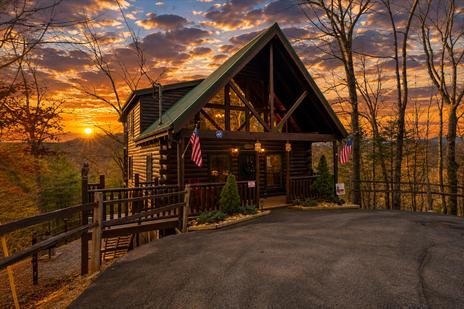
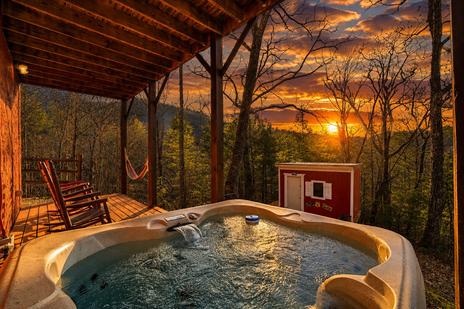
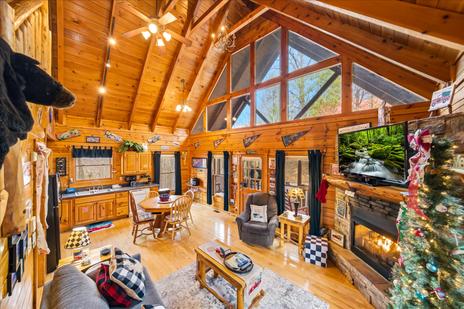
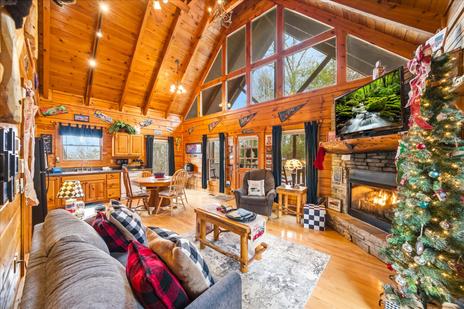
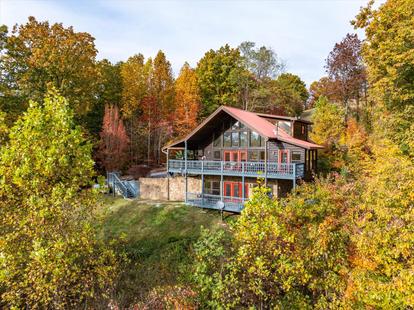
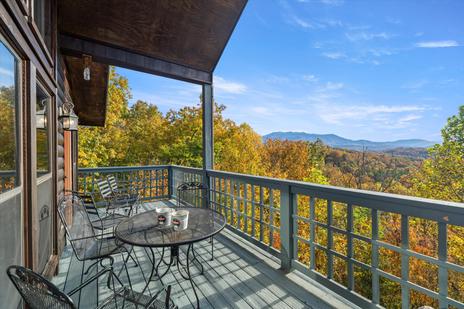
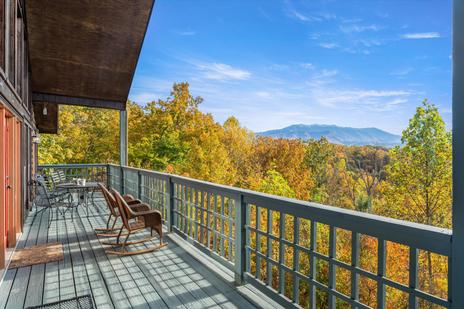
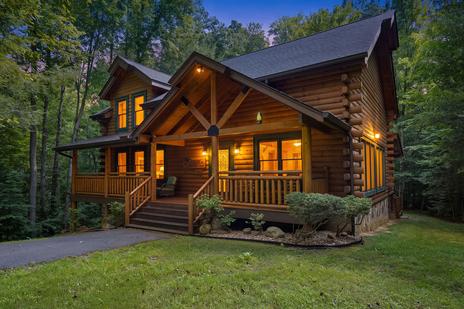
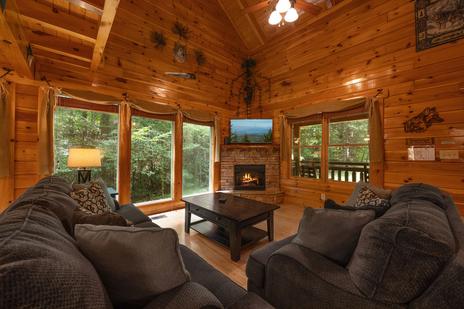
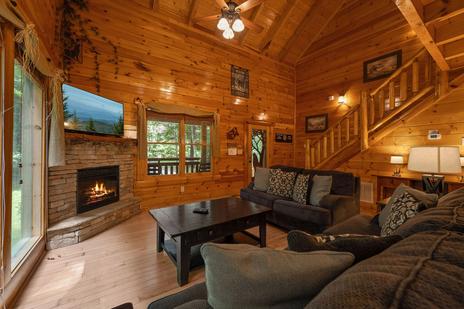
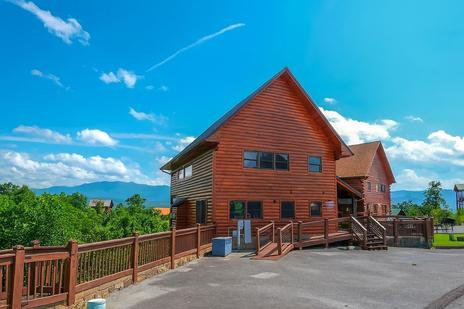
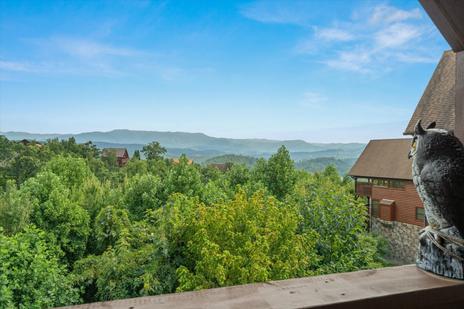
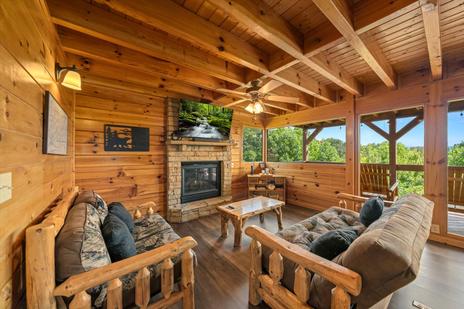
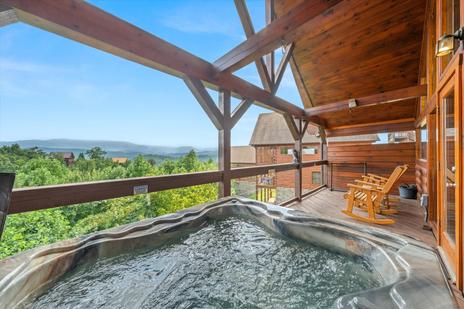
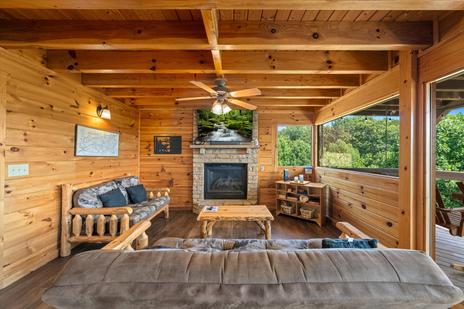
A fall cabin rental puts you in the middle of the color — wake up to it outside your window before you drive into the park. Cabins near Cades Cove and Wears Valley cabins give you the quickest access to the western park entrances.