What to Pack for Your Stay in a Pigeon Forge Cabin
Published Jun 28, 2024
Every Colonial Properties cabin arrives stocked with bed linens, bath towels, and a fully equipped kitchen. What it can't stock is your pantry staples, your preferred toiletries, the gear for your specific trip, and the personal items that make a rental feel like yours. Here's what to bring — organized by category, cabin-specific where it matters.
Clothing
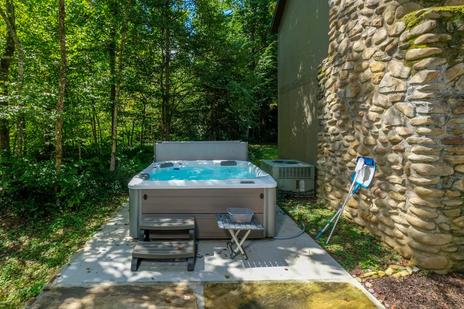
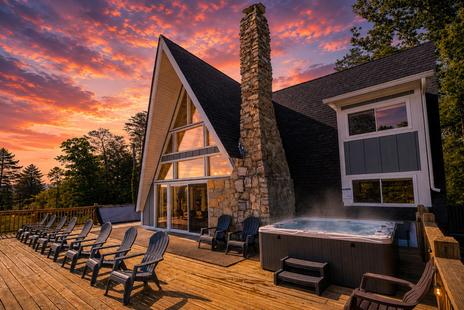
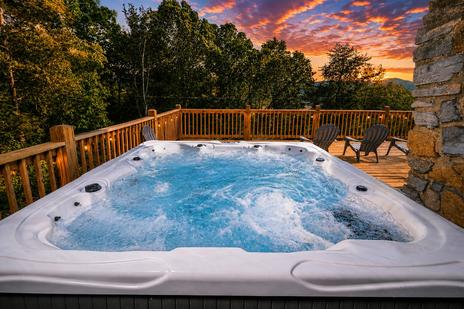
Smoky Mountain weather is more variable than most visitors expect, and the variability is vertical — temperatures drop roughly 3–5°F per 1,000 feet of elevation, so a warm afternoon in Pigeon Forge (elevation ~1,000 ft) can become a genuinely cold morning on the Appalachian Trail ridge at 5,000 feet. The practical approach: pack in layers regardless of season. T-shirts, a long-sleeve mid-layer, a fleece or sweatshirt, and a waterproof outer shell covers the full range for spring and fall. Summer visitors still want a light jacket for early mornings in the park and for air-conditioned attractions. Swimwear is worth packing for any stay — even in winter, if your cabin has a hot tub or private pool. Sturdy closed-toe shoes or hiking boots are essential for national park trails; don't rely on sneakers for anything with elevation change. Extra socks: always more than you think you'll need.
Toiletries
Cabins provide basic starter supplies — a small bar of soap, a roll of toilet paper — but not a full personal care kit. Bring your preferred shampoo, conditioner, body wash, toothpaste, deodorant, and any skincare items you use daily. Sunscreen and insect repellent are the two most commonly forgotten items on a Smoky Mountain trip: the national park trails can be buggy in summer, and UV exposure on open ridgelines is significant even on overcast days. A basic first-aid kit — bandages, ibuprofen, antihistamine, blister treatment — rounds out what you should have on hand, particularly for families with children. All prescription medications should travel in your carry-on or personal bag, not checked luggage or car trunks.
Kitchen and Food
The cabin kitchen has everything you need to cook — cookware, utensils, dishes, a full-size refrigerator, oven, and stovetop. What it doesn't stock is your pantry. Bring cooking oils, spices, condiments, and any specialty ingredients you use regularly. Pigeon Forge grocery stores — Kroger, Food City, and Publix — are all close by and stock everything you'd need, but stopping on the way in before heading to the cabin saves you the first-night grocery run. For a multi-night stay, a simple meal plan made before departure prevents the daily "what are we eating" delay and helps you shop efficiently on arrival. Pack a cooler for road-trip snacks and for perishables if you're driving a distance — and reusable ice packs freeze overnight and are ready for day trips to the national park each morning. If you plan to hike with a packed lunch, bring sandwich bags, containers, and a soft-sided day pack cooler.
Outdoor and Activity Gear
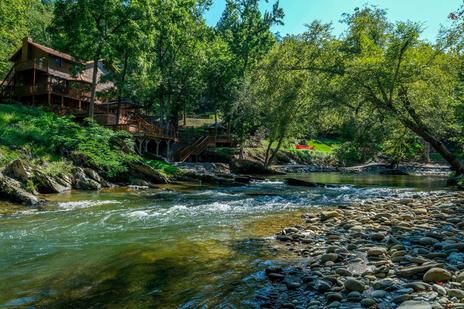
Pack based on your specific plans rather than a generic outdoor checklist. For national park hiking: a daypack with a bladder or water bottles (park water sources are not reliably accessible), trekking poles if you use them, and a trail map downloaded offline before you lose cell service inside the park. For wildlife watching: binoculars — they transform distant shapes in the treeline into identifiable animals. For riverfront cabin stays with fishing planned: rods, tackle, and a Tennessee fishing license purchased online before arrival. For families planning pool or hot tub time: pool toys, water shoes, and extra towels beyond the cabin's supply. For fire pit evenings: s'mores supplies (the cabin has the fire pit, not the marshmallows), a lighter, and a Bluetooth speaker if you want music. Check the amenity list on your specific cabin listing before packing — a cabin with a game room already has the pool table; you don't need to bring one.
Entertainment
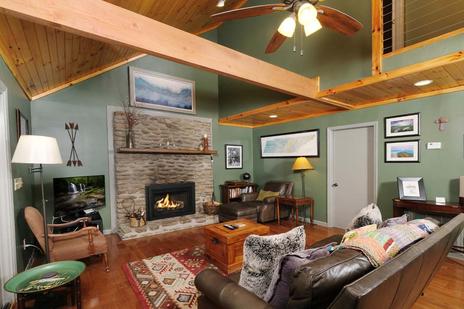
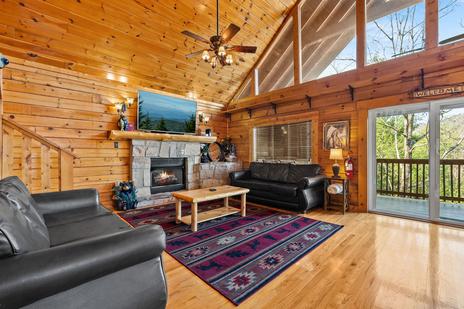
If your cabin has a fireplace (operational October 1 through late February), the evenings take care of themselves. For cabins without a fireplace or for summer trips, the entertainment you bring fills the gap. Board games and card games work better in a cabin setting than they do at home — no distractions, nowhere to be, actual time. Bring the ones the group actually plays, not aspirational selections. If the cabin has a theater room, your streaming login credentials are the only entertainment you need; bring them. Books, downloaded podcasts, and offline playlists all require planning before you lose cell service on a mountain road. For families with young children: a small bag of art supplies, a few small toys, and a couple of familiar movies handles any weather day without requiring a full packing strategy.
Practical Items
Chargers for every device in the group — the cabin has outlets but not your cables. A portable battery pack for trail days when the phone is navigating and photographing simultaneously and draining fast. Laundry detergent if your cabin has a washer and dryer and you're staying long enough to use it — the cabin doesn't stock it. Zip-lock bags in two sizes: road snacks, trail food, and leftover storage all use them. Paper towels and plastic wrap, which the cabin doesn't stock. If you're bringing a pet to a pet-friendly cabin: food, bowls, leash, waste bags, and any bedding your dog prefers — the cabin has the yard, not the supplies. Confirmation documents, check-in instructions, and the cabin's door code should be accessible offline; screenshot or print them before you lose cell service on the drive in.
Frequently Asked Questions
What does the cabin already provide?
All Colonial Properties cabins include bed linens, bath towels, a fully equipped kitchen with cookware and utensils, and basic starter paper products. What's not included: pantry items, toiletries beyond starter soap, specialty cookware, laundry detergent, and any activity-specific gear. When in doubt, check the individual cabin listing — each one notes what's stocked.
Where do I grocery shop in Pigeon Forge?
Kroger, Food City, and Publix all have full-service locations in Pigeon Forge. Stopping on the way into town before heading to the cabin is the most efficient approach — you'll need the groceries immediately and the Parkway can get congested on peak afternoons. Gatlinburg has a Food City if you need to resupply during a Gatlinburg-based trip.
Do I need a Tennessee fishing license?
Yes, if you plan to fish the Little Pigeon River or other open waters — for anglers 13 and older. Purchase online at GoOutdoorsTennessee.com before your trip. Children under 13 fish free. If fishing in Gatlinburg-managed waters specifically, an additional Gatlinburg municipal permit is required.