What to Pack for Your Pup: A Guide for Staying in Our Pet-Friendly Cabins
Published Oct 11, 2024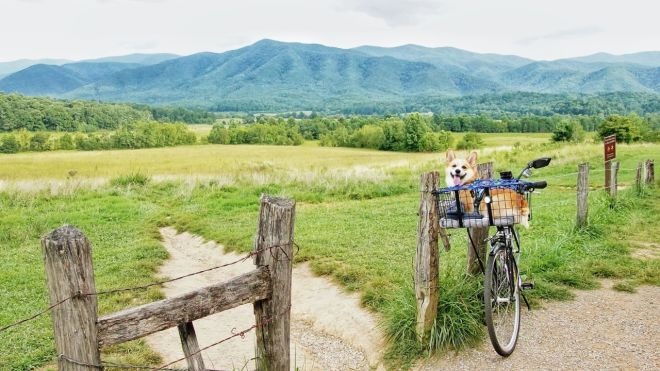
Bringing the dog changes a Smoky Mountains trip in the best way — the national park trails, the cabin deck, the fire pit evenings — but it also requires some planning. Here's what to know and what to pack before you go.
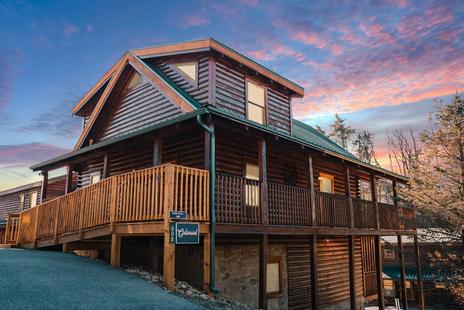
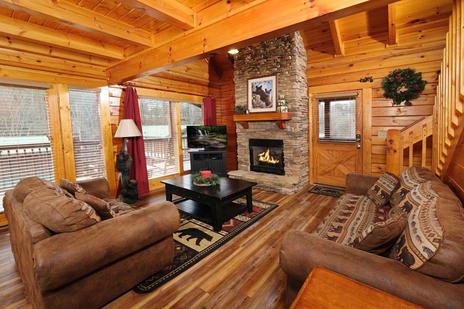
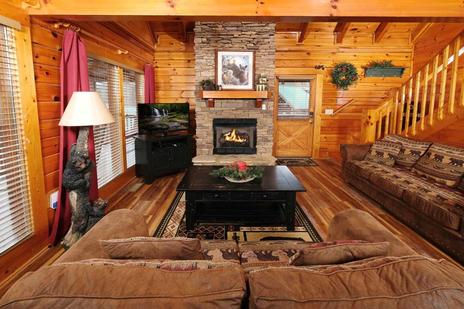
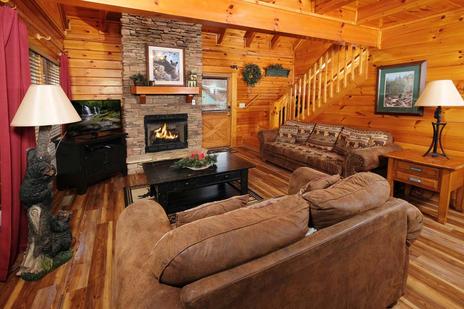
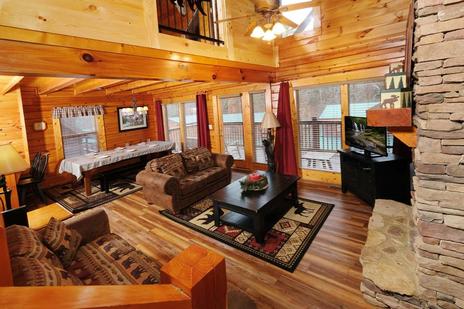
Start With the Right Cabin
Not every Colonial Properties cabin allows pets — filter your search to pet-friendly cabins from the beginning so you're only looking at properties that accept dogs. Some pet-friendly cabins have specific pet policies — weight limits, number of pets, crating requirements when guests leave the cabin — so review the individual cabin's pet policy before booking rather than assuming all pet-friendly cabins have identical rules. Confirming the pet policy in advance prevents surprises at check-in.
Dogs in Great Smoky Mountains National Park
The park's dog policy is more restrictive than most visitors expect: dogs are prohibited on all hiking trails in Great Smoky Mountains National Park with two exceptions. The Gatlinburg Trail (starting from the Sugarlands Visitor Center, running along the West Prong of the Little Pigeon River into Gatlinburg) and the Oconaluftee River Trail (starting from the Oconaluftee Visitor Center near Cherokee, NC, running along the river) are the only two trails in the park where leashed dogs are permitted. Dogs are also allowed in developed campgrounds, picnic areas, and along paved roads — but not on any backcountry or frontcountry trails beyond these two.
The restriction exists to protect both the park's wildlife and dogs themselves — wildlife in the Smokies includes black bears, coyotes, and wild boar, any of which can behave aggressively toward dogs. A leashed dog on the Gatlinburg Trail or Oconaluftee River Trail is the right national park experience for most dogs; off-trail or off-leash is not an option anywhere in the park. Cades Cove allows dogs in picnic areas and the campground but not on the walking trails. Verify current pet rules at nps.gov/grsm before your visit — rules can change.
Identification and Safety Gear
Update your dog's ID tag before leaving home — the tag should include the phone number you'll have with you during the trip, not a home landline or another number you won't answer while you're in the Smokies. If your dog isn't microchipped, this is the moment to consider it: a lost dog in an unfamiliar mountain environment is considerably harder to recover without a chip. Bring a collar and leash, plus spares of both — the Smokies terrain is harder on gear than a suburban sidewalk, and a leash that breaks on a trail is a genuine problem. A harness is preferable to a collar-only setup for dogs that pull on leash, particularly on uneven terrain.
Food, Water, and Crating
Pack your dog's regular food — brand-switching mid-trip is a reliable way to produce digestive issues at an inconvenient moment. Bring more than you think you'll need, in airtight containers or sealed bags to keep it fresh and smell-contained in a cabin environment. Collapsible travel bowls are the most practical option for water and food on trail days. Bring enough water for the dog on any hike; the national park has stream water, but not at every trailhead or picnic area.
If your cabin's pet policy requires crating when you leave dogs unattended, bring the crate — don't plan to purchase or borrow one on arrival. Even if crating isn't required by the cabin policy, a crate gives your dog a familiar, secure space in an unfamiliar environment and reduces the risk of stress-related behavior while you're out. A dog that's comfortable in a crate at home is easier to manage in a cabin.
Tick and Flea Prevention
Ticks are prevalent in the Smoky Mountains — in the leaf litter, in the grass at trailheads, and along any trail edge. Ensure your dog is current on tick and flea preventative treatment before leaving home; don't rely on applying treatment when you arrive. The most effective preventatives require advance application (several days to a week before exposure for some products). Check your dog thoroughly after any outdoor time — ears, neck, between toes, underarms, and around the tail. Carry tweezers in your first aid kit for safe tick removal if one is found attached. The Smokies region has a full range of tick species including blacklegged ticks that can carry Lyme disease.
First Aid Essentials
A basic canine first aid kit for a Smokies trip should include: gauze pads and self-adhesive bandage wrap for cuts and paw injuries; antiseptic wipes; tweezers for tick removal; a digital thermometer (normal dog temperature is 101–102.5°F); diphenhydramine (Benadryl) for insect sting reactions — confirm the correct dosage with your vet before the trip; any prescription medications your dog takes regularly; and your veterinarian's phone number and the number for an emergency vet clinic near Pigeon Forge or Gatlinburg. Mountain terrain produces paw cuts, scrapes, and the occasional sting in a way that suburban walks don't — being prepared is the difference between a minor inconvenience and an emergency.
Comfort Items and Cabin Etiquette
Bring your dog's bed or a familiar blanket — a dog in an unfamiliar environment sleeps better with something that smells like home, and a familiar sleep spot reduces anxiety-related nighttime behavior. Old towels are useful for post-trail paw wipes and muddy fur before the dog comes back inside; the cabin's linens and furniture are part of the property, and keeping the dog's outdoor mess off them is the right approach for maintaining the pet-friendly status of the cabin for future guests.
Waste bags are non-negotiable — pack more than you think you'll need and use them consistently, including on the cabin property itself. A long-line or exercise lead (20–30 feet) gives the dog space to move on the cabin deck or in the yard without being off-leash in an unfenced mountain environment where wildlife encounters are possible. Bring the dog's favorite toys to keep them engaged during downtime at the cabin — a bored dog in an unfamiliar space finds its own entertainment, which is rarely what you want.
Water Activities
If your trip includes time near the Little Pigeon River, Abrams Creek, or any of the Smokies' mountain streams and swimming holes, bring a dog flotation vest for any dog that isn't a confident swimmer — mountain streams have stronger current than they look, and the rocky bottoms change quickly. Even strong swimmer dogs benefit from a vest on unfamiliar water. Many dogs are drawn immediately to the streams they encounter in the Smokies; plan for this and have the vest accessible rather than packed away.
Frequently Asked Questions
Can I bring my dog to Great Smoky Mountains National Park?
Yes, with restrictions. Dogs are allowed on leash in campgrounds, picnic areas, and along paved roads. They are only permitted on two trails: the Gatlinburg Trail and the Oconaluftee River Trail. Dogs are not allowed on any other hiking trails in the park. Verify current rules at nps.gov/grsm before your visit.
Do Colonial Properties pet-friendly cabins have pet fees?
Pet policies and fees vary by individual cabin. Review each property's specific pet policy before booking. Contact Colonial Properties directly at (865) 774-3233 with any questions about a specific cabin's pet policy before making your reservation.
Are there ticks in the Smoky Mountains?
Yes — ticks are common throughout the Smokies, including at trailheads, picnic areas, and along any wooded trail. Ensure your dog has current tick preventative treatment applied before your trip, not after arrival. Check your dog thoroughly after any outdoor time, particularly along trail edges and in leaf litter.