What March Is Really Like in the Smokies
Published Nov 26, 2026
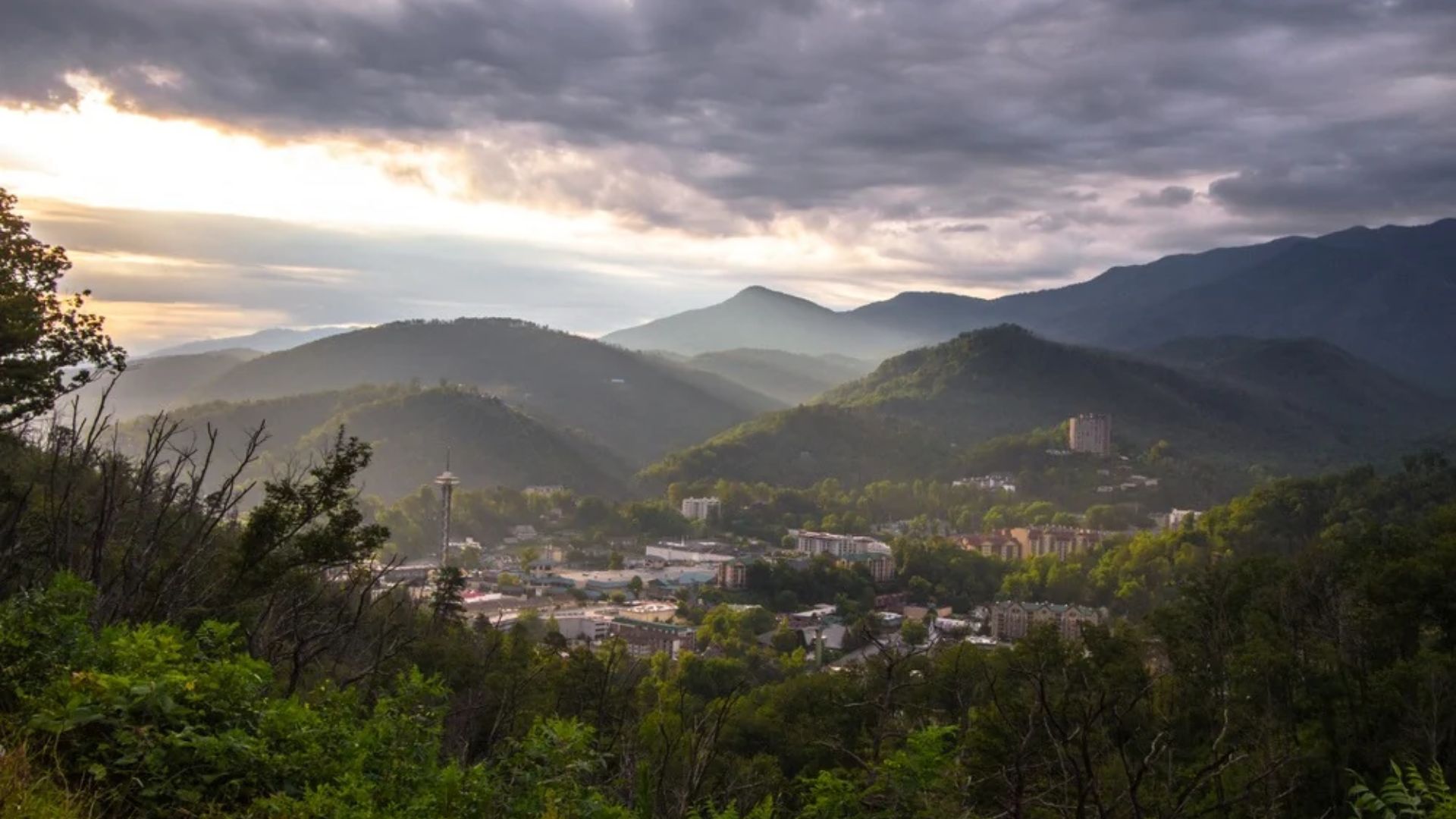
March is one of the Smokies' best-kept secrets. It falls in that quiet window between the winter holidays and the spring break rush, which means fewer crowds, lower rates, and a park that's just beginning to wake up. The mountains in early spring have a particular magic — the first wildflowers appearing, the streams running full and fast with snowmelt, the forest greening from the ground up. If you're flexible about weather and looking for value and quiet, March in the Smokies is a genuinely wonderful time to visit. Here's what it's really like.
The honest headline: March is a transition month, so the one thing to pack is flexibility. Get that right and you'll have the mountains nearly to yourself.
Why March is worth it
Low crowds and low rates
This is the big draw. Early March, before spring break arrives, is one of the quietest and most affordable stretches of the year. You'll find better cabin rates, easy parking, uncrowded overlooks, and trails you might have largely to yourself — a very different, more peaceful experience than the packed summer and fall seasons.
The first wildflowers
The Smokies are famous for their spring wildflowers, and late March is when the show begins. The park is sometimes called the "Wildflower National Park" for good reason, and early bloomers start carpeting the forest floor as the month goes on — a quiet, beautiful reward for an early-spring visit.
Full, rushing streams and waterfalls
With winter runoff and spring rains feeding them, the park's streams and waterfalls run their fullest and most dramatic in early spring. It's one of the best times of year to see the waterfalls at full power.
A cozy cabin is still in its element
March evenings in the mountains are still cool, which means a cabin with a fireplace is at its best — warm nights in, cool crisp days out. It's the tail end of the season to enjoy a fire on the deck with a blanket.
What to actually expect from the weather
Here's the honest part: March weather in the Smokies is changeable, and that's the trade-off for the quiet and the value. You can get a string of mild, sunny days that feel like early spring, and you can get cold, wet, or even snowy stretches, sometimes in the same week. Higher elevations stay colder and can see snow well into spring, while the valleys are milder. Rain is part of the picture, which is exactly what feeds those full streams and early blooms.
None of this is a reason to stay home — it's just a reason to plan for variety. Check the forecast close to your trip, pack layers for anything from the forties to the sixties and the odd warmer or colder day, and keep your plans flexible enough to swap a rainy-day activity for a sunny-day hike. For typical ranges, see our Gatlinburg and Pigeon Forge weather averages.
The trails in early spring
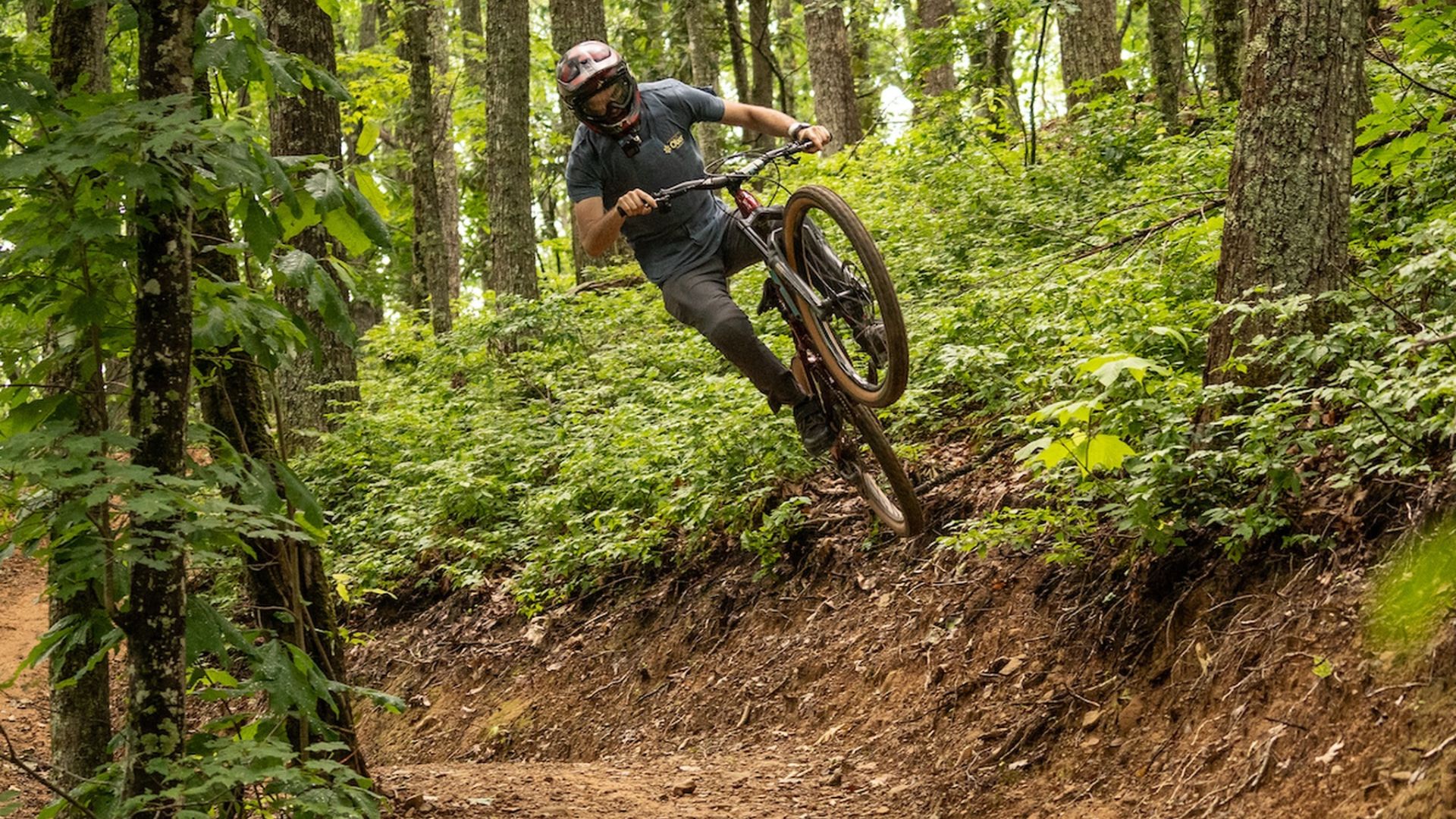
Early-spring trails can be wet and muddy from rain and snowmelt, especially at higher elevations and in shaded spots that hold moisture. That's normal for the season and easy to work with: wear waterproof boots, expect some soft and slippery sections, and favor lower-elevation and well-drained trails after a wet stretch. Streams can run high, so be cautious around crossings and fast water. Plenty of the park's easier, lower trails are perfectly enjoyable in March — you just pick your route to match recent weather rather than fighting it. Always check current trail and road conditions on the park's website before you head out, since high-elevation roads can still close for late-season weather.
Great things to do in March
Chase the waterfalls — with the streams running full, it's a prime month for waterfall hikes on the lower, accessible trails.
Hunt for early wildflowers — especially toward the end of the month, the first blooms make a lovely, low-key outing.
Drive the scenic routes — with the leaves not yet out, you get long, clear views through the bare trees that summer hides, and the roads are blissfully quiet.
Enjoy the towns without the crowds — Gatlinburg and Pigeon Forge's attractions, restaurants, and shops are open and far less busy than in peak season.
Have a cozy night in — a fire, a hot tub under cool skies, and a quiet evening are exactly right for the season.
Frequently asked questions
Is March a good time to visit the Smokies?
Yes, if you value quiet and value. Early March especially brings low crowds, lower rates, the first wildflowers, and full waterfalls. The trade-off is changeable weather, so you plan for variety — but you're rewarded with a peaceful, affordable, early-spring version of the mountains.
What's the weather like in the Smokies in March?
Changeable — mild sunny days and cold, wet, or occasionally snowy stretches can all happen, sometimes in one week. Valleys are milder; higher elevations stay colder and can see snow into spring. Pack layers, check the forecast close to your trip, and keep plans flexible.
Can you hike in the Smokies in March?
Absolutely — just expect some wet, muddy, or slippery sections from rain and snowmelt, especially up high. Wear waterproof boots, favor lower, well-drained trails after wet weather, be careful near high streams, and check current conditions. Plenty of the park's easier trails are a pleasure in early spring.
Are the wildflowers out in March?
The earliest bloomers typically begin appearing as March goes on, especially toward the end of the month, building toward the park's famous spring wildflower season. Late March is a lovely time to catch the very start of the show.
Is it cheaper to visit in March?
Generally yes — early March, before spring break, is one of the more affordable and least crowded times of year, with better cabin rates and quieter trails and attractions. It's one of the best-value windows for a Smokies trip.
March rewards the flexible traveler with quiet trails, full waterfalls, and a cabin all to yourself. Find a cabin with a fireplace near the Gatlinburg side for cool early-spring evenings, and plan your trip with our guide to spring in the Smokies.