Gatlinburg and Pigeon Forge Weather Averages
Published Dec 29, 2023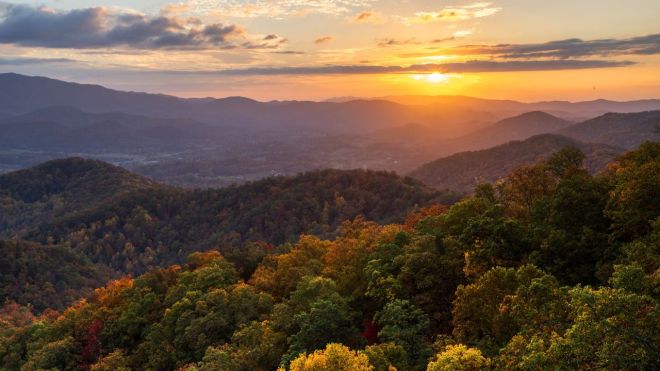
Gatlinburg and Pigeon Forge sit at roughly 1,300 feet elevation at the entrance to Great Smoky Mountains National Park — warm enough for year-round tourism, cool enough that even summer evenings are comfortable by mountain standards. Here's what to expect by season, month by month, and what to pack.
Winter — December through February
January: Highs 45–48°F / Lows 25–28°F
February: Highs 50–55°F / Lows 28–32°F
Rainfall: 4–5 inches per month · Snow: Possible but not guaranteed at valley elevation
Winter is the Smokies' quietest and most affordable season. January and February are the softest booking months of the year — cabin rates are at their lowest, trails are uncrowded, and the downtown restaurants and attractions operate with wait times that summer visitors can't imagine. The Parkway slows but doesn't stop; most Gatlinburg and Pigeon Forge businesses stay open year-round.
Snow at valley elevation (1,300 feet) happens but isn't reliable — Gatlinburg sees measurable snowfall a handful of times most winters, often turning to rain at lower elevations. The upper elevations of the Smokies receive more consistent snow from December through February; peaks above 4,000 feet hold snow for days after valley elevations clear. Clingmans Dome Road typically closes December 1 through March 31 due to ice. Cades Cove's loop road may close or delay opening after significant snowfall.
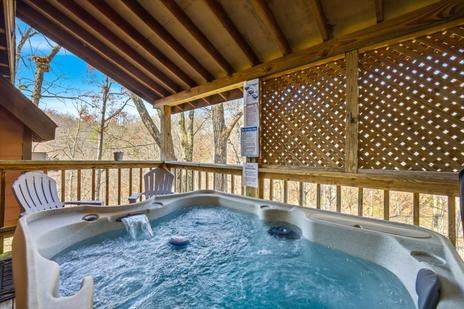
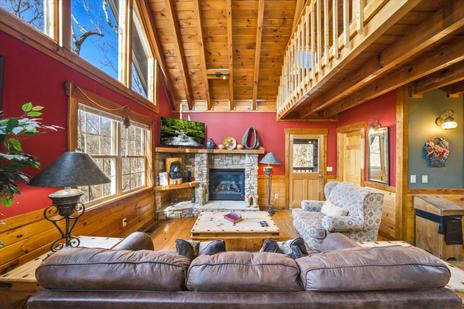
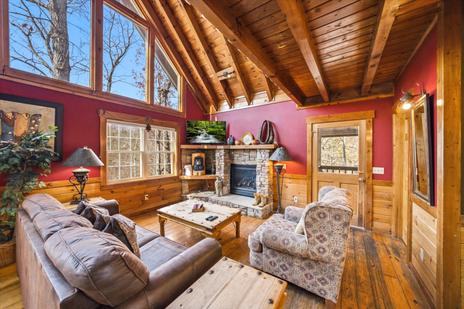
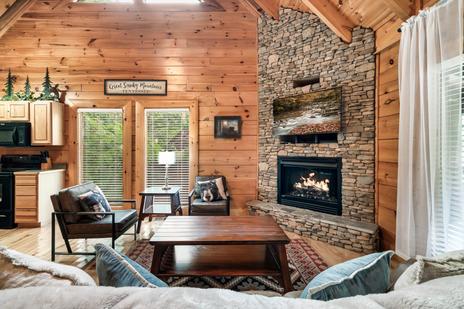
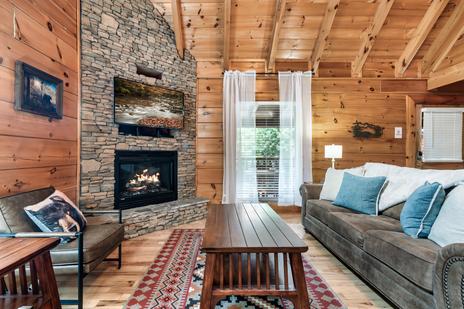
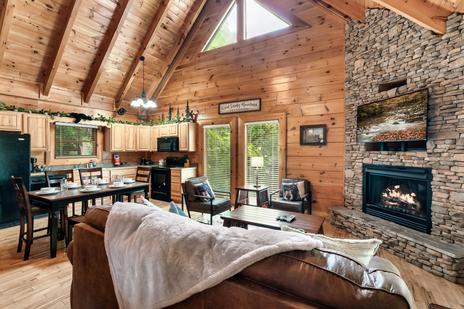
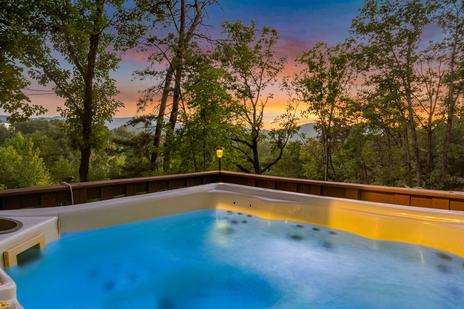
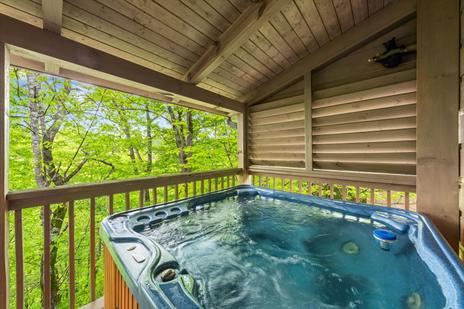
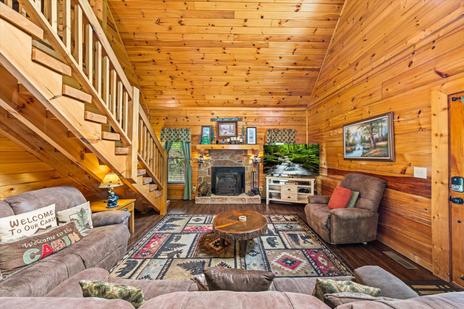
All Colonial Properties fireplaces are operational October 1 through late February — winter is the full fireplace season. A cabin hot tub in January or February, with cold mountain air and steam rising against a dark sky, is one of the most genuinely satisfying Smoky Mountain experiences of any season.
What to pack: Heavy coat, gloves, and hat for evenings and higher elevations. Layering base pieces for days that start cold and warm by midday. Waterproof boots if you plan to hike — winter trails can be muddy, icy, or both. Check road conditions before driving to elevated cabin properties after any snowfall.
Spring — March through May
April: Highs 65–70°F / Lows 43–48°F
May: Highs 72–78°F / Lows 50–55°F
Rainfall: 4–5 inches per month, with frequent afternoon showers in April–May
Spring is the most underrated season in the Smokies and arguably the best overall window for a cabin trip. Temperatures in the mid-60s are ideal for hiking — warm enough for comfortable sustained effort, cool enough to avoid the July heat exhaustion that sends summer hikers back to the car by noon. The wildflower bloom runs from late March through May, moving sequentially from lower to higher elevations across nearly two months.
March brings the earliest wildflowers — hepatica, bloodroot, and spring beauty at lower elevations — along with Dollywood's season opener and the return of whitewater rafting season on the Pigeon River. April is peak wildflower month: trillium, wild geranium, phacelia, and trout lily along the main trail corridors, bear cubs emerging with their mothers, and waterfalls at peak volume from snowmelt and spring rainfall. May extends the bloom to higher elevations with flame azalea, wild iris, and the synchronized firefly event at Elkmont, typically in the last two weeks of May.
The standard spring weather pattern brings clear mornings and afternoon showers, particularly in April and May. Plan outdoor activities for morning and build afternoon flexibility into the schedule. A cabin with a covered deck, game room, or indoor pool handles rain days without disruption.
What to pack: Layers that can be added or removed as morning temperatures rise through the day. A waterproof layer for afternoon showers. Broken-in hiking shoes — spring trails are muddy in places. Sunscreen for open-sky stretches. A light fleece for evenings, which stay cool through May.
Summer — June through August
July: Highs 85–90°F / Lows 62–66°F
August: Highs 84–88°F / Lows 61–65°F
Rainfall: 4–5 inches per month · Heat index: Can push 95°F+ on humid July afternoons
Summer is peak season in the Smokies — the highest visitor numbers, highest cabin rates, and highest temperatures of the year. Valley elevation temperatures regularly reach the mid-to-upper 80s in July and August, with heat index values pushing higher on humid afternoons. This is meaningfully cooler than the Mid-Atlantic and Southeast cities that send the bulk of summer visitors, but warm enough that midday hiking becomes uncomfortable on exposed trails.
The practical summer hiking strategy is mornings only — on the trail by 7 or 8 AM, finished before noon, and back at the cabin or a Parkway attraction for the hottest afternoon hours. Higher-elevation trails above 4,000 feet run 10–15°F cooler than the valley, making destinations like Alum Cave and the summit area around Kuwohi (Clingmans Dome) more comfortable in the heat of the day.
Summer is when the Smokies' attractions are fully operational and at their most festive: Dollywood runs full capacity with evening shows, Splash Country is open, and the Parkway entertainment corridor operates its longest hours of the year. Trailhead parking at popular destinations fills by 9 AM on summer weekends — Laurel Falls, Alum Cave, and Chimney Tops all require early arrival or late afternoon timing to avoid parking scrambles.
What to pack: Lightweight, moisture-wicking clothing. Sun protection — hat, sunscreen, sunglasses. Plenty of water for any hike. Insect repellent for trail use. A light layer for air-conditioned attractions and restaurants, which run cold relative to outdoor temperatures. Sandals for Parkway days; trail shoes for hiking days.
Fall — September through November
October: Highs 65–72°F / Lows 43–50°F
November: Highs 55–62°F / Lows 33–38°F
Rainfall: 3–4 inches per month · Peak foliage: Mid-October at valley elevation
Fall is the most celebrated season in the Smokies, and the most competitive booking window of the year. September offers summer-adjacent warmth with the first seasonal quiet — crowds thin from Labor Day through late September while temperatures remain pleasant for hiking and outdoor activity. October is peak season within peak season: the foliage display, the fireplace weather, and the full Parkway entertainment schedule converge in the same three-to-four-week window, making October cabin bookings the most in-demand of any month.
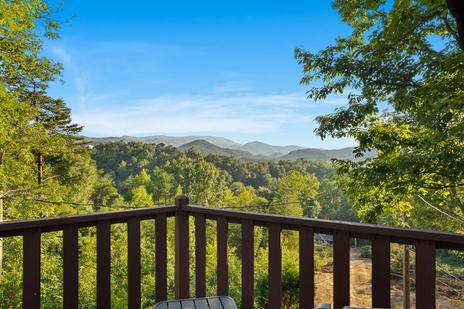
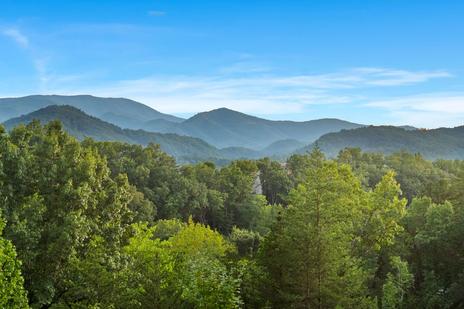
Fall foliage in the Smokies runs progressively from higher to lower elevations across six to eight weeks. The first color typically appears on the upper ridges above 5,000 feet in late September. By mid-October, valley-elevation communities like Gatlinburg and the Cades Cove meadows are in full color — reds, golds, and oranges across every visible ridge. Lower elevations hold color into early November. A week-long mid-October cabin stay catches the display at multiple stages simultaneously: snow-dusted peaks, full-color mid-elevation forests, and still-green lower hollows visible from a single viewpoint.
Fireplaces come on October 1 at all Colonial Properties cabins. November offers the fall foliage tail, dramatically reduced crowds, and some of the best hiking conditions of the year — cool but comfortable temperatures, low humidity, and long sightlines through bare trees that open winter views months early.
What to pack: Layers are essential — October mornings start in the 40s and afternoons reach the low 70s. A medium-weight jacket for evenings. Waterproof hiking boots for November. Warm layers for cabin evenings — October is prime fireplace and hot tub season. Book restaurants in advance for October weekends; foliage peak drives significant dining demand throughout Gatlinburg and Pigeon Forge.
Elevation and the mountain temperature difference
Temperature drops roughly 3–5°F for every 1,000 feet of elevation gain. Gatlinburg and Pigeon Forge sit at approximately 1,300 feet. The summit of Kuwohi (Clingmans Dome) at 6,643 feet runs 15–20°F cooler than the valley on any given day. Practical implications: a comfortable 75°F afternoon in Gatlinburg means jacket weather at the summit; a valley snowfall may have left the higher trails in ice and snow conditions that persist for days after the valley clears. Always check conditions for higher-elevation destinations before setting out, and layer accordingly even on warm valley days if you're planning a summit hike.
Frequently asked questions
What is the best time of year to visit Gatlinburg and Pigeon Forge?
Spring (April–May) offers the best balance of comfortable hiking temperatures, natural scenery, lower crowds than summer and fall foliage peak, and more competitive cabin pricing. Fall foliage peak (mid-October) is the most visually spectacular but also the most crowded and most expensive. Winter (January–February) offers the lowest rates and quietest trails. All four seasons have a genuine case — the right answer depends on what kind of trip you're planning.
Does it snow in Gatlinburg?
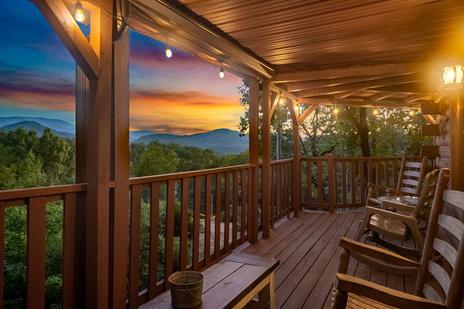
Occasionally. Valley-elevation Gatlinburg (around 1,300 feet) sees measurable snowfall several times most winters, but it often mixes with rain or doesn't accumulate significantly. The higher elevations of the national park receive much more consistent snow from December through February. Snow on the peaks is frequently visible from cabin decks even when the valley gets only rain. If you're hoping to see snow, the best strategy is booking a late January or February visit and accepting that it may or may not happen at cabin elevation.
When does fall foliage peak in the Smokies?
Peak color at valley elevation (Gatlinburg and Pigeon Forge) typically falls in the second and third weeks of October. Higher elevations peak earlier — late September to early October above 5,000 feet. Lower elevations can hold color into early November. Exact timing shifts by a week or two depending on summer rainfall and fall temperatures; no year is identical. Book well in advance if October is your target — foliage weekend cabins are the most competitive inventory of the year.
How hot does it get in summer?
Valley-elevation highs typically reach 85–90°F in July and August, with heat index values occasionally pushing higher on humid afternoons. This is noticeably cooler than many visitors' home cities in the Mid-Atlantic and Southeast, but warm enough to make midday hiking uncomfortable on exposed trails. Higher-elevation trails run 10–15°F cooler. The standard summer strategy is morning hiking and afternoon Parkway attractions or cabin time during the hottest hours.
Browse Smoky Mountain cabin rentals by season — fireplace cabins for fall and winter, hot tub cabins year-round.