The Ultimate 3-Day Gatlinburg Trip: What to Do, See, and Explore
Published Jan 27, 2025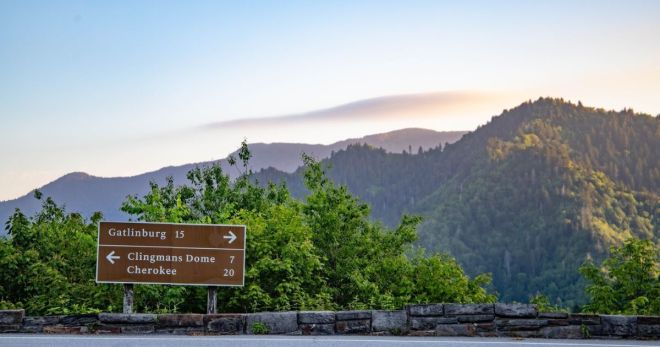
Three days in Gatlinburg is enough to experience what makes the town worth coming back to — the national park at its best, the downtown Parkway in its full variety, and the Great Smoky Arts and Crafts Community, which most first-time visitors never find. Here's how to use the time well.
Day One: Great Smoky Mountains National Park
Morning — Roaring Fork Motor Nature Trail and Grotto Falls. Start at the Roaring Fork Motor Nature Trail — a one-way 5.5-mile scenic loop through old-growth forest past historic mountain homesteads and rushing mountain creeks, accessible from downtown Gatlinburg via Cherokee Orchard Road. The drive takes 45–60 minutes without stops; with stops it becomes a half-morning easily. Bear activity along the creek margins is common, particularly in the morning hours. Along the Roaring Fork loop, pull off for Grotto Falls — a 2.6-mile round trip hike through old-growth hemlock forest to the one waterfall in the park where the trail passes directly behind the curtain of water. The trailhead is marked along the loop. Note: Roaring Fork Motor Nature Trail closes December through March — check nps.gov/grsm for current status if visiting in winter.
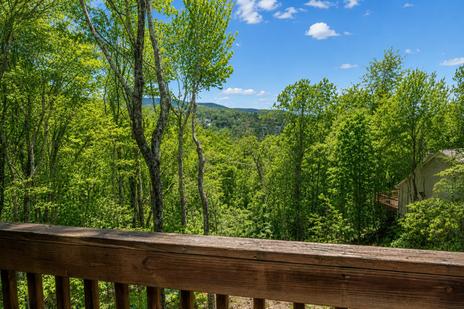
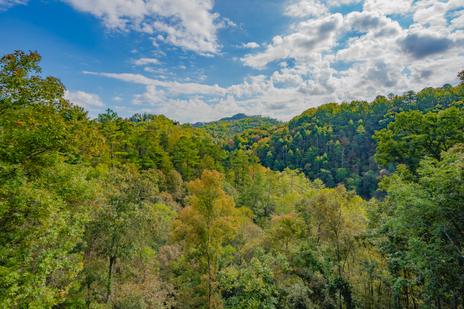
Afternoon — Newfound Gap and Kuwohi. Drive US 441 south through the national park to Newfound Gap, approximately 20 miles from Gatlinburg — the road climbs steadily with views opening over the Smokies ridgeline as you ascend. At the gap itself (elevation 5,046 feet), the Appalachian Trail crosses the road and the views stretch across the Tennessee–North Carolina state line. A picnic lunch at the gap, with mountain air coming through the gap notch and the forest falling away on both sides, is one of those experiences that doesn't require any planning beyond packing sandwiches.
From Newfound Gap, Kuwohi Road (formerly Clingmans Dome Road) branches off for a 7-mile drive to the parking area for the highest point in the national park at 6,643 feet. A paved half-mile trail leads from the parking area to the observation tower — steep but short — with views on clear days extending up to 100 miles. Note: Kuwohi Road closes December through March. Check nps.gov/grsm for the current year's opening and closing dates before planning this portion of the day.
Evening. Return to Gatlinburg and book dinner at The Peddler Steakhouse (820 River Road) or The Park Grill (1110 Parkway) — both take reservations and both deliver a properly Smoky Mountain dinner after a full national park day. Reserve in advance.
Day Two: Downtown Gatlinburg and Anakeesta
Morning — Pancake Pantry and Ripley's Aquarium. Pancake Pantry at 628 Parkway has been Gatlinburg's most beloved breakfast institution since 1960 — the first pancake restaurant in the Southeast, with a lineup of specialty pancakes (wild blueberry, buttermilk, Caribbean coconut) that justifies the inevitable wait on busy mornings. Arrive before 8:30 AM to get ahead of the line. From there, Ripley's Aquarium of the Smokies opens at 9 AM — the moving walkway through the shark tunnel, touch tanks with stingrays, the penguin encounter, and the glass-bottomed boat over the main shark tank. Plan two to three hours. Arriving at opening gets you the best experience before the afternoon crowds build.
Afternoon — Anakeesta. Spend the afternoon on the mountaintop above Gatlinburg. The Crystal Express — the world's only all-glass gondola system, 56 cabins, four minutes to the summit — departs from Traffic Light #5 on the Parkway. Once up top: the 16-bridge Treetop Skywalk through the forest canopy, the AnaVista Tower for 360-degree Smokies views, the Hellbender and Rail Runner mountain coasters, dueling ziplines, gem mining, and the Stone Village with its shops and artisan spaces. Plan at least three hours — most guests find five or six. Buy tickets in advance at anakeesta.com; they're cheaper online and the park can sell out on peak weekends.
Evening. Stay for dinner at Anakeesta's Cliff Top Grill & Bar on the summit — the dining room faces the valley and the views after dark, as Gatlinburg lights up below, are the best available from any restaurant in town. Then ride the Crystal Express back down and spend the evening on the Parkway's distillery and moonshine corridor — Ole Smoky Distillery and Sugarlands Distilling Company both stay open late and are within walking distance of each other downtown.
Day Three: The Arts and Crafts Community
Morning — Great Smoky Arts and Crafts Community. Three miles east of downtown Gatlinburg on an eight-mile loop road, the Great Smoky Arts and Crafts Community is the largest independent artisan group in the United States — more than 80 working studios producing pottery, quilts, woodwork, glasswork, jewelry, and paintings along Glades Road and Buckhorn Road. This is the part of Gatlinburg that most visitors miss entirely, and it's worth the entire morning. Park at a studio, walk, browse, and talk to the people who made what's on display. The loop takes 20–30 minutes to drive straight through; with stops, it fills a morning naturally. The Yellow Line trolley from downtown Gatlinburg runs the loop if you'd rather park once and ride between studios.
Lunch on the loop: Fox and Parrot Tavern (1065 Glades Road, English pub), Split Rail Eats (849 Glades Road, 16-tap self-pour beer wall, pet-friendly patio), or The Rampant Lion (734 Powdermill Road, Celtic pub with 100+ whiskeys). All three are on or immediately adjacent to the arts and crafts loop. Glades Soda Fountain (601 Glades Road) is the afternoon dessert stop.
Afternoon — Salt & Pepper Shaker Museum. On the way back toward downtown, the Salt & Pepper Shaker Museum at 461 Brookside Village Way (Winery Square, off East Parkway) is the day's quirky highlight — over 20,000 pairs of shakers from around the world, organized by theme, in a compact museum that takes 45 minutes to an hour. $3 admission (children 12 and under free); the admission fee applies toward any gift shop purchase. Open Monday through Saturday 10 AM–4 PM, Sunday 10 AM–2 PM. The gift shop carries 2,000 shakers for sale. It's genuinely one of Gatlinburg's most distinctive experiences and consistently surprises visitors who expect a novelty and find something more thoughtfully curated.
Final evening. Return to downtown for a last Gatlinburg dinner. The Greenbrier (370 Newman Road) is the special-occasion finale — forest setting, hand-cut steaks, deep whiskey program, outdoor fire pit. Reserve well in advance. Or keep it casual: Smoky Mountain Brewery, Boudicca's Celtic Pub in the Village Shops, or a late-night stop at Ole Smoky Candy Kitchen for moonshine taffy to take home.
Practical Notes
National park parking tags. Required at designated trailhead areas — $5 per day or $15 per week, purchased at automated kiosks at park entrances. No entry fee to the park itself.
Anakeesta tickets. Buy in advance at anakeesta.com. In January and February, the park runs weekend-only hours (Fri–Sun); daily operations typically begin in March. Check current hours before planning Day Two around it.
Roaring Fork and Kuwohi Road. Both close December through March. Check nps.gov/grsm for current status before any winter visit.
Restaurants. The Peddler, Park Grill, and Greenbrier all benefit from advance reservations. Make them before your trip — all three fill on weekend evenings, and the Greenbrier in particular books out weeks ahead during peak season.
Frequently Asked Questions
Is three days enough time for Gatlinburg?
Three days covers the three distinct experiences that define Gatlinburg — the national park, the downtown Parkway, and the Arts and Crafts Community. You won't see everything, but you'll get the core of what makes the area worth visiting. Most guests who spend three days find enough to come back for a fourth and fifth.
What is the best time of year for a Gatlinburg trip?
Spring (late March–May) for wildflowers and lighter crowds than summer. Fall (October) for peak color — the most spectacular but most crowded. Winter for the quietest trails and the Winterfest light display. Summer for the full attraction lineup including daily Anakeesta hours. Each season has a genuine case for it.
How far is Gatlinburg from Pigeon Forge?
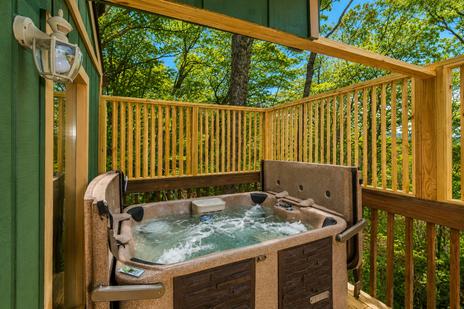
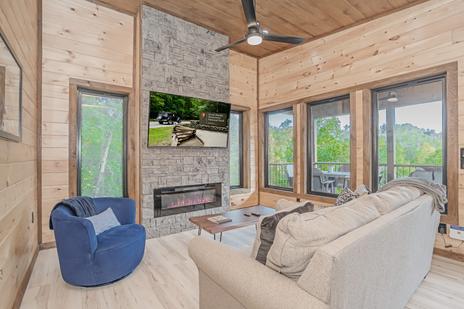
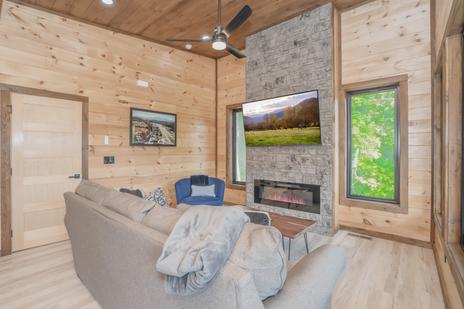
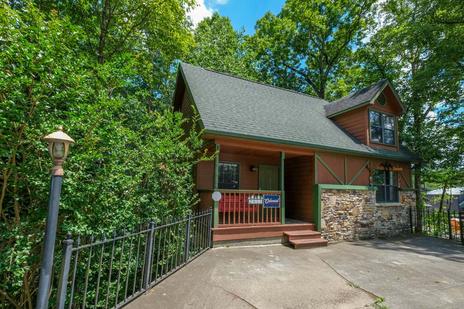
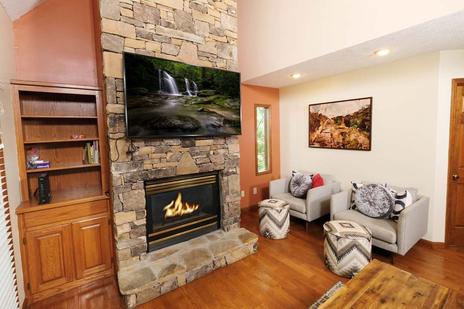
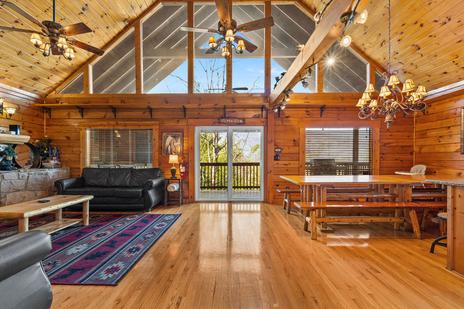
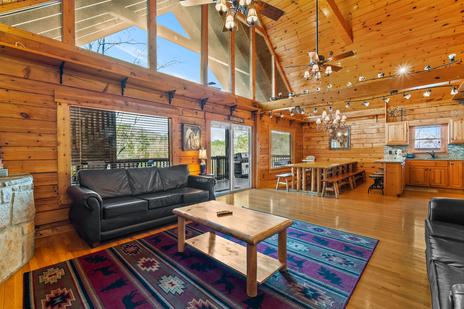
About 7 miles — typically 15–20 minutes by car, longer in peak-traffic conditions. The Spur (a 4.2-mile connector road through the national park) is the scenic route between the two; US 321 is the faster alternative when Parkway traffic backs up. A Gatlinburg cabin puts you within easy reach of both cities for the full three-day experience.
Do I need a car for a Gatlinburg trip?
For Day One (national park), yes — the park's key destinations require driving. For Days Two and Three, the Gatlinburg Trolley covers most downtown Parkway stops and the Arts and Crafts Community loop (Yellow Line), making a car optional for those days. Parking downtown is paid and competitive on peak days; using the trolley from a peripheral parking area is the right move on busy weekends.