Top 6 Fall Hikes in the Great Smoky Mountains
Published Sep 19, 2022
Fall is the most visually dramatic season to hike in Great Smoky Mountains National Park. The hardwood canopy — tulip poplar, red maple, yellow birch, and oak — turns across six weeks from late September through early November, and the color sweeps down the mountain elevations in sequence. These six trails show it at its best.
Appalachian Trail from Newfound Gap
The Appalachian Trail segment east from Newfound Gap is one of the most accessible stretches of the AT in the entire park — a ridge walk at over 5,000 feet that puts hikers above the canopy layer during peak fall color, looking out over the rolling ridgelines of the Smokies as they change color in sequence below. The section from Newfound Gap to Charlies Bunion (8.0 miles round trip) is the most popular day hike on this stretch, but even a shorter 2 to 3 mile out-and-back from the Newfound Gap parking area gives substantial ridge views with moderate effort. The elevation keeps the fall color peak here about two weeks ahead of the lower elevation forests — typically the last week of October. A Park It Forward tag is required for Newfound Gap parking.
Alum Cave Trail
The Alum Cave Trail is one of the most varied short-to-moderate hikes in the Smokies — and in fall, the corridor of hardwood color lining the creek and ridge sections is exceptional. The trail passes through old-growth forest of yellow birch and American beech before climbing to the dramatic Alum Cave Bluffs at 2.3 miles. The bluffs themselves — a large overhang of hardened sulfate compounds above the treeline — frame the valley color below in a way that makes for one of the better fall photography compositions in the park. The full trail continues to the summit of Mount LeConte at 10.6 miles round trip; for a fall color focused visit, the bluffs turnaround at 4.6 miles round trip gives the best scenery-to-effort ratio. A Park It Forward tag is required.
Charlies Bunion
Charlies Bunion is a rocky outcrop on the Appalachian Trail, reached via 8 miles round trip from Newfound Gap, that offers some of the most dramatic exposed views in the entire park. The "bunion" is a bare rock formation at about 5,375 feet elevation — the result of a 1925 fire that stripped the vegetation from the exposed ridge and left a dramatic rocky promontory that has resisted reforestation. In fall, the views from the bunion look out over miles of color-turning ridgeline in every direction — a 270-degree panorama of the Smokies at peak foliage. The hike follows the Appalachian Trail east from Newfound Gap with consistent ridge views throughout. This is a strenuous day hike with 1,600 feet of elevation gain; carry adequate water and food and start early.
Rainbow Falls Trail
Rainbow Falls is one of the most popular destinations in the park year-round, but fall transforms the surrounding forest into something worth the extra crowds. The trail climbs 1,500 feet through mature cove hardwood forest — yellow birch, red maple, and tulip poplar — before reaching the 80-foot cascade, the highest single-drop waterfall in the park. The combination of the waterfall and the surrounding fall canopy in late October is one of the most photographed scenes in the Smokies. The trailhead is at the Cherokee Orchard Parking Area, 3.5 miles from downtown Gatlinburg via Cherokee Orchard Road. A Park It Forward tag is required. The parking area fills early on peak fall weekends — arrive before 8:30 AM for a guaranteed spot.
Gregory Bald Trail
Gregory Bald is the most rewarding strenuous fall hike on this list — an 11.3-mile round trip with 3,000 feet of elevation gain that ends at a large open grass bald with 360-degree views of the surrounding Tennessee and North Carolina ridgelines. In fall, the bald's perimeter changes from the green of summer through yellow and orange as the hardwoods on the slopes below reach peak color. From the summit, you can watch the color gradient moving down the mountain — darker green at the lower elevations giving way to full fall color on the mid-slope forest, with the bald itself sitting above it all. The trailhead is at the Cades Cove Campground area. Allow 6 to 8 hours and start before 8 AM.
Ramsey Cascades Trail
Ramsey Cascades, at 100 feet the tallest waterfall in the park, sits at the end of an 8-mile round trip trail through some of the most impressive old-growth forest in the Smokies. The Greenbrier area's ancient tulip poplars, hemlocks, and yellow birches turn in fall into a canopy of yellow and gold above the trail corridor — and as the trail climbs into the upper watershed, the scale of the trees intensifies. The combination of old-growth forest color and the powerful cascade at the end makes this one of the most complete fall hiking experiences in the park. The trail gains 2,200 feet with a rocky, rooted surface in the upper sections. The trailhead is off Greenbrier Road, east of Gatlinburg on US-321. A Park It Forward tag is required.
Frequently asked questions
When is peak fall color in the Smoky Mountains?
Peak fall color sweeps through the park in elevation sequence from early October through early November. High-elevation trails (above 5,000 feet) — the Appalachian Trail, Charlies Bunion, Gregory Bald — typically peak in the first two weeks of October. Mid-elevation trails (3,000 to 5,000 feet) peak mid-to-late October. Lower elevation forests around Gatlinburg and the Cades Cove area peak in late October through the first week of November. The two weeks straddling Halloween are generally the single most reliable peak window across most elevations.
Do I need a parking tag for these trailheads?
Yes — all six trailheads require a Park It Forward parking tag ($5/day, $15/week, or $40/annual pass), purchased at recreation.gov, park visitor centers, or automated kiosks near park entrances. During peak fall weekends (mid-October to early November), the Newfound Gap, Rainbow Falls, and Alum Cave parking areas fill by 9 AM — arrive early or plan to use the park trolley from Gatlinburg (June through October service) to reach the trailhead without parking.
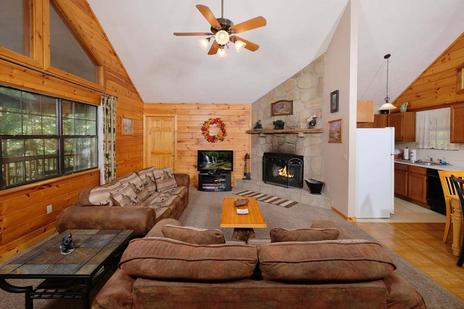
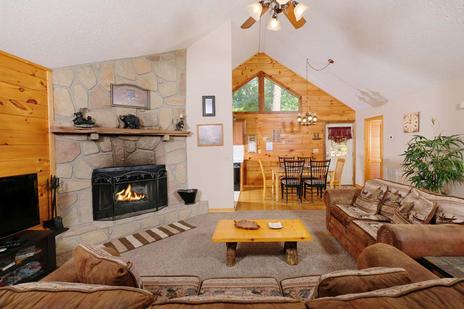
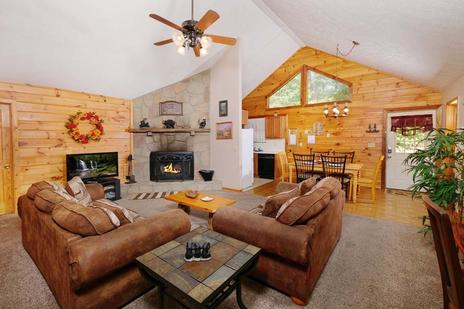
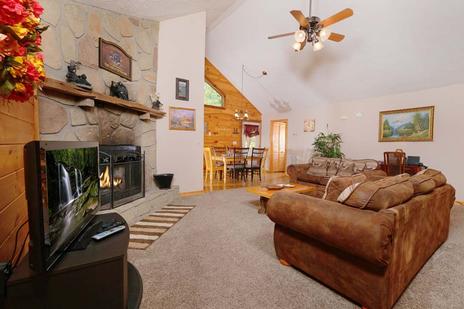
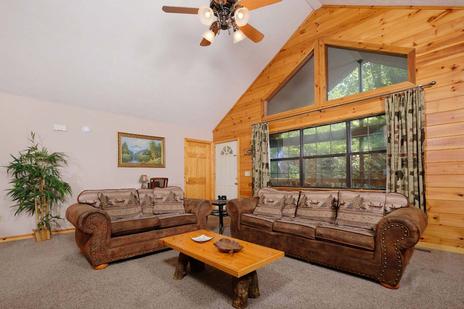
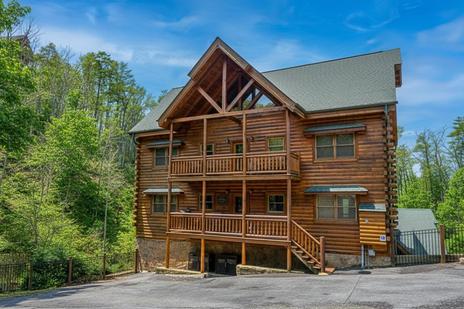
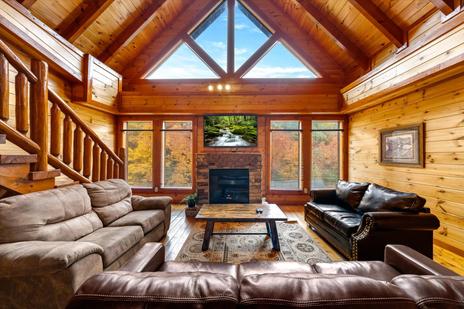
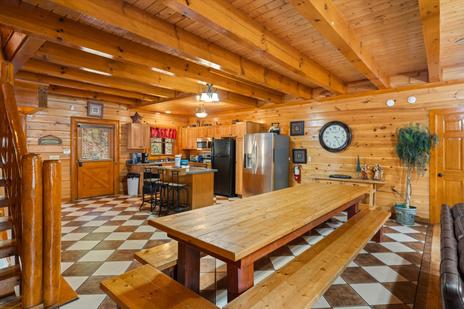
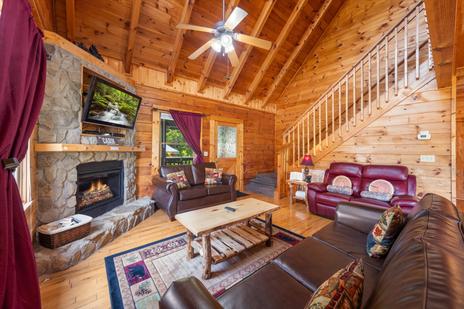
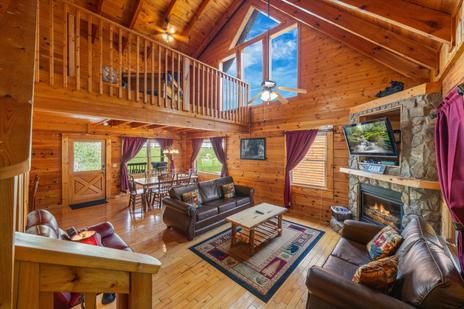
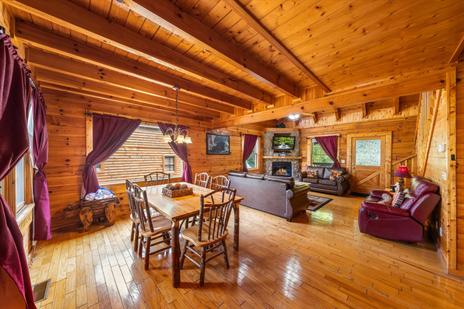
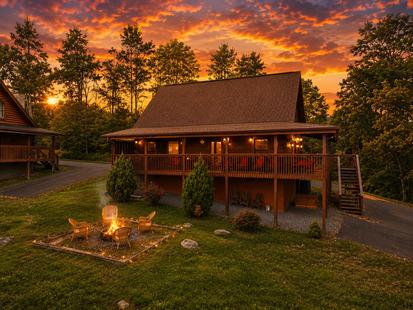
A Wears Valley cabin rental is the closest base to the Cades Cove and Ramsey Cascades trailheads — and keeps you clear of Gatlinburg traffic on peak fall weekends.