The Best Times of the Year to Visit Gatlinburg
Published Nov 25, 2020
Gatlinburg is a genuine year-round destination — each season has its own character, its own events, and its own crowd patterns. The best time to visit depends on what you're after. Here's what each season actually offers, and when to go for each experience.
Spring — wildflowers, waterfalls, and the firefly lottery
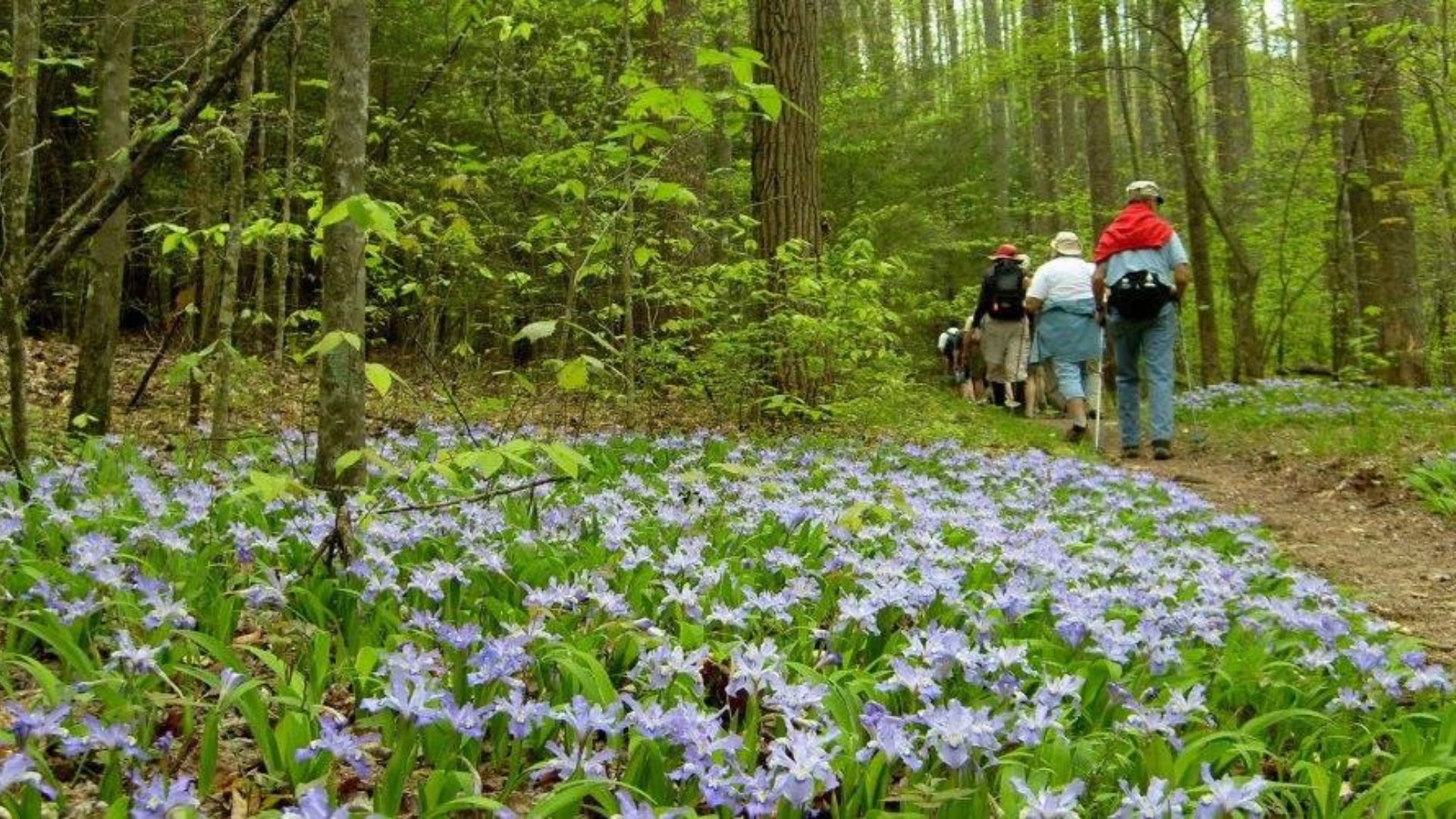
Spring is the sleeper season in Gatlinburg. From March through May, the national park runs through a wildflower sequence that rivals anything in the eastern United States — trout lily and hepatica in March, trillium and wild geranium in April, flame azalea on the balds in May. Waterfalls run at full volume from winter snowmelt and spring rains, and the trails are far less crowded than summer. Temperatures in the valleys run from the low 40s in March to the mid-60s in May, with evenings staying cool enough for a fire.
Spring Wildflower Pilgrimage takes place over four days in late April every year — one of the oldest and largest wildflower events in the region, with guided walks, photography tours, and indoor seminars through Great Smoky Mountains National Park. The event has been running since 1951 and uses the Mills Conference Center in Gatlinburg as its headquarters. Check nps.gov/grsm for current-year dates and registration.
Synchronous fireflies are the other signature spring event — and the hardest ticket in the Smokies. Each year in late May or early June, the synchronous firefly population at Elkmont puts on a roughly two-week light show that has to be seen to be believed. The National Park Service runs a lottery for shuttle passes from Sugarlands Visitor Center to the Elkmont viewing area; demand far exceeds supply. Apply through recreation.gov when the lottery opens, typically in late April. Missing the lottery doesn't rule out firefly viewing — several other firefly species are visible elsewhere in the park without a reservation, and some viewing is possible from other access points.
Shoulder-season pricing applies through most of spring, with rates rising toward summer levels in late May. April is the sweet spot for the widest combination of wildflowers, full waterfalls, manageable crowds, and reasonable rates.
Summer — heat, holidays, and the early-morning advantage
Summer is peak season in Gatlinburg. July is the busiest single month of the year — the Parkway is crowded, parking is competitive, and wait times at major attractions extend well into the afternoon. The trade-off is the most concentrated events calendar and the longest daylight hours.
Fourth of July is Gatlinburg's signature holiday event. The city has held what it bills as America's earliest Fourth of July parade since 1912 — the midnight parade runs at 12:01 AM on the Fourth, followed by fireworks launched from the top of the Gatlinburg Space Needle at 10 PM that evening. The Gatlinburg Trolley runs extended hours on the holiday, and the park-and-ride lots at the Welcome Center and City Hall are the practical parking solution for the crowds.
Gatlinburg Craftsmen's Fair runs in mid-July for approximately ten days at the Gatlinburg Convention Center, with more than 200 juried artisans from across the country. A second edition runs in October. Check craftsmenfair.com for current-year dates.
The heat in the valley — 90°F or above on summer afternoons — pushes visitors into the national park and up in elevation, where temperatures run 10 to 15 degrees cooler. The practical summer strategy is an early start: on the trail or at major attractions by 8 or 9 AM, back to the cabin by early afternoon. Early June and late August offer the summer experience with noticeably lighter crowds than July.
Fall — foliage, festivals, and peak-of-peak season
Fall is the most popular season in Gatlinburg, and the most compressed. Foliage timing is driven by elevation — the high-country balds and spruce-fir zone near Kuwohi and Newfound Gap peak two to three weeks before the valley floor below Gatlinburg. The full foliage season across all elevations runs roughly from the first week of October through early November.
Mid-October is the single most crowded week of the year in the Smokies. Accommodation rates are at their highest, and Cades Cove, Newfound Gap Road, and the Gatlinburg Parkway all see heavy traffic on fall weekends. Visitors who can travel in late September or early October — when the high-elevation color is already showing and the valley still has green — get the experience with far fewer people and lower rates. The second week of November, after peak leaf drop, offers quiet trails and significantly lower prices.
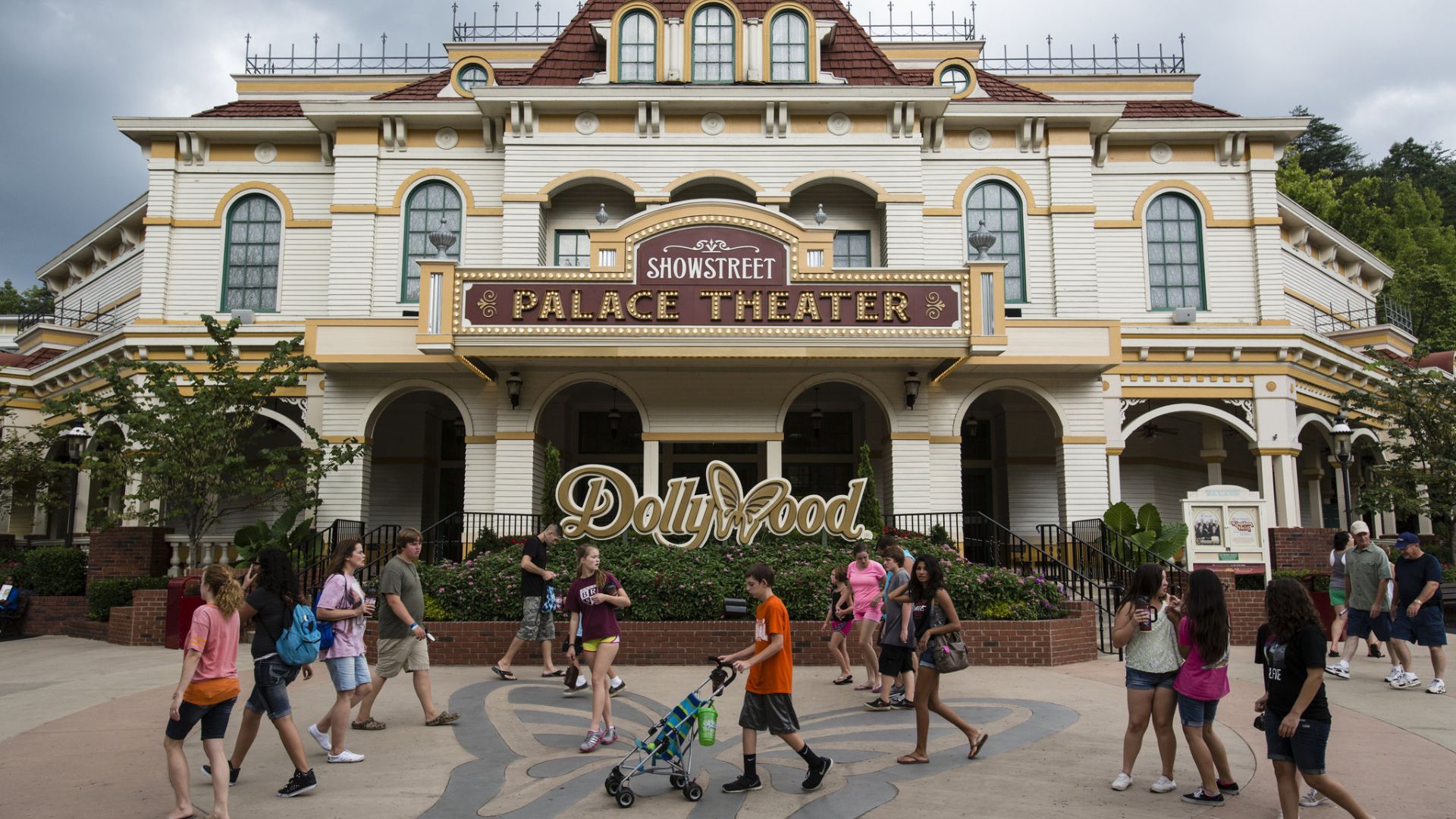
The Dollywood Harvest Festival runs through October and into early November, with the park decorated in fall colors and a focus on food, craft, and seasonal entertainment. Ober Gatlinburg's Oktoberfest typically runs late September through early November with themed food and entertainment. The October edition of the Gatlinburg Craftsmen's Fair runs for approximately three weeks at the Convention Center. Check craftsmenfair.com and gatlinburg.com for current-year dates on all three.
Fall foliage in the Smokies follows a reliable elevation rule: every 1,000 feet of gain corresponds to roughly a week of earlier peak color. A hike to Alum Cave Bluffs in early October will show color well before the valley floor. Newfound Gap Road at 5,000 feet is typically spectacular by the first week of October. The Gatlinburg Parkway and Roaring Fork Motor Nature Trail closer to town don't peak until mid-to-late October.
Winter — lights, quiet trails, and ski season
Winter in Gatlinburg runs roughly from Thanksgiving through February, and it's the most underrated season for the right kind of trip. Crowds thin dramatically after the Christmas and New Year's window, and January and February offer the quietest trails, lowest rates, and — when conditions cooperate — the best frozen waterfall photography of the year. Laurel Falls and Grotto Falls are worth checking after sustained cold snaps.
Winterfest / Winter Magic is a regional lights festival spanning Gatlinburg, Pigeon Forge, and Sevierville from roughly Thanksgiving through February, with millions of lights across downtown Gatlinburg and the Parkway. The lighting ceremony typically happens in mid-November; check gatlinburg.com for the current-year kickoff date.
The Gatlinburg Christmas Parade takes place in late November, routing through the Parkway. It draws large crowds — plan early arrival and use the trolley from the park-and-ride lots. Dates vary year to year; check gatlinburg.com for the current schedule.
New Year's Eve features the Space Needle Ball Drop at midnight, with crowds gathering on the Parkway below. The event fills downtown Gatlinburg and requires early arrival or the trolley system.
Ober Gatlinburg operates its ski and snowboard season through winter, with snow tubing available even when natural snow is limited. The aerial tramway from downtown runs year-round, making the mountain accessible regardless of whether you're skiing. Indoor ice skating at the Ober rink is also available year-round.
January and February are the months where Gatlinburg cabin rental rates hit their annual lows — the same cabins that book at full summer rates are often available at a significant discount, and the national park trails are quiet enough to have entirely to yourself on a weekday.
Frequently asked questions
What is the least crowded time to visit Gatlinburg?
January and February are the quietest months in Gatlinburg — after the New Year's holiday window passes, crowds drop sharply and remain low through late February. Within peak seasons, the sweet spots are: late September (fall foliage beginning at elevation, valleys still quiet), early June (summer weather without July crowds), and the second half of August (families back in school, lighter traffic on the Parkway).
When do the leaves peak in Gatlinburg?
Peak foliage timing varies year to year depending on temperature and rainfall, but the reliable pattern is: high-elevation areas (Newfound Gap, Clingmans Dome Road, Kuwohi) peak in early October, and the valley-level areas around Gatlinburg and Cades Cove peak in mid-to-late October. The overall fall foliage season runs from the first week of October through early November. Check smokymountains.com or the Great Smoky Mountains Association for current-year foliage reports as the season approaches.
Is Gatlinburg worth visiting in winter?
Yes — winter is one of the more underrated times to visit. The Winterfest lights run from Thanksgiving through February, the national park trails are uncrowded, and January/February rates on cabin rentals are the lowest of the year. If you want to ski or snow tube, Ober Gatlinburg operates through winter with snowmaking. The main trade-off is shorter daylight hours and the possibility of road closures on higher-elevation park roads during snow events.
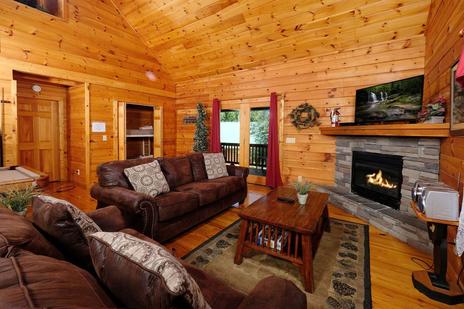
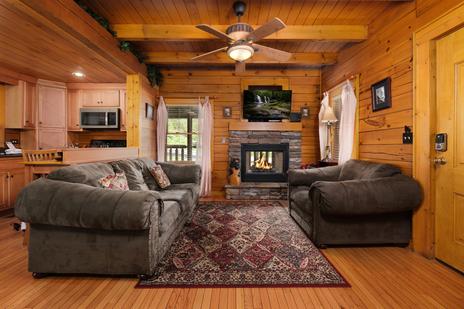
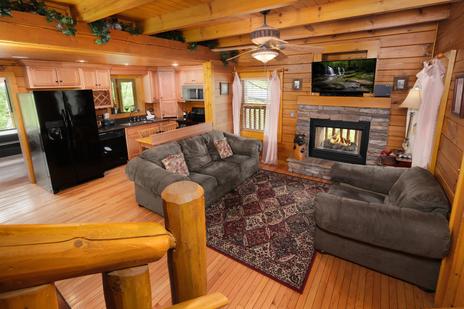
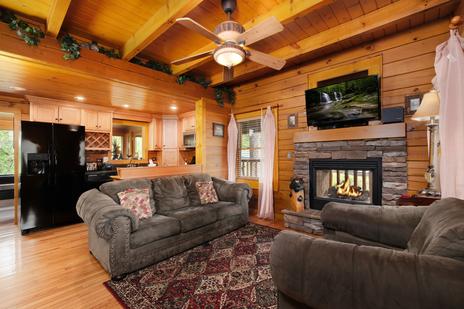
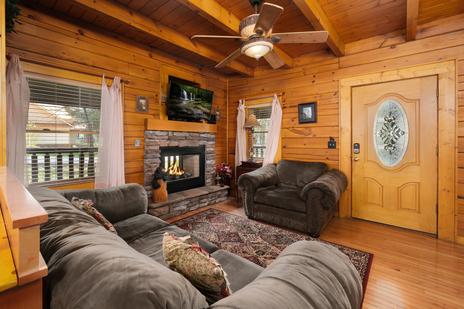
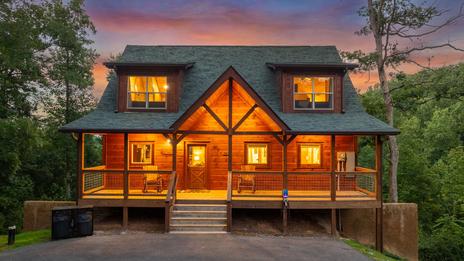
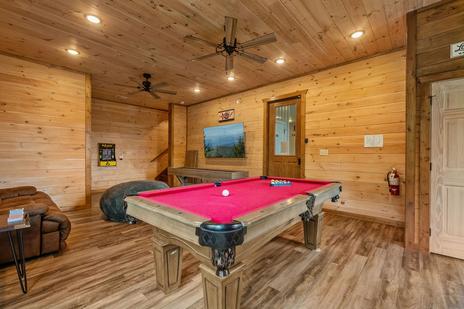
Browse Gatlinburg cabin rentals for any season — from fall foliage cabins to Christmas and Winterfest stays.