The Battle of the Burg: Gatlinburg History Forgotten
Published May 11, 2022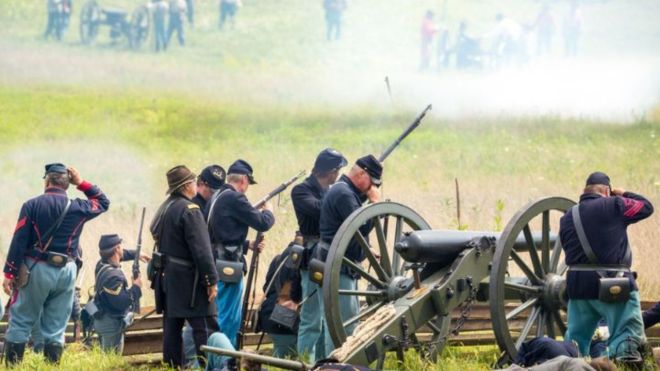
Most visitors to Gatlinburg don't know that the town was a military objective during the Civil War, that it was occupied by Confederate forces with Cherokee soldiers in their ranks, or that a small but consequential skirmish was fought here in December 1863. The reason has to do with saltpeter — and the story is worth knowing before you walk the Parkway.
Why Gatlinburg mattered: the saltpeter mines
In the mid-19th century, the mountain caves and soil formations around Gatlinburg contained deposits of saltpeter — potassium nitrate — a raw material essential to the production of gunpowder. Both the Union and Confederate armies needed it, and the Appalachian cave systems of East Tennessee were among the more accessible domestic sources available to the Confederacy once the war cut off import channels.
Confederate forces occupied the Gatlinburg area to control and exploit the saltpeter mines, establishing a presence in a town whose civilian population wanted largely to stay out of the conflict. East Tennessee was deeply divided — the region had voted against secession before the war, and many families in Sevier County had Union sympathies while living under Confederate occupation. The saltpeter resources made neutrality difficult. Whichever side controlled the mines controlled a material advantage, and Gatlinburg was no longer a backwoods town that history could ignore.
Thomas' Legion — Cherokee and Highlanders
The Confederate forces stationed in the Gatlinburg area in the early 1860s included soldiers from Thomas' Legion — formally organized in 1862 by William Holland Thomas, a North Carolina businessman and adoptive member of the Eastern Band of Cherokee Indians. Thomas had spent decades as the Eastern Band's legal advocate and commercial representative, and when the war began he recruited both white Appalachian fighters and Eastern Band Cherokee warriors into a single combined-arms unit: infantry, cavalry, and artillery.
Thomas' Legion — sometimes designated the 69th North Carolina — was unusual in the Confederate Army for its composition and its loyalty structure. The Cherokee fighters of the Legion were loyal not to the Confederate cause in the abstract but to Thomas personally, who had spent his career defending their land rights and citizenship claims. The Cherokee recruits believed their service might be rewarded with formal citizenship recognition — a calculation that reflected the precarious legal status the Eastern Band had occupied since removal. A Legion soldier reportedly once remained motionless at his watch post for fourteen hours through a snowstorm rather than abandon his post. Union forces were aware of this loyalty; when Cherokee fighters were captured and offered rewards to return with Thomas's scalp, they refused.
The Legion served in western North Carolina and East Tennessee throughout the war and surrendered in May 1865 — fighting the last skirmish of the war in North Carolina before laying down arms at Waynesville.
The Battle of the Burg, December 1863
In December 1863, Union Colonels William Palmer and C.D. Lamborn led their forces into the Gatlinburg area with orders to dislodge the Confederate occupation and secure Union control of the saltpeter mines. The opposing forces met on Burg Hill — present-day Gatlinburg — in a short engagement that resulted in Confederate retreat. The Battle of the Burg, as it came to be known locally, was a minor skirmish by the standards of the wider war but decisive for the community: the Confederate forces withdrew, Union troops established control of the area and the mines, and Gatlinburg spent the remainder of the war under Union influence.
The civilian population experienced the war as most mountain communities did — through occupation, resource extraction, divided loyalties within families, and the constant uncertainty of which side's soldiers would appear next. The prewar wish to remain neutral gave way to the lived reality of saltpeter and soldiers. Most residents simply tried to survive until it was over.
A reenactment of the Battle of the Burg is performed annually in Gatlinburg for the public — check the Gatlinburg events calendar for current year dates and location.
What remains today
The Gatlinburg most visitors see today bears almost no physical trace of the Civil War — the Parkway commercial strip, the national park entrance, and the resort infrastructure have layered over the mountain town that the armies fought over. The town's name itself, which comes from Radford Gatlin (a general store owner who arrived in the 1850s), predates the war. Burg Hill is present-day Gatlinburg; the exact battle site is unmarked in the current streetscape.
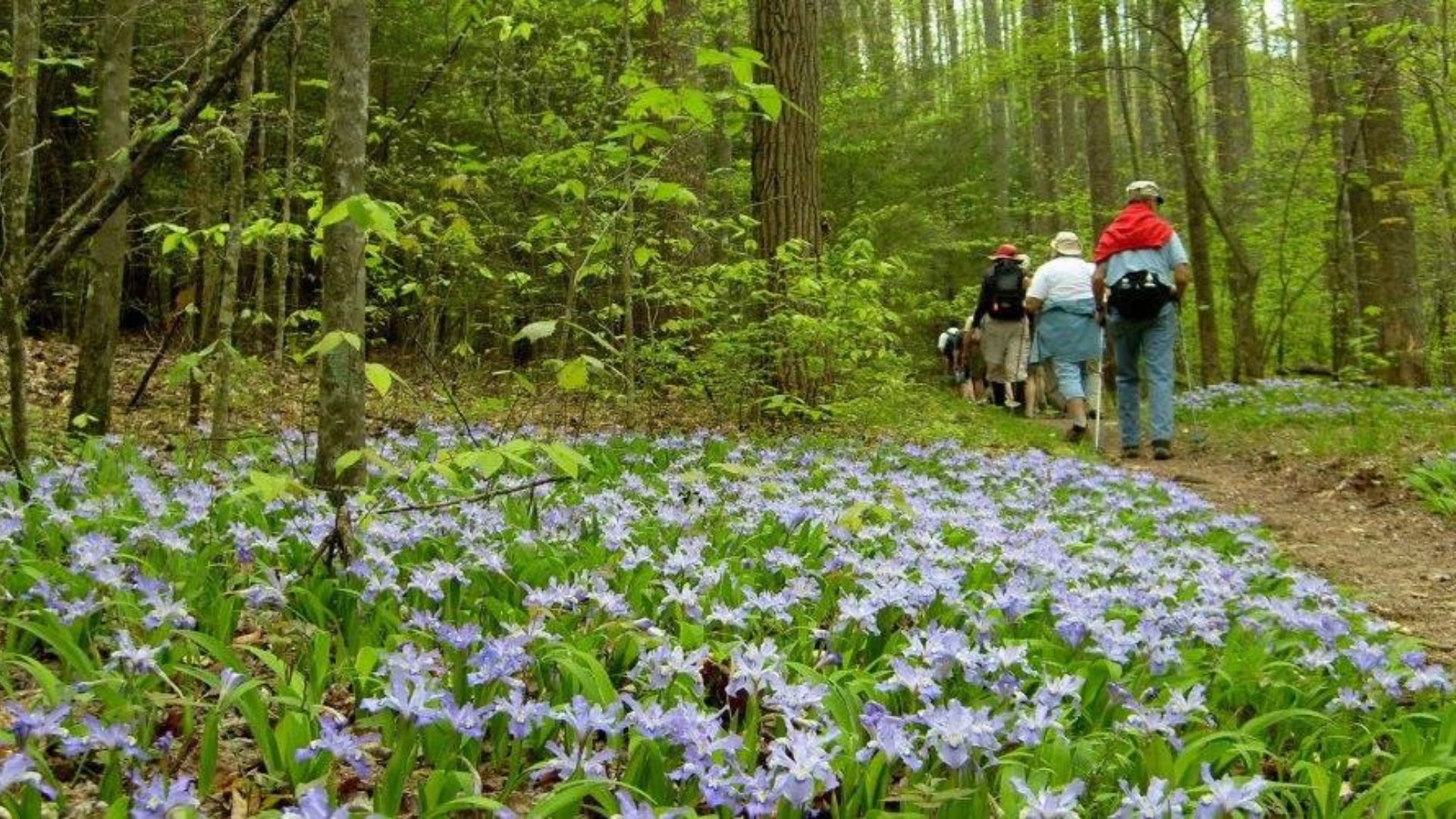
The Great Smoky Mountains National Park that surrounds Gatlinburg incorporates much of the terrain that Thomas' Legion and Union forces moved through during the war. The trails and ridgelines that today carry hikers toward Alum Cave and Rainbow Falls were military routes during the 1860s. The park's history trails — particularly through the Greenbrier area — overlay on land that witnessed the full span of Appalachian history before the park was established in 1934.
Frequently asked questions
Was Gatlinburg a Union or Confederate town during the Civil War?
The civilian population was largely pro-Union — East Tennessee as a region had voted against secession in 1861. But the area was occupied by Confederate forces for a period due to its saltpeter resources. After the Battle of the Burg in December 1863, Union forces controlled the area through the end of the war. Many families in Sevier County had divided loyalties, with members on both sides of the conflict.
Who were the Eastern Band Cherokee fighters in Thomas' Legion?
The Eastern Band of Cherokee Indians are the descendants of Cherokee who remained in western North Carolina during the 1838 forced removal (the Trail of Tears). William Holland Thomas, who had been raised among the Eastern Band and served as their legal advocate, recruited several hundred Cherokee fighters into his Legion beginning in 1862. Their primary motivation was loyalty to Thomas and the hope that Confederate service might secure formal citizenship rights — not Confederate ideology. The Eastern Band still lives in western North Carolina today, and their history during the Civil War era is documented at the Museum of the Cherokee Indian in Cherokee, NC.
Explore Gatlinburg cabin rentals — the base for everything the town and the surrounding national park have to offer, including its often-overlooked history.