Gatlinburg vs. Pigeon Forge: Which is Right for You?
Published Apr 20, 2019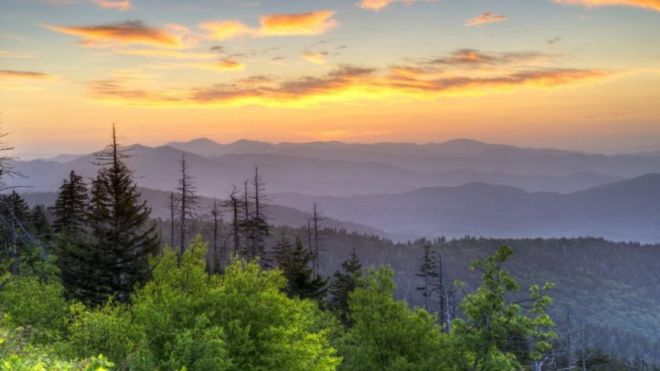
Gatlinburg and Pigeon Forge are seven miles apart on the same road — close enough that visitors can easily move between them, different enough that the choice of home base meaningfully shapes the character of the trip. Here's what distinguishes them and how to decide which is right for your group.
Gatlinburg: the mountain town
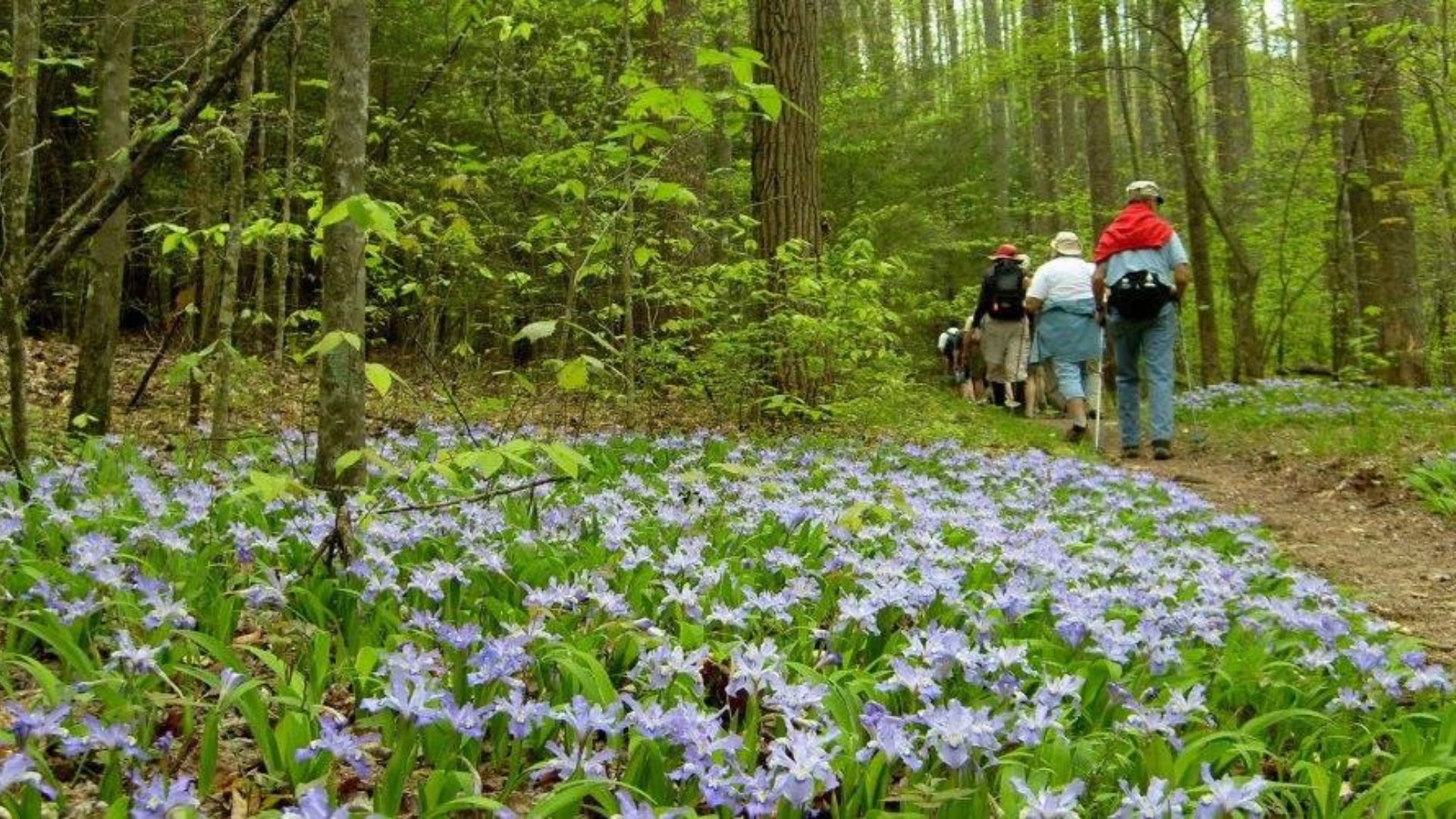
Gatlinburg sits at the primary eastern entrance to Great Smoky Mountains National Park, which makes it the natural base for visitors whose trip centers on outdoor activity. The national park begins at the southern edge of town; the trails, waterfalls, scenic drives, and wildlife corridors of the Smokies are within minutes of any Gatlinburg cabin. The Sugarlands Visitor Center is the first stop for anyone planning a serious hike.
Downtown Gatlinburg is a walkable mile-and-a-half Parkway with genuine mountain town character — local distilleries, the Ole Smoky Moonshine tasting rooms, the Gatlinburg Arts & Crafts Community, Ripley's Aquarium, Anakeesta, and the SkyLift Park with North America's longest suspension bridge. The scale is human rather than sprawling — everything is reachable on foot from a central parking structure, and the pace of the town is slower than Pigeon Forge even at peak season.
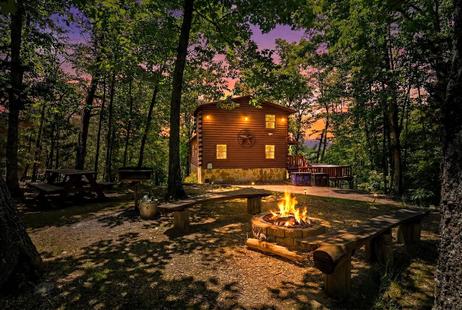
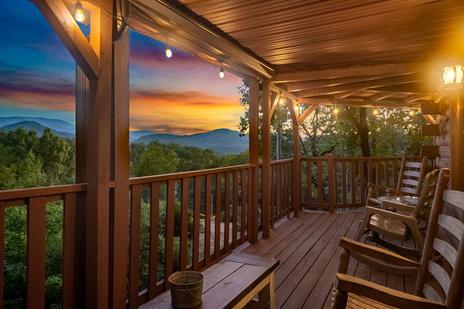
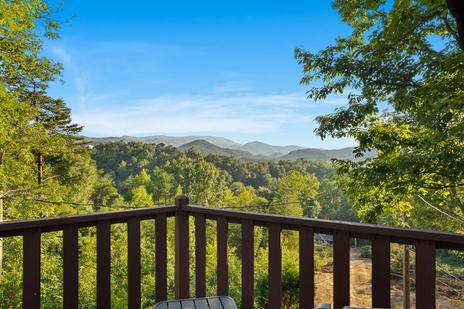
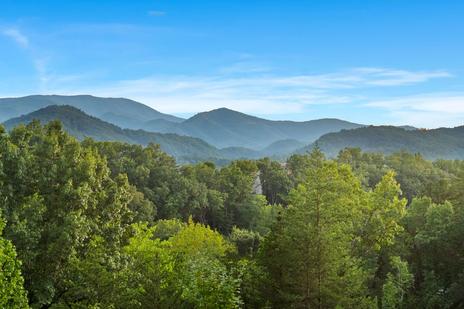
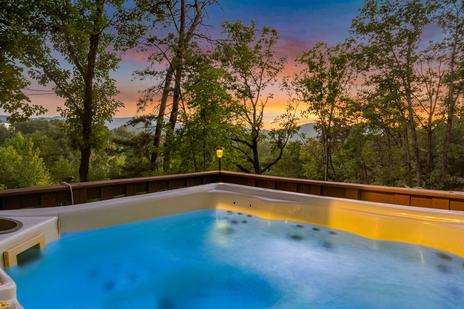
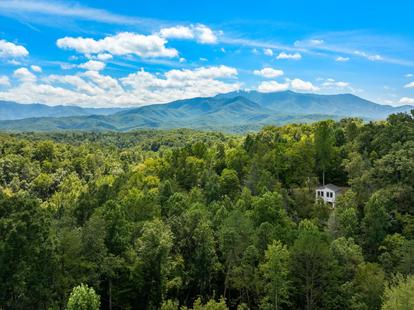
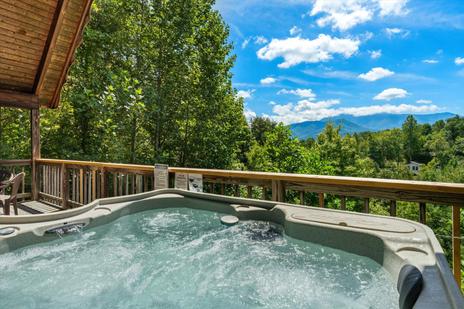
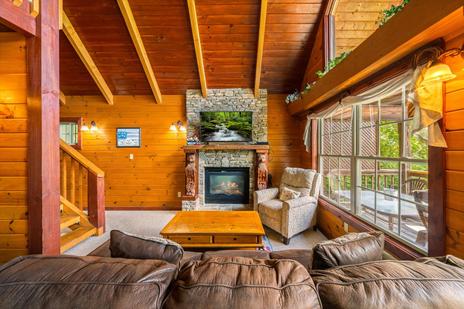
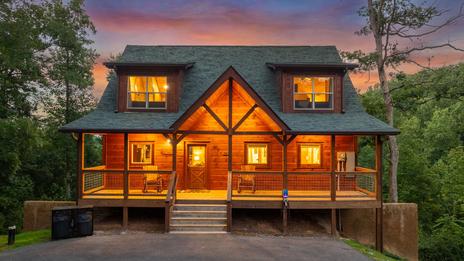
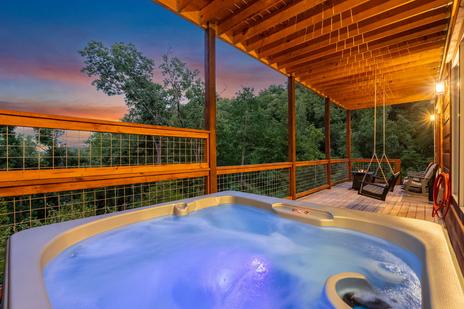
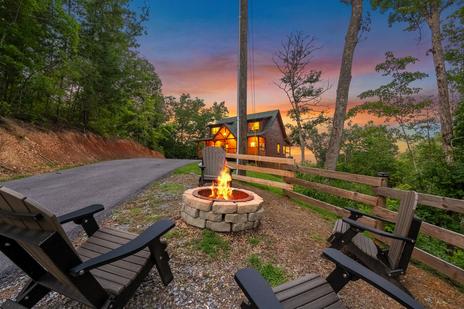
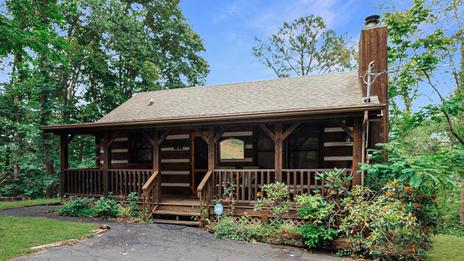
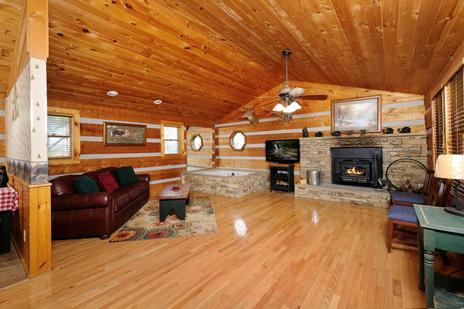
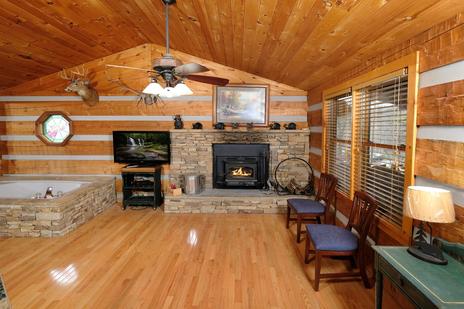
Gatlinburg's cabin inventory skews toward properties on elevated hillsides with mountain views, which means many cabins sit above the Parkway noise with privacy and scenery that Pigeon Forge's flatter terrain doesn't replicate as easily. If a morning coffee on a deck overlooking a ridgeline is part of the mental image for the trip, Gatlinburg is more likely to deliver it.
Choose Gatlinburg if:
You want easy access to national park trails and wildlife. You prefer a walkable downtown with local character over a strip of commercial attractions. You're traveling as a couple or small group prioritizing scenery and outdoor activity. You want a romantic cabin with mountain views and privacy. You're looking for a more relaxed pace overall.
Pigeon Forge: the entertainment corridor
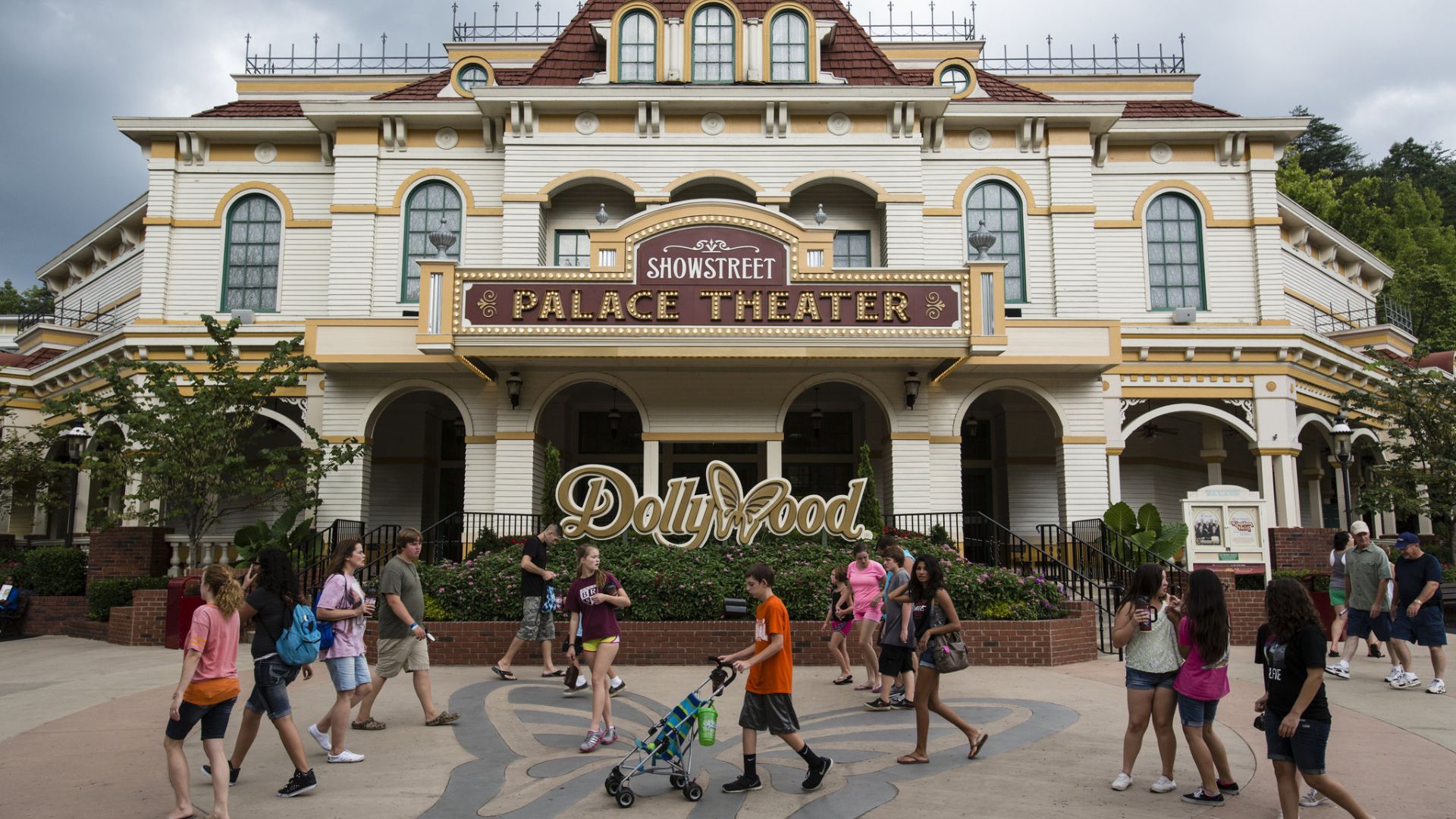
Pigeon Forge is built around the Parkway — a multi-mile strip of attractions, dinner shows, restaurants, mini golf courses, go-kart tracks, and retail that runs the full length of town. Dollywood is the anchor: a 160-acre theme park that takes a full day to experience properly and runs the scale from toddler-appropriate rides to major coasters. The Island, the Titanic Museum, WonderWorks, and dozens of other attractions fill the gaps. Pigeon Forge has more total entertainment inventory than Gatlinburg by a significant margin.
The tradeoff is the commercial feel. The Parkway in Pigeon Forge runs busy and loud — traffic on peak summer and fall weekends is significant, and the strip's energy is consistently high. For families with children who want activity, variety, and the specific experience of a Dollywood-centered vacation, that energy is exactly what they're after. For couples or solo travelers looking for quiet, it's not.
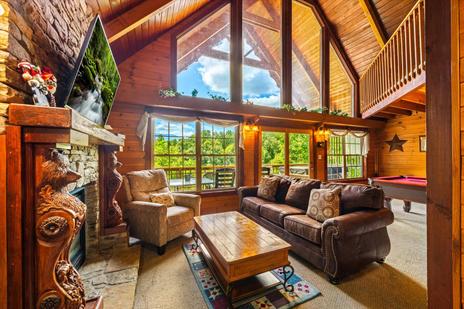
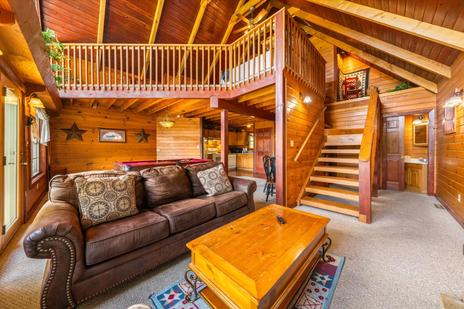
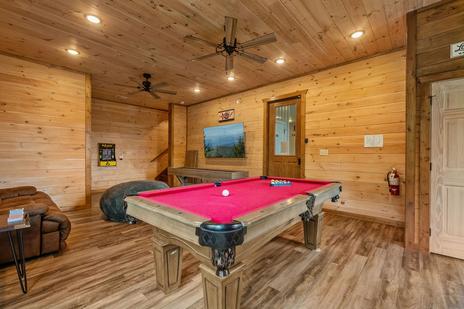
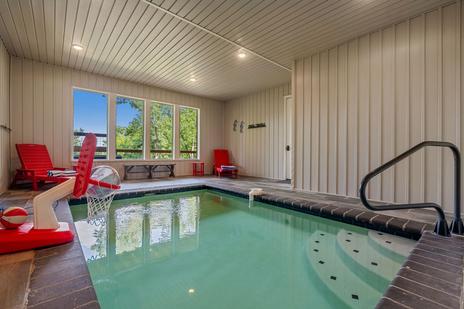
Pigeon Forge's cabin inventory tends toward the larger end of the market — the area has more multi-bedroom group properties, more large family cabins with game rooms and private pools, and more resort-style developments than Gatlinburg. The terrain is flatter, which means more cabins are accessible to vehicles without mountain road experience.
Choose Pigeon Forge if:
Your trip centers on Dollywood or the dinner shows. You're traveling with children who want rides, attractions, and activity. You need a large cabin for a family reunion or group trip. The Parkway entertainment corridor is what you're looking for rather than national park access. You want maximum activity density within a short drive of the cabin.
What they share
Both towns are within easy reach of Great Smoky Mountains National Park, which charges no admission. Cades Cove, the national park's most popular wildlife-viewing loop, is accessible from either base. The two towns are seven miles apart — dinner in Gatlinburg and a morning at Dollywood in Pigeon Forge is a realistic single-day plan. Wears Valley and Sevierville offer additional cabin inventory if neither Gatlinburg nor Pigeon Forge has the right property available on your dates — see Wears Valley cabins and Sevierville cabins for those options.
Frequently asked questions
How far apart are Gatlinburg and Pigeon Forge?
Approximately seven miles — a drive of 15 to 20 minutes on US-441 (the Parkway). During peak summer and fall foliage season, the Parkway between the two towns can slow significantly with tourist traffic, particularly on weekend afternoons. Wears Valley Road is a practical alternate route between the two towns that avoids the main Parkway congestion.
Which is better for families — Gatlinburg or Pigeon Forge?
Pigeon Forge for families whose trip centers on Dollywood, the dinner shows, and Parkway attractions — it has more total entertainment inventory for children and more large cabin properties. Gatlinburg for families who want the national park as a primary focus alongside age-appropriate attractions like Ripley's Aquarium and Anakeesta. Many families split the difference by staying between the two towns and visiting both.
Is Gatlinburg or Pigeon Forge closer to the national park?
Gatlinburg — the national park's main eastern entrance is at the southern edge of downtown, making trail access faster and more direct. Pigeon Forge is roughly 10 miles from the park entrance; the drive through Gatlinburg to Sugarlands is the standard route. For visitors whose trip is primarily focused on hiking and park exploration, Gatlinburg is the more practical base.
Browse Gatlinburg cabins and Pigeon Forge cabins — or see all Smoky Mountain cabin rentals if you're still deciding.