7 Must-See Sights Along the Scenic Cades Cove Loop
Published Apr 21, 2024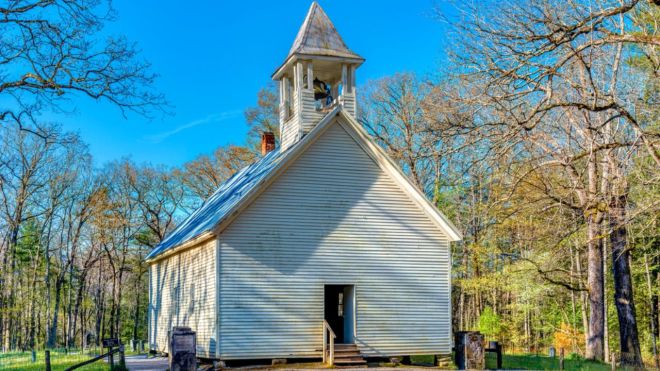
Cades Cove is the most visited destination in Great Smoky Mountains National Park — a broad, open valley ringed by mountains, with an 11-mile one-way loop road that passes historic homesteads, working mills, three 19th-century churches, and trailheads to some of the park's best waterfall hikes. Allow two to four hours for the drive alone; longer if you hike. Here are the seven stops worth knowing before you go.
Before you go
The loop road is closed to vehicles every Wednesday from approximately May through September — pedestrian and bicycle access only on those days. A parking tag is required any time you park for more than fifteen minutes, including at trailheads; purchase tags online at recreation.gov or at the Sugarlands Visitor Center before you arrive. The loop road has one entrance off Laurel Creek Road. Two two-way shortcut roads — Sparks Lane and Hyatt Lane — cut across the middle of the loop if you need to exit early. Download a map or the NPS app before leaving; cell service is unreliable once you're inside the cove. Arrive early in the morning for the best wildlife activity and the shortest traffic queues — on summer and fall weekends the loop road can back up significantly by mid-morning.
John Oliver Cabin
The first stop on the loop is the oldest standing structure in Great Smoky Mountains National Park — a log cabin built around 1822 by John Oliver, one of the first permanent European-American settlers in the cove. The cabin was built without nails, using traditional Appalachian notched-log joinery, and has stood largely intact for two centuries. A short paved accessible trail leads from the parking area to the cabin. The meadow surrounding it is one of the cove's most reliable wildlife viewing spots: white-tailed deer feed here in the early morning, and black bears are seen regularly in the fields around the cabin.
Primitive Baptist Church
The Primitive Baptist congregation was the first established in the cove, organized in 1827, though the white frame building standing here today dates to after the Civil War. Inside, look up at the ceiling — the handprints of the carpenters who built it are still visible in the wood. The church cemetery outside holds the cove's oldest graves, including several from the pre-Civil War era. Two additional churches appear further along the loop — the Methodist Church and the Missionary Baptist Church — each telling a slightly different chapter of the cove's religious and social history.
Abrams Falls
The trailhead for Abrams Falls is one of the most popular stops on the loop and one of the most visited waterfall hikes in the entire national park. The falls themselves are only about twenty feet high, but carry an exceptional volume of water — the roaring force and mist at the base make them feel far more powerful than the height implies. The hike is five miles round trip with moderate elevation change; plan two to three hours. The pool at the base is a common bear sighting area — maintain the NPS-required fifty-yard distance. Dogs are not permitted on this trail or any other backcountry trail in the national park.
Cable Mill
The Cable Mill area at the halfway point is the most substantial stop on the loop — a working grist mill built in the late 1860s by John P. Cable, still operational and still using the original millstones. When the mill is running, you can watch the overshot waterwheel turn the millstones and purchase freshly ground cornmeal from the visitor center next door. The surrounding Cable Mill historic area includes barns, a corn crib, a smokehouse, and a sorghum mill, giving a complete picture of how a self-sufficient 19th-century Appalachian farm operated. Restrooms are located here — the only backcountry restroom facilities in the cove.
Cades Cove Nature Trail
The short, easy Cades Cove Nature Trail loops through mixed hardwood forest and follows a small stream, making it the most accessible hike on the loop for families with young children or visitors who want a brief walk without the commitment of Abrams Falls. Wildflowers are abundant in spring, foliage is vivid in fall, and wildlife — deer, turkeys, groundhogs, and the occasional black bear — appears with enough regularity that it's worth moving quietly. The trailhead is located about seven miles into the loop.
Dan Lawson Place
Dan Lawson was the cove's postmaster and Justice of the Peace, and his 1856 cabin was the valley's first post office. The cabin follows traditional Smokies construction with a notable detail: a "stranger's room" — a small space, often on the front porch or accessible from outside, where passing travelers could spend the night without disturbing the main household. This practice of roadside hospitality was common in rural Appalachia during the 19th century, and the Dan Lawson Place is one of the most complete surviving examples of it in the park.
Tipton Place
The final major stop on the loop is the Tipton Place, notable for its cantilever barn — a distinctive Appalachian barn design with a dramatically overhanging upper story that projects well beyond the foundation, providing covered storage and shelter for animals in the space below without requiring additional support posts. Tennessee has more surviving cantilever barns than any other state, and the example at Tipton Place is one of the most photographed in the Smokies. The barn, combined with the cabin and outbuildings, makes Tipton Place one of the most complete historic farmstead preservations on the loop.
Frequently asked questions
How long does it take to drive the Cades Cove loop?
The NPS recommends allowing two to four hours for the drive with stops at the historic structures. Add another two to three hours if you hike Abrams Falls. On busy summer and fall weekends, traffic on the one-way loop can slow the drive significantly — a full day is a realistic expectation if you arrive mid-morning.
When is the loop road closed to vehicles?
Every Wednesday from approximately early May through late September, the Cades Cove Loop Road is closed to all vehicle traffic from sunrise to sunset. Pedestrians and cyclists may use the road on those days. Exact dates vary by year — confirm on the NPS website before planning a Wednesday visit.
Can I bring my dog to Cades Cove?
Dogs may ride through the loop in your car but are not permitted on any hiking trails in the cove, including Abrams Falls Trail and the Cades Cove Nature Trail. This is an NPS rule that applies throughout Great Smoky Mountains National Park, with the sole exceptions of the Gatlinburg Trail and the Oconaluftee River Trail near Cherokee. Fines apply for dogs on prohibited trails.
What's the best time of day to visit?
Early morning — ideally before 9 AM — for peak wildlife activity and the least traffic on the one-way loop. Wildlife, particularly deer and black bears, is most active at dawn and dusk. Midday summer visits mean more traffic, fewer wildlife sightings, and heat. The cove is beautiful in every season; fall foliage peaks in mid-October and draws the largest crowds of the year.
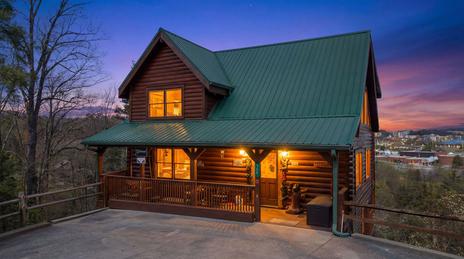
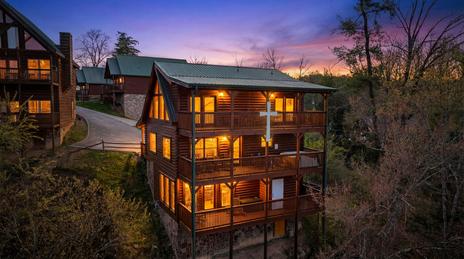
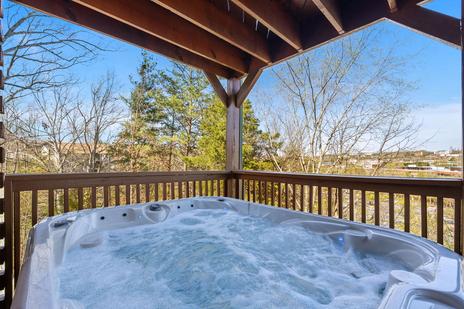
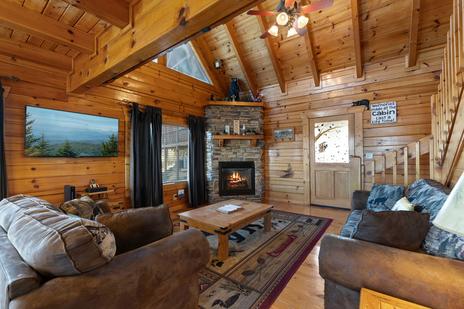
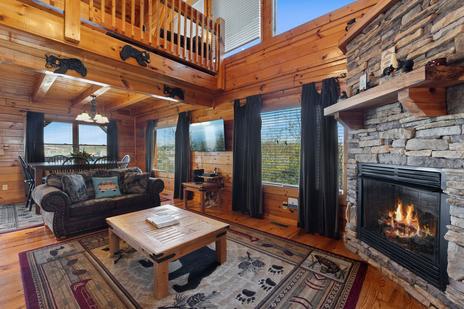
Cades Cove is about forty-five minutes from downtown Gatlinburg via Little River Road. A Gatlinburg cabin puts you close enough to visit at sunrise, when the wildlife is out and the loop road is quiet, and be back at the cabin for breakfast.