How to Pack for Your Gatlinburg Cabin Vacation
Published Sep 10, 2022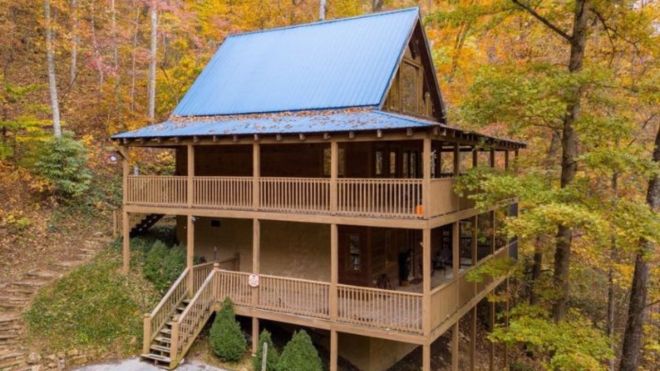
A cabin vacation in Gatlinburg is different from a hotel stay in ways that change what you actually need to pack. You have a full kitchen, a washer and dryer in many cabins, trails starting from the park boundary, and mountain weather that can swing 30 degrees in a day. Here's what to bring — and what you can leave behind.
Check the weather before you finalize anything
Mountain weather in the Smokies is genuinely variable and doesn't follow the same patterns as the cities most visitors drive in from. The temperature differential between Gatlinburg at 1,400 feet and a high-elevation trailhead at 5,000 feet can be 20 degrees on the same afternoon. A clear morning in Gatlinburg frequently becomes a cloudy, cool afternoon on the ridge. Rain moves through quickly and often clears; fog is common in spring and fall mornings. Check a multi-day forecast that includes hourly data for your visit rather than a single daily high/low — that will show the swing. Rain gear is almost always worth packing regardless of the forecast, and layers are mandatory for any hiking plan that involves elevation gain.
Clothing — layers over bulk
The most common packing mistake for a Smoky Mountains cabin trip is overpacking single-purpose clothing and underpacking layering pieces. A lightweight base layer, a mid layer (fleece or light insulation), and a wind- or rain-resistant shell covers essentially every condition you'll encounter from spring through fall. In summer, the shell can drop out unless you're hiking to elevation; in shoulder seasons it's essential. Sturdy, broken-in hiking boots or trail shoes are the highest-priority footwear for any active agenda — waterproofed if you plan to cross streams or hike after rain. Pack one pair of comfortable casual shoes for town and evenings, and you're set.
For winter visits: add a heavier insulation layer and waterproof boots. Snow on the higher trails is common from December through March, and the Parkway itself can ice overnight. Gloves, a hat, and proper waterproofing on footwear matter more in winter than any single clothing piece.
What the cabin provides vs. what to bring
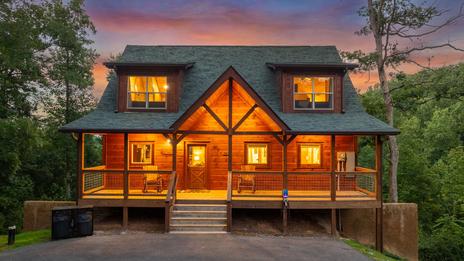
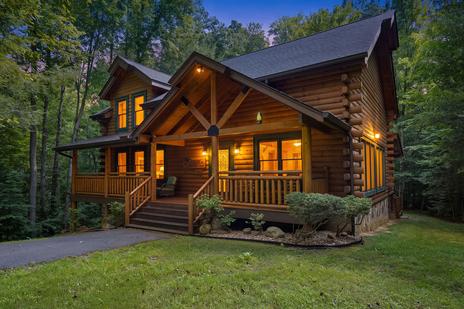
Colonial Properties cabins come equipped with linens, towels, basic kitchen supplies, and standard appliances. You don't need to bring bedding, pillows, or cookware for a full kitchen stay. What the cabin typically doesn't provide: toiletries beyond the basics (bring your own shampoo, conditioner, and personal care items), specialty food items, laundry detergent if you plan to use the washer/dryer, and any personal medications. Confirming the specific amenities on your cabin's listing page before you pack — particularly the kitchen equipment — prevents both overpacking and arriving short on something specific.
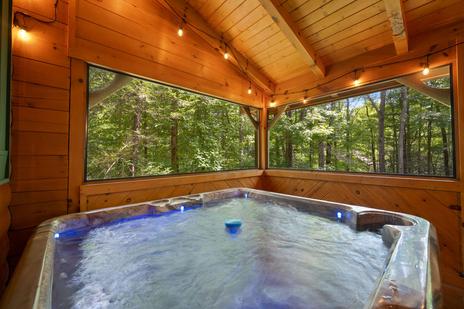
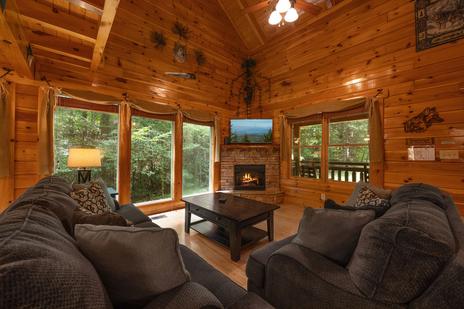
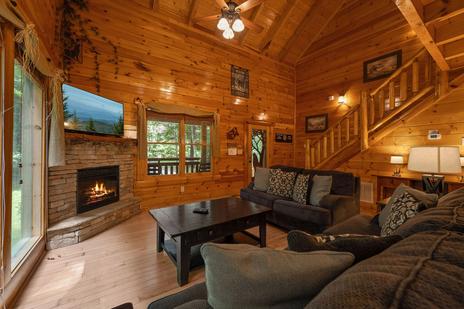
If you're booking a cabin with a hot tub, swimwear belongs on the packing list year-round. If you have a pet-friendly cabin, bring food, a leash, waste bags, and any pet bedding — the cabin won't have those. Cabins with fireplaces typically operate seasonally (October through late February); if you're visiting outside that window, the fireplace won't be available. Firewood is not supplied — bring your own or purchase locally.
Outdoor gear for hiking and the national park
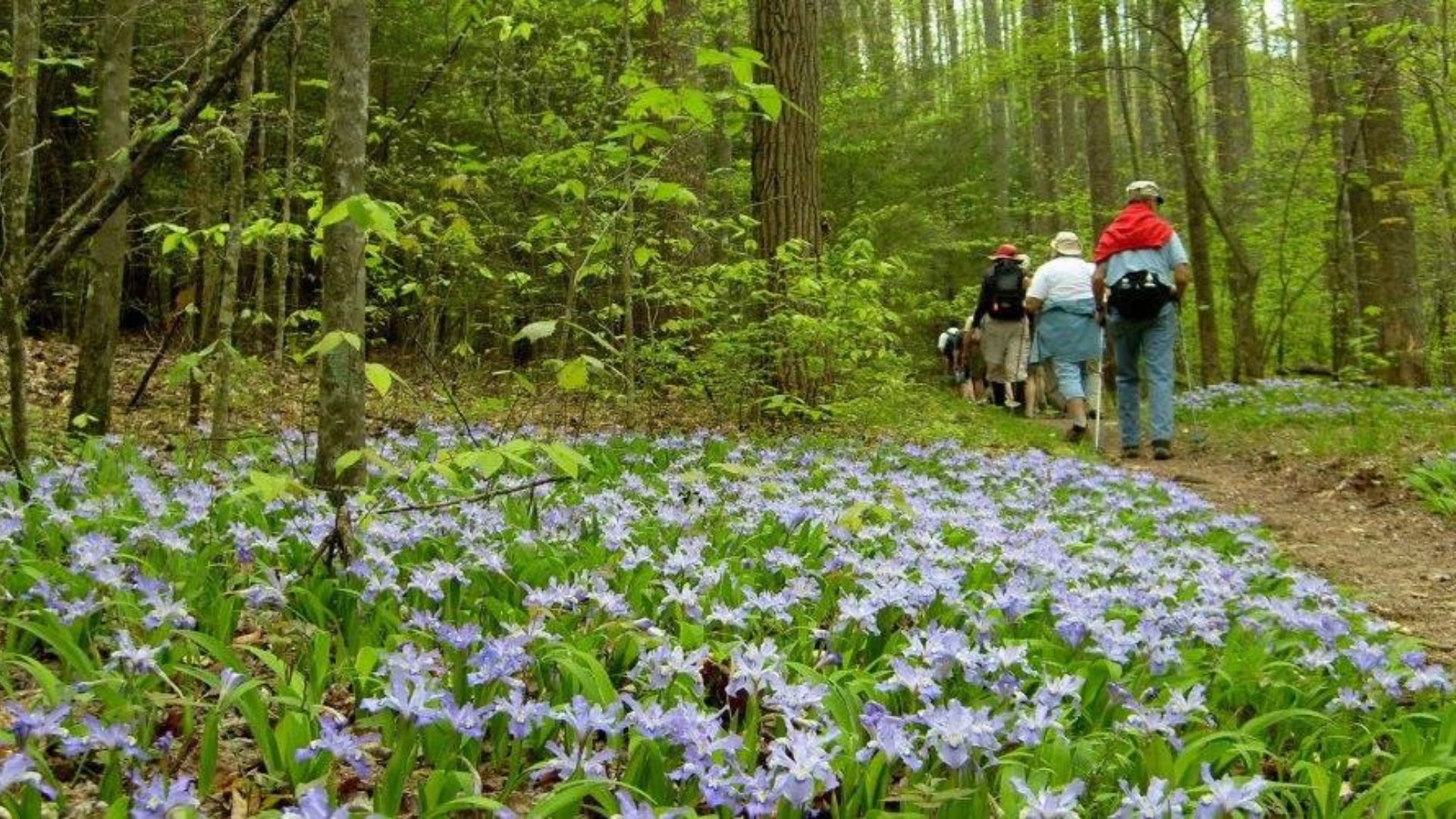
For any hiking in Great Smoky Mountains National Park, the essentials are: a daypack, at least two liters of water per person per hike, trail snacks, a basic first aid kit, a map of your planned trail (downloaded offline — cell service is spotty inside the park), and sun protection. Trekking poles are worth including for longer or steeper hikes, particularly Ramsey Cascades, Gregory Bald, or any of the Appalachian Trail ridge sections. A headlamp or flashlight matters more than most visitors expect — trail conditions change faster than planned schedules, and hiking out in low light without one on a rocky trail is genuinely dangerous.
Bug spray is essential from May through September — the Smokies have significant mosquito and tick populations in warmer months, and hikers covering dense vegetation should check for ticks after every outing. Bear spray is sold at outfitters near the park; carrying it adds a margin of safety on less-traveled trails. Keep it accessible, not buried in a pack.
Toiletries and medications
All cabins provide basic startup toiletries, but plan to bring your own full supply for a multi-night stay. Mountain elevations can intensify sun exposure; SPF 30 or higher is worth packing even for non-beach trips, particularly for any time on exposed ridges or at elevation. If you take prescription medications, bring more than you need — the nearest pharmacy may be 20 to 30 minutes from your cabin, and mountain drives in adverse conditions extend that. Over-the-counter basics (pain reliever, antacid, antihistamine, allergy medication) are worth packing for the same reason. Motion sickness medication is relevant for visitors who react to winding mountain roads — the switchback approach to many cabins and trailheads is more significant than highway driving.
Food and kitchen supplies
One of the main arguments for a cabin over a hotel is the full kitchen. Planning at least two or three meals to prepare at the cabin cuts trip cost meaningfully and gives the group a home base that a restaurant can't. Pack pantry staples you'd use for those meals — cooking oil, salt, pepper, coffee, and any specialty items you know you'll need — rather than buying everything locally. The grocery options in Pigeon Forge are solid (Food City, Kroger, Publix are all within the corridor), but having staples on arrival avoids the first-night grocery run. A good cooler for the drive down lets you bring perishables from home and stock the cabin fridge immediately on arrival.
For snack-heavy outdoor days, pre-packing trail snacks from home is cheaper than buying them locally. Energy bars, nuts, dried fruit, jerky, and easily portable food hold up well in a pack and take no cabin prep time.
First aid and emergency essentials
A compact first aid kit is non-negotiable for any group that's hiking. At minimum: bandages in multiple sizes, antiseptic wipes, blister treatment (moleskin or blister pads are the hiking-specific tool), pain reliever, and any prescription medications. For longer hikes, add a space blanket (emergency insulation weighs almost nothing), a whistle, and a small flashlight with fresh batteries. Hikers in the Smokies underestimate how quickly weather can change at elevation — temperature drops, fog, and fast-moving rain are common enough that emergency insulation isn't paranoia for a high-elevation day hike.
Car chargers and a portable power bank are practical additions for any trip involving navigation by phone in the park — cell batteries drain fast when the phone is working to find a signal in low-coverage areas.
Frequently asked questions
Do Gatlinburg cabin rentals provide towels and linens?
Yes — Colonial Properties cabins come with linens, towels, and bedding. You don't need to bring sleeping bags or bedding for a standard cabin stay. Confirm the specific supply on your cabin's listing page if you have a question about a particular item.
Is there Wi-Fi in Gatlinburg cabins?
Most Colonial Properties cabins include Wi-Fi, but cell service inside Great Smoky Mountains National Park is spotty to nonexistent on many trails. Download offline maps (AllTrails, Gaia GPS, or Google Maps offline) for your planned trails before you leave the cabin each morning. Don't rely on navigation by cell signal once you're on the trail.
Browse Gatlinburg cabin rentals — filter by the amenities that matter for your trip.