How the Great Smoky Mountains National Park Was Actually Created
Published Oct 9, 2026
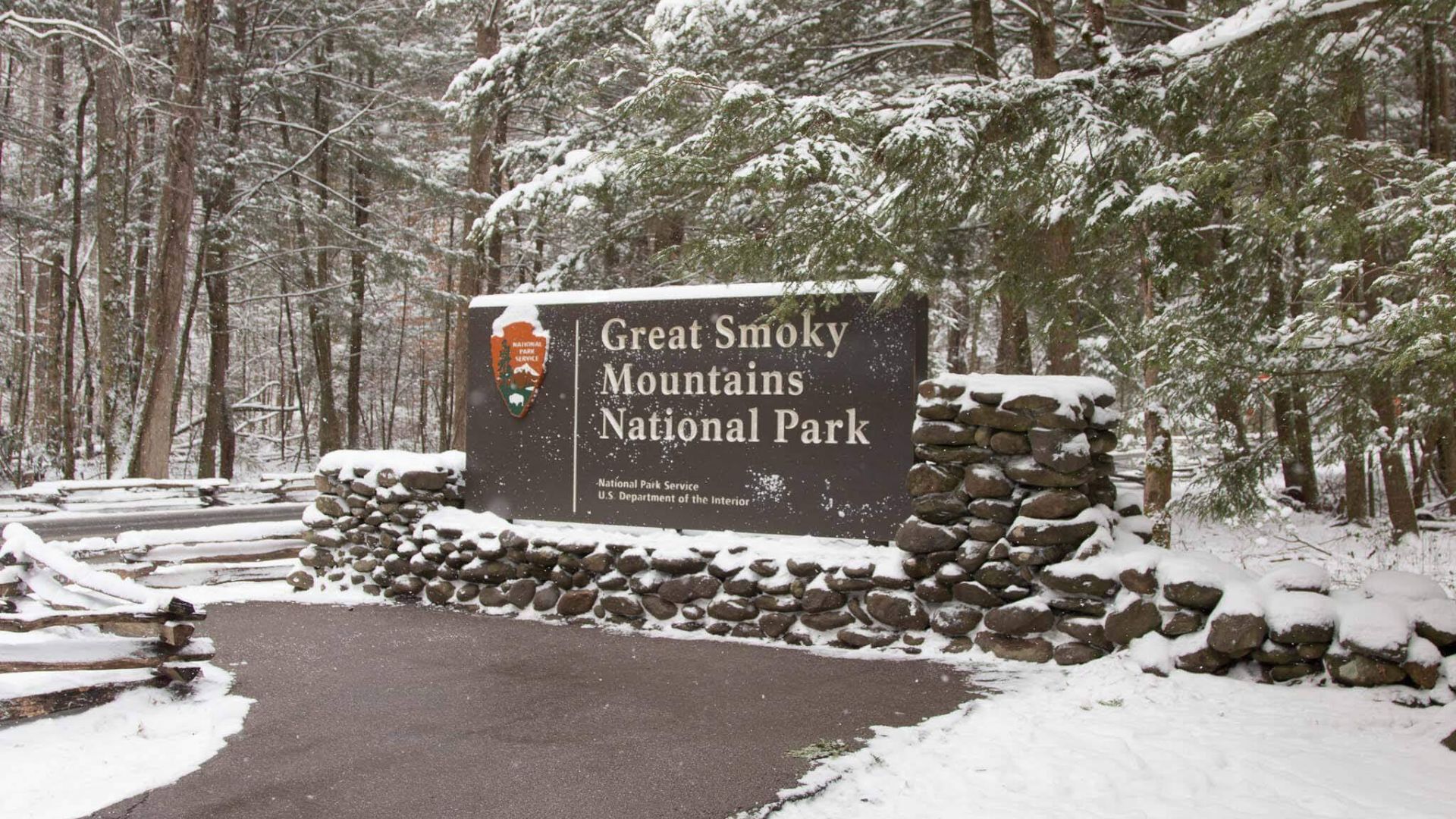
Most of America's great national parks were simply drawn onto land the federal government already owned — a line on a map around wilderness the country had never sold. The Great Smoky Mountains were different, and the difference is the whole story. This park had to be bought, acre by acre, from thousands of private owners and powerful timber companies, using money scraped together by two states, private donors, a Rockefeller fund, and even schoolchildren emptying their piggy banks. How that happened — and what it cost the people who already lived here — is one of the more remarkable origin stories in the national park system.
A park that had to be purchased, not proclaimed
By the 1920s, the national park idea was well established out West — Yellowstone, Yosemite, and the rest had been carved from vast federal holdings. The East had almost no such land. The southern Appalachians were a patchwork of small farms, mountain communities, and enormous tracts owned by logging and paper companies that were rapidly cutting the ancient forests. If the Smokies were to become a park, every acre would have to be acquired from a private owner. In all, the land that became the park was held by more than 6,000 separate owners — hundreds of small farmers plus a cluster of large timber corporations — spread across some 700,000 acres. No one had ever built a national park this way.
The movement and the money
The push came largely from boosters in Knoxville, Tennessee, and Asheville, North Carolina — civic leaders like David Chapman and Willis Davis, and the writer Horace Kephart, who saw both the beauty worth saving and the tourism a park could bring. In a surprising twist, newly formed automobile clubs were among the loudest advocates, hungry for scenic roads to drive. In May 1926, President Calvin Coolidge signed the bill authorizing both Great Smoky Mountains and Shenandoah national parks — but with a catch: the government wouldn't take over until a huge amount of land had actually been bought and handed over.
So the fundraising began, and it was extraordinary:
- Tennessee and North Carolina each appropriated about $2 million.
- Private citizens, civic groups, and even schoolchildren chipped in — famously, local kids donated pennies and nickels toward buying the park.
- By 1928, roughly $5 million had been raised this way — and then the Laura Spelman Rockefeller Memorial Fund matched it with another $5 million, the single largest gift, effectively doubling the war chest.
Even with the money, buying the land was grueling. Thousands of parcels had to be surveyed and appraised one by one. The timber companies — eighteen of them — demanded compensation for their equipment and the standing timber they'd planned to cut, and many fought in court when the states moved to acquire land by condemnation. The purchasing dragged on for years.
The human cost
This is the part of the story that deserves to be told honestly. The land wasn't empty. Hundreds of families — farmers, millworkers, whole mountain communities with churches, schools, and cemeteries going back generations — had to leave their homes so the park could be created. For many it was a wrenching loss. Some elderly or ailing residents were granted lifetime leases allowing them to stay, and others got shorter leases, though under strict rules: no cutting timber, no hunting or trapping as they once had. The quiet cabins, chimneys, and stone walls you still find on trails at places like Cades Cove and the ghost town of Elkmont are what remains of those communities — and a reminder that the wilderness we enjoy today came at a real cost to the people who lived here first.
Building the park: the CCC years
Once land was being transferred, the physical park took shape largely through the Civilian Conservation Corps, the Depression-era work program that operated here from 1933 to 1942. CCC crews built many of the trails, campgrounds, stone bridges, and buildings visitors still use, and even restored early settlers' structures. Much of what feels timeless about the park was actually built by young men in the 1930s, and the program wound down only when World War II pulled its workers away.
Established 1934, dedicated 1940
By 1934, Tennessee and North Carolina had transferred deeds for the roughly 300,000 acres needed, and the park was officially established. The capstone came on September 2, 1940, when President Franklin D. Roosevelt stood at Newfound Gap — on the state line, straddling both Tennessee and North Carolina — and formally dedicated Great Smoky Mountains National Park at the Rockefeller Memorial. The podium he spoke from still sits there today, one of the park's most-photographed stops.
The result of all that effort is now the most-visited national park in the United States, protecting some of the finest old-growth forest and biodiversity in the country — and uniquely, it remains free to enter, a legacy tied to how the land and its main road were acquired.
See the history for yourself
The best way to understand this story is to stand in it. The homesteads of Cades Cove, the summer colony and logging remnants at Elkmont, the FDR dedication spot at Newfound Gap, and the trails favored by history buffs all make the park's origins tangible. And because the Smokies famously charge no admission — a quirk rooted in this very history, which we cover in our post on the park's no-entrance-fee policy — exploring that past costs you nothing but the drive.
Frequently asked questions
When was Great Smoky Mountains National Park created?
Congress authorized the park in 1926 (signed by President Coolidge), but it was officially established in 1934, once Tennessee and North Carolina had transferred deeds for roughly 300,000 acres to the federal government. President Franklin D. Roosevelt formally dedicated the park on September 2, 1940, at Newfound Gap.
Why did the land have to be purchased instead of just set aside?
Unlike the great western parks, which were carved from land the federal government already owned, the Smokies were entirely privately held — by thousands of small farmers and a group of large timber companies. Creating the park meant buying every acre, which is why it took years of fundraising and land acquisition rather than a simple proclamation.
Did Rockefeller really help fund the park?
Yes. After Tennessee, North Carolina, private citizens, and even schoolchildren had raised about $5 million by 1928, the Laura Spelman Rockefeller Memorial Fund matched that with another $5 million — the single largest gift toward buying the park's land. The dedication site at Newfound Gap, the Rockefeller Memorial, honors that contribution.
What happened to the people who lived there?
Hundreds of families and entire mountain communities had to leave their homes for the park to be created — a genuine hardship for many. Some elderly or ill residents received lifetime leases to remain, and others got shorter leases under strict rules. The cabins, churches, and cemeteries preserved at places like Cades Cove and Elkmont are the remnants of those communities.
Is it true the park is free because of how it was created?
Essentially, yes. The Smokies' lack of an entrance fee traces back to the terms under which the land and the main road across it were acquired and handed to the federal government. It's a direct legacy of the park's unusual, purchased-not-proclaimed origins, and it's why the Smokies remain free to enter today.
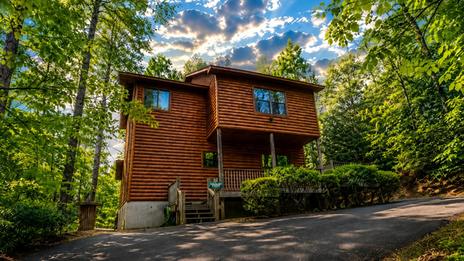
There's no better way to connect with the park's story than to stay right at its doorstep. Colonial Properties offers cabins across Gatlinburg, Pigeon Forge, Sevierville, and Wears Valley — minutes from Cades Cove, Elkmont, and Newfound Gap, where this history comes alive. Find your basecamp in the mountains.