How to Dress for a Day in Gatlinburg: Tips for Comfort and Style
Published Jan 27, 2025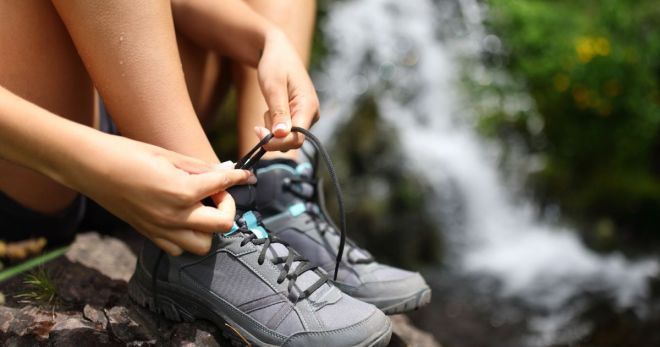
Gatlinburg days can cover a lot of ground — a morning hike in the national park, afternoon Parkway attractions, an evening at a mountaintop restaurant. The weather can change significantly between those activities, and the elevation shift from the valley to the higher trails adds another variable. Getting the clothing right makes the difference between an energetic day and one spent managing discomfort. Here's what to pack and wear by season and activity.
The Core Rule: Layers
The single most useful clothing principle in Gatlinburg is layering — not because the weather is extreme, but because it changes throughout the day in predictable ways that layers handle well. A summer morning can start in the high 60s, climb to the mid-80s by afternoon, drop back down after dark, and feel air-conditioned to shivering inside Ripley's Aquarium or WonderWorks at any point in between. Winter reverses the pattern but keeps the same variability: cold outside, warm indoors, cold again the moment you step back out.
The layering formula that works in Gatlinburg: a moisture-wicking base layer (never cotton on active days — it holds sweat and makes you cold), an insulating mid-layer you can tie around your waist when not needed, and a wind or water-resistant outer layer. Three thin layers outperform one heavy layer in almost every scenario because you can manage them in real time as conditions change throughout the day.
What to Wear by Season
Spring (March–May). Mornings start cool (40s–50s at valley elevation) and warm into the 60s and 70s by afternoon — the ideal hiking temperature range, but cold enough that a light jacket is non-negotiable for early starts. Rain is frequent in spring, and the Smokies earn their name from the atmospheric moisture. A packable rain jacket takes almost no space and changes the entire character of a drizzly morning from miserable to manageable. Wildflower season means more time on the trail, so trail runners or lightweight hiking boots are the right footwear over sneakers.
Summer (June–August). Valley highs in the mid-80s to low 90s. Breathable, moisture-wicking fabrics are the priority — cotton t-shirts will be soaked within an hour on a humid summer day. Light-colored clothing reflects heat. The heavy air conditioning inside most Parkway attractions makes the contrast with outside temperatures significant; carry a light layer even in August. Sun protection matters more than most visitors anticipate — Gatlinburg's elevation means UV exposure is higher than at sea level. Wear SPF, a wide-brimmed hat, and UV-protective sunglasses.
Fall (September–November). The most pleasant dressing season — cool mornings, warm afternoons, and evenings that earn a sweater or light jacket. October peak color weekends are busy and can be warm through mid-afternoon, so light layers over a base layer cover the range. Rain remains possible; a packable jacket stays in the daypack all season.
Winter (December–February). Valley daytime highs in the 40s–50s, nights in the 20s–30s. Genuine layering season: base layer, insulating mid-layer (fleece or down), and a wind-resistant outer shell. Higher elevation trails — Alum Cave at 4,000+ feet, the Newfound Gap area at 5,046 feet — run 10–15°F colder than the valley; dress for the summit, not the parking lot. Waterproof boots with good traction are essential for any trail hiking after a freeze. Hand warmers and a warm hat are worth packing even if the forecast looks mild.
Footwear: The Decision That Matters Most
For a Parkway-only day (aquarium, Anakeesta gondola, shopping, restaurants): comfortable walking shoes or sneakers with cushioning and support. Gatlinburg's downtown is walkable but involves significant pavement time — 10,000+ steps is a realistic estimate for a full Parkway day. This isn't the trip to debut new shoes. Wear already broken-in footwear with good arch support.
For a hiking day: trail runners or lightweight hiking boots. The Laurel Falls trail is paved and manageable in sneakers; Alum Cave Trail's roots and rocks benefit from trail shoes with grip. Any winter hiking requires waterproof footwear — wet feet at 3,000 feet elevation in January is a safety issue, not just a comfort one. If you're combining hiking and Parkway time in the same day, trail runners bridge both adequately.
For ziplines and mountain coasters: closed-toe shoes are typically required; check the specific attraction's policy. Sandals and flip flops are generally not permitted on adventure attractions.
Rain Gear Is Not Optional
The Smoky Mountains average over 55 inches of rain annually — more than almost any other location in the eastern United States. This is why the mountains stay green year-round and the waterfalls run hard through spring, but it also means rain is a realistic part of any Gatlinburg trip at any time of year. A packable rain jacket (not a poncho — ponchos catch wind on mountain ridges and are unwieldy on trails) that compresses to the size of a softball fits in any daypack and turns a potentially ruined day into a normal wet one.
Quick-dry pants or nylon hiking pants handle rain much better than jeans, which become heavy, slow to dry, and uncomfortable within minutes of getting wet. On multi-day trips, bring at least one pair of pants that will dry overnight.
One Dressier Option
Most of Gatlinburg's restaurants are genuinely casual — jeans and a clean shirt are appropriate almost everywhere. But if you're planning dinner at The Greenbrier, Cherokee Grill, or The Park Grill, a step up from jeans-and-t-shirt fits the room better. Khakis and a button-down, or a casual dress, travels easily and takes up minimal luggage space. It's worth packing one outfit that works for a nicer dinner without requiring formal wear — the right compromise for a mountain town with a better fine dining scene than most visitors expect.
The Daypack Essentials
A small daypack (20–25 liters) handles everything a Gatlinburg day requires without the bulk of a hiking backpack. What belongs in it: packable rain jacket, sunscreen (SPF 30 minimum), sunglasses, water bottle (at least 16 oz — more for hiking days), a light snack, and the layers you've removed as the day warmed up. On hiking days, add a trail map (available free at the Sugarlands Visitor Center), your phone with the AllTrails app or a downloaded offline map, and a small first aid kit.
Frequently Asked Questions
What should I wear hiking in the Smoky Mountains?
Moisture-wicking base layer (no cotton), quick-dry pants or hiking shorts, trail runners or lightweight hiking boots with grip, a packable rain jacket, and a hat. In winter, add waterproof footwear, an insulating mid-layer, and hand warmers. Dress for conditions 10–15°F colder than the valley when hiking above 3,000 feet.
Is Gatlinburg casual or dressy?
Almost entirely casual — jeans and a clean shirt work at the vast majority of restaurants and attractions. The few exceptions are Gatlinburg's upscale dining options (The Greenbrier, Cherokee Grill, The Park Grill), where a step up from jeans-and-t-shirt is appropriate but formal wear isn't required.
Does it rain often in Gatlinburg?
Yes — the Smoky Mountains average over 55 inches of rain annually and can receive precipitation in any month. Spring is the rainiest season, but summer afternoon thunderstorms are common, and fall and winter both bring rain regularly. A packable rain jacket is worth bringing year-round.
What shoes should I wear for a Gatlinburg Parkway day?
Comfortable, already broken-in walking shoes or sneakers with good cushioning and arch support. A full Parkway day involves significant walking on pavement — 10,000+ steps is realistic. Avoid new shoes, sandals, or anything without heel support. For days combining Parkway time with national park hiking, trail runners handle both adequately.