Enjoying Gatlinburg's Fall Colors
Published Sep 12, 2023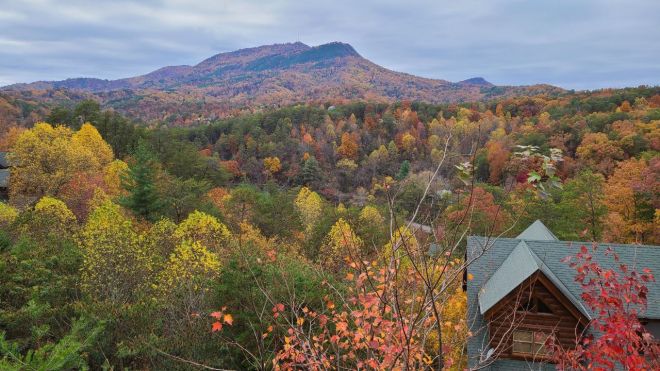
The Smoky Mountains produce one of the most dramatic fall color displays in the eastern United States — hundreds of square miles of mixed hardwood forest turning simultaneously across a range of elevations, with the color rippling from the high ridges down into the valleys over the course of several weeks. Here's when it peaks, where to see it, and how to plan around it.
When does fall color peak in the Smokies?
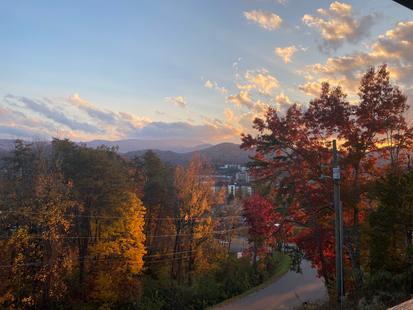
The Smoky Mountains' fall foliage season runs from late September through early November, but peak color varies significantly by elevation. The high elevations — above 5,000 feet, including the ridgelines visible from Newfound Gap and Kuwohi (Clingmans Dome) — typically turn first, beginning in late September and peaking in early to mid-October. Valley elevations in Gatlinburg and Pigeon Forge (around 1,200 to 1,500 feet) peak later, usually in the second and third weeks of October. The Smokies' unusually broad elevation range means the season runs longer here than in most single-elevation destinations — visitors who miss the high-country peak can still find strong color at valley level a week or two later.
The specific peak date shifts by a week or two each year depending on summer heat, rainfall, and fall temperature patterns. As a planning baseline: arrive in Gatlinburg between October 10 and October 20 for the best odds of catching peak valley-level color. Arriving October 5 to 10 increases your chances of catching both high-elevation and transitional mid-elevation color simultaneously. Smoke Ridge Foliage Reports and the national park's own social media accounts post current conditions weekly during the season.
The best locations for fall color
Cades Cove is the single best fall foliage destination in the park — the open meadow framed by forested ridgelines gives you an unobstructed view of the color across the entire valley in a way that the forested corridor of Newfound Gap Road doesn't. The 11-mile loop road puts you directly in the middle of the scene. The combination of fall foliage, wildlife activity (deer and bears are most visible in fall), and the historic cabins and churches along the route makes a Cades Cove morning the most complete single fall experience in the Smokies. Arrive before 9 AM; the loop fills quickly on October weekends.
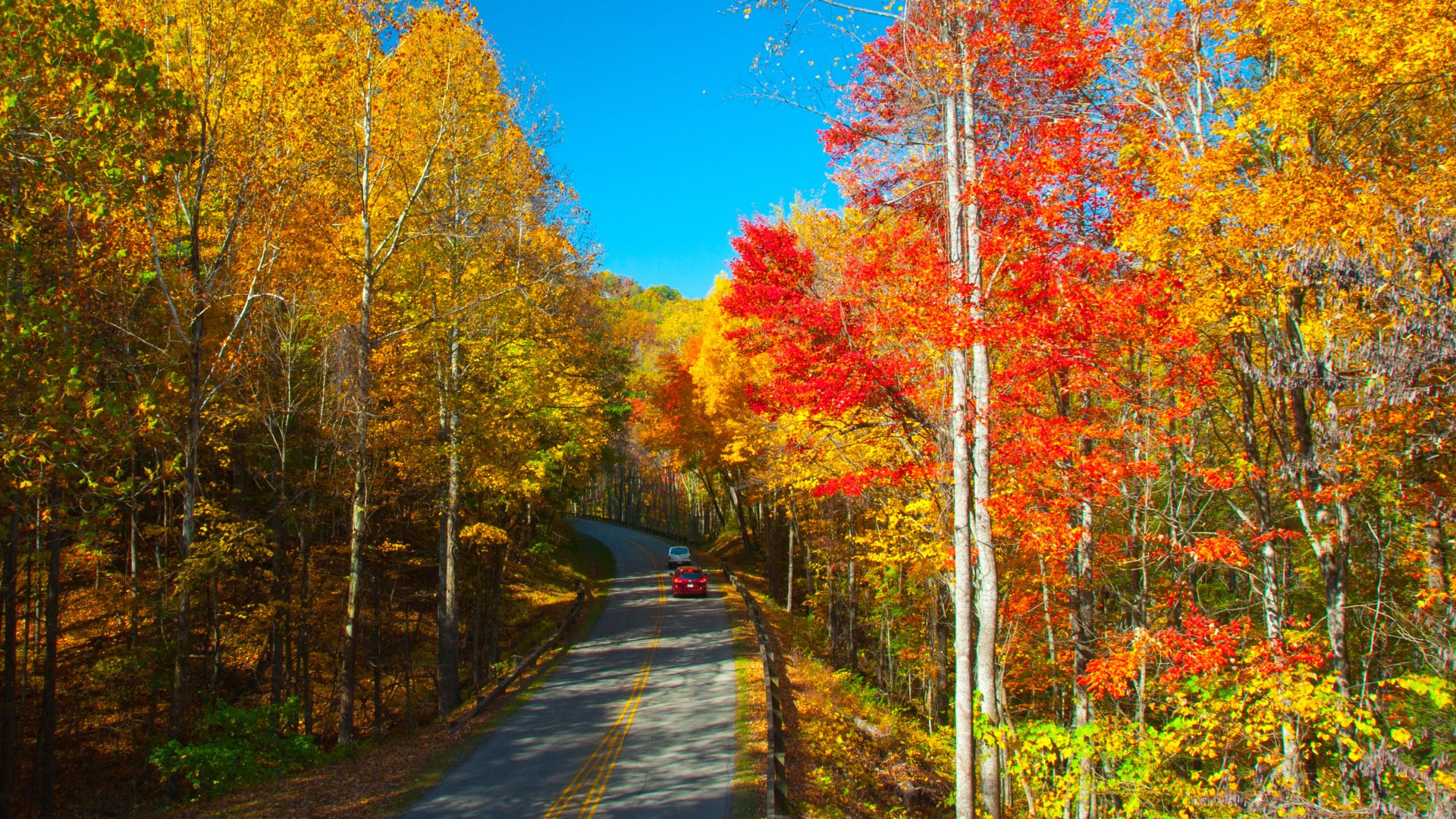
Roaring Fork Motor Nature Trail is the fall foliage drive closest to Gatlinburg — a six-mile one-way loop off Cherokee Orchard Road that winds through one of the densest and most varied hardwood forests in the park. The canopy closes overhead on much of the route, which means you're driving through the color rather than looking at it from a distance. The historic Ogle homestead at the beginning of the loop and the roadside waterfalls along the route add structure to the drive. Roaring Fork closes for winter — typically in November — so it's available through peak foliage season but not indefinitely.
Newfound Gap at 5,046 feet provides the classic layered Smokies ridge view — during peak foliage, the forest below the gap turns in waves of red, orange, and yellow visible from the Rockefeller Memorial overlook. On clear October mornings, the view from the gap is one of the most photographed scenes in the park. The drive up Newfound Gap Road from Gatlinburg passes through multiple elevation bands, each at a slightly different stage of color, which makes the drive itself part of the foliage experience.
Foothills Parkway runs along the northern edge of the park and provides some of the broadest panoramic fall views accessible by car — elevated vantage points looking south across the park canopy rather than through it. The western section (off US-129) and the newly completed eastern section (off US-321) both reward fall visits with wide open views that the park's interior roads can't provide. Look Rock Tower on the western section is stroller-accessible and gives a 40-mile view when conditions are clear.
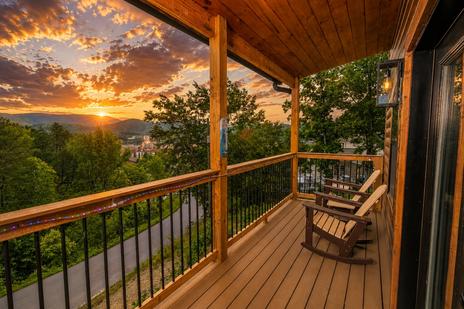
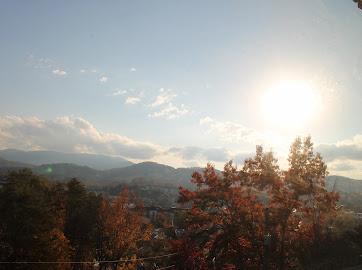
The Gatlinburg Scenic Overlook on the Bypass above town is the most convenient fall color vantage point for visitors staying in Gatlinburg — a roadside pull-off that puts you above the valley looking down at the town with the colored ridgelines rising behind it. No hiking required; worth a stop any morning or evening of a fall visit.
What makes the Smokies' fall color exceptional
The Smoky Mountains host one of the most diverse temperate hardwood forests in the world — over 100 species of native trees, each with a different color expression and peak timing. Tulip poplars turn a clear golden yellow; sourwoods go deep red earlier than most other species; maples run the full spectrum from orange to scarlet; oaks hold their russet tones through late October into November after other species have dropped. The layered effect of different species peaking at slightly different times, across the Smokies' broad elevation range, produces a more complex and sustained color display than the maple-dominated forests of New England. The Smokies are also entirely within one of the largest contiguous national parks in the eastern US — which means the color is uninterrupted by development across hundreds of square miles of forested ridge.
Planning a fall cabin stay
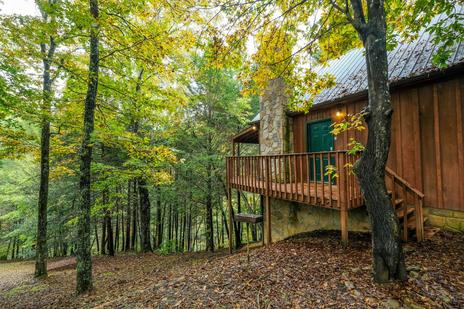
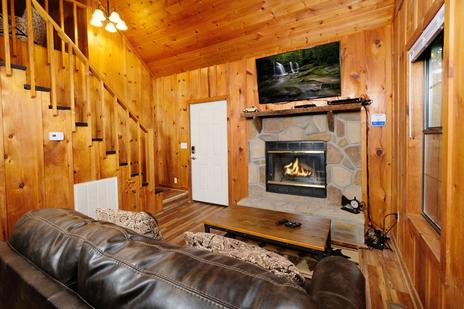
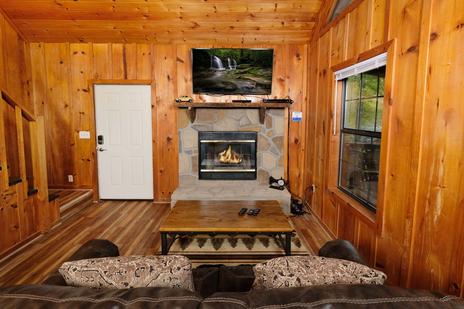
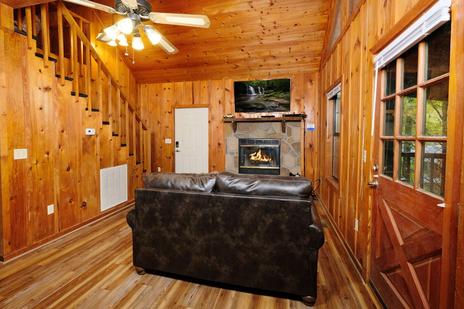
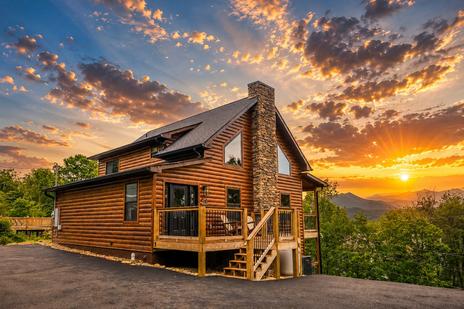
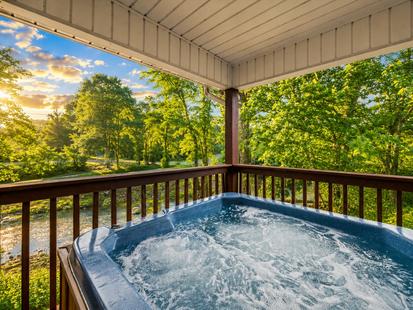
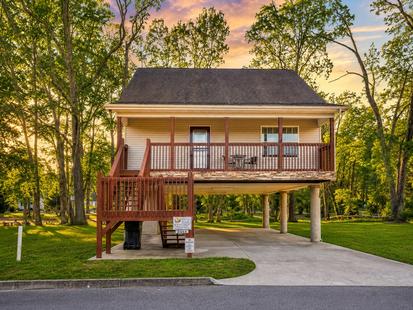
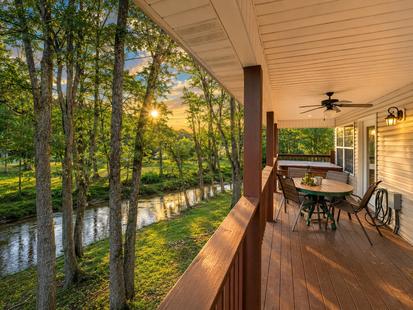
October is the most competitive booking window of the year in the Smokies. The best mountain view cabins book out six to eight months in advance for the second and third weeks of October. If October peak is your target, begin booking in March or April. A cabin with a fireplace is a practical amenity in October — nights drop into the 40s and 50s at Gatlinburg elevation, and the fireplace becomes the natural gathering point after a day of hiking or driving the color routes. Morning temperatures on the high-elevation drives can be significantly colder; pack layers that handle 35–40°F at the summit and 60°F in the valley on the same day.
Frequently asked questions
When is peak fall foliage in Gatlinburg?
Valley-level peak in Gatlinburg (around 1,200 feet elevation) typically falls in the second and third weeks of October — most commonly October 10 to 20. High-elevation peak above 5,000 feet runs about one to two weeks earlier, in late September through early October. The specific date shifts annually based on summer and fall weather; check current foliage reports from Smoke Ridge or the national park's official social media in the weeks leading up to your trip.
Is fall the best time to visit Gatlinburg?
For foliage specifically, yes — October is unmatched. It's also the most crowded and most expensive period of the year. Spring wildflower season (April–May) is the second-strongest visual season and considerably less crowded. Summer is the busiest period overall. Winter is the quietest and most affordable. Fall foliage is worth the October premium for many visitors, but it comes with the Smokies at maximum visitor volume; plan and book accordingly.
What should I wear for fall hikes in the Smokies?
Layering is essential in October. Valley temperatures in Gatlinburg can be comfortable in a light fleece, while summit temperatures at Kuwohi or Newfound Gap may be in the 30s or 40s on the same day. Bring a waterproof shell (afternoon rain showers occur throughout the season), sturdy hiking shoes, and warm gloves if you're planning high-elevation drives or hikes. A single jacket that handles 65°F won't handle 38°F at the summit.
Browse mountain view cabin rentals for peak fall foliage season — book early, the best properties go fast in October.