Free Things to Do in Gatlinburg: 8 No-Cost Attractions
Published Nov 19, 2023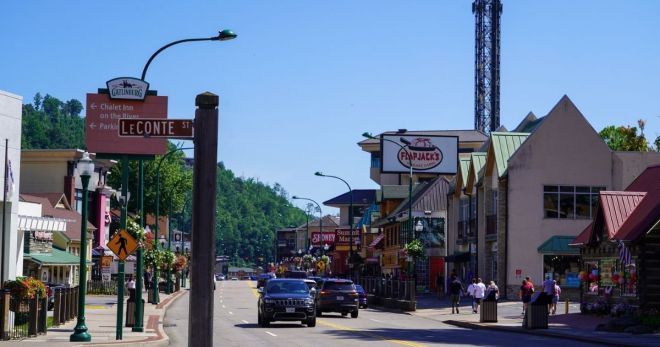
Gatlinburg is one of the most visited towns in the United States, and most of what draws people to it — the national park, the downtown Parkway, the arts community, the trolley — costs nothing. Here are eight things you can do in Gatlinburg without spending a dollar.
Hike in Great Smoky Mountains National Park — free admission, always
Great Smoky Mountains National Park charges no admission fee — one of only a handful of major national parks in the country with a permanent free-entry policy. The park begins at the southern edge of Gatlinburg, putting more than 800 miles of trails within minutes of town. The free access covers everything: the Sugarlands Visitor Center, all trails, wildlife viewing, and scenic drives. Some specific services within the park have costs — certain campground reservations, the timed-entry parking pass system at popular summer trailheads, and the Clingmans Dome Road access fee — but hiking, wildlife viewing, and scenic driving through the park are entirely free. For a morning hike: Laurel Falls (2.6 miles round trip, paved) is the most accessible waterfall hike in the park and costs nothing beyond the walk. The Gatlinburg Trail (2 miles round trip from the park entrance, dog-friendly) connects downtown Gatlinburg directly to the national park with no trailhead parking required.
Walk the Gatlinburg Parkway
The Gatlinburg Parkway — the main street running through the center of town — is one of the better free strolls in the Smokies. The stretch from the traffic light at the north end to the park entrance at the south end is about a mile and a half, entirely walkable, and lined with a mix of local shops, restaurants, fudge and candy makers, distilleries with free tastings, and a continuous stream of the other million-plus visitors who come through each year. The Ole Smoky Tennessee Moonshine location at 903 Parkway offers free tastings of their full flavored moonshine lineup — the Moonshine Cherries and Hunch Punch are the ones that consistently surprise people. The Salt and Pepper Shaker Museum has a small admission fee, but the exterior of the building is free to photograph. The Parkway requires no plan; the best version of the walk is slow, with no destination in mind.
Explore the Great Smoky Arts & Crafts Community
The Great Smoky Arts & Crafts Community — an eight-mile loop of more than 100 independent artisan studios east of downtown Gatlinburg — is free to visit. There's no admission charge for entering any of the studios, and the artisans are generally happy to let visitors watch them work and talk about their process without any purchase obligation. Potters, glassblowers, woodturners, basket weavers, jewelers, and weavers work on-site; the quality of what's made there is high and the browsing is genuinely interesting even for visitors who don't intend to buy. The Yellow Trolley connects the Arts & Crafts Community to downtown Gatlinburg at no charge (see below). The Community's most accessible section is clustered around Glades Road, accessible by car or the free trolley.
Ride the Gatlinburg Trolley — free, 365 days a year
The Gatlinburg Trolley system operates year-round on multiple color-coded routes throughout town and to the surrounding area — and it is completely free to all riders. No fare, no token, no pass required. The trolley runs daily from 8:30 AM to midnight during peak season (May through October) and 10:30 AM to 10 PM in winter months. Routes cover the downtown Parkway, the national park entrance area, the Park-n-Ride lots at the Gatlinburg Welcome Center, and — on the Yellow Route — the full eight-mile Arts & Crafts Community loop. The practical value is significant: park your car at the Welcome Center for free and ride the trolley into town, avoiding the Parkway traffic and the downtown parking fees entirely. The trolley makes the Parkway walkable without the car-and-parking logistics.
Visit the Sugarlands Visitor Center
The Sugarlands Visitor Center just inside the national park's Gatlinburg entrance is free and worth an hour. The exhibits cover the park's ecosystems, wildlife, Cherokee history, and the formation of the Appalachian geology with a quality of interpretation that exceeds what most state or regional museums offer. The bookstore carries maps, field guides, and trail resources at standard retail prices. Rangers at the information desk provide current trail conditions, wildlife activity reports, and recommendations specific to your timing and interest. The Junior Ranger program — free for children — provides a structured booklet of activities to complete during the park visit, ending with a ranger-led oath and a badge. For a first visit to Gatlinburg, twenty minutes at the Sugarlands Visitor Center makes everything else in the park make more sense.
Watch the Little Pigeon River from Gatlinburg's bridges
The Little Pigeon River runs through Gatlinburg's downtown corridor, and several bridges along the Parkway and surrounding streets provide free overlooks of the water. The river is wide and fast enough to be genuinely scenic — particularly after rainfall, when the water volume increases. Wildlife moves along the riverbank at dawn and dusk, and the sound of the river is audible from most of the central Parkway. The riverside walking path adjacent to Patriot Park provides the longest stretch of uninterrupted river access in the downtown area at no cost. For visitors who want a quieter break from the Parkway energy, the riverside is the right destination.
Attend the Gatlinburg Farmers Market (seasonal)
Gatlinburg's seasonal farmers market operates in the summer months and brings local producers, artisans, and food vendors to a central downtown location at no charge. The market is genuinely local — Appalachian honey, wild mushrooms, hand-dyed textiles, jams and preserves, and fresh produce from the surrounding counties — rather than a tourist-facing craft fair. Check the official Gatlinburg events calendar at gatlinburg.com for current-year dates and locations before planning your visit around it.
Watch wildlife at Cades Cove (no admission)
Cades Cove's 11-mile one-way loop road is free to drive — it's inside the national park, which charges no admission. The open meadow environment makes it the best wildlife-viewing location in the Smokies: white-tailed deer, black bears, wild turkeys, coyotes, and red foxes are regularly spotted from the road without leaving the car. The historic homesteads, churches, and log cabins along the route are free to walk through and provide genuine Appalachian history. The Cades Cove loop is closed to vehicles on Wednesday mornings for foot and bicycle traffic only. The drive from Gatlinburg takes about 30 minutes. See our Cades Cove hiking guide for the trails accessible directly from the loop.
Frequently asked questions
Is the Gatlinburg Trolley really free?
Yes — the Gatlinburg Trolley system charges no fare on any of its routes, 365 days a year. The trolley connects downtown Gatlinburg, the Welcome Center park-and-ride lots, the national park entrance area, and the Arts & Crafts Community. Operating hours vary by season: peak season (May–October) runs 8:30 AM to midnight; winter (November–April) runs 10:30 AM to 10 PM. Check the official trolley schedule at gatlinburg.com before your visit.
Does Great Smoky Mountains National Park really charge no admission?
Correct — the park has never charged an admission fee, a policy tied to the conditions under which the land was donated to the federal government in the 1930s. You can enter, hike, drive, and view wildlife in the park at no cost. The main exceptions are campground reservation fees, the timed-entry parking pass required at some busy trailheads during peak season (available at recreation.gov), and the Clingmans Dome Road fee. The park itself is free.
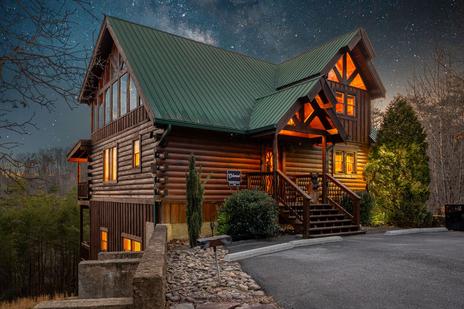
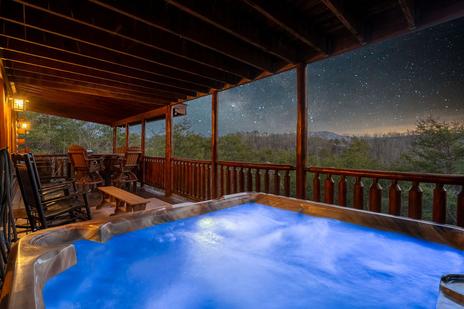
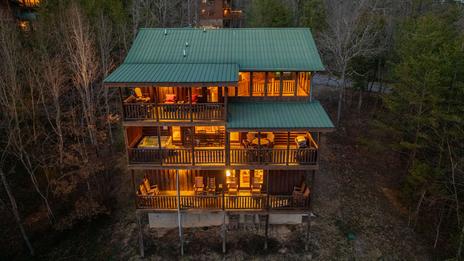
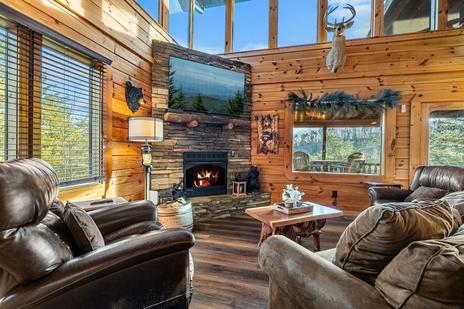
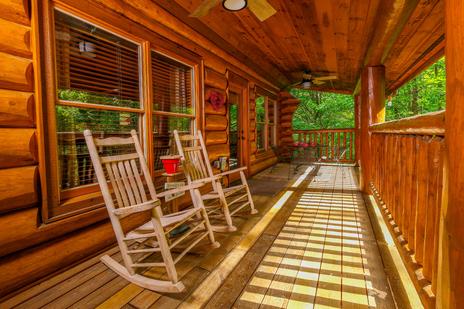
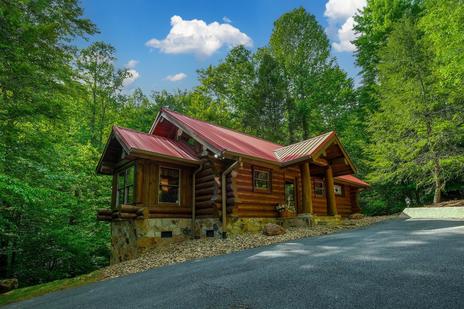
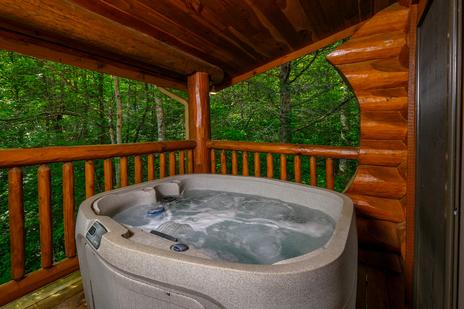
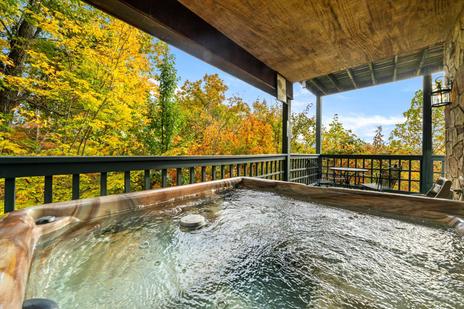
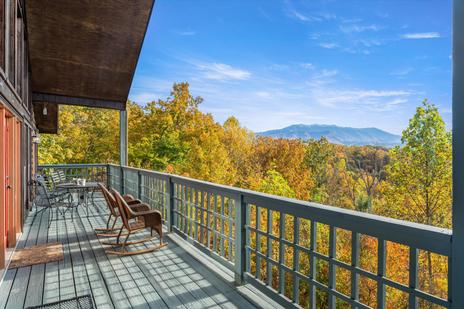
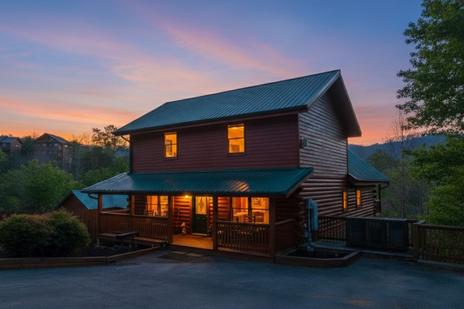
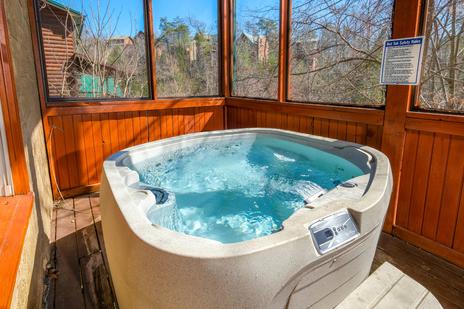
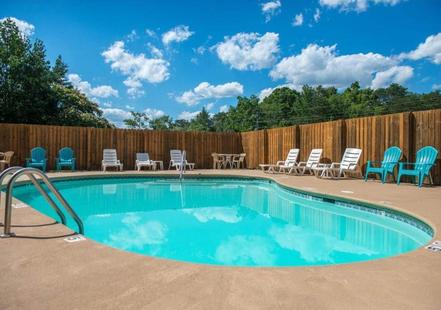
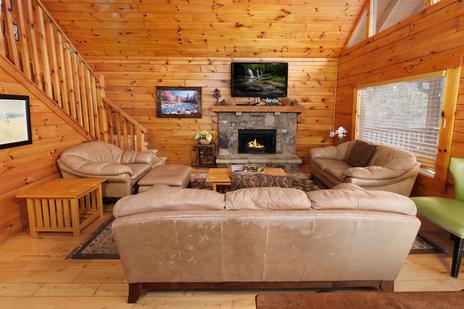
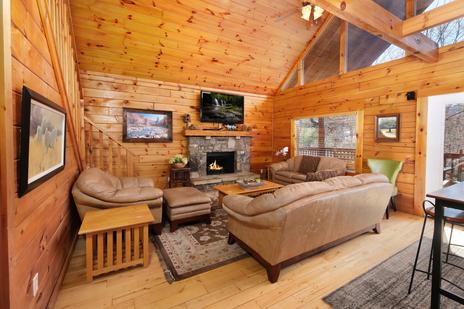
A Gatlinburg cabin puts all eight of these free activities within minutes of your door.