Exploring the Wildlife Around Your Gatlinburg Cabin
Published Jul 25, 2024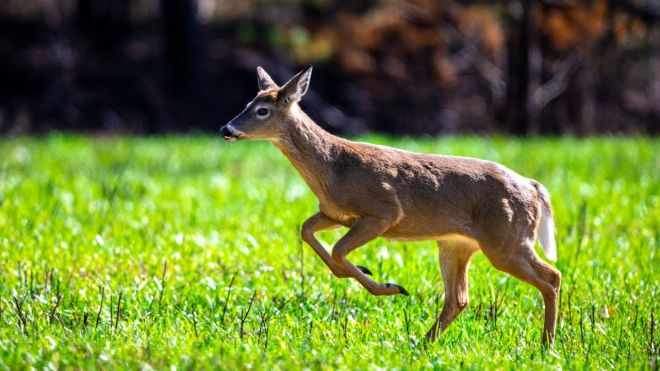
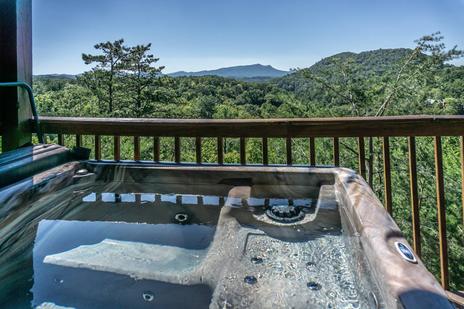
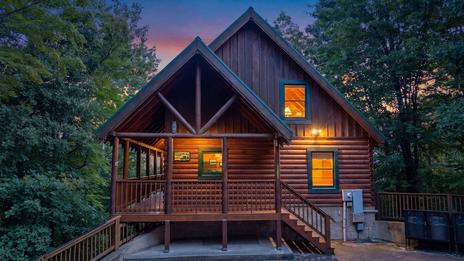
Great Smoky Mountains National Park hosts one of the most diverse wildlife populations in the eastern United States — 65 mammal species, over 200 bird species, and more salamander species than anywhere else on the continent. From the deck of a Gatlinburg cabin, you're already inside this ecosystem. Here's how to make the most of it.
What You're Likely to See
The most common cabin-adjacent sightings near Gatlinburg are white-tailed deer — frequently spotted browsing the wooded edges of cabin communities in the early morning and at dusk. Raccoons, opossums, squirrels, and wild turkeys are regular visitors to cabin decks and yards. Foxes appear more often than most guests expect, particularly at night. Black bears are the most iconic Smoky Mountains species and genuinely common: the park is home to approximately 1,500 black bears, and sightings near cabins — especially in wooded hillside communities like Chalet Village — occur regularly. Bears are most active in spring and fall; in winter they enter a deep rest (torpor) and are rarely seen. The bird diversity is exceptional — vivid scarlet tanagers, wild turkeys, and great horned owls are all resident species. The Smokies are also nicknamed "The Salamander Capital of the World": more than 30 salamander species live here, many of them visible under rocks and leaf litter near streams. Less common but present: bobcats, coyotes, and the occasional river otter near larger waterways. Cataloochee Valley on the North Carolina side of the park has an established elk herd — two separate herds of stately elk that are among the most reliably photographed large mammals in the Smokies.
How to Improve Your Chances of a Sighting
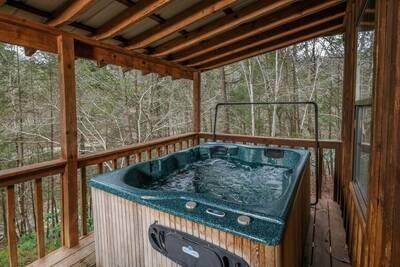
Timing is the most reliable variable. Most mammals are most active at dawn and dusk — the two windows when light is low, temperatures are cooler, and human activity is minimal. A morning coffee on the cabin deck before 7 AM produces more wildlife sightings than a full afternoon drive through the park. Binoculars extend your effective range dramatically; a good pair turns a distant shape in the treeline into a confirmed identification. For night wildlife, a flashlight walk around the cabin property after 10 PM often reveals foxes, raccoons, flying squirrels, and the eyeshine of animals in the surrounding woods. Look up as well as at ground level — black bears are accomplished climbers and are frequently spotted in trees, and squirrel dreys (leaf nests) high in the canopy are worth checking for inhabitants. Riverfront cabins concentrate wildlife viewing naturally: streams and rivers function as wildlife corridors, drawing animals to drink and providing habitat for kingfishers, herons, otters, and the salamanders the Smokies are famous for.
Wildlife Safety — What the Rules Actually Say
Great Smoky Mountains National Park has specific, enforceable wildlife regulations. The minimum safe and legal distance is 50 yards (150 feet) from most wildlife and a minimum of 150 yards from bears and elk — equivalent to roughly one and a half football fields. Approaching closer is illegal and carries a fine. Never feed any wild animal: feeding wildlife is illegal in the national park, and a bear that associates humans with food typically has to be euthanized — "a fed bear is a dead bear" describes what actually happens, not an abstraction. Secure all garbage tightly; bears can smell food through closed containers and will damage vehicles to access it. Never leave food in your car overnight, even in the cabin driveway. If a bear approaches your cabin or deck, make noise, make yourself appear large, and give the bear space to leave on its own — never run, and never approach to take a closer photo. Dusk and dawn wildlife watching from the cabin deck is safe; approaching wildlife in the woods for a better look is not.
The Best Nearby Wildlife Viewing Locations
Cades Cove is the single most productive wildlife viewing spot in Great Smoky Mountains National Park — a wide open valley floor where deer, wild turkey, coyotes, and black bears are visible from the 11-mile loop road throughout the day. Early morning (before 9 AM) and the hour before sunset produce the most sightings. Arrive before 9 AM on summer and fall weekends to avoid the traffic that builds later in the day. Roaring Fork Motor Nature Trail is a 5.5-mile one-way forest loop starting minutes from downtown Gatlinburg — dense old-growth forest with bears, deer, and exceptional bird diversity. Ober Gatlinburg has a Wildlife Habitat featuring native Smokies species including black bears, bobcats, river otters, foxes, and birds of prey in a naturalistic setting — accessible with Ober Gatlinburg admission and particularly good for families with children who want close-up wildlife encounters without backcountry hiking. Cataloochee Valley on the North Carolina side of the park — about an hour from Gatlinburg — is the best place to see elk in the Smokies; the herd is most visible in the valley meadows at dawn and dusk, especially in fall during the elk rut.
Frequently Asked Questions
Will I see bears near my Gatlinburg cabin?
Possibly — black bear sightings near cabins in wooded communities like Chalet Village and Ski Mountain Road are common, particularly in spring and fall when bears are most active. Sightings are less common in winter (December through March) when bears are in torpor. The best practice: keep garbage secured, don't leave food in your car, and enjoy any sightings from the cabin deck at a safe distance without approaching.
What's the best time of day to see wildlife in the Smokies?
Dawn and dusk are the most productive windows for most species — cooler temperatures, lower light, and reduced human activity all increase animal movement. For Cades Cove specifically, arriving before 9 AM on summer and fall weekends gives you the best sightings and avoids the worst of the loop road traffic. Nocturnal watching after 10 PM is productive for foxes, raccoons, and flying squirrels near cabin properties.
How close can I get to wildlife in the national park?
The legal minimum distance is 50 yards (150 feet) from most wildlife and 150 yards from bears and elk — enforced with fines. Binoculars and camera zoom let you observe closely without approaching. If an animal approaches you, give it space and back away slowly; do not run and do not feed it under any circumstances.