Exploring the Arts and Crafts Community of Gatlinburg in Winter
Published Mar 4, 2025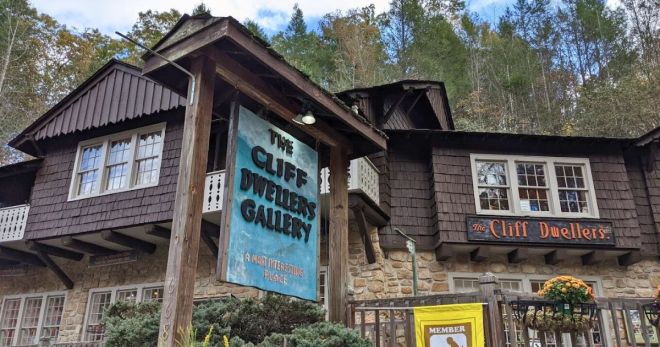
The Great Smoky Arts and Crafts Community is the largest group of independent artisans and craftspeople in the United States — more than 80 working studios spread across an eight-mile loop road just three miles from downtown Gatlinburg. Winter is the best time to visit: the crowds thin out, the artisans have more time to talk, and the drive through bare hardwood trees with mountain ridgelines visible between the branches has a specific quality that the leafed-out summer version doesn't.
What the Community Is
The Great Smoky Arts and Crafts Community was established in 1937 along a network of roads east of downtown Gatlinburg — Glades Road and Buckhorn Road form the primary loop, with additional studios along connecting roads. The artisans here are working craftspeople, not gift shop operators: they make the things they sell, often in studios visible from or attached to the shop itself. Visiting is genuinely different from shopping a Parkway souvenir store or a craft fair with vendors who aren't the makers.
The range of craft traditions is the main thing that makes a day here worth more than a quick loop. Appalachian craft traditions — pottery, quilting, weaving, woodcarving, basket-making — sit alongside contemporary fine art, glasswork, jewelry, candle-making, leather goods, and photography. Winter is when the slower pace allows actual conversations with the people who made the objects on display. It's worth asking questions.
What You'll Find
Appalachian traditions. Pottery and quilting are the two craft forms most deeply associated with this region, and both are represented across multiple studios on the loop. Watch clay centered and thrown on the wheel, glazes applied, and finished pieces emerge from kilns that have been running for decades. Quilters bring traditional mountain patterns to life in fabrics that take months to complete — the finished pieces are genuinely heirloom quality, not production work. Custom knitting, crocheting, embroidery, and hand-dyed silk fill out the textile tradition.
Woodwork and carving. Woodworkers and carvers along the loop produce furniture, toys, games, sculptures, and custom signs — often from locally sourced timber, sometimes from pieces with visible grain character that you won't find in manufactured furniture. The carvers are particularly worth stopping for: watching someone turn a chunk of wood into a detailed sculpture in real time, in a studio that smells of sawdust and linseed oil, is the kind of experience that justifies the whole trip.
Glass, jewelry, and leather. Fused glass pendants and blown glass pieces catch the winter light in the studios — jewelers working in glass, silver, and stone produce work that's specific to this place and this tradition rather than the mass-produced versions available everywhere else. Leather goods range from belts and wallets to custom vests, all made by hand in the studio. Small-batch skin care products using Appalachian herbs and botanicals are a distinctive find that travels well.
Fine art. Paintings and photography featuring iconic Smoky Mountains scenes — the ridgelines, the wildflowers, the creek corridors, the historic buildings of the park — are available across multiple studios. The winter light in the Smokies is particular: sharp, clear, with shadows that the summer haze reduces. Several photographers and painters on the loop specialize in this quieter, more dramatic version of the mountain landscape that summer visitors rarely see.
Try Making Something
Several studios along the loop invite visitors to try their hand at the craft. Candle-dipping produces a finished taper candle you take home. Paper marbling workshops create unique decorative sheets in 30–45 minutes. Arrowhead-chipping — learning to knap flint into a shaped point using traditional stone tools — is the most distinctive hands-on option and genuinely engaging for anyone who's never tried it. These activities work especially well on a cold winter afternoon when staying inside a warm studio with a project makes complete sense. Check the community website at greatsmokyartsandcrafts.com for which studios are currently offering hands-on experiences.
Where to Eat and Drink on the Loop
Fox and Parrot Tavern — 1065 Glades Road. A genuine English pub on the arts and crafts loop: fish and chips, bangers, shepherd's pie, and a bar with domestic and imported drafts. The warm pub interior after a cold morning of studio-browsing is exactly the right atmosphere for lunch.
The Rampant Lion Celtic Pub and Wine Bar — 734 Powdermill Road. The sister act to the Fox and Parrot, with a Celtic pub format: more than 100 whiskeys, wine, beer, fish and chips, sticky toffee pudding, and dog-friendly service (they'll bring your dog a water bowl). The whiskey selection alone makes it worth planning around. Both the Fox and Parrot and the Rampant Lion are locally owned and specific to the community — there's nothing quite like either on the Parkway.
Split Rail Eats — 849 Glades Road, Suite 1B1 at the Covered Bridge Shops. A neighborhood bar and restaurant with Gatlinburg's only 16-tap self-pour beer wall, cocktails featuring local moonshines, creative burgers and sandwiches, and a pet-friendly outdoor patio. The "Gatlinburger" — two-patty beef blend, pimento cheese, bacon, fried pickles, ranch — is the signature. Tuesday through Sunday, closed Monday.
Glades Soda Fountain — 601 Glades Road, Suite 20. The sweet finish to the loop: an old-fashioned soda fountain serving ice cream, floats, and desserts in the classic format. In winter the hot fudge sundae and the warm atmosphere make it the right stop before heading back to the cabin.
Getting There
By car: Head east from downtown Gatlinburg on Highway 321 North. Turn south onto Glades Road. The loop runs Glades Road to Buckhorn Road and back to US 321. The full eight-mile circuit takes 20–30 minutes to drive without stops — plan on 3–5 hours with browsing. Free parking is available at individual studios throughout.
By trolley: Park in downtown Gatlinburg and take the Yellow Line trolley directly to the arts and crafts loop. The trolley stops throughout the circuit, allowing you to browse, eat, and shop without managing parking between studios. Check the City of Gatlinburg trolley schedule at gatlinburg.com for current routes and winter hours — the trolley runs reduced frequency in the off-season.
Frequently Asked Questions
Are the studios open in winter?
Most studios are open year-round, though some individual artists take winter breaks or reduce hours in January and February. Check greatsmokyartsandcrafts.com for the current member directory and contact information for specific studios you want to prioritize. Calling ahead to confirm hours before a winter visit is worth the two minutes — some studios are one-person operations and close when the artisan is traveling or at shows.
How long should I plan for the arts and crafts loop?
A full day allows you to browse at a comfortable pace, stop for lunch, try a hands-on activity, and end at Glades Soda Fountain before heading back. A half-day covers the highlights if you're focused. The loop is eight miles and more than 80 studios — you won't see everything in one visit, which is part of the appeal of coming back.
Is this a good activity for kids?
Yes — the hands-on studios (candle-dipping, paper marbling, arrowhead-chipping) are engaging for older children and teens. The woodcarving demonstrations and pottery studios are genuinely interesting to watch. Glades Soda Fountain is the built-in motivation for getting through the loop. The trolley makes the logistics easy when traveling with kids.
Where should I stay to be close to the Arts and Crafts Community?
Any Gatlinburg cabin puts you within 10–20 minutes of the loop. The community is east of downtown on Highway 321, so cabins in that corridor are closest — but the drive from anywhere in the Gatlinburg area is short enough that location isn't a significant factor.