Where Dogs Are and Aren’t Allowed in the National Park
Published Oct 27, 2026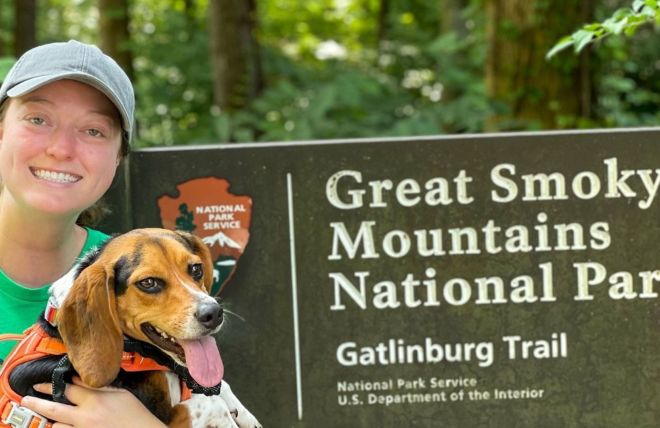
It surprises a lot of visitors: the Great Smoky Mountains National Park, as wild and wide-open as it looks, is almost entirely off-limits to dogs on its trails. If you've brought the family dog to the Smokies picturing long hikes together through the park, it's worth knowing the rules before you go, because they're strict and strictly enforced. The good news is there's still plenty your dog can do here — you just need to know where the lines are.
Here's a clear rundown of where dogs are and aren't allowed in the national park, why the rules are the way they are, and where to take your dog instead.
The short answer
Inside the national park, dogs are allowed in developed areas but banned from nearly all trails. Specifically, pets are permitted in frontcountry campgrounds, in picnic areas, and along roadways — and on exactly two trails. Everywhere else, including the backcountry and all the famous hikes, dogs are prohibited. Wherever they are allowed, dogs must be on a leash no longer than six feet at all times.
The only two trails that allow dogs
The Gatlinburg Trail
A relatively flat, easy path on the Tennessee side near Sugarlands that runs between the visitor center area and the edge of Gatlinburg, following the river. Leashed dogs are welcome.
The Oconaluftee River Trail
A gentle riverside path on the North Carolina side near the Oconaluftee Visitor Center and Cherokee. Also open to leashed dogs.
These two are the exception, not the rule — both are easy, low-elevation river walks rather than mountain hikes, and they're the only trails in the entire park where you can legally bring a dog. Every other trail is a no.
Where dogs are not allowed
Everything else. All other trails, the backcountry, and the park's signature hikes are closed to pets — dogs have been banned from the backcountry since the park was established in the 1930s. That means no Laurel Falls, no Alum Cave, no Chimney Tops, no Cades Cove trails with your dog. You can drive the scenic roads and stop at overlooks and picnic areas with your leashed dog, but the moment a trail leaves a developed area, it's off-limits.
Why the rules are so strict
They aren't arbitrary. The park gives several reasons, and they add up:
Wildlife and disease — dogs and native wildlife can pass diseases to each other, and the scent of a dog alone can stress animals, scare them off, or make birds and small creatures abandon nesting and feeding areas.
Predators — this is the big one in the Smokies. Dogs can attract and provoke bears and coyotes. The park warns that if a dog provokes a bear it can lead the bear right back to you, that dogs are involved in most bear-related incidents with people, and that a dog running after a bear has roughly a fifty-fifty chance of being injured or killed.
Other visitors and your dog's own safety — many people, especially children, are uneasy around dogs, and the backcountry is full of hazards for a dog: biting insects, poisonous plants, thorns, and rough terrain.
Where your dog CAN go
Don't write off a Smokies trip with your dog — just plan around the park's trails. Beyond the campgrounds, picnic areas, roadways, and the two dog-friendly trails inside the park, there's a lot of dog-friendly ground in the surrounding area: trails and greenways outside the national park boundary, dog-welcoming patios and shops in the towns, and your own pet-friendly cabin with a yard and a porch. Many visitors do the national park's hikes dog-free and save the dog's outings for the areas that welcome them — it's the easiest way to keep everyone happy. Our guide to dog-friendly trails around Gatlinburg and Pigeon Forge is a good place to start.
A note on the Bark Ranger program
The park runs a "Bark Ranger" program that turns the rules into a simple pledge for dog owners: bag your pet's waste, always leash your pet, respect wildlife, and know where you can go. You can learn about it at a park visitor center. It's a friendly way to get kids and dogs involved while keeping everyone on the right side of the rules.
Frequently asked questions
Can I hike with my dog in the Smoky Mountains National Park?
Only on two trails — the Gatlinburg Trail and the Oconaluftee River Trail, both easy riverside walks. Every other trail in the park, including all the popular hikes and the entire backcountry, is off-limits to dogs.
What's the leash rule in the park?
Dogs must be on a leash no longer than six feet at all times, everywhere they're allowed — campgrounds, picnic areas, roadways, and the two permitted trails.
Where can I take my dog if not on the trails?
Inside the park: frontcountry campgrounds, picnic areas, and along the roadways and overlooks. Outside the park there's much more — dog-friendly trails and greenways in the surrounding area, dog-welcoming spots in town, and a pet-friendly cabin of your own.
Why are dogs banned from most park trails?
To protect wildlife from disease and stress, to avoid provoking bears and other predators, to respect other visitors, and for the dog's own safety. The backcountry ban has been in place since the park was founded in the 1930s.
Are service animals allowed on park trails?
Dogs individually trained to perform a task for a person with a disability are permitted anywhere visitors can go. Emotional support, therapy, and companion animals, and service animals in training, must follow the regular pet rules.
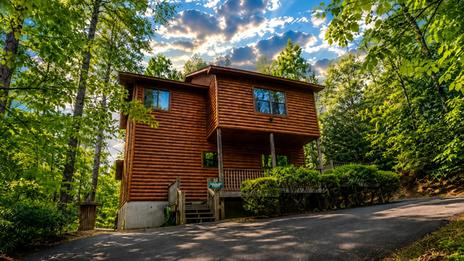
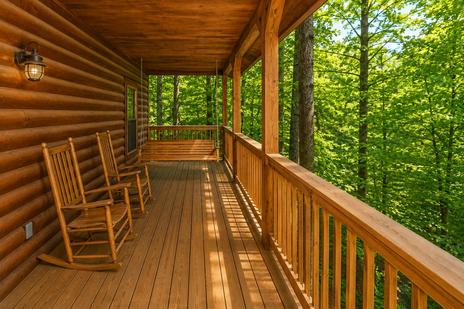
Bringing the dog along is easy when you base the trip around a cabin that welcomes them and save the park's trails for a dog-free day. Browse our pet-friendly cabins in the Smokies, and plan your dog's outings with our guide to dog-friendly trails near Gatlinburg and Pigeon Forge.