How Far Is Gatlinburg from Pigeon Forge? (Distance, Drive Time & Travel Guide)
Published May 3, 2026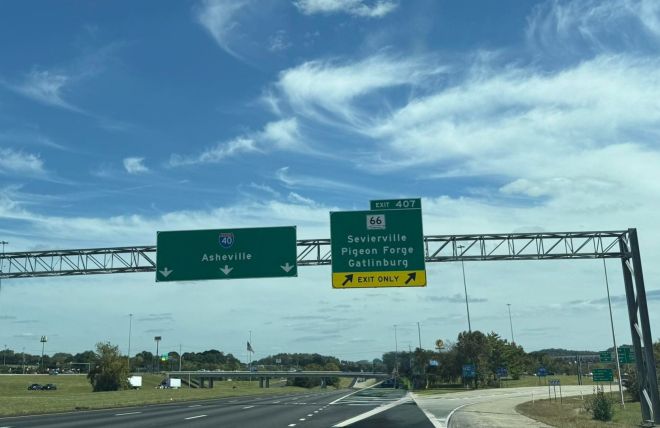
One of the first questions first-time Smoky Mountain visitors ask is: how far apart are Gatlinburg and Pigeon Forge? The short answer is that the distance is about 7 miles, and under normal traffic conditions it typically takes about 15 minutes.
The longer answer — the one that actually helps you plan your trip — is that these two towns are close enough to visit both in a single day, distinct enough to be worth experiencing separately, and connected by one of the prettiest short drives in Tennessee. Here's everything you need to know.
- Driving distance: 7 miles via The Spur (US-441)
- Drive time (no traffic): 15 minutes
- Drive time (peak season): 20–45 minutes
- Scenic bypass option: Gatlinburg Bypass (4 miles, enters Gatlinburg from the quiet end)
- Trolley: Fun Time Trolley connects both towns with stops throughout
Route 1: The Spur (the main route)
The road connecting Gatlinburg and Pigeon Forge is part of US Route 441, known locally as "The Spur" — about 7.5 miles from the Pigeon Forge Parkway to the Gatlinburg Strip. It follows the terrain of the mountain, making it a beautiful drive.
The road is split — northbound lanes run on one side of the Little Pigeon River, southbound lanes on the other — which gives the drive a pleasant, park-like feel even at its most trafficked. You'll cross through a mountain tunnel heading north toward Pigeon Forge, pass the Gatlinburg Welcome Center (a useful stop with free parking and a trolley connection), and wind through a wooded river corridor the entire way. Keep an eye out at dawn and dusk — deer, wild turkeys, and the occasional black bear have all been spotted along this stretch.
Traffic reality check: During the height of tourist season, traffic can be heavy. Friday afternoons and Saturday mornings in summer and fall are the worst. Budget 30–45 minutes during peak periods rather than the standard 15.
Route 2: The Gatlinburg Bypass
A smarter option when The Spur is backed up. The Bypass is a beautiful road with even more views of the landscape — just four miles before drivers turn back toward Gatlinburg, entering from the quieter end of town. It brings you in at the upper end of the Parkway, so you avoid the most congested stretch of downtown entirely and can reach north-end attractions (like Anakeesta and the SkyPark) without sitting in main strip traffic. Locals use this route regularly.
Route 3: The scenic back road (add 45 minutes)
If you have time and want a completely different experience, take the scenic route through the foothills. Total travel time extends to about 45 minutes, and there's no trolley in that direction, so you'll need to drive your own vehicle.
Turn on Wears Gap Road toward Townsend, and before Townsend turn on TN-337 — a winding road that runs alongside the Little River and through mountainous terrain. This route isn't practical for daily trips between the towns, but as a standalone scenic drive — especially in fall foliage season — it's genuinely spectacular and worth the extra time on a relaxed day.
The trolley option
Don't want to deal with driving and parking at all? The Fun Time Trolley has been a transportation staple in the region since 1986, running more than 30 trolleybuses all day with stops in Pigeon Forge, Gatlinburg, and Sevierville. Park for free at the 186 Old Mill Avenue office and hop aboard for a day of trolley travel — get off and on at any marked stop you wish.
The trolley is particularly useful if you want to spend an evening on the Gatlinburg Parkway without worrying about driving back. You can also use the Gatlinburg trolley within downtown to avoid the main strip entirely. The two trolley systems connect at the Gatlinburg Welcome Center between the towns. Check the current schedule and route map before your trip.
Gatlinburg vs. Pigeon Forge: what's actually different?
Knowing the distance is one thing. Knowing what you're driving between is more useful. Despite sitting just 7 miles apart, Gatlinburg and Pigeon Forge have genuinely different characters — and understanding the difference helps you decide where to stay, where to eat, and how to split your time.
Gatlinburg
Gatlinburg is a walking city — park your car and enjoy the stroll. The downtown Parkway is compact, pedestrian-friendly, and lined with candy stores, restaurants, moonshine distilleries, and unique attractions all within easy walking distance. It's also the gateway to Great Smoky Mountains National Park — the entrance is literally at the end of the main street. Hikers, wildlife watchers, and outdoors-focused visitors tend to anchor here. Gatlinburg is best known for:
- Great Smoky Mountains National Park access
- Ripley's Aquarium of the Smokies
- Anakeesta and the Gatlinburg SkyPark
- Ole Smoky Moonshine and craft distilleries
- Walkable Parkway dining, shopping, and candy stores
- Ober Gatlinburg year-round activities
- A charming, more intimate mountain town feel
Pigeon Forge
Pigeon Forge is larger, broader, and built around driving from attraction to attraction along its extended Parkway corridor. From Dollywood to dinner theaters, shopping outlets, and amusement centers, it offers something for everyone. And every business has a parking lot where you can park for free — a significant advantage over Gatlinburg's paid downtown parking. Pigeon Forge is best known for:
- Dollywood theme park and Dollywood's Splash Country
- The Island entertainment complex
- Dinner shows (Hatfield & McCoy, Dolly Parton's Stampede, Pirates Voyage)
- Larger resort-style hotels and cabin communities
- Mountain coasters and outdoor adventure parks
- Shopping outlets and Old Mill Square
- A broader, more spread-out entertainment corridor
The verdict: stay in one, visit both
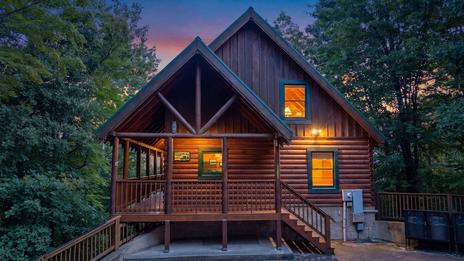
You don't have to choose. With just 7 miles between them, the practical approach is to base yourself in the location that best matches your priorities and make day trips to the other. Staying in a Gatlinburg cabin puts you closest to the national park; staying in a Pigeon Forge cabin puts you closest to Dollywood. Either way, the other town is always 15 minutes away.
What's along the drive?
The 7-mile stretch between Gatlinburg and Pigeon Forge isn't just transit — there are a few stops worth knowing about.
Gatlinburg Welcome Center — Just north of Gatlinburg, this is a genuinely useful stop. Pick up area brochures, purchase national park parking tags, use the free restrooms, and take advantage of free parking with a free trolley connection into downtown. If parking downtown is a hassle, this is the solution.
The Tunnel — Heading north from Gatlinburg, you'll pass through a tunnel cut directly through a mountainside. It's brief but dramatic — the gray stone arch framing a circle of daylight ahead, forest covering the hillside above. A distinctive landmark marking your transition between the two towns.
Little Pigeon River — The road follows the river for much of the stretch, with the water visible through the trees. Early morning and twilight drives are when wildlife is most active — deer and wild turkey are common, and black bear sightings along the river corridor happen regularly.
Tips for the drive
Avoid Friday afternoon. The stretch between towns can back up significantly on Friday evenings during peak season as new visitors pour in. If you're arriving on a Friday, time your Pigeon Forge–to–Gatlinburg trip for morning rather than evening.
Use the Bypass when downtown Gatlinburg is congested. The Gatlinburg Bypass shaves time and stress when the main Parkway is backed up — especially useful for reaching the upper half of Gatlinburg's attractions.
Park and trolley in Gatlinburg. Rather than fighting for parking downtown, park free at the Gatlinburg Welcome Center and ride the trolley in. It takes about the same time as circling for parking and costs almost nothing.
Download offline maps. Cell service can be spotty along the river corridor between the towns. Download the area for offline use before you leave your cabin.
Frequently asked questions
How far is Gatlinburg from Pigeon Forge?
The total driving distance from Pigeon Forge to Gatlinburg is 7 miles (about 11 kilometers). Under normal traffic conditions, it takes about 15 minutes.
What road connects Gatlinburg and Pigeon Forge?
US Route 441, known locally as "The Spur." It follows the terrain of the mountain along the Little Pigeon River, making it a beautiful drive.
Can you walk from Pigeon Forge to Gatlinburg?
Not practically — 7 miles on a highway is not a walkable distance. The Fun Time Trolley is the non-driving option, connecting both towns for a very affordable fare.
Which is better — Gatlinburg or Pigeon Forge?
They serve different purposes. Gatlinburg is a walkable mountain town closest to the national park, with a more intimate character. Pigeon Forge is larger, home to Dollywood, and built around driving between major attractions. Most visitors enjoy both — the right answer depends on what your trip is centered around.
How far is Dollywood from Gatlinburg?
Dollywood is about 9 miles from Gatlinburg — roughly a 15–20 minute drive under normal conditions.
Is there a trolley between Gatlinburg and Pigeon Forge?
Yes — the Fun Time Trolley runs more than 30 trolleybuses all day with stops in Pigeon Forge, Gatlinburg, and Sevierville. The Pigeon Forge and Gatlinburg trolley systems connect at the Gatlinburg Welcome Center.
Colonial Properties has cabin rentals in both towns — and in Sevierville, which sits between them. Wherever you base yourself, the other towns are minutes away.
- Pigeon Forge cabin rentals — closest to Dollywood, The Island, and the entertainment corridor
- Gatlinburg cabin rentals — closest to the national park, Ripley's Aquarium, and the walkable Parkway
- Sevierville cabin rentals — the geographic middle ground, often with slightly lower rates and easy access to both towns