Cosby and Greenbrier: The Smokies' Overlooked Entrances
Published Oct 9, 2026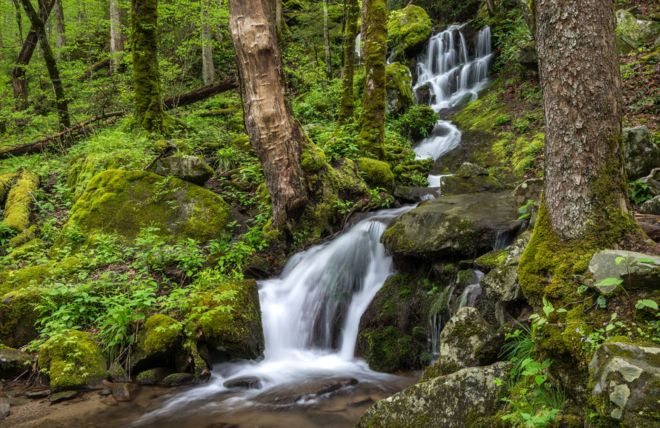
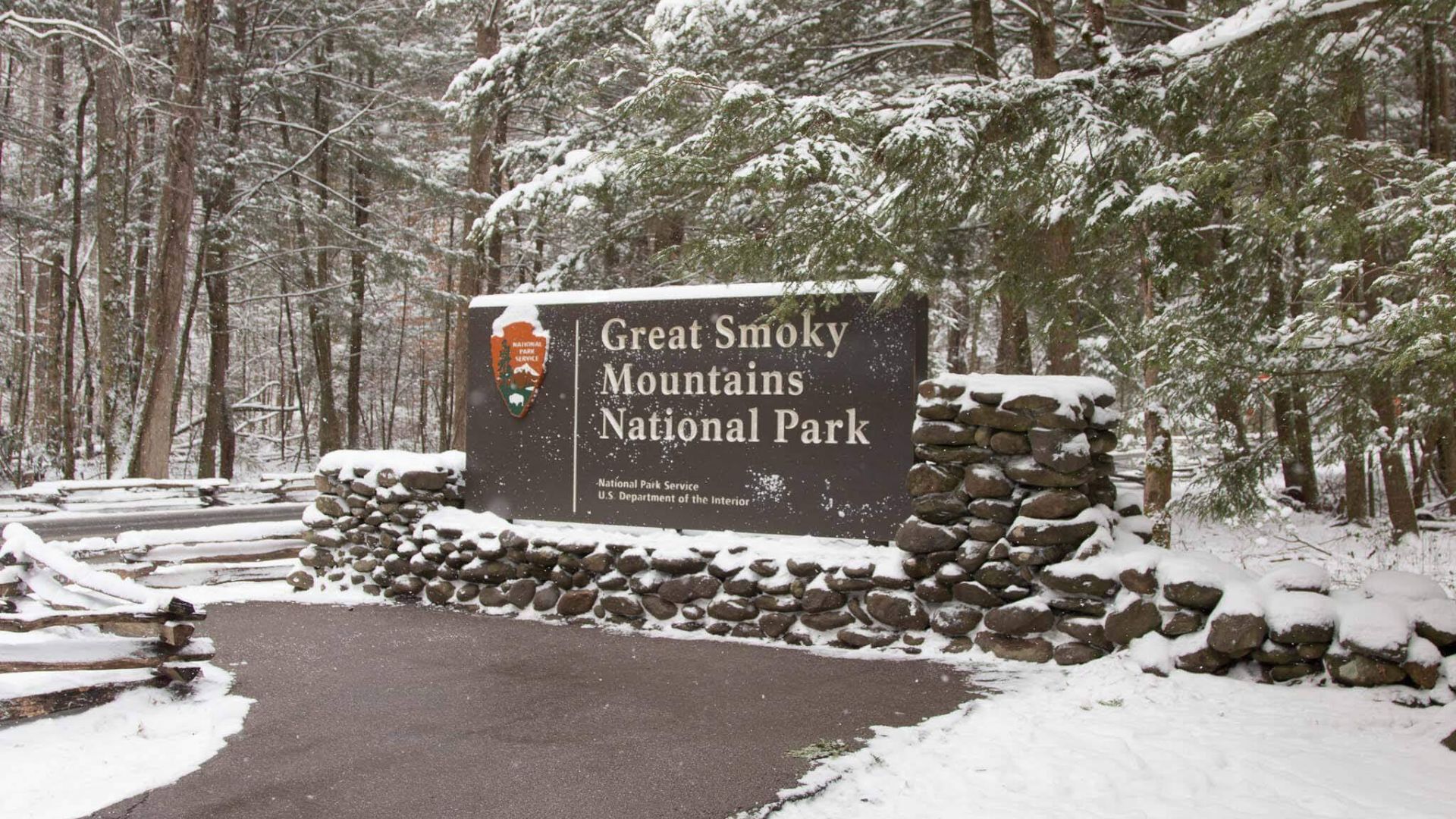
Most visitors enter the Great Smoky Mountains through two doors: Sugarlands, just past Gatlinburg, and Townsend's "peaceful side" into Cades Cove. Both are wonderful, and both can be crowded. But the park has quieter entrances — two of them tucked along the Tennessee foothills east of Gatlinburg, where the parking lots are smaller, the trails less trafficked, and the forest feels like it's yours. Greenbrier and Cosby are the Smokies' overlooked entrances, and for a certain kind of day, they're the best ones.
Greenbrier: a river road into old-growth forest
The Greenbrier entrance is hiding in plain sight. It opens off East Parkway (US-321) about six miles east of downtown Gatlinburg's main Parkway — you turn south into the park and the pavement soon narrows to a gravel road that runs for roughly six miles alongside the rushing Little Pigeon River before dead-ending at a trailhead. There's no visitor center, no through-road to anywhere else. You come here on purpose, and then you turn around and come back the same way. That's exactly why it stays quiet.
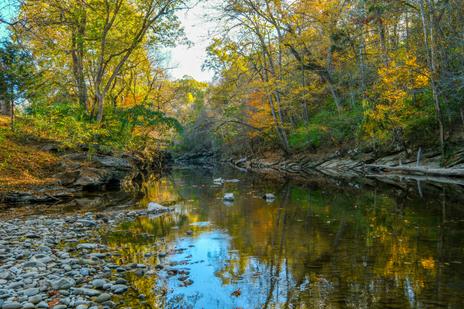
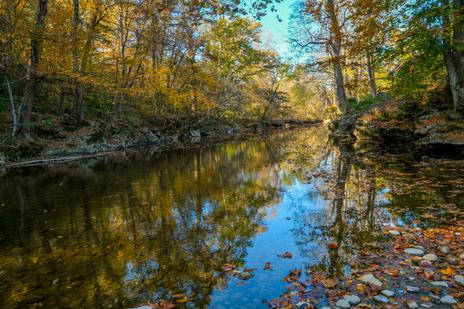
What makes Greenbrier special is the combination of water and old growth. Much of this valley escaped the heavy logging that cleared most of the park, so the forest here is ancient — towering tulip poplars and hemlocks, mossy boulders, and some of the best spring wildflower displays in the Smokies. The river itself is the other draw: on a hot summer day, the pull-offs along the road lead to broad rocks and pools where families wade and sun themselves. (A real caution here — the current can run fast and the water can surge after rain, so this is a place to be careful, especially with kids.)
Two hikes anchor the area:
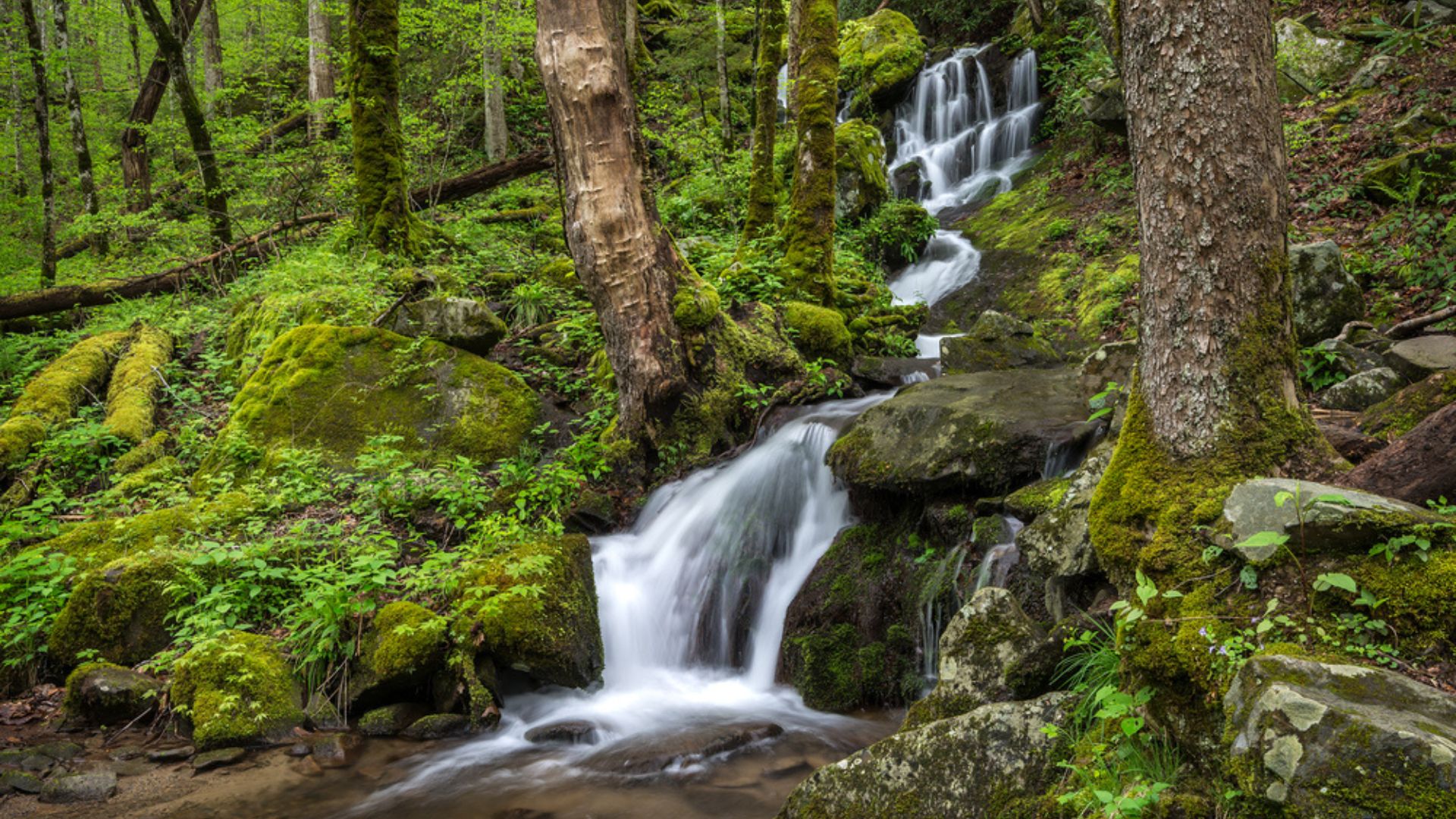
- Porters Creek Trail — the easier, friendlier option. A roughly 4-mile round trip leads past old homesite ruins and stone walls to Fern Branch Falls, a 50-foot cascade, through forest that erupts with wildflowers in April. Moderate and very rewarding.
- Ramsey Cascades — the big one. At about 100 feet, it's the tallest waterfall in the park, reached by a strenuous 8-mile round-trip climb of around 2,000+ feet through old-growth forest. Not a casual stroll, but a bucket-list hike for serious walkers.
A quick note to prevent a common mix-up: the Little Greenbrier Schoolhouse, despite the name, is not at this entrance — it sits over on the Metcalf Bottoms side of the park near Wears Valley. Greenbrier the entrance is its own distinct, river-carved corner.
Cosby: "the quiet side" of the quiet park
If Greenbrier is overlooked, Cosby is practically forgotten — which is its whole appeal. Tucked into the park's far northeast corner, it has a long-standing reputation as the quietest developed area in the Smokies, the place rangers and locals point to when they want a campground or picnic that doesn't fill up. You reach it from the Gatlinburg side by heading east, or most directly from Interstate 40 at Exit 443, following US-321 through the small communities of Cosby and Pittman Center to the park entrance.
Cosby is built around a classic national-park campground and picnic area set in deep forest. The campground is large but low-key, mostly tent sites, open seasonally and by reservation; the picnic area with its rentable pavilion makes an easy, uncrowded base for a day. From here a handful of excellent trails fan out:
- Hen Wallow Falls via the Gabes Mountain Trail — a moderate hike of roughly 4.4 miles round trip to a tall, thin waterfall that fans out across the rock. The signature Cosby day hike.
- Mount Cammerer — a longer, strenuous climb to a restored stone-and-timber fire lookout tower with one of the finest panoramic views in the park, reached via the Low Gap Trail up to the Appalachian Trail.
- Low Gap to the Appalachian Trail — the Cosby area is a popular jumping-on point for the AT as it runs along the park's high northeastern ridgeline.
What you won't find at Cosby is a crowd. On many weekdays you can hike for hours and pass only a handful of people — a very different experience from the busier core of the park.
Why choose a quieter entrance
These entrances aren't just about dodging traffic, though they do that well. They offer a different kind of Smokies day: slower, more immersive, closer to what the park felt like generations ago. You trade the overlooks-and-crowds experience for solitude, old-growth forest, and the sound of moving water. For photographers, hikers, families wanting a peaceful picnic, or anyone who's "done" the main attractions and wants to go deeper, Greenbrier and Cosby are the answer. They pair beautifully with the park's other hidden treasures for a trip that goes well beyond the postcard stops.
Before you go: check conditions first
One important, practical note. Because these are remote, river-adjacent corners of the park, their roads and trails see periodic closures — Greenbrier in particular sustained flood damage in recent years and has had stretches of road and bridge work, and both areas have seasonal campground and facility closures. Conditions genuinely change. Before you drive out, check the park's official Current Conditions / Closures & Alerts page (or call the park at 865-436-1200) so you're not surprised by a closed gate at the end of a long gravel road. A two-minute check saves a wasted morning.
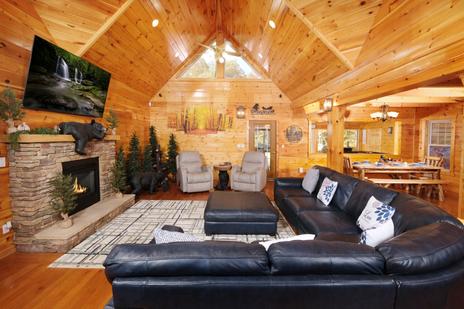
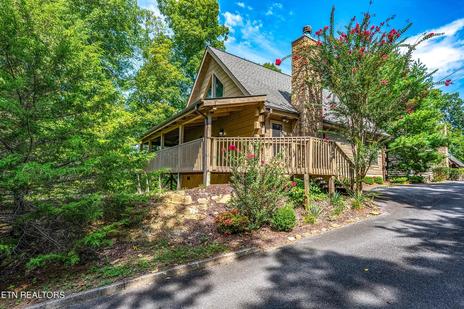
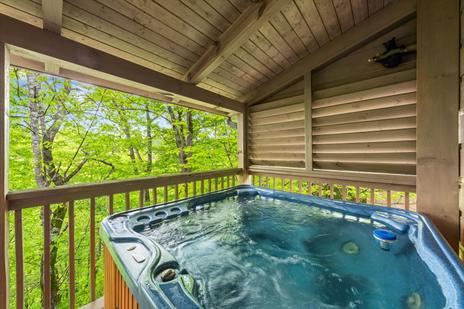
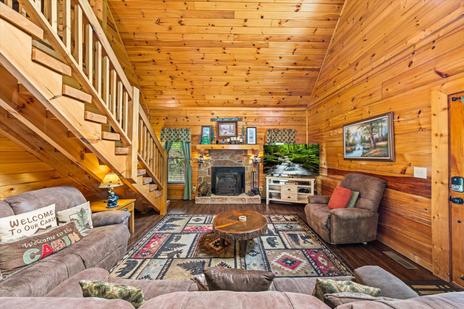
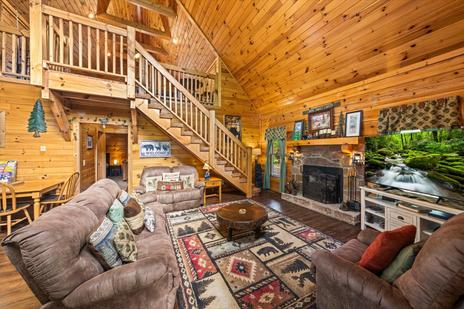
Both entrances are an easy drive from the Gatlinburg and Pigeon Forge area, which makes them perfect for a day trip from a cabin base. Stay close to the foothills and you can be standing in an old-growth forest beside a mountain river within an hour of your coffee.
Frequently asked questions
Where is the Greenbrier entrance to the Smokies?
Greenbrier is off East Parkway (US-321), about six miles east of downtown Gatlinburg's main Parkway. You turn south into the park onto Greenbrier Road, which is paved at first and then turns to a narrow gravel road running about six miles alongside the Little Pigeon River before dead-ending at the Porters Creek trailhead. There's no through-road and no visitor center.
How do I get to the Cosby entrance?
Cosby is in the park's far northeast corner. The most direct route is from Interstate 40 at Exit 443, then US-321 through the communities of Cosby and Pittman Center to the entrance. From Gatlinburg, you head east on US-321. It's roughly 25 miles from Gatlinburg and is known as the quietest developed area in the park.
What's the best hike at each entrance?
At Greenbrier, Porters Creek Trail (about 4 miles round trip to Fern Branch Falls) is the friendly option, while Ramsey Cascades (about 8 miles round trip to the park's tallest waterfall) is the strenuous bucket-list hike. At Cosby, Hen Wallow Falls via the Gabes Mountain Trail (about 4.4 miles round trip) is the signature day hike, with Mount Cammerer's lookout tower as a longer, more demanding reward.
Are Greenbrier and Cosby really less crowded?
Yes. Both sit away from the main Gatlinburg–Sugarlands and Townsend–Cades Cove corridors, have smaller parking areas, and draw far fewer visitors. Cosby in particular has a long reputation as the quietest developed area in the Smokies. On weekdays especially, you can hike for hours and see very few people.
Do I need to check conditions before visiting?
Definitely. These remote, river-adjacent areas see periodic road and bridge work and seasonal facility closures, and Greenbrier has had flood-related repairs in recent years. Always check the National Park Service's official Current Conditions / Closures & Alerts page before you go, so you don't drive out to a closed gate.
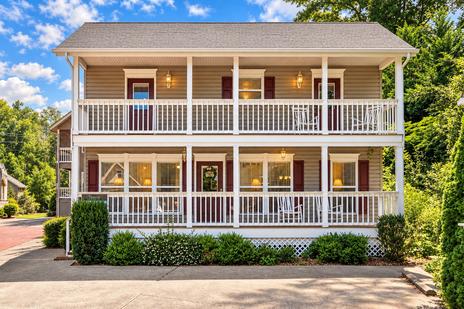
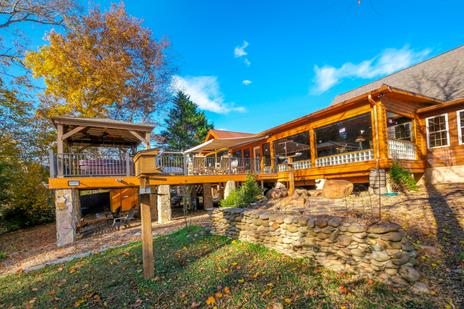
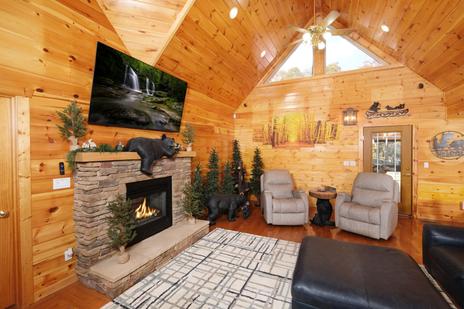
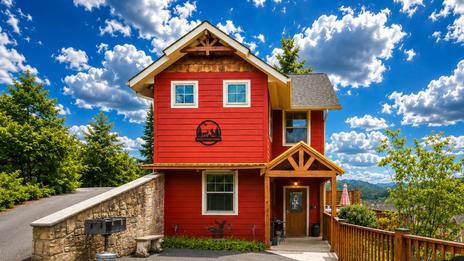
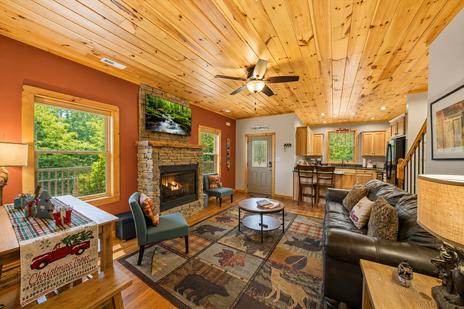
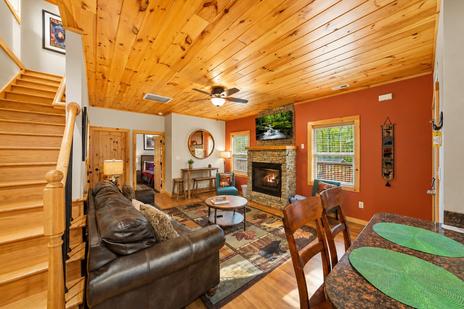
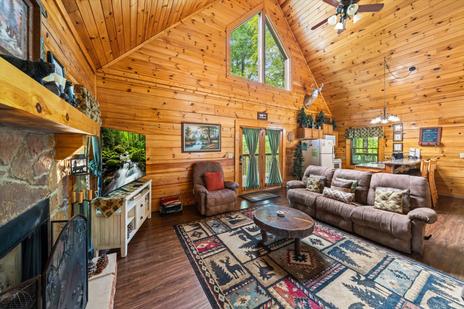
The quieter corners of the Smokies are easiest to enjoy when you're based right in the foothills. Colonial Properties offers cabins across Gatlinburg, Pigeon Forge, Sevierville, and Wears Valley — many within a short drive of these overlooked entrances. Find your basecamp for a quieter kind of mountain day.