The Best Photography Spots in Cades Cove, Hour by Hour
Published Sep 27, 2026
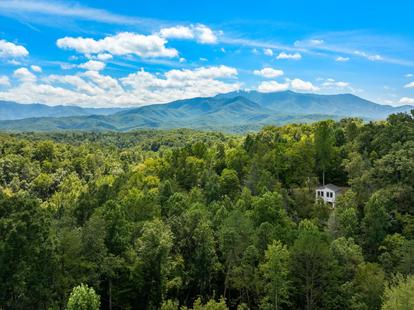
Cades Cove is the most photographed place in the Smokies — an 11-mile loop of open valley ringed by mountains, dotted with pioneer cabins and historic churches, and alive with deer, turkeys, and black bears. But the difference between a good Cades Cove photo and a magical one usually comes down to a single factor: timing. The same barn that looks flat at noon glows at dawn; the meadow that's empty at midday fills with grazing deer at dusk. This is a photographer's guide to Cades Cove organized the way light actually moves through it — hour by hour.
Go at dawn. The loop opens at sunrise, and the first two hours deliver the best light, the thickest morning fog, the most active wildlife, and the thinnest crowds — all at once. Everything else in this guide is secondary to simply being there when the gate opens.
Before dawn: get in position
Arrive before sunrise
The single most important decision you'll make is when you arrive. Cades Cove Loop Road opens to vehicles at sunrise and the light show begins immediately, so you want to be at the entrance before the gate opens, not after. Beating the sunrise gives you first position on the loop before the line of cars builds, and it puts you in the valley for the fleeting minutes when fog still hangs over the fields and the light is at its softest. Fill your gas tank, pack your gear the night before, and set an early alarm — this is a sacrifice that pays off in every frame.
First light: fog and the open fields
Sunrise to about an hour after
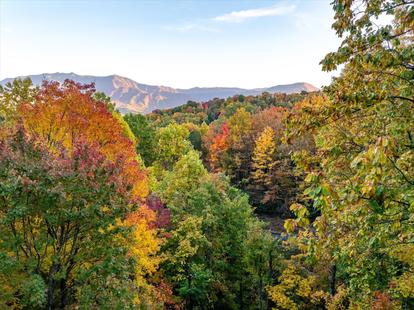
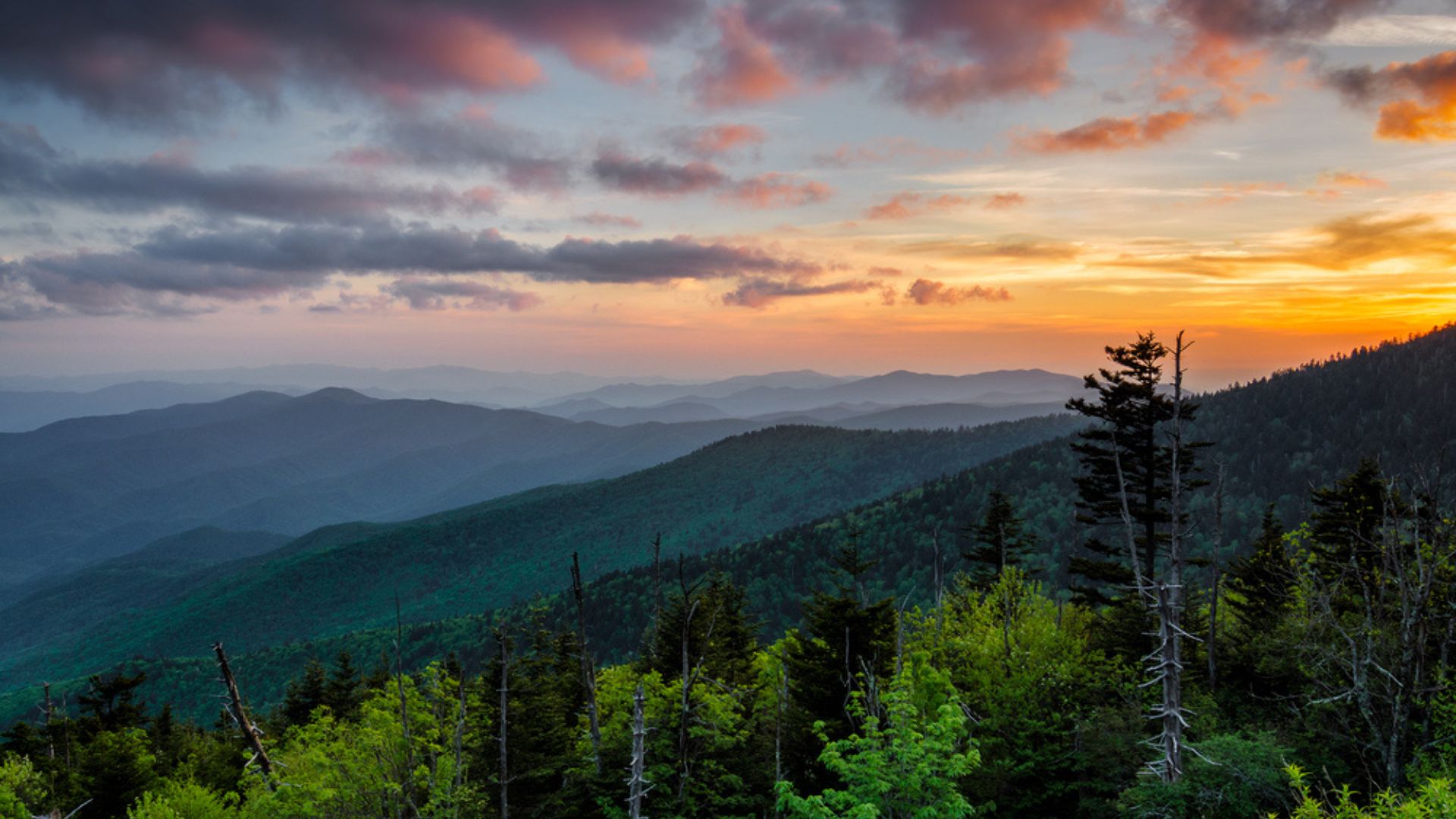
The first hour is the golden one — literally. As the sun crests the ridgeline, low-angle light rakes across the valley floor and sets the dew and fog aglow. This is the window for the wide, atmospheric shots Cades Cove is famous for.
- The open meadows near the entrance catch the first light and often hold the heaviest ground fog — layered mountains behind a glowing, misty field is the classic Cades Cove image.
- Sparks Lane — a photogenic dirt lane crossing the valley near the start of the loop — is a legendary sunrise spot, with fog pooling along the fence lines and the lane leading the eye toward the mountains.
- Wildlife is most active now. Deer and turkeys feed in the open fields at first light, and this is your best chance at a black bear in the meadows, especially in late summer and fall.
Mid-morning: the cabins and churches
Roughly one to three hours after sunrise
As the fog burns off and the light climbs, shift your focus from wide atmospheric scenes to the historic structures, which photograph beautifully in clean morning light before the harsh midday sun.
- The John Oliver Cabin — the oldest structure in the Cove, built in the 1820s — sits a short walk from the road in a clearing that catches lovely morning light through the surrounding trees.
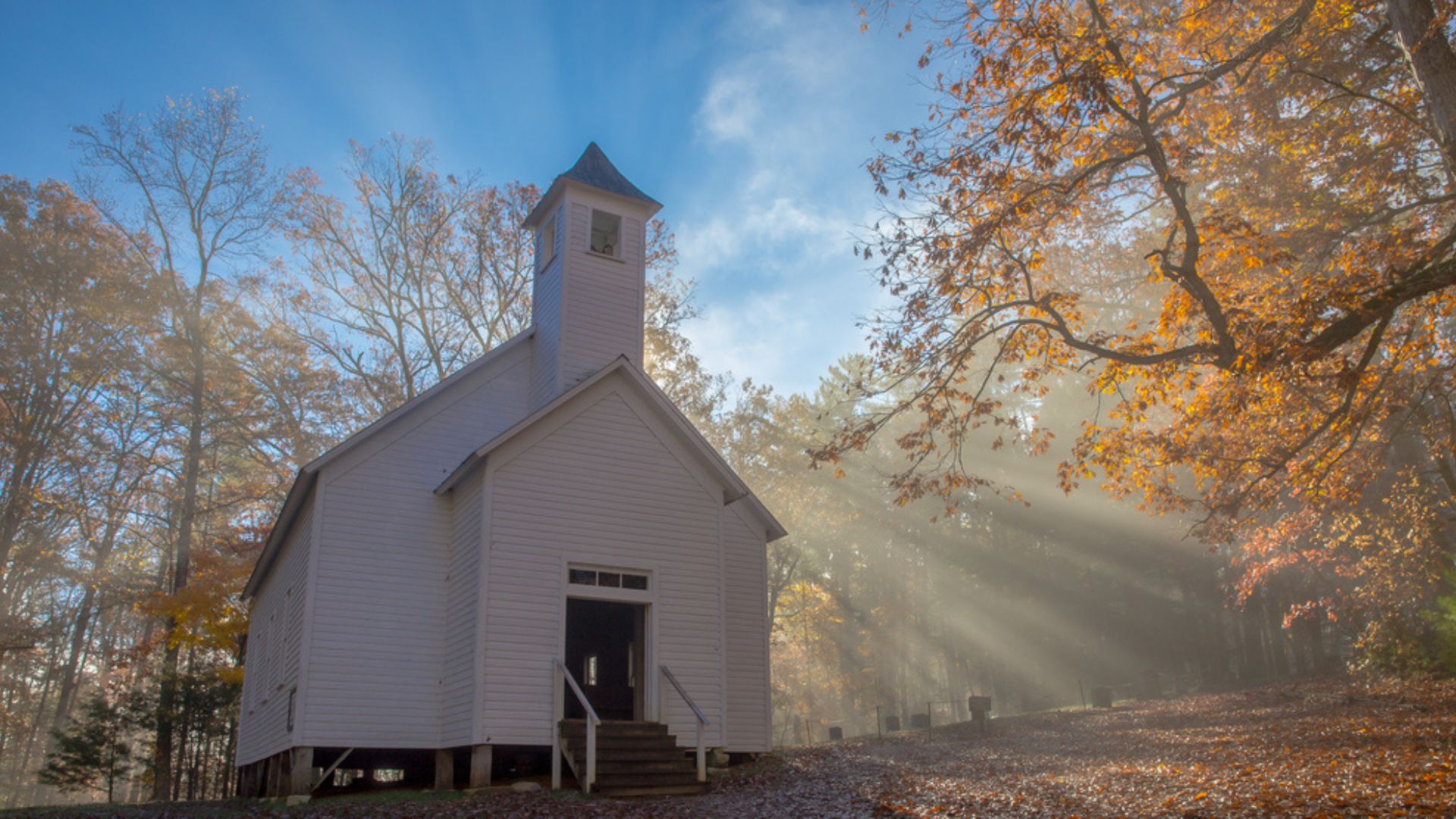
- The three historic churches — Primitive Baptist, Methodist, and Missionary Baptist — each photograph well in morning light, the simple white Methodist church being the most iconic. Early morning also means you can often capture them without other visitors in frame.
- Hyatt Lane, the loop's other cross-valley lane, gives you a second shot at the leading-line-through-the-meadow composition if the light or fog was better on this side.
Late morning: the Cable Mill area
Mid-loop, roughly the halfway point
About halfway around, the Cable Mill historic area is a cluster of preserved buildings — the water-powered grist mill, a barn, the visitor center, and more — that rewards a walk-around with a variety of detail and structure shots. The mill and its flowing water are the highlight, and the working-farm setting gives you texture, wood, and machinery to shoot when the wide-landscape light has passed its peak. It's also the main restroom and visitor-center stop on the loop, making it a natural midpoint break.
Midday: slow down or step out of the car
The harsh-light hours
Midday sun is the least flattering light for landscapes — flat, contrasty, and hard on the classic vistas. This is the time to either take a break, shoot in the shade, or get out on foot. The trails off the loop (like the walk toward Abrams Falls) offer shaded forest scenes and moving water that actually benefit from softer, filtered light. It's also simply the busiest time on the loop, so if the traffic is heavy, midday is a fine window to picnic, explore a trail, or wait for the light to improve. See our guide to the best Cades Cove hiking trails.
Late afternoon into golden hour: the light returns
The final hours before sunset
As the sun drops toward the western ridges, the valley warms up again and the second-best light of the day arrives. The fields glow, long shadows stretch across the meadows, and the wildlife comes back out to feed. Late afternoon and the golden hour before sunset are prime for both landscapes and animals — deer return to the open fields, and a bull elk or a black bear against warm, low light makes for a spectacular frame. Position yourself facing east for front-lit mountains, or west to catch the sun sinking behind the ridgeline.
Sunset: the closing frame
As the loop nears closing
The loop road closes at sunset, so plan to be near the exit as the light fades rather than deep in the valley. The final minutes deliver rich, saturated color across the western sky and mountains — a fitting close to a full day of shooting. Keep an eye on the time and the gate hours so you're not caught inside at closing; the loop is one-way and can't be rushed.
Tips for photographing Cades Cove
- Go on a Wednesday in season for the vehicle-free morning. From early May through late September, the loop is closed to cars on Wednesdays, opening it to cyclists and walkers — and to photographers who can set up in the road itself without traffic. It's the best day of the week for unhurried shooting.
- Bring a zoom lens for wildlife. By law you must stay at least 50 yards from bears and elk. A telephoto lens gets you the close frame safely; never approach animals for a shot.
- Pack a tripod for dawn. First light and fog mean low light — a tripod keeps those atmospheric shots sharp.
- Expect a slow loop. The 11-mile one-way road can take two to four hours with stops and traffic. Build in time; you can't hurry Cades Cove, and rushing means missing shots.
- Watch the weather for fog. The most dramatic mornings follow cool, clear nights after a warm or wet day, when fog settles into the valley. Overcast days give soft, even light good for the cabins and churches.
- Fuel up and pack food. There are no services on the loop beyond restrooms at the Cable Mill area, and cell service is nonexistent.
Plan your Cades Cove photo trip
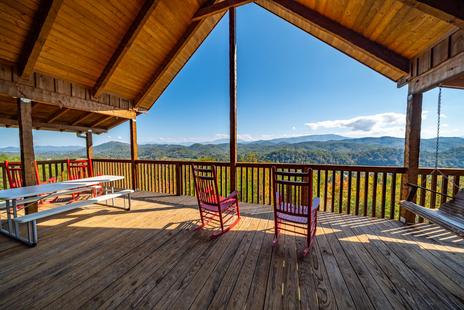
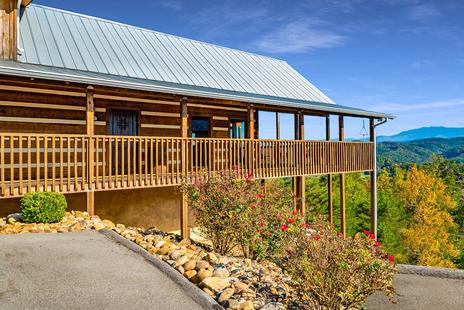
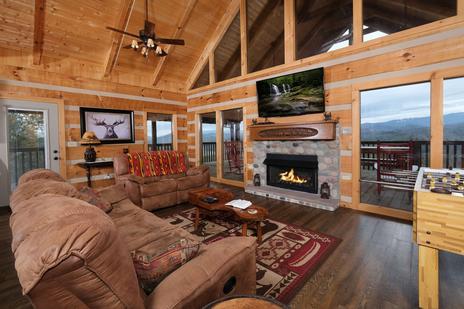
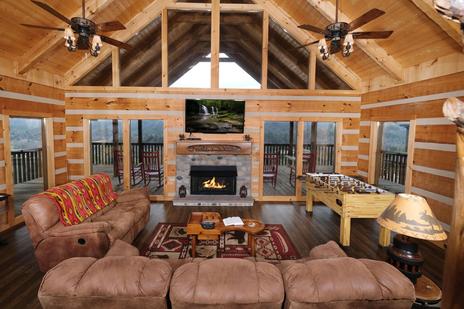
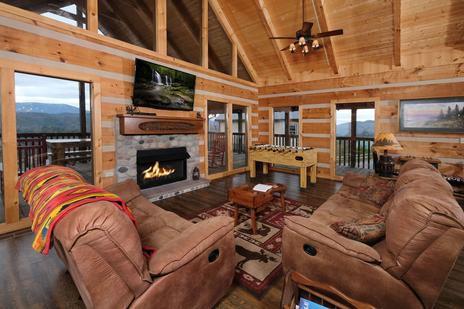
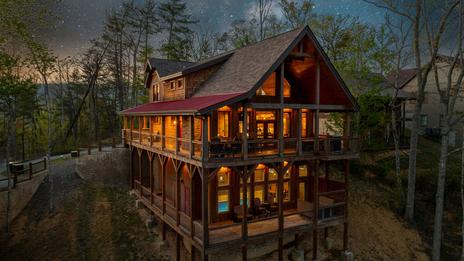
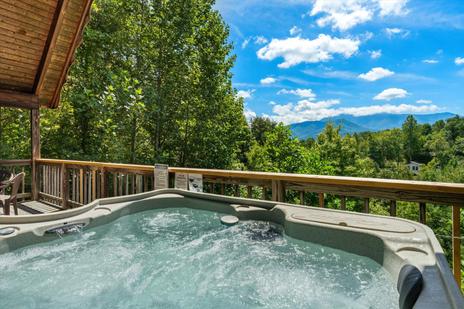
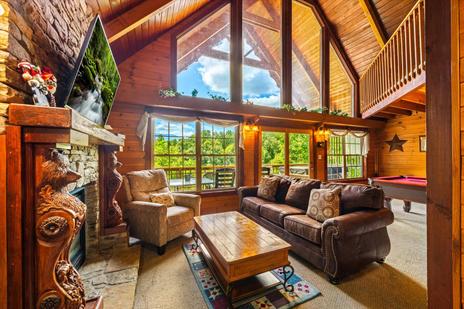
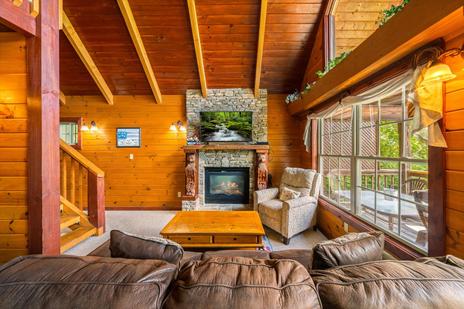
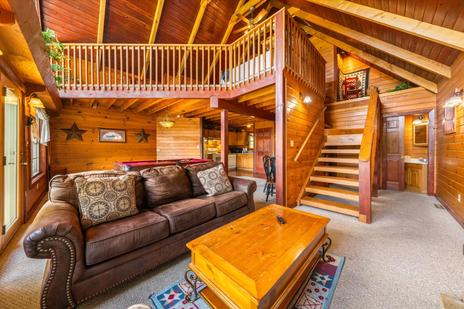
Because the best light is at dawn, staying close to the Cove is a real advantage — the less driving between your bed and the gate at sunrise, the better. Cades Cove is on the western side of the park, so a cabin in Wears Valley or on the Townsend side puts you closest to the entrance for an early start, though it's a scenic hour or so from Gatlinburg as well via Little River Road. For everything else to see and do in the Cove beyond photography, see our full Cades Cove guide and our roundup of the animals you'll see there.
Frequently asked questions
What's the best time of day to photograph Cades Cove?
Dawn, without question. The loop opens at sunrise, and the first two hours bring the best light, the heaviest morning fog, the most active wildlife, and the thinnest crowds all at once. Late afternoon into the golden hour before sunset is the second-best window. Midday sun is the least flattering for landscapes.
Where are the best photo spots in Cades Cove?
Sparks Lane and Hyatt Lane (photogenic cross-valley dirt lanes) for foggy sunrise shots, the open meadows near the entrance for wide atmospheric scenes, the John Oliver Cabin and the three historic churches for morning structure shots, and the Cable Mill area at the halfway point for detail and working-farm scenes.
When is Cades Cove Loop Road closed to cars?
From early May through late September, the loop is vehicle-free on Wednesdays, open only to cyclists and walkers — the best day for unhurried photography. The road otherwise opens at sunrise and closes at sunset daily; confirm current hours and the vehicle-free schedule at nps.gov/grsm before you go.
How long does it take to drive the Cades Cove loop?
The 11-mile one-way loop typically takes two to four hours with photo stops and traffic, and longer on busy days. It can't be rushed — it's one-way, often slow, and stopping for wildlife backs up the line. Budget plenty of time, especially if you're shooting at multiple stops.
Can I photograph the wildlife in Cades Cove?
Yes, and it's some of the best wildlife photography in the East — but by law you must stay at least 50 yards from bears and elk. Use a telephoto/zoom lens to get close frames safely, shoot at dawn or dusk when animals are most active, and never approach or feed wildlife for a shot.
How far is Cades Cove from Gatlinburg?
About 45 minutes to an hour via Little River Road, on the western side of the park. For a dawn shoot, staying on the closer Wears Valley or Townsend side shortens the pre-sunrise drive considerably.
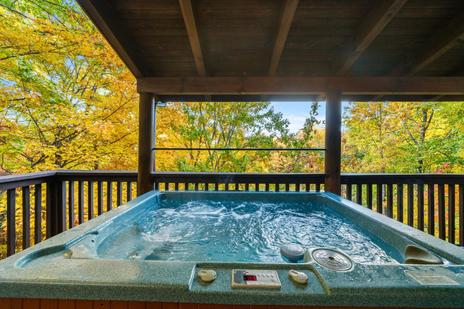
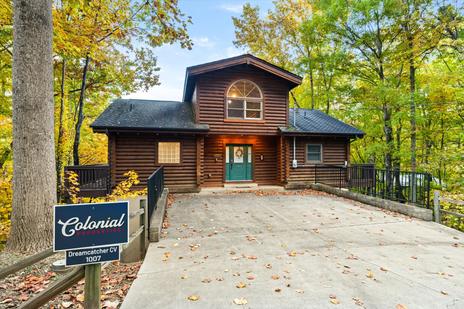
The earlier you can reach the gate, the better your photos — so stay close. Browse Colonial Properties' cabins near the national park and Wears Valley for the shortest sunrise drive to Cades Cove.