Top 10 Animals You'll See in Cades Cove
Published Jun 6, 2020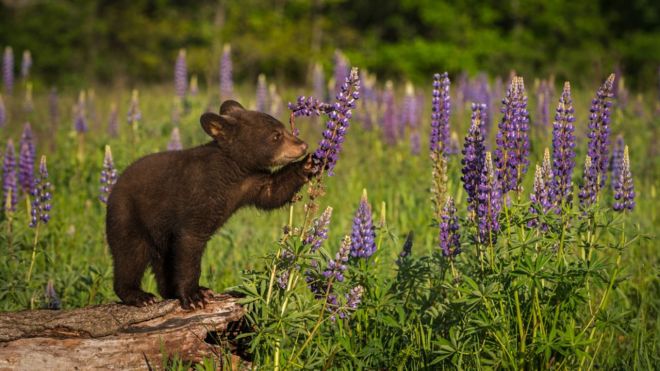
Cades Cove is the single best place for wildlife viewing in Great Smoky Mountains National Park. The broad, open valley — ringed by an 11-mile loop road — lets you spot animals across meadows and tree lines that would be hidden in dense forest elsewhere in the park. Here's what you're likely to see, and how to see it.
How and when to view wildlife in Cades Cove
The Cades Cove Loop is an 11-mile one-way motor trail encircling the valley, open year-round from 8 AM to sunset. From early May through late September, the loop closes to vehicle traffic all day every Wednesday, giving cyclists and walkers the road to themselves — often the best wildlife viewing of the week, since there's no engine noise. The two best windows for viewing on any day are early morning and late evening, when most animals are most active. Bring binoculars, drive slowly, and use the pull-outs rather than stopping in the road.
The National Park Service requires visitors to stay at least 50 yards (150 feet) from all wildlife — and willfully approaching within 50 yards of bears or elk is illegal. A good rule of thumb: if your presence changes an animal's behavior, you're too close. Never feed any animal in the park; it's both illegal and harmful. Feeding habituates animals to people, and habituated bears frequently have to be euthanized.
Black bears
The black bear is the symbol of the Smokies, and Cades Cove is one of the best places in the park to see one. Great Smoky Mountains National Park is the largest protected black bear habitat in the East, with a population of roughly 1,500 bears — about two per square mile. The safest way to view a bear is from inside your vehicle. Look up as well as out: bears spend a great deal of time in trees, and cubs in particular are often spotted high in the branches. The best sightings come in spring, after bears emerge from winter denning, and again in summer through early fall as they forage heavily before winter. Keep your distance, and never position yourself between a sow and her cubs.
White-tailed deer
White-tailed deer are the most commonly seen animal in the park, and in Cades Cove they're nearly guaranteed. They graze the open meadows morning and evening, and the Cove's deer have grown notably tolerant of human presence over the decades — though they remain wild animals. Winter is a surprisingly good time to spot them: with the trees bare, deer are far easier to see against the open valley. During the fall rut, you may catch bucks sparring or displaying.
Wild turkeys
The wild turkey is the park's largest bird and a common Cades Cove sighting. Turkey numbers were once badly depleted, but restoration efforts beginning in the 1950s have brought the population to its highest level in a century. Look for them foraging in the open fields and valleys, often in flocks; in fall they clear fallen leaves with their feet to uncover insects and seeds. The entrance to the Abrams Falls trail is a reliable spot, and turkeys are frequently photographed right from the loop road.
Coyotes
Coyotes are relative newcomers to the Cove — they migrated into the area around 1985 — and now play an important role controlling populations of smaller animals. They resemble a small German shepherd, standing about two feet tall with pointed ears, thin legs, and a bushy tail. They're most active at dawn and dusk and are more often heard than seen. A coyote trotting along a distant tree line at first light is one of the Cove's quieter pleasures.
Foxes, raccoons, and groundhogs
Both red and gray foxes live in Cades Cove; the mix of forest and open field suits them, and the trees give them cover from coyotes. Raccoons are abundant throughout the Cove but are mainly nocturnal, so daytime sightings are uncommon. Groundhogs — also called woodchucks — are frequently seen along the loop road on warm days, grazing the meadow edges; they have excellent eyesight and will scramble up a tree or into a burrow if approached. These mid-sized mammals fill out the supporting cast on almost any drive around the loop.
Salamanders and stream life
The Great Smoky Mountains are known as the "Salamander Capital of the World," home to more than 30 species — more than anywhere else on Earth. In Cades Cove, look for them on the ground in shaded wooded areas and around creekbeds and other wet spots, especially after rain. Along the valley's streams and beaver ponds, patient visitors also spot river otters and beavers, both of which have re-established themselves in park waterways. These are the animals most visitors drive right past — worth a stop if you have time to walk a short wooded trail.
Frequently asked questions
What is the best time of day to see animals in Cades Cove?
Early morning (right at the 8 AM opening) and the hour or two before sunset are the prime windows — most animals are most active then, and the light is best for photography. On Wednesdays from early May through late September, the loop is closed to cars all day, which makes for excellent quiet viewing on foot or by bike.
How close can I get to a black bear in Cades Cove?
No closer than 50 yards (150 feet) — it's the law in Great Smoky Mountains National Park, and it applies to bears and elk specifically. For all other wildlife, 50 yards is the recommended minimum. The safest viewing is from inside your vehicle. If an animal reacts to your presence, you're too close and should back away slowly. Never feed wildlife.
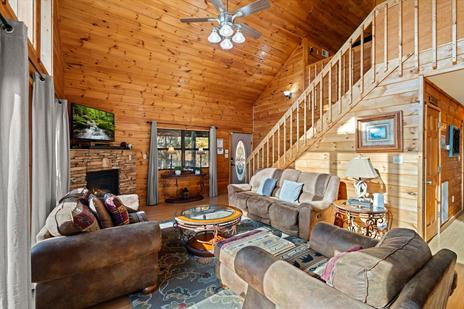
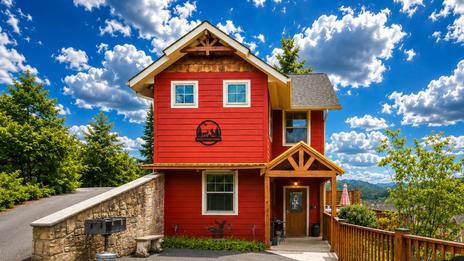
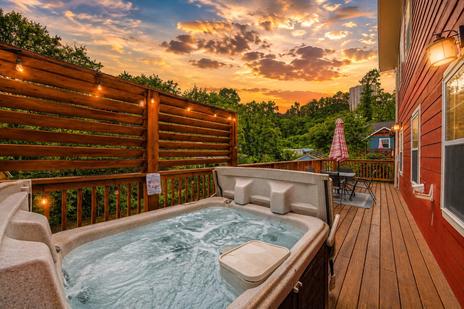
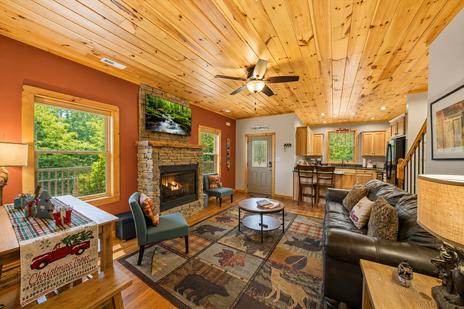
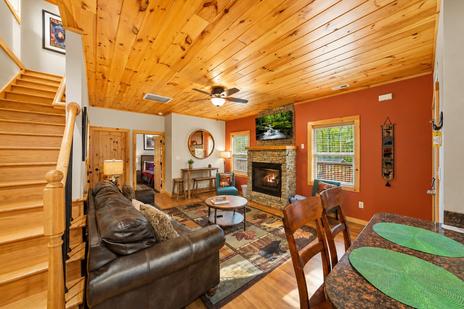
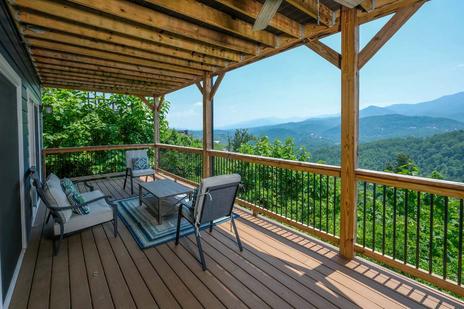
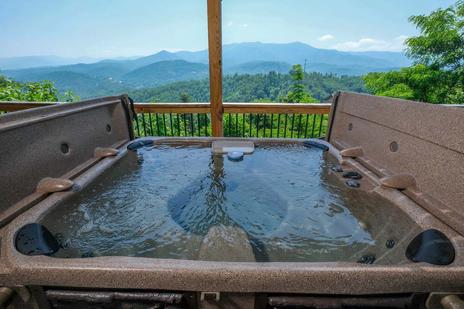
Stay in a cabin near Cades Cove and you can be on the loop road at 8 AM for the best wildlife viewing of the day.