Birdwatching in the Smokies: A Season-by-Season Guide
Published Oct 8, 2026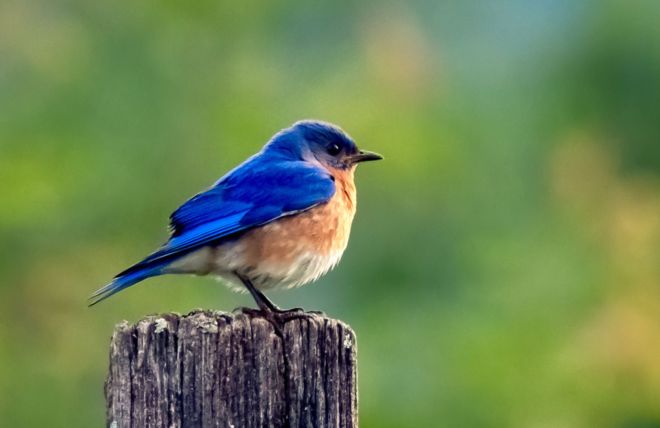
With more than 240 bird species recorded within its boundaries, Great Smoky Mountains National Park is one of the richest birding destinations in the eastern United States. About 60 species live here year-round, and nearly 120 nest in the park during the warmer months — including 52 neotropical migrants that travel all the way from Central and South America. That means there's something worth watching for in every season. Here's a season-by-season guide to birdwatching in the Smokies, plus where to go and what to listen for.
Spring — the busiest season
March–May · migration + breeding
Spring is the headline season for Smoky Mountain birding. This is when migration is in full swing and the park's summer nesters arrive and begin to sing, so the forests fill with birdsong — including the warblers the Smokies are famous for. Warblers are the most diverse bird group in the park, and spring is the best time to find them, with species like the chestnut-sided and Blackburnian warblers settling in to breed while others pass through on their way north.
The key to spring birding is timing: get out early in the morning, when birds are most active and vocal. Because the forest is so dense, you'll often hear far more birds than you see — learning a few songs pays off more than a long lens.
Summer — nesting season
June–August · resident breeders
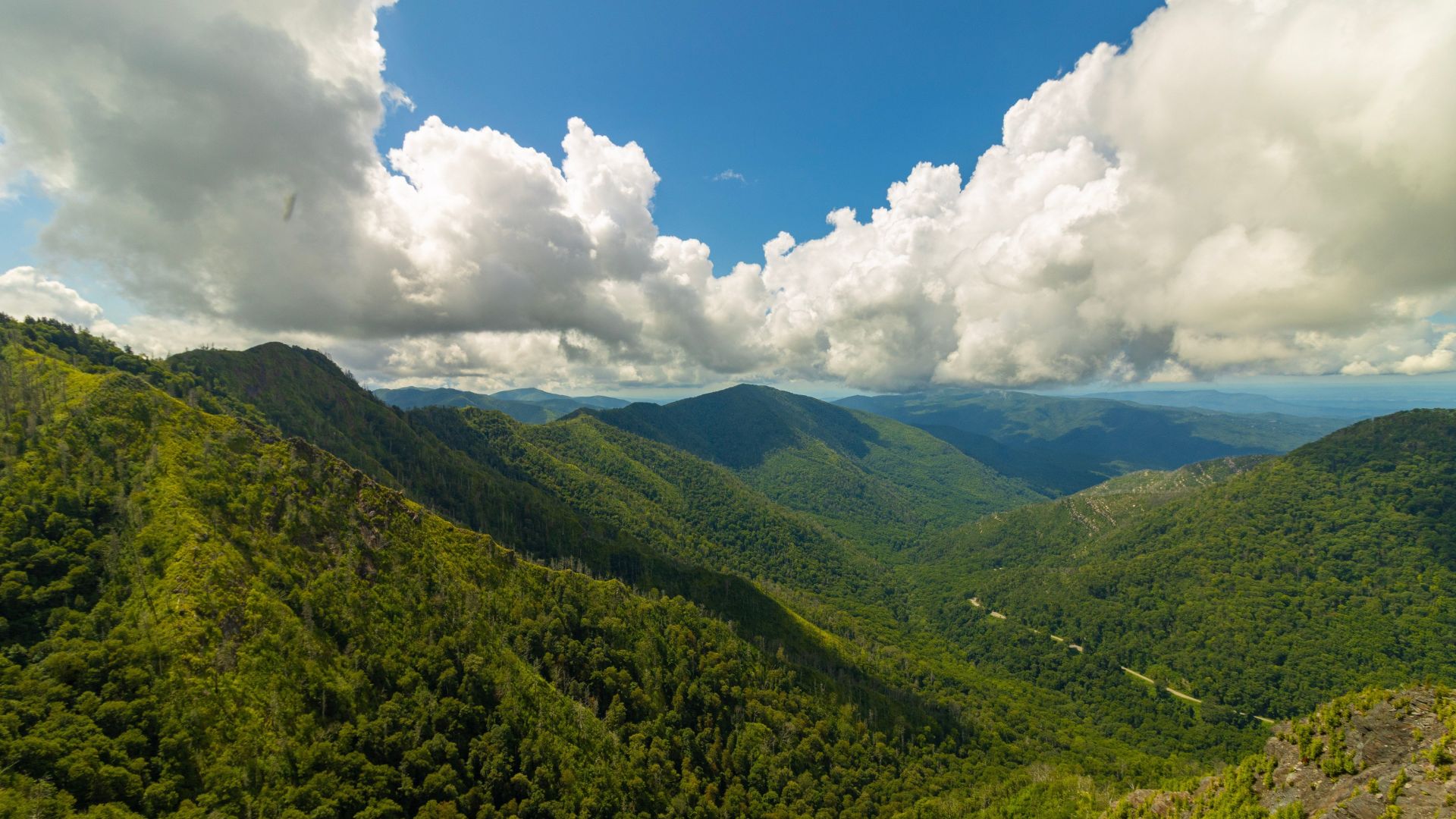
By summer, the migrants have settled in and the park's breeding birds are busy raising young. The variety is lower than peak spring migration, but activity is steady and the birds are reliably in place. The park's wide range of elevations means different habitats hold different birds — the species you'll find in the open valleys differ from those in the cool, high-elevation forests near the crest of the mountains, which feel more like New England than Tennessee.
Summer mornings are still your best window; by midday, both the heat and the quiet set in. Open areas like Cades Cove are productive for grassland and edge species, while a drive up to higher elevations gives you a shot at the park's cooler-climate specialties.
Fall — the second migration
September–November · migration returns
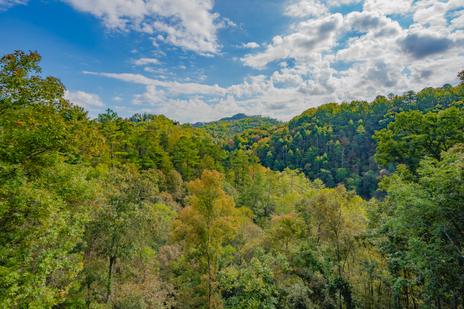
Fall brings the second great migration of the year, as birds that summered farther north move back through the Smokies toward their wintering grounds. The park serves as an important stopover and foraging area for these travelers, so the variety climbs again. The birding can be a little more challenging than spring — the birds aren't singing on territory the way they do in breeding season — but the payoff is real, and it pairs beautifully with the park's spectacular fall color. A morning of leaf-peeping and birdwatching in October is hard to beat.
Winter — quiet but rewarding
December–February · residents + surprises
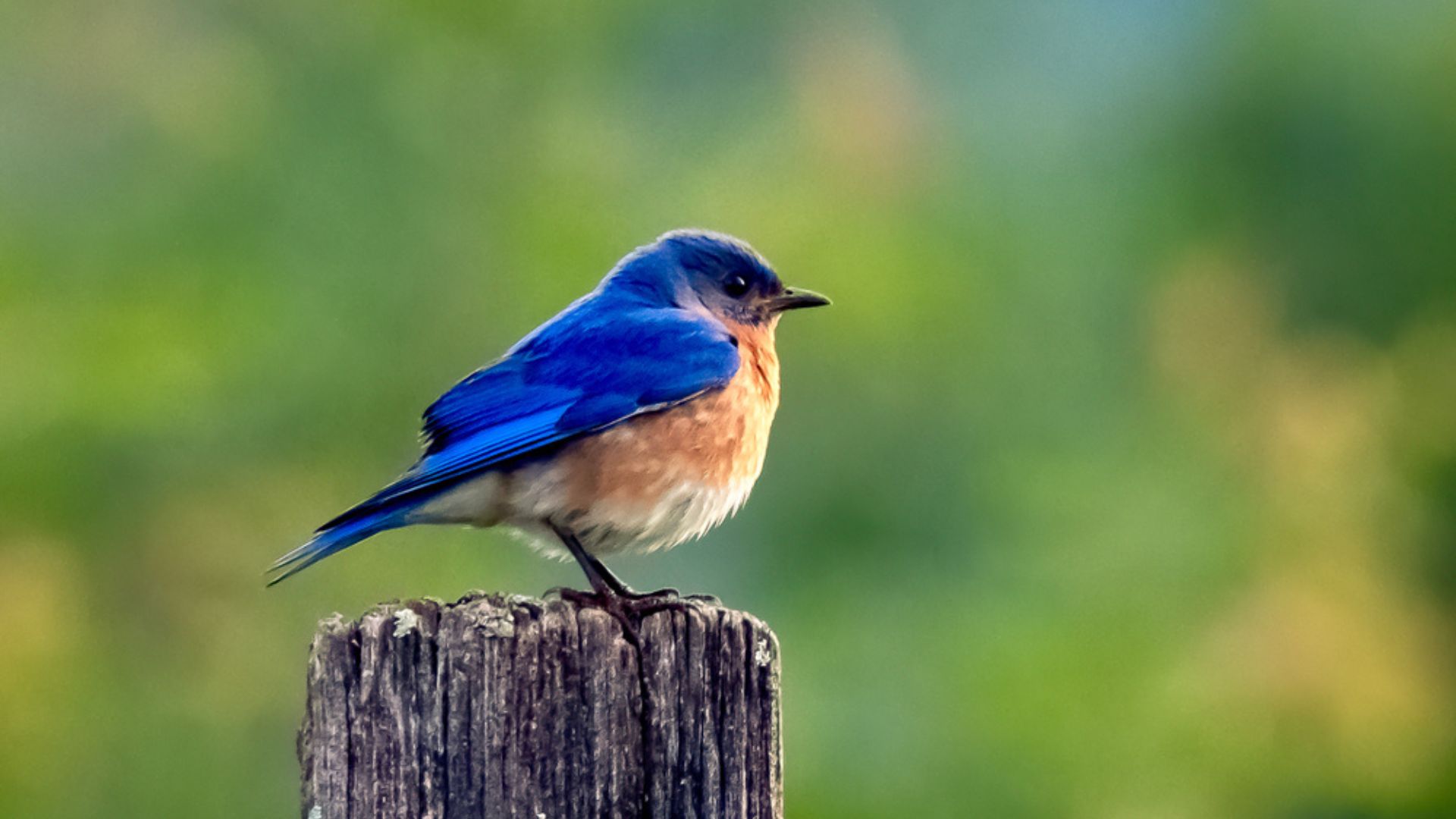
Winter is the quietest birding season, but it has its own appeal. With the leaves down, the roughly 60 year-round resident species are far easier to actually see — eastern bluebirds, woodpeckers, and other hardy residents stand out against the bare branches. Winter is also when rare, unexpected visitors sometimes turn up: the park is still recording new species, with recent winter surprises including a long-eared owl and a Ross's goose. Bundle up, bird the sunnier midday hours, and you may have a quiet trail entirely to yourself.
Where to go
A few spots consistently reward birdwatchers across the seasons:
- Cades Cove — the park's premier wildlife-viewing area, with open fields and forest edges; a reliable place for meadowlarks, bluebirds, and much more.
- Cataloochee Valley — a quieter valley on the North Carolina side, excellent for open-country and woodland birds.
- Newfound Gap Road (US-441) overlooks — stops along the climb let you bird different elevations without a long hike.
- Kuwohi Road and the high country — the best way to reach the park's cooler, high-elevation species (note the Kuwohi access road closes in winter).
- Sugarlands Visitor Center area — easy, accessible birding near the Gatlinburg entrance, and a good place to ask rangers what's being seen.
Tips for birding the Smokies
- Go early. Early morning is far and away the most active time, especially in spring and summer.
- Use your ears. In dense forest you'll hear many more birds than you see — learning a handful of common songs transforms a walk.
- Bring binoculars and patience. A good pair of binoculars matters more than anything; let the birds come to you.
- Keep your distance. Enjoy all wildlife respectfully and from a distance — and remember this is bear country, so park rules require staying at least 50 yards from bears.
- Check seasonal road access. Some high-elevation roads close in winter, so confirm what's open before heading up.
A great home base for early mornings
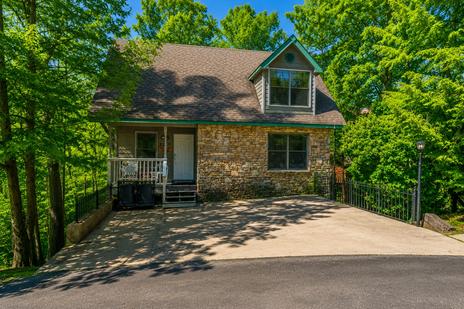
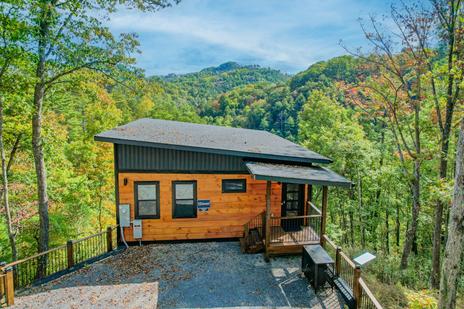
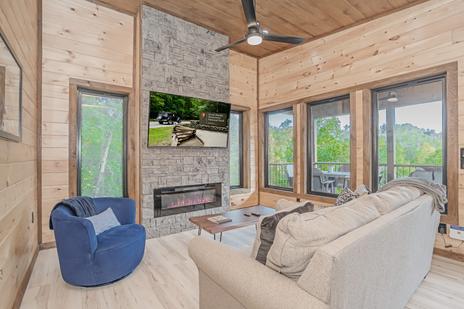
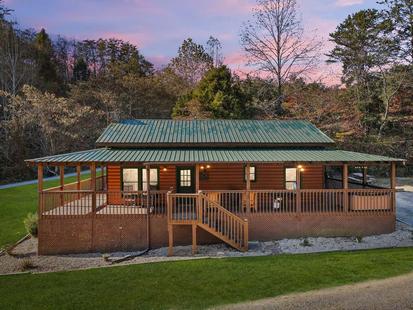
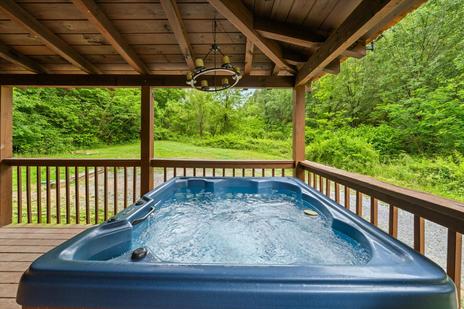
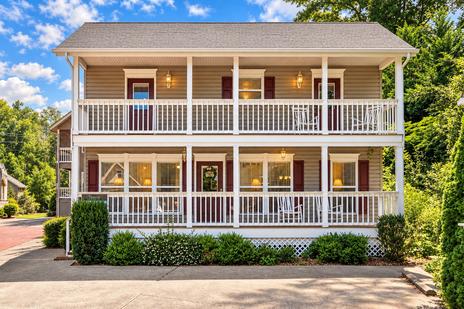
The best birding happens at dawn, which makes staying close to the park a real advantage. Colonial Properties offers private cabins across Gatlinburg and Pigeon Forge — many with mountain views and quiet, wooded settings where the birdwatching can start right from the deck. Want to see more of the park's wild side? Explore our guides to the Smokies' salamanders and spring wildlife watching.
Frequently asked questions
How many bird species are in the Great Smoky Mountains?
More than 240 species have been recorded in the park. About 60 live here year-round, and nearly 120 nest during the warmer months — including 52 neotropical migrants that travel from Central and South America.
What's the best season for birdwatching in the Smokies?
Spring (roughly March–May) is the best overall, when migration peaks and the park's summer nesters arrive and sing — especially the warblers. Fall brings a second migration, summer offers reliable breeding birds, and winter makes the year-round residents easier to spot with the leaves down.
Where is the best place to go birding in the park?
Cades Cove is the top spot for its open fields and variety, followed by Cataloochee Valley, the overlooks along Newfound Gap Road, the high country via Kuwohi Road, and the Sugarlands Visitor Center area near Gatlinburg.
What's the best time of day to see birds?
Early morning, when birds are most active and vocal — particularly in spring and summer. Because the forest is so dense, you'll often hear many more birds than you see, so arriving at dawn and listening is the winning strategy.
What birds can I expect to see?
Warblers are the park's most diverse group and a spring highlight, with breeders like the chestnut-sided and Blackburnian warblers. Year-round residents include eastern bluebirds and eastern meadowlarks (often seen in Cades Cove), along with woodpeckers and many others. Rare surprises turn up too — the park is still recording new species.
Planning a Smoky Mountain nature trip? Stay close to the park and start your mornings early. Colonial Properties offers private cabins across Gatlinburg, Pigeon Forge, and the Smokies — many in quiet, wooded settings perfect for birdwatchers.