Bears in Tennessee – Do They Hibernate?
Published Feb 13, 2023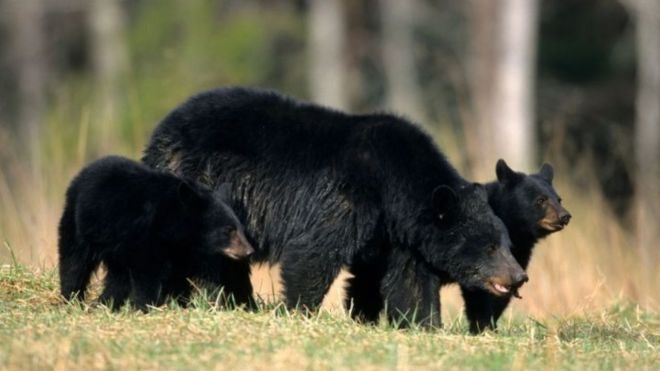
Tennessee's black bears don't truly hibernate — they enter a lighter state called torpor. It's a meaningful distinction that explains why you can encounter a bear in Great Smoky Mountains National Park any month of the year, and why human food sources change bear behavior more than most visitors realize.
Torpor, not hibernation
True hibernation — the deep, months-long metabolic shutdown associated with ground squirrels and some other mammals — doesn't apply to black bears. Black bears enter a state called torpor: a period of reduced metabolic rate, lower body temperature, and significantly decreased activity that allows them to conserve energy when food is scarce. The difference matters because bears in torpor can wake up and become active much more readily than true hibernators. A black bear in its winter den can rouse and respond to disturbance relatively quickly — it isn't in the metabolic lockdown of true hibernation.
During torpor, a bear's heart rate drops from roughly 40–50 beats per minute to as low as 8 beats per minute. Body temperature drops only moderately — around 10–12°F below normal — compared to the dramatic temperature drops of true hibernators. Bears do not eat, drink, urinate, or defecate during torpor, which can last several months, sustained entirely by fat reserves built up during fall hyperphagia — the intense pre-winter feeding period when bears may consume 20,000 calories a day.
What triggers denning in Tennessee bears
Tennessee's black bears don't follow a fixed calendar. Denning is triggered primarily by food availability. As natural food sources — acorns, berries, nuts — become scarce in late fall, bears enter torpor and retreat to dens, which may be hollow trees, rock crevices, brush piles, or excavated earth dens. When food remains accessible, bears stay active.
This is the critical factor in bear-human interactions: in areas where human food sources are abundant — campgrounds, residential areas, vacation rental communities — bears may remain active throughout the winter rather than entering torpor at all. A bear that has learned to access garbage, bird feeders, or unsecured food has little caloric incentive to den. This is why bear-proofing food storage isn't just a summer precaution; it's a year-round responsibility in bear country.
Weather also plays a role. A sustained cold snap with snow cover can accelerate denning; an unusually warm winter can extend activity through December and into January. Tennessee's mild-winter climate means some years produce very limited denning periods for bears that don't face significant food scarcity.
How reproductive status affects denning
Pregnant females follow a different pattern than other bears. A female black bear that mated in early summer gives birth in the den in January or February — cubs are born weighing less than a pound and require months of nursing before they're ready for the outside world. Pregnant females enter dens earlier in the fall and stay longer in spring than males or non-pregnant females, giving their cubs time to develop before emerging.
Male bears, by contrast, may den only briefly — or not at all — in years when food availability supports year-round activity. On warm winter days, male bears are sometimes observed foraging in the Smokies well into January and February. The difference in denning behavior between pregnant females and males can be striking: a female may be nursing newborn cubs in a January den while a male a mile away is actively foraging.
What this means for park visitors
Because Tennessee's black bears enter torpor rather than true hibernation, and because denning is food-dependent rather than calendar-driven, there is no "bear-free" season in Great Smoky Mountains National Park. Bears are present and potentially active 12 months a year. Bear activity is typically highest in spring (when bears emerge hungry from dens), summer (when human visitor volume peaks and food sources overlap), and fall (during hyperphagia). But winter visits to Cades Cove and other open meadow areas can also produce bear sightings, particularly during warm spells.
The NPS guidelines apply year-round: maintain a minimum 50-yard distance from bears, never feed bears intentionally or unintentionally, store food in bear-proof containers or your locked vehicle, and report aggressive bear behavior at any park visitor center.
Frequently asked questions
Can I see bears in the Smokies in winter?
Yes — bear sightings are possible any month of the year in Great Smoky Mountains National Park. Winter sightings are less common than spring and summer, but not rare — particularly during warm spells in December through February when bears may be active rather than in torpor. Cades Cove's open meadow setting makes it one of the most reliable year-round bear viewing locations in the park.
When are bears most active in the Smoky Mountains?
Spring (April–May) and fall (September–November) are typically the highest bear activity periods. In spring, bears emerge from dens hungry and actively foraging. In fall, bears enter hyperphagia — a period of intense pre-winter feeding where they consume enormous quantities of food to build fat reserves. Summer is also highly active because of the overlap between bear foraging territory and visitor activity in the park. Dawn and dusk are the most active times of day year-round.
Are the bears dangerous near Gatlinburg cabins?
Black bears in the Smokies are wild animals and should be treated with respect, but unprovoked attacks are extremely rare. The primary concern is food-conditioned bears — bears that have learned to associate humans and developed areas with food access. Never leave food, garbage, grills, or bird feeders accessible to bears around your cabin. A bear that is attracted to a cabin area by food sources creates a safety risk and puts the bear at risk of becoming a nuisance animal that the park may be forced to euthanize.
Stay in a Gatlinburg cabin rental — the best base for wildlife viewing and exploring the national park year-round.