Backpack Essentials for Hiking in the Smoky Mountains
Published Jul 7, 2022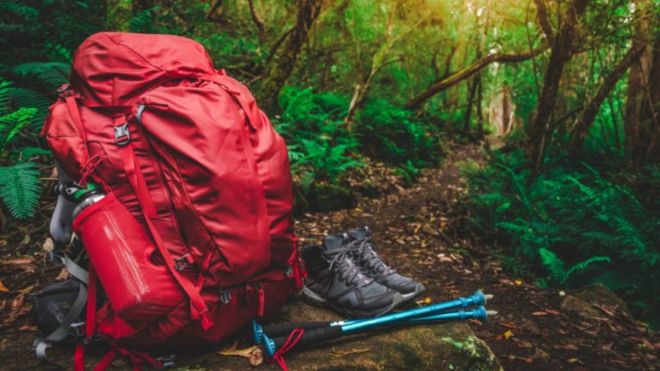
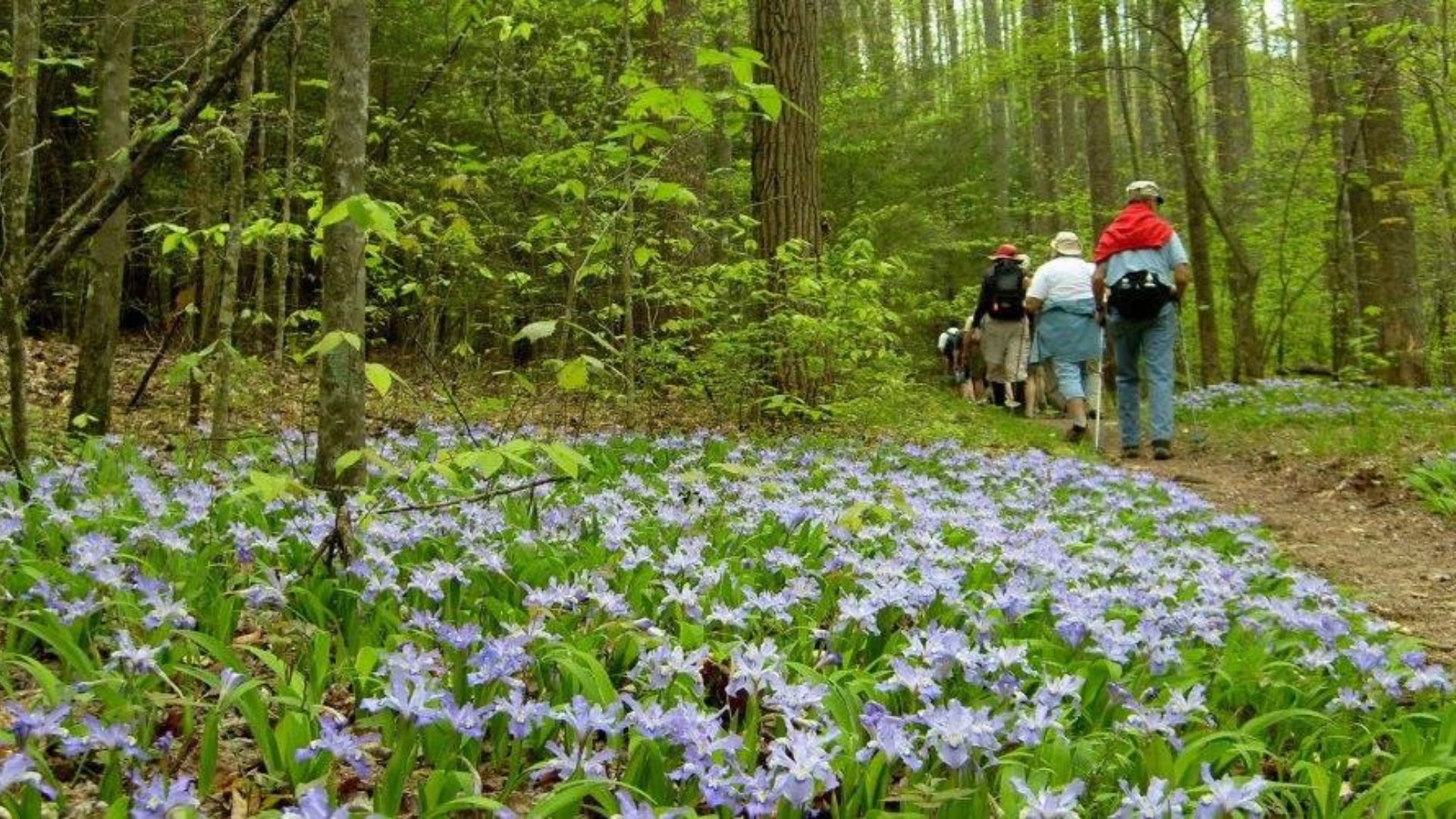
Hiking in Great Smoky Mountains National Park is different from hiking in most other places — trail conditions change quickly with elevation, cell service is unreliable, and the park's remote drainages mean you're on your own if something goes wrong. Getting the right gear in your pack before you leave the trailhead matters more here than most visitors expect. Here's what to bring.
The right backpack
Pack size depends on hike length. For day hikes under five miles, a 15 to 20 liter daypack carries everything you need without the extra weight of a larger bag. For longer hikes — Ramsey Cascades, Gregory Bald, Mount Cammerer — a 25 to 30 liter pack gives you room for extra water, food, and layers without becoming unwieldy. Fit matters more than brand: the pack should sit on your hips rather than hanging from your shoulders, and the shoulder straps should not gap. An ill-fitting pack causes fatigue that shortens the effective range of your hike. Choose a pack with a hip belt for any hike over three miles, and a chest strap for stability on rocky or rooted terrain.
Layers of moisture-wicking clothing
Cotton kills in mountain conditions — it holds moisture against your skin and loses insulating value when wet. For any Smoky Mountains hike, dress in synthetic or wool layers that wick moisture away from your skin rather than absorbing it. The layer system: a moisture-wicking base layer next to skin, a mid layer (fleece or light insulation) for warmth, and a wind- or rain-resistant outer shell. The temperature differential between Gatlinburg's valley floor (~1,400 feet) and a high-elevation trailhead at 5,000 feet or above is typically 15 to 20 degrees — you can leave the valley in warmth and arrive at the ridge in conditions that require every layer you brought.
In summer, the base layer and shell are often sufficient for lower-elevation hikes. In shoulder seasons (spring and fall), all three layers are worth packing even on warm days. In winter, add a heavier insulation layer and waterproof outer shell.
Hiking boots or trail shoes
The Smokies' trails vary from paved paths (Laurel Falls) to rooted, rocky, stream-crossing terrain (Ramsey Cascades, Alum Cave upper section). For anything beyond paved or gravel trails, a supportive hiking boot or trail shoe with a grippy rubber sole is the right choice. Waterproofing is worth the investment — creek crossings and wet trail sections are common throughout the year, particularly in spring and after rain. Broken-in footwear before the trip matters: blisters caused by new boots are the single most common reason hikers turn back short of their target. Wear whatever boots you're bringing on two or three full walks before your trip.
Water — more than you think
Two liters of water per person is the minimum for a full day hike in the Smokies — more in summer heat or on strenuous elevation-gain hikes. The park's streams run clear but carry Giardia and other waterborne pathogens; never drink directly from a trail stream without a filter. A squeeze filter (Sawyer Squeeze or equivalent) weighs almost nothing and allows you to refill from any trail stream on long hikes. Do not count on water sources along the trail being accessible in dry conditions — bring what you need from the trailhead. Electrolyte tablets or drink mix help on extended summer hikes when plain water alone doesn't replace what sweat takes.
Food and trail snacks
Energy management on a hike is the difference between finishing strong and bonking at mile four. Pack more food than you think you'll need — trail conditions often extend hikes beyond their planned duration. High-calorie, compact options: nuts, energy bars, jerky, dried fruit, hard cheese, crackers. For full-day hikes, a real lunch (a sandwich that travels well, or a proper hot meal if you're carrying a small stove) matters more than snacks alone. Eat before you feel hungry; waiting until hunger arrives means you've already started to deplete. Never leave food unattended on the trail — bears are active throughout the park and food-conditioned bears create serious safety problems for other hikers.
First aid kit
A compact, trail-specific first aid kit covers the most common hike injuries: blisters (moleskin and blister pads are the trail-specific tools, not regular bandages), cuts and scrapes (antiseptic wipes and bandages), twisted ankles (a compression wrap), and general pain (ibuprofen or acetaminophen). Add any personal prescription medications you might need mid-hike. For longer or more remote hikes, include a space blanket for emergency insulation — it weighs almost nothing and can be critical if you're caught in an unexpected weather change after dark. The Smokies' cell service is minimal on most trails, so self-sufficiency matters more than in urban hiking environments.
Map and navigation
Cell service is unreliable to nonexistent on most trails inside the park — do not rely on live Google Maps or a data connection for navigation. Download your trail as an offline route in AllTrails, Gaia GPS, or a similar app before leaving the cabin or hotel. The NPS provides paper trail maps at visitor centers and trailhead kiosks; carrying a physical backup is worthwhile for any significant hike. Know your planned route, the mileage, the elevation change, and the turnaround time before you start. The trail junction system in the Smokies uses signage but can be confusing in dense vegetation — the offline map is the ground truth when signs conflict.
Sunscreen and bug repellent
Sun exposure increases significantly at elevation, particularly on exposed ridge trails (the Appalachian Trail, Charlies Bunion, Gregory Bald). SPF 30 or higher is appropriate even on partly cloudy days at elevation. Reapply after sweating. Bug repellent with DEET or picaridin is essential from May through September — the Smokies have significant mosquito and tick populations, particularly in dense vegetation below 4,000 feet. Check for ticks thoroughly after every hike; the park's deer tick population carries Lyme disease. Permethrin-treated clothing (applied before the trip, not during) adds a layer of protection for hikers who are doing multiple days in the backcountry.
Bear spray
Bear spray is sold at outfitters near the park and is worth carrying on any hike that takes you away from the main Parkway-adjacent trails. It provides a meaningful margin of safety on encounter. Carry it on your hip in an accessible holster — not in your pack. Know how to use it before you're in a situation that requires it: remove the safety clip, aim slightly downward at a 45-degree angle, deploy in a 1 to 2 second burst when the bear is within 30 to 60 feet and approaching. The NPS 50-yard minimum distance rule applies to all wildlife in the park; maintain that distance and most encounters never reach the point where bear spray is relevant.
Rain jacket
Afternoon thunderstorms are common in the Smokies from spring through early fall, particularly at elevation. A waterproof or water-resistant shell that packs into its own pocket adds almost no weight to a daypack and provides protection from rain, wind, and the rapid temperature drop that often accompanies storms. A packable shell is not the same as an umbrella — the trail terrain and the need for both hands make an umbrella impractical on most Smokies hikes. Even on a forecast-clear day, a rain jacket is the one piece of gear most experienced Smokies hikers never leave behind.
Frequently asked questions
Do I need a permit to hike in Great Smoky Mountains National Park?
No permit is required for day hiking on any trail in the park. Overnight backcountry camping requires a backcountry permit, available through the park's online reservation system. Day hikers do need a Park It Forward parking tag ($5/day, $15/week, $40/annual) for any vehicle parked inside the park for more than 15 minutes — purchase at recreation.gov, park visitor centers, or automated kiosks near park entrances.
Can I drink water from the streams in the Smokies?
Not without filtering — the park's streams carry Giardia and other waterborne pathogens that cause serious illness. Carry a squeeze filter (Sawyer Squeeze or equivalent) for any hike where you plan to refill from trail streams. Bring sufficient water from the trailhead for shorter hikes where you won't need to refill.
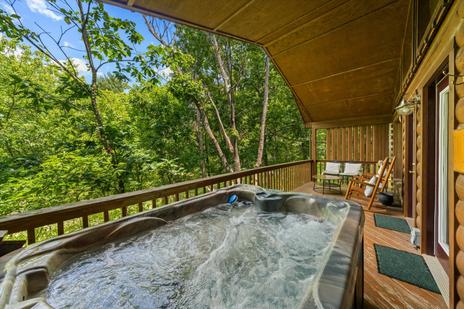
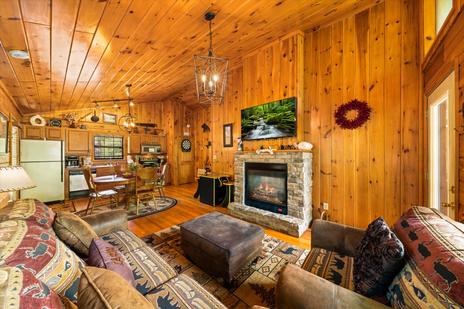
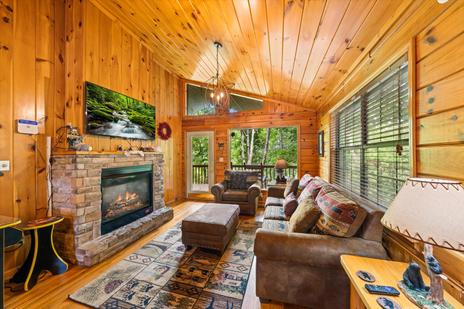
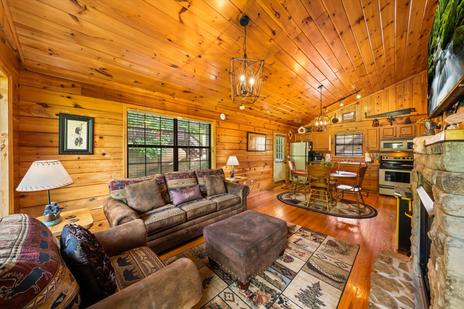
A Gatlinburg cabin rental or Wears Valley cabin keeps you close to the park's major trailheads — short morning drives mean earlier starts before parking fills on peak days.