4 Historical Sites to Visit Near Gatlinburg
Published Sep 18, 2025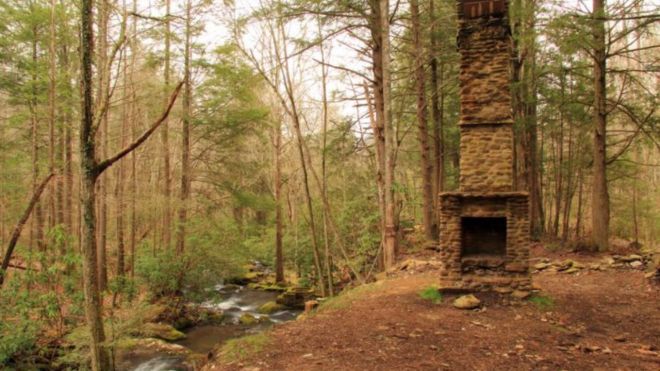
Eastern Tennessee's history runs from Cherokee settlements through Appalachian homesteading, logging boom towns, and the birth of one of the country's most visited national parks. These four sites near Gatlinburg and Pigeon Forge put that history directly in front of you — most within the boundaries of Great Smoky Mountains National Park, free to enter. A $5 daily parking tag is required for stops over 15 minutes at developed park facilities.
1. Elkmont Historic District
Elkmont, Great Smoky Mountains National Park | From Sugarlands Visitor Center, drive toward Cades Cove ~7 miles, turn at the Elkmont Campground sign | Free entry | $5 parking tag required for stops over 15 minutes
Elkmont began as a logging town in 1908, built by the Little River Lumber Company to support timber operations in the Little River Valley. As logging declined, the area transformed into an exclusive Smokies resort — wealthy vacationers from Knoxville and beyond built summer cottages and formed private clubs, including the Appalachian Club and the Wonderland Club. When the national park was established in the 1930s, longtime cabin owners negotiated lifetime leases that extended into the 1990s. When the last leases expired, the buildings were left standing in the park — and Elkmont became one of the most distinctive ghost towns in the American Southeast.
Added to the National Register of Historic Places in 1994, Elkmont's historic district contains roughly 50 structures in various states of preservation. The Appalachian Clubhouse and the Daisy Town cabins have been restored by the National Park Service — an excellent glimpse of what the resort community looked like at its height. The Wonderland Hotel collapsed in 2005; a marker indicates where it stood. Walk the Jakes Creek Trail and Little River Trail to see the standing cottages, restored structures, and the remains of the resort community as nature gradually reclaims the rest. Elkmont is also the best site in the national park for viewing synchronous fireflies during their brief late-May to early-June mating season — one of the rarest wildlife events in North America.
2. Walker Sisters' Place
Little Greenbrier section, Great Smoky Mountains National Park | Access via Little Brier Gap Trail from Little Greenbrier School — approximately 1–1.5 miles each way | Free entry | $5 parking tag at Metcalf Bottoms trailhead
In 1926, when Congress authorized the formation of Great Smoky Mountains National Park, the Walker family had been farming this mountain hollow since the 1840s. John Walker built the original log cabin from tulip poplars felled on the property; his five daughters — Louisa, Margaret, Nancy, Hettie, and Polly — inherited the farm and the lifestyle their father had built. When the government purchased the surrounding land for the national park in the 1930s, the Walker sisters refused to leave. They were granted a lifetime lease and remained in the cabin, maintaining their traditional Appalachian lifestyle — farming, quilting, making soap — into the 1960s, when the last sister died in 1964 and the homestead became part of the park.
A 1947 Saturday Evening Post article brought national attention to the sisters' remarkable story, and they became unofficial ambassadors for the national park, chatting with hikers and selling homemade quilts and preserves from the cabin porch. The homestead has been fully restored and is accessible via the Little Brier Gap Trail — approximately 1–1.5 miles from the Little Greenbrier School trailhead. The cabin, corn crib, and springhouse all remain standing, giving a complete picture of mid-19th century Appalachian mountain homesteading. The trail itself passes through quiet woodland — one of the more peaceful hikes in the Tennessee side of the park.
3. Cades Cove
Cades Cove, Great Smoky Mountains National Park | Western Tennessee section of the park, approximately 25 miles from Gatlinburg | 11-mile one-way loop road | Free entry | $5 parking tag required | Loop closed to vehicles all day Wednesday, May through September (cyclists and pedestrians only)
The Cherokee traveled and hunted through Cades Cove for centuries before European settlers arrived in the early 1800s. The valley's flat, fertile floor and abundant game made it ideal for farming; by the mid-1800s a thriving Appalachian community of several hundred people had established homesteads, churches, and mills throughout the cove. When the national park was created in the 1930s, residents were relocated and the structures preserved — making Cades Cove one of the most complete preserved examples of 19th-century Appalachian community life in the United States.
The 11-mile one-way loop road passes directly by the historic structures: three preserved log churches (Missionary Baptist, Primitive Baptist, and Methodist), multiple log cabins and barns, the Abrams Creek Mill, and the John Oliver Cabin — the oldest standing structure in the cove, dating to the early 1820s. Wildlife is consistently present in the open meadows: white-tailed deer, wild turkey, and black bears are regularly seen. Allow 2–3 hours for the full loop with stops.
Note: The loop road is closed to motor vehicles all day every Wednesday from May through September — those days are reserved for cyclists and pedestrians only. Plan accordingly if visiting on a Wednesday during those months.
4. The Old Mill, Pigeon Forge
Old Mill Square, 175 Old Mill Ave, Pigeon Forge, TN | 5 minutes from Gatlinburg | Free to visit | Mill products and restaurant on site
Built in 1830, the Old Mill in Pigeon Forge has been grinding corn, wheat, and rye on the banks of the Little Pigeon River for nearly 200 years — making it one of the oldest continuously operating mills in Tennessee and one of the oldest structures in the Smokies region. The Civil War provides its most dramatic chapter: mill owner John Trotter was a Union sympathizer in a divided community, and the mill became a key resource for Union soldiers moving through the area. The surrounding countryside saw significant Civil War activity, and the mill's history during that period reflects the genuine complexity of loyalties in East Tennessee — a region that, unlike much of the South, tilted toward the Union.
The Old Mill still operates as a working water-powered grist mill. Stone-ground cornmeal, grits, flour, and other products ground at the mill are available in the Old Mill store. The Old Mill Restaurant and Old Mill Pottery House Cafe serve meals on the property — the restaurant opens Thanksgiving Day and maintains consistent hours throughout the year. Old Mill Square has expanded to include several related shops, but the mill building itself remains the anchor — watch the water wheel turning and the millstones grinding on a working mill that has been in continuous operation since the year Andrew Jackson was president.
Planning Your Visit
All four sites are within 25–30 miles of Colonial Properties' Gatlinburg and Pigeon Forge cabin inventory. A single day covers Elkmont, the Walker Sisters' hike, and the Old Mill. Cades Cove is best as its own half-day trip — the loop road alone takes 2–3 hours with stops, and the wildlife viewing in the early morning and late afternoon is worth building the day around.
Remember the $5 daily parking tag for all Great Smoky Mountains National Park stops over 15 minutes. Purchase at recreation.gov before your visit, at the Sugarlands Visitor Center, or at trailhead kiosks. Browse Colonial Properties cabins near the national park →
Frequently asked questions
Is there an admission fee to visit Elkmont or Cades Cove?
No — Great Smoky Mountains National Park has no vehicle entry fee. A $5 daily parking tag is required for vehicles parked more than 15 minutes at developed facilities. Purchase at recreation.gov, visitor centers, or trailhead kiosks.
How long is the hike to the Walker Sisters' Place?
Approximately 1–1.5 miles each way via the Little Brier Gap Trail from the Little Greenbrier School trailhead — allow 2–3 hours round trip for a comfortable visit including time at the homestead.
When is Cades Cove closed to vehicles?
All day every Wednesday from May through September — reserved for cyclists and pedestrians only. The loop is open to vehicles all other days.
How far are these sites from Gatlinburg cabins?
Elkmont is approximately 15 minutes from downtown Gatlinburg. The Walker Sisters' trailhead is approximately 20 minutes. Cades Cove is approximately 45 minutes from Gatlinburg via the national park road. The Old Mill in Pigeon Forge is 10 minutes from most Gatlinburg cabins via US-441 North.
History, hiking, and a working 19th-century mill — all within 30 minutes of a Gatlinburg cabin. Book direct for the Stay & Play Pass and best available rate.