Do You Need an Umbrella Policy as a Cabin Owner?
Published Oct 8, 2026
Most cabin owners think carefully about insuring the building — the dwelling, the contents, the loss of income if it can't be rented. Far fewer think about what happens if a guest is seriously injured on the property and the resulting claim exceeds their liability coverage. That's the gap an umbrella policy is designed to fill. So do you actually need one as a cabin owner? Here's how to think it through.
What an umbrella policy actually is
An umbrella policy is extra liability coverage that sits on top of your other policies. It doesn't cover your building or your belongings — it covers you against large liability claims. When a covered liability claim exceeds the limits of your underlying policy (such as the liability portion of your short-term rental or landlord policy), the umbrella kicks in to cover the excess, typically in increments of a million dollars or more.
The key word is excess. An umbrella generally only pays out after your underlying liability coverage is exhausted, and it usually requires you to carry a certain minimum amount of underlying liability first. It's not a replacement for your main policy — it's a backstop behind it.
Why cabin owners carry more liability risk than most
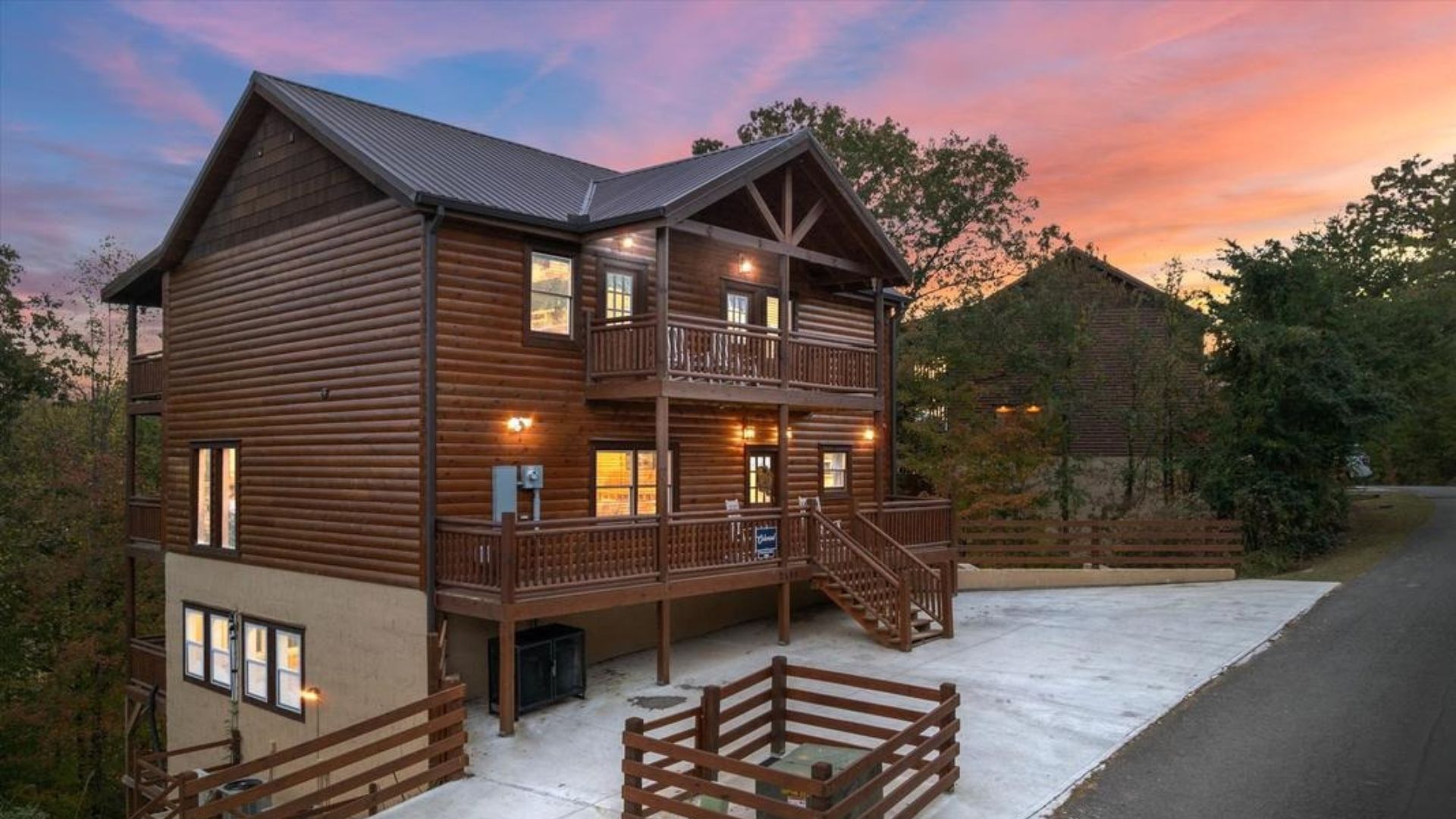
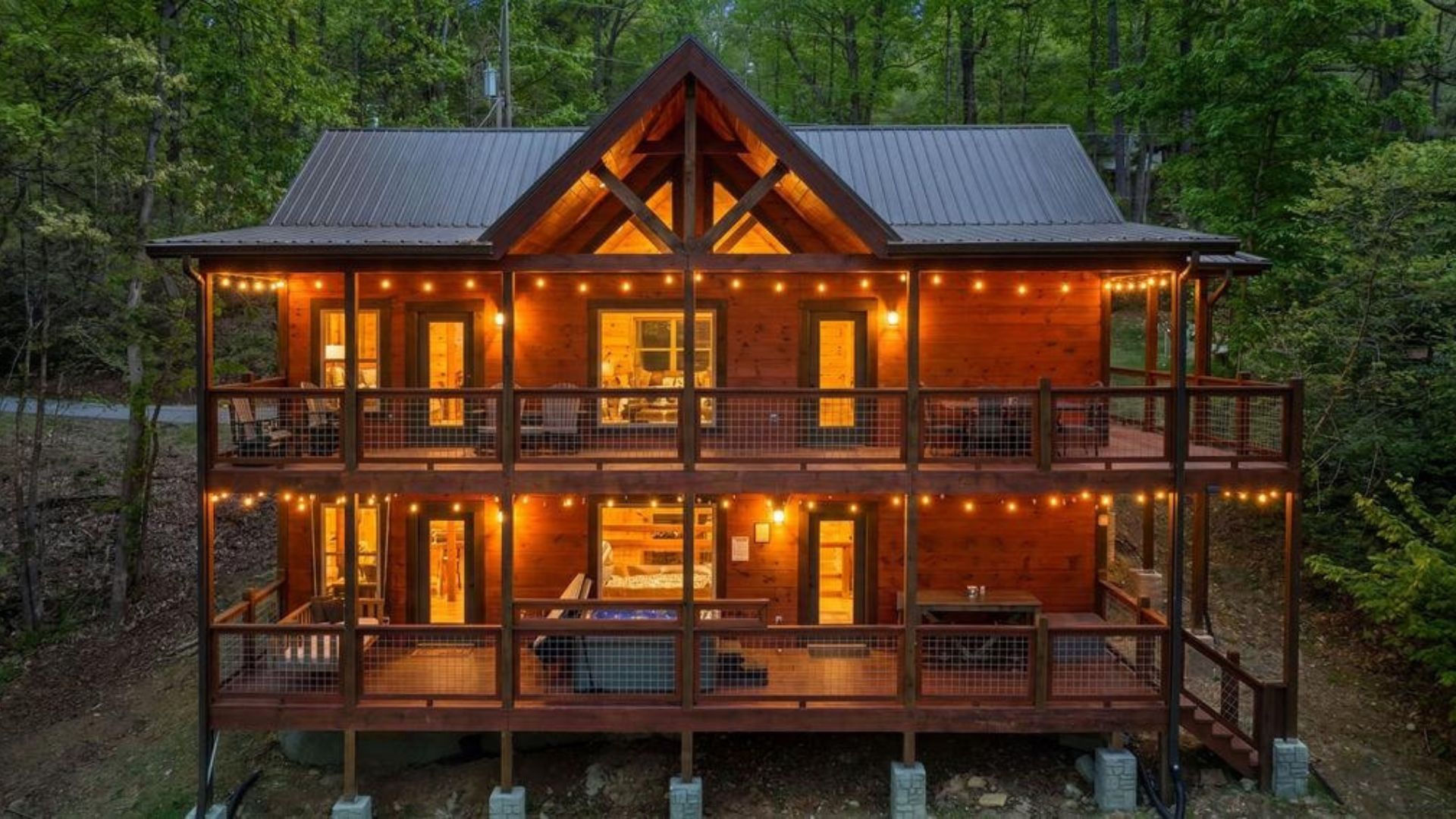
Here's the uncomfortable truth: a short-term rental is a business that invites strangers onto your property, often several different groups a month. That's a meaningfully higher liability exposure than a home you live in — and cabins in particular tend to stack up risk factors:
- Hot tubs and pools — among the most common sources of serious rental-property injury claims.
- Steep terrain, decks, and stairs — mountain cabins often have multiple levels, elevated decks, and sloped driveways where falls can happen.
- Fire features — fire pits, fireplaces, and grills add risk.
- High guest turnover — more guests, more often, means more chances for something to go wrong.
- Groups and events — larger cabins host big gatherings, which raises the odds of an incident.
A single serious injury — someone falls from a deck, a child is hurt near the hot tub — can produce a claim far larger than a standard liability limit. If a judgment exceeds your coverage, the difference can come out of your own assets. That's the scenario an umbrella is built to protect against.
Signs an umbrella policy may be worth considering
There's no universal answer, but owners in these situations most often find an umbrella worth a serious look:
- You have significant personal assets to protect — a larger claim doesn't stop at the cabin; it can reach your other property and savings.
- Your cabin has higher-risk amenities like a hot tub, pool, or multiple elevated decks.
- You own more than one rental property, which multiplies your exposure.
- Your underlying liability limits feel thin relative to what a serious claim could cost — which, in today's environment, they often are.
Umbrella coverage is also often surprisingly affordable relative to the protection it provides, because it only pays out in rare, catastrophic situations. But whether it makes sense — and how much to carry — is exactly the kind of question to put to a licensed agent who knows your full picture.
Umbrella vs. your STR policy — they work together
It's important not to confuse the two. Your short-term rental policy is the foundation: it covers the dwelling, contents, loss of rental income, and a baseline of liability. An umbrella policy doesn't replace any of that — it extends the liability piece higher, so a large claim doesn't blow through your limits and reach your personal assets.
A common pitfall: owners assume a platform's "host protection" or a basic homeowners policy has them covered for business liability. As we've covered before, a standard homeowners policy typically excludes short-term rental activity, and platform protections are not a substitute for real insurance. The umbrella question only makes sense once your underlying STR coverage is solid — so start there, then ask whether you need coverage above it.
How to approach the decision
- Confirm your underlying coverage first. Make sure you actually have proper short-term rental liability coverage — not just a homeowners policy — before layering an umbrella on top.
- Add up what you'd be protecting. Think about your total exposure: the cabin, other properties, savings, future income.
- Ask a licensed agent about limits. They can tell you the minimum underlying liability an umbrella requires and recommend a coverage amount for your situation.
- Price it out. Umbrella premiums are often modest for the protection offered — get a quote before assuming it's expensive.
- Reduce the risk, too. Insurance is the backstop, not the first line — well-maintained decks and railings, clear hot-tub rules, good lighting, and prompt repairs lower the chance of a claim in the first place.
That last point is where good management matters. A professionally managed cabin — with regular maintenance, safety checks, clear guest rules, and fast response when something needs fixing — is a lower-risk property, which protects both your guests and you. Keeping a cabin safe and well-maintained is a core part of what a professional management company does day to day.
The bottom line
Do you need an umbrella policy? For many cabin owners — especially those with hot tubs, significant assets, or multiple properties — it's a relatively inexpensive layer of protection against a rare but potentially devastating liability claim. But "need" depends entirely on your specific exposure and your underlying coverage, which is why this is a conversation to have with a licensed insurance professional rather than a decision to make from a blog post. Get your STR coverage right first, then ask the umbrella question.
Frequently asked questions
What does an umbrella policy cover for a cabin owner?
An umbrella policy provides extra liability coverage above your underlying policies. It doesn't cover the building or contents — it covers large liability claims (such as a serious guest injury) that exceed the limits of your short-term rental or landlord liability coverage, helping protect your personal assets. Specifics vary by policy, so confirm details with a licensed agent.
Do I really need one if I already have short-term rental insurance?
Possibly. Your STR policy includes a baseline of liability coverage, but a serious claim can exceed those limits — and the difference can come out of your own assets. An umbrella extends that liability protection higher. Whether you need it depends on your assets, your cabin's risk factors, and your current limits, which a licensed agent can help you assess.
Is an umbrella policy expensive?
Relative to the protection it offers, umbrella coverage is often quite affordable, because it only pays out in rare, catastrophic situations. The best way to know is to get a quote — ask your agent, who can also tell you the minimum underlying liability coverage an umbrella requires.
Does a hot tub make an umbrella policy more important?
Hot tubs and pools are among the most common sources of serious rental-property injury claims, so they do raise your liability exposure. Owners with these amenities — especially alongside significant assets — are among those who most often find extra liability coverage worth considering. Discuss your specific setup with a licensed insurance professional.
What should I do first?
Make sure your underlying coverage is correct — proper short-term rental insurance, not just a homeowners policy, which typically excludes rental activity. Once that foundation is solid, ask a licensed agent whether an umbrella policy makes sense for your situation and what limit to carry.
Protecting your cabin is about more than the right policy — it's about keeping the property safe and well-run so claims are less likely in the first place. Colonial Properties handles the maintenance, safety checks, and day-to-day management that help protect both your guests and your investment. See what your cabin could earn.