Multiple Living Areas: Why Layout Matters for Larger Groups
Published Oct 8, 2026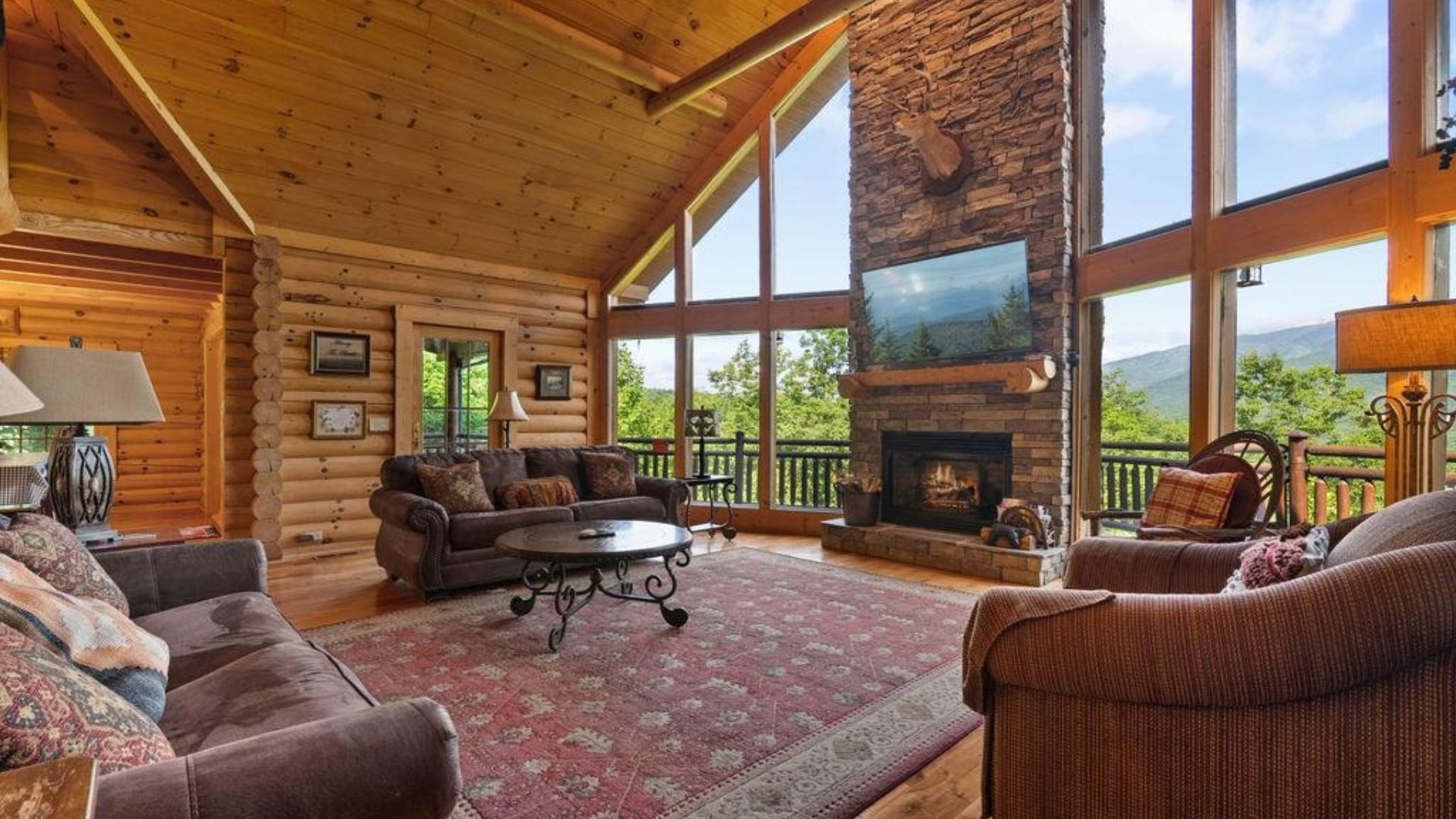
When it comes to larger cabins, owners tend to focus on one number: how many people it sleeps. But bedrooms are only half the story. A cabin that sleeps sixteen but has one small living room and a single table will feel cramped and frustrating to the group staying there — while one with several distinct gathering spaces feels spacious and effortless. For group and reunion cabins, layout isn't a detail. It's one of the biggest differences between a stay guests love and one they merely tolerate.
Why "sleeps X" isn't enough
Big groups don't spend their trip all doing the same thing in the same room. At any given moment, some people want to watch the game, others want a quiet conversation, kids want to play, and someone's cooking. A cabin with only one real gathering space forces all of that into a single room — which quickly feels crowded, loud, and short on the elbow room people came for. The group can sleep there, but they can't comfortably be there together.
Multiple living areas solve this. When a large cabin offers two or three distinct places for people to gather, the group naturally spreads out, and the whole stay feels more relaxed. That comfort is what turns into great reviews, repeat bookings, and the word-of-mouth that keeps a group cabin busy.
What "multiple living areas" actually means
It doesn't require a mansion — it's about giving a group more than one place to land. In practice, well-laid-out larger cabins tend to have some combination of:
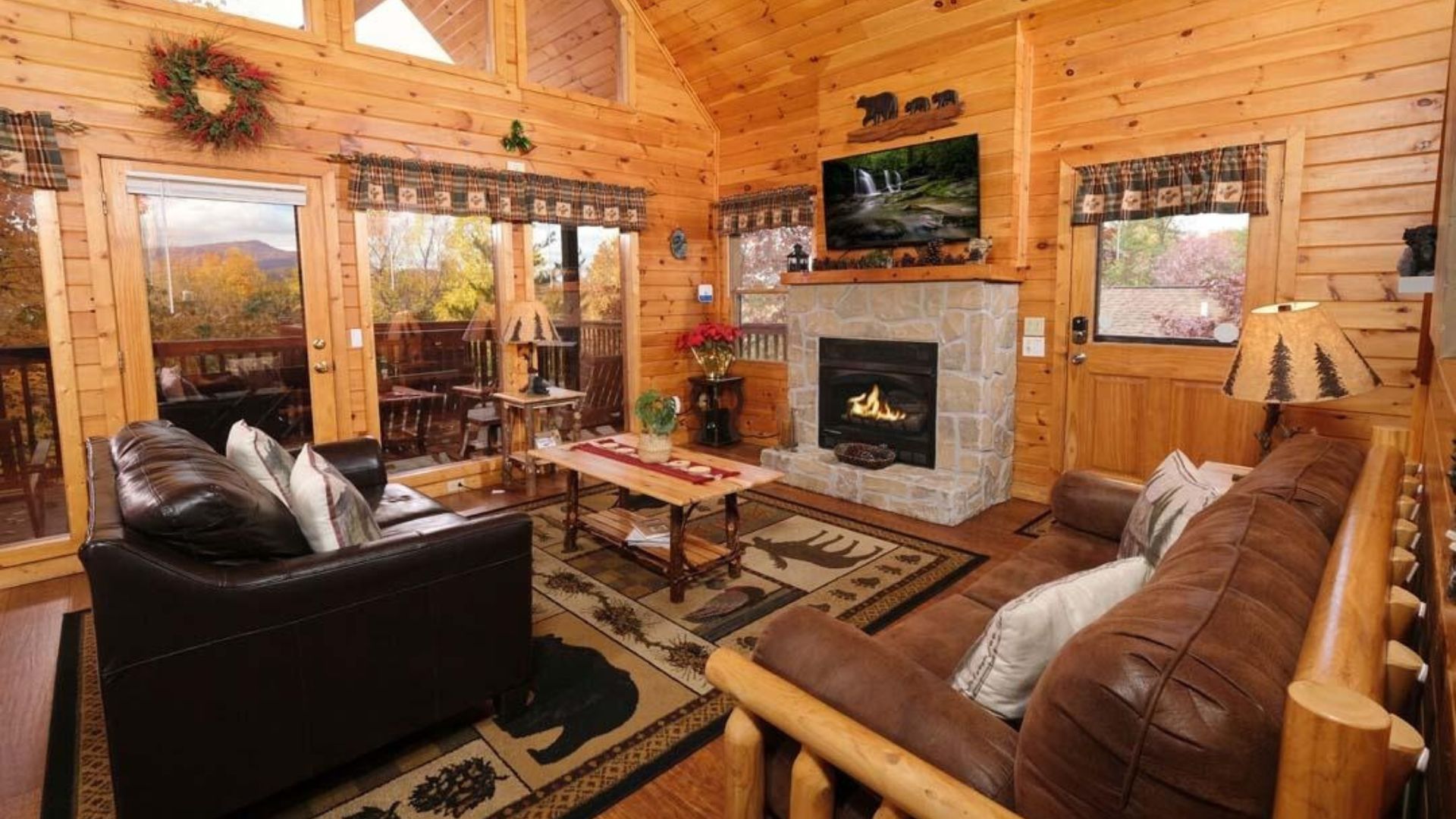
- A main great room — the central gathering space, ideally open to the kitchen so the cook isn't isolated from everyone else.
- A secondary living space — a loft, a lower-level den, or a bonus room where a different part of the group can watch TV, talk, or relax away from the main room.
- A dedicated entertainment area — a game room or theater room that pulls noise and activity into its own space, which the rest of the group appreciates as much as the people using it.
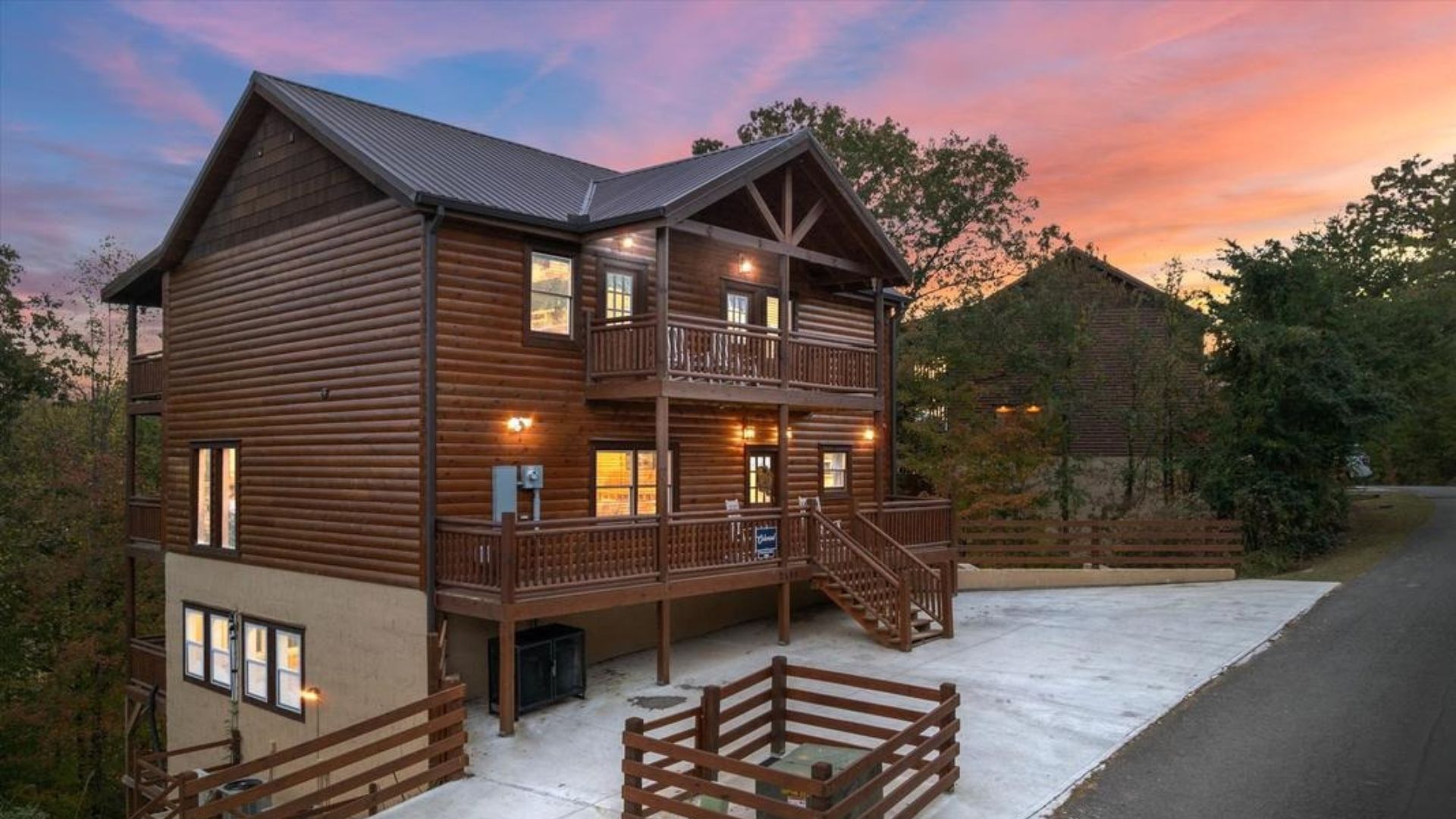
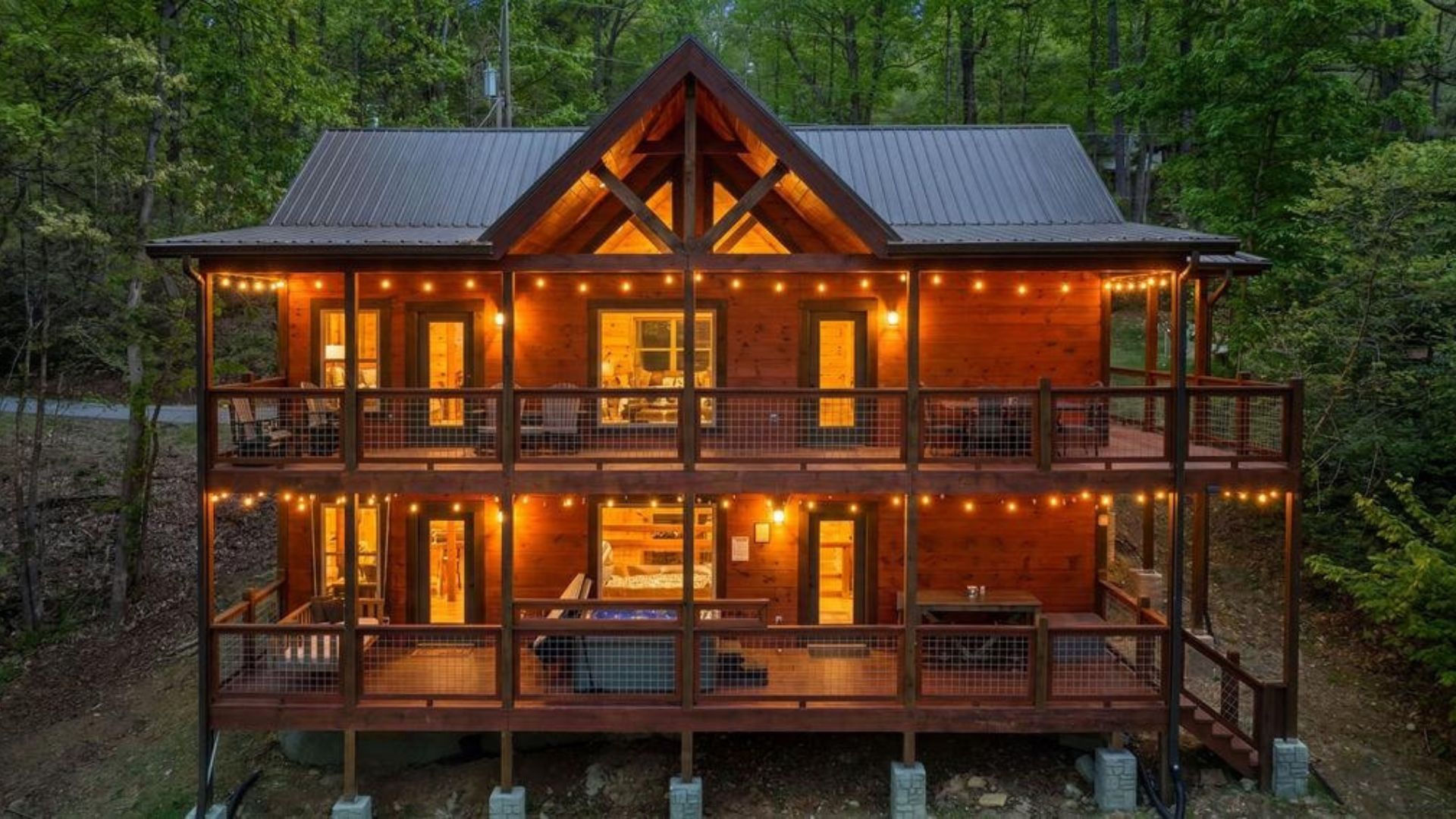
- Generous outdoor living — multiple decks or a large porch effectively add more "rooms" in good weather, and in the Smokies the views make them some of the most-used space in the cabin.
- A table that actually seats everyone — plus bar or counter seating, so the whole group can share a meal without a shift system.
The theme running through all of it: multiple places to gather, on more than one level, so a large group isn't funneled into a single room.
How layout drives bookings and rates
Here's why this matters to your bottom line, not just your guests' comfort. Large group and reunion travelers are a distinct, valuable segment — families reuniting, multi-generational trips, friend groups, special occasions. They book bigger cabins, often for longer stays, and they're specifically looking for space to be together and apart. When they're comparing listings, a cabin that clearly offers multiple living areas stands out immediately against one that just lists a high sleep count.
That differentiation supports both occupancy and rate: a genuinely group-friendly layout is easier to book and easier to price with confidence, because it delivers exactly what that high-value guest is searching for. A big cabin with a thoughtful layout isn't just more comfortable — it's more competitive. (This pairs closely with getting the overall size right; our guide to choosing the right cabin size for demand covers that side of the equation.)
If you already own a larger cabin
You can't move walls easily, but you can often get more out of the layout you have:
- Create a second gathering space. That underused loft or bonus room becomes far more valuable with comfortable seating and a TV — turn storage or dead space into a real second living area.
- Add seating capacity. Make sure the dining table and counter together seat the full group, and that the main living area has enough comfortable seats for everyone, not just some.
- Make the outdoor space count. Good deck furniture, shade, and a grill turn a porch into heavily-used living space — especially with a mountain view.
- Zone the noise. Positioning the game room or theater where it won't disturb bedrooms or the main living area makes the whole cabin work better for a group.
- Show it in your listing. If your cabin already has multiple living areas, make sure your photos and description make that obvious — it's a selling point many listings bury.
Knowing which of these upgrades actually move the needle for group bookings in your specific area is where local experience helps. A management company that handles group and reunion cabins across the Smokies sees firsthand what large-group guests respond to — and can point you toward the layout improvements worth making.
The bottom line
For larger cabins, sleep count gets you found in a search — but layout is what gets you booked and reviewed well. Multiple living areas give a big group room to spread out, which is exactly what they're paying for. Whether you're buying a group cabin or improving one you own, think past the bedroom count and ask the real question: when sixteen people are here at once, do they have enough comfortable places to be?
Frequently asked questions
Why do multiple living areas matter for a rental cabin?
Large groups don't all do the same thing at once — some want to watch TV, others to talk, kids to play, someone to cook. Multiple living areas let the group spread out comfortably rather than crowding into one room, which makes the stay more enjoyable and leads to better reviews and repeat bookings.
Isn't a high sleep count enough for a group cabin?
No. Sleep count gets a cabin found in searches, but it doesn't guarantee comfort. A cabin that sleeps sixteen with only one small living room feels cramped. Group travelers specifically look for space to be together and apart, so layout — not just bedroom count — is what sets a group cabin apart.
What counts as a second living area?
It can be a loft, a lower-level den, a bonus room, a game room or theater room, or generous outdoor living space like multiple decks. The point is simply giving the group more than one comfortable place to gather, ideally on different levels so activity and noise can spread out.
Can I improve the layout of a cabin I already own?
Often, yes — without moving walls. You can turn an underused loft or bonus room into a real second living space, add seating so the whole group fits, make the outdoor space more usable, position noisy spaces away from bedrooms, and highlight your multiple living areas in your listing photos and description.
Does layout really affect what I can charge?
It supports both bookings and rate. Large-group and reunion travelers are a high-value segment searching for exactly this kind of space. A cabin that clearly offers multiple living areas stands out against one that only lists a high sleep count, making it easier to book and to price with confidence.
Have a larger cabin — or thinking about buying one? Making the most of its layout for group travelers is one of the highest-impact things you can do. Colonial Properties manages group and reunion cabins across the Smokies and knows what large-group guests look for. See what your cabin could earn.