How Is My Cabin’s Nightly Rate Actually Determined?
Published Oct 9, 2026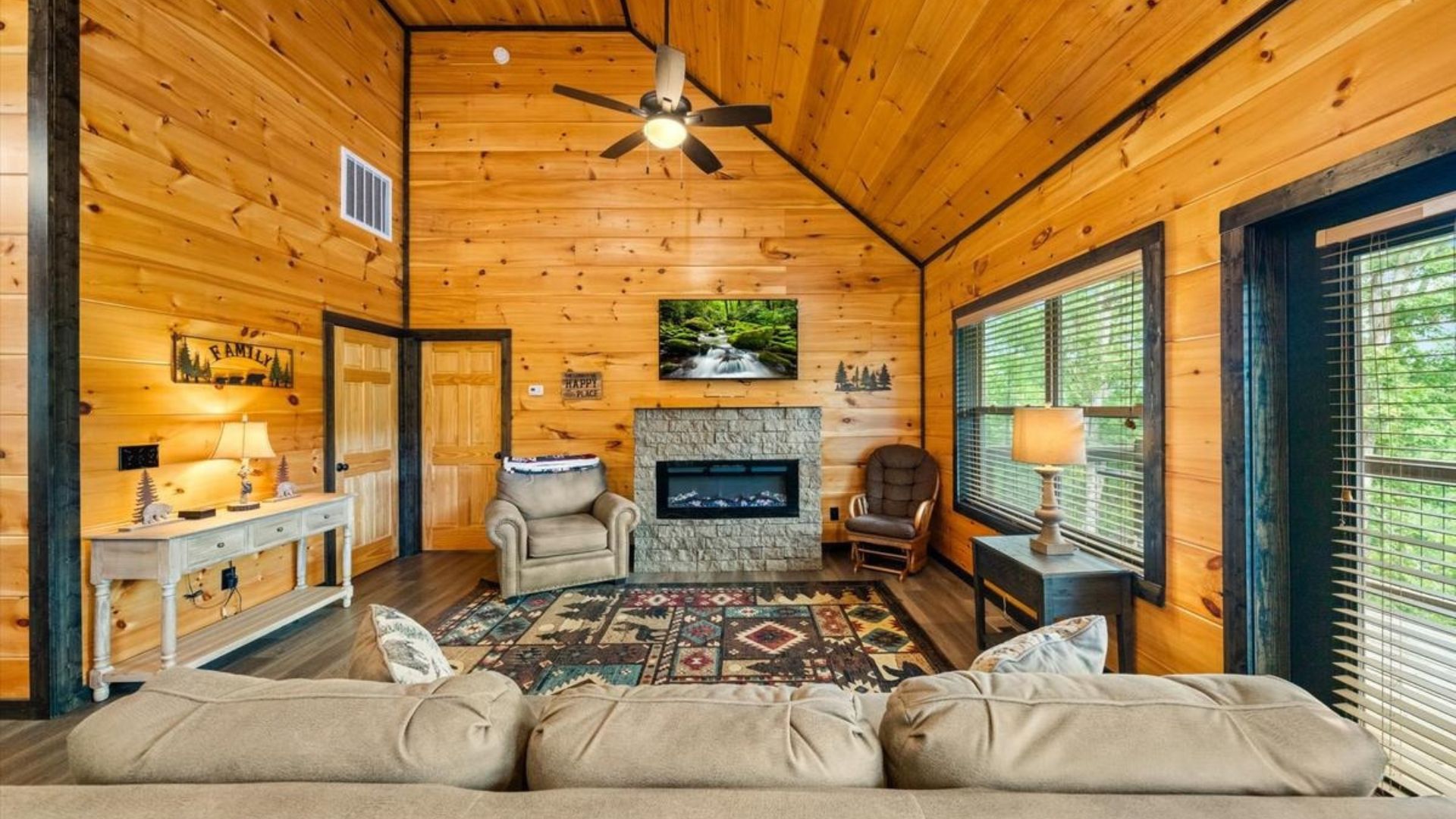
Look at your cabin's calendar and the prices can seem almost random. A Tuesday in February rents for one number, a Saturday over fall break for more than double, and the night that was one rate last week is a different rate today. It's a fair question to ask: how is that nightly number actually determined? The short answer is that it's not one decision — it's a dozen signals being weighed at once, updated constantly. Here's what's really behind the price on any given night.
There is no single "right" price — only the right price for that night
The most important thing to understand is that a nightly rate isn't a fixed sticker price. The same cabin is worth very different amounts on different nights, because demand for the Smokies swings dramatically by season, by day of week, and by what's happening in the area. Pricing the cabin at one flat rate all year would leave money on the table during peak weekends and leave it empty during slow midweek stretches. So the real goal isn't a single number — it's the right number for each night, which is why the calendar looks the way it does.
The signals that shape each night's rate
Several factors feed into any given night's price. None of them acts alone; the rate is where they all land together.
Season
The biggest driver. Fall in the Smokies, summer, and the holidays command far more than the quieter late-winter and early-spring stretches. Your calendar's broad shape follows this seasonal curve.
Day of week
Weekends — especially Fridays and Saturdays — carry higher rates than midweek nights, because that's when most leisure travelers come. A single week can hold several different prices for this reason alone.
How far out the night is (lead time)
Prices move as a date approaches. A night that's still far off is priced to hold out for a strong booking; as it gets closer and stays open, the rate may ease to capture a booking before the night is lost entirely. This is the booking window at work, and it's why the same date can change price over time.
Local demand and events
A big event weekend, a holiday, or a festival pushes rates up because many travelers are chasing the same nights. A random weekend with nothing going on prices lower. This is why two Saturdays a month apart can look very different.
What comparable cabins are doing
Your rate is always set in the context of the competition — cabins of similar size, location, and amenities. If comparable listings are priced high and booking well, that supports a higher rate; if the market is soft, holding too high just means sitting empty.
The cabin itself
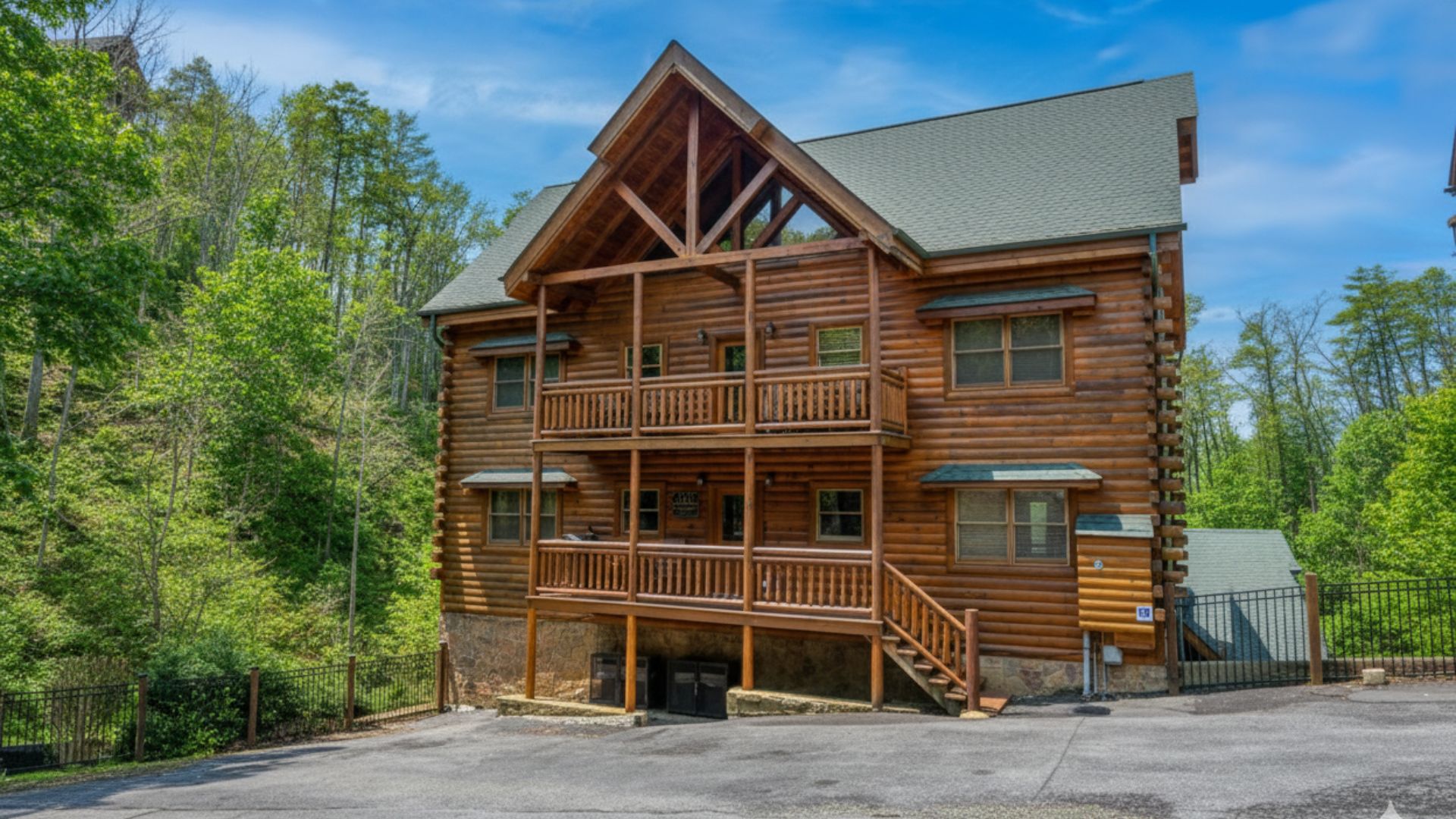
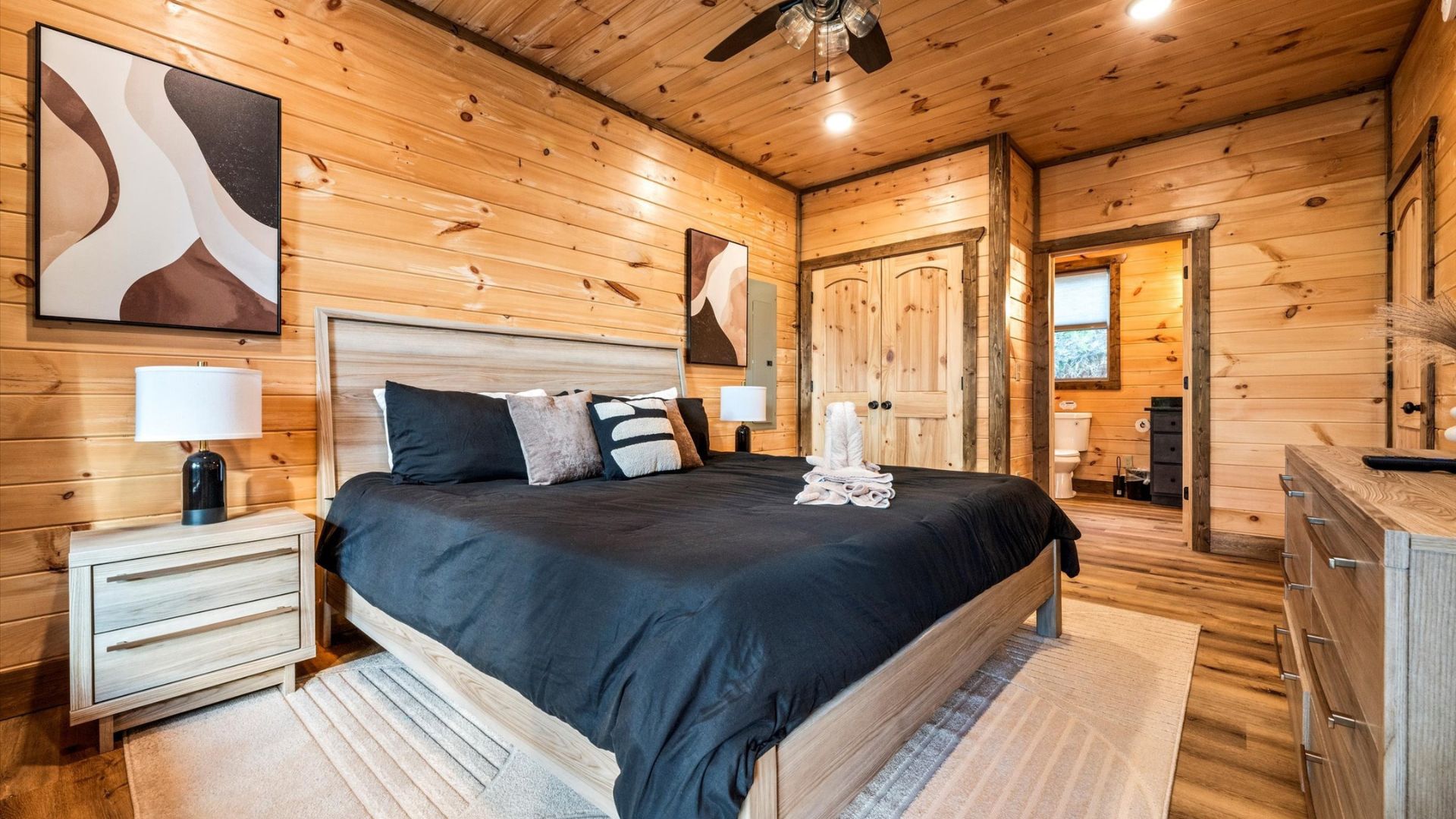
Size, location, views, and standout amenities set the baseline the other factors move around. A cabin that sleeps twelve with a theater room and a mountain view starts from a higher floor than a cozy one-bedroom, every night of the year.
Minimum-stay settings
Minimum-night requirements interact with price, especially around holidays and peak weekends. They protect the value of high-demand dates and shape which bookings a given night can take.
Why the price keeps changing: dynamic pricing
If you've noticed your rates moving on their own, that's dynamic pricing — and it's a feature, not a glitch. Rather than setting a static rate sheet once and leaving it, a dynamic pricing system continuously reads current market conditions — real-time demand, how the comparable set is pricing and booking, how your own calendar is filling, and the approaching date — and adjusts each night's rate accordingly.
The reason this matters is simple: the market doesn't hold still, so a static price is wrong almost all the time. It's too low when demand spikes (you book, but leave money behind) and too high when demand softens (you sit empty). Dynamic pricing keeps each night tracking the market as it actually is, which over a full year captures meaningfully more revenue than any fixed rate sheet could. The trade-off is that your calendar will look like it's always moving — because it is, and that's the point.
Where human judgment still comes in
A pricing engine is powerful, but it isn't the whole story. It doesn't automatically know that a regional event just got announced, that your cabin's new hot tub should move it up a tier, or that a holiday window needs tighter minimum stays. The best results come from a pricing tool guided by people who know the local market — setting the floors and ceilings, watching the demand signals the algorithm can't see yet, and overriding it when local knowledge says to. The number on your calendar is ideally the product of both: data-driven automation, tuned by local expertise.
What this means for you as an owner
When your rate changes or a night looks lower than you expected, it's rarely arbitrary — it's the system responding to real conditions, usually to win a booking you'd otherwise lose. The aim across the whole calendar isn't the highest possible rate on any one night; it's the best total revenue, which comes from balancing rate and occupancy across all 365 nights. A slightly lower midweek rate that books is worth more than a proud rate on an empty cabin.
Getting that balance right — the market reading, the comp analysis, the floors and ceilings, the event-watching, the minimum-stay strategy — is a continuous job, and it's the core of what professional management does on your behalf. If you want the "what should I actually do about my pricing" version of this, our guide to pricing strategy for your rental covers the moves; this one was about understanding where the number comes from in the first place.
The bottom line
Your nightly rate isn't a single decision — it's the sum of season, day of week, lead time, local demand, the competition, your cabin's own features, and minimum-stay settings, continuously recalculated by dynamic pricing and guided by local judgment. The calendar moves because the market moves. When it's working well, every night is priced for the best balance of rate and occupancy — and the total, not any one night, is what lands in your pocket.
Frequently asked questions
Why does my cabin's nightly rate keep changing?
Because the market keeps changing. Dynamic pricing continuously reads current demand, how comparable cabins are pricing and booking, how your calendar is filling, and how close the date is — then adjusts each night's rate to match. A rate that moves is the system tracking real conditions, usually to win a booking you'd otherwise lose, not an error.
Why is one night so much more expensive than another?
Several factors stack up: season (fall, summer, and holidays command the most), day of week (weekends over midweek), local events, and how far out the night is. A Saturday over a holiday weekend with an event in town will price far above a random Tuesday in February — same cabin, very different demand.
Is dynamic pricing better than setting one rate?
For a vacation rental, almost always. A static rate is wrong most of the time — too low when demand spikes and too high when it softens — so it both leaves money behind and causes empty nights. Dynamic pricing keeps each night tracking the market, which captures meaningfully more revenue over a full year than any fixed rate sheet.
Does a lower rate mean my cabin is being undervalued?
Not necessarily. The goal across the calendar is the best total revenue, not the highest rate on any single night. A slightly lower midweek or last-minute rate that actually books is worth more than a high rate on an empty cabin. A lower number is often the system capturing a booking you'd otherwise lose entirely.
Does a computer set my price, or a person?
Ideally both. A dynamic pricing tool handles the continuous, data-driven adjustments no person could make by hand. But local experts guide it — setting floors and ceilings, watching for events and changes the algorithm can't see yet, adjusting for your cabin's specific features, and overriding when local knowledge calls for it. The best rates come from automation tuned by expertise.
Pricing a cabin well is a continuous job — reading the market, tuning the engine, watching the events and comps that move the number. Colonial Properties pairs dynamic pricing technology with local Smoky Mountains expertise to earn you the best total revenue across the whole calendar, not just a proud rate on an empty night. See what your cabin could earn.