How to Evaluate a Cabin's Location for Rental Demand
Published Oct 8, 2026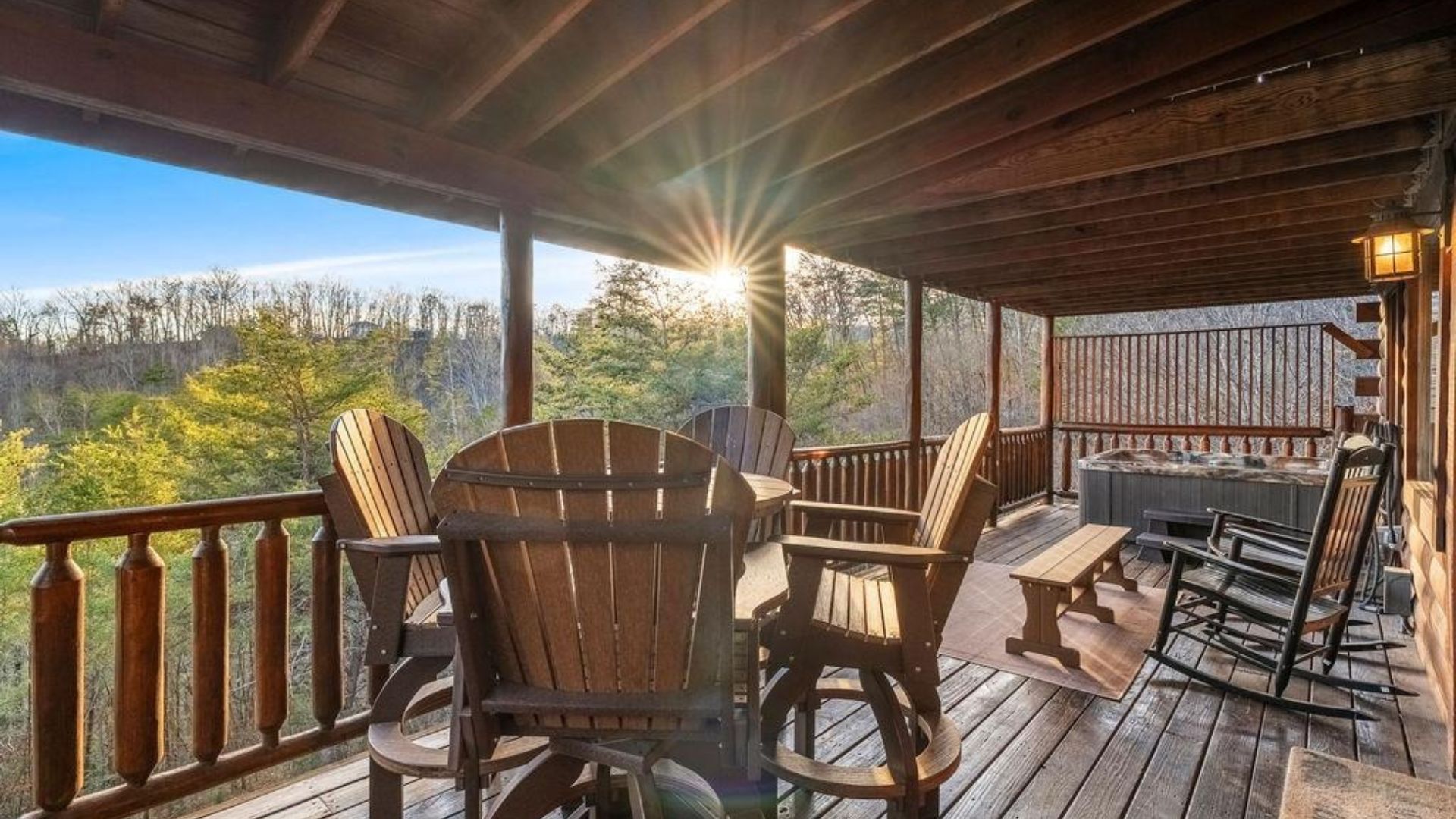
In vacation rentals, the old real-estate line holds truer than almost anywhere: location drives demand. The exact same cabin will earn very differently depending on where it sits — not just which town, but which road, which view, and how close it is to the things guests actually come for. If you're weighing a purchase, here's a practical framework for evaluating a cabin's location for rental demand before you buy.
1. Start with proximity to the draws
Guests book the Smokies for specific reasons — the national park, Dollywood, downtown Gatlinburg, the Pigeon Forge Parkway, Cades Cove. The closer and more convenient a cabin is to those draws, the broader its appeal. Ask:
- How long is the drive to the national park entrance, to Dollywood, to the main attractions?
- Is it an easy, well-maintained route, or a long haul up steep, winding roads?
- Does the location suit the guests most likely to book it — families who want to be near attractions, or couples who want to be tucked away?
There's no single "best" answer here — seclusion sells, and so does convenience — but you need to know which one a given location offers, and whether there's steady demand for it.
2. Weigh the view and setting
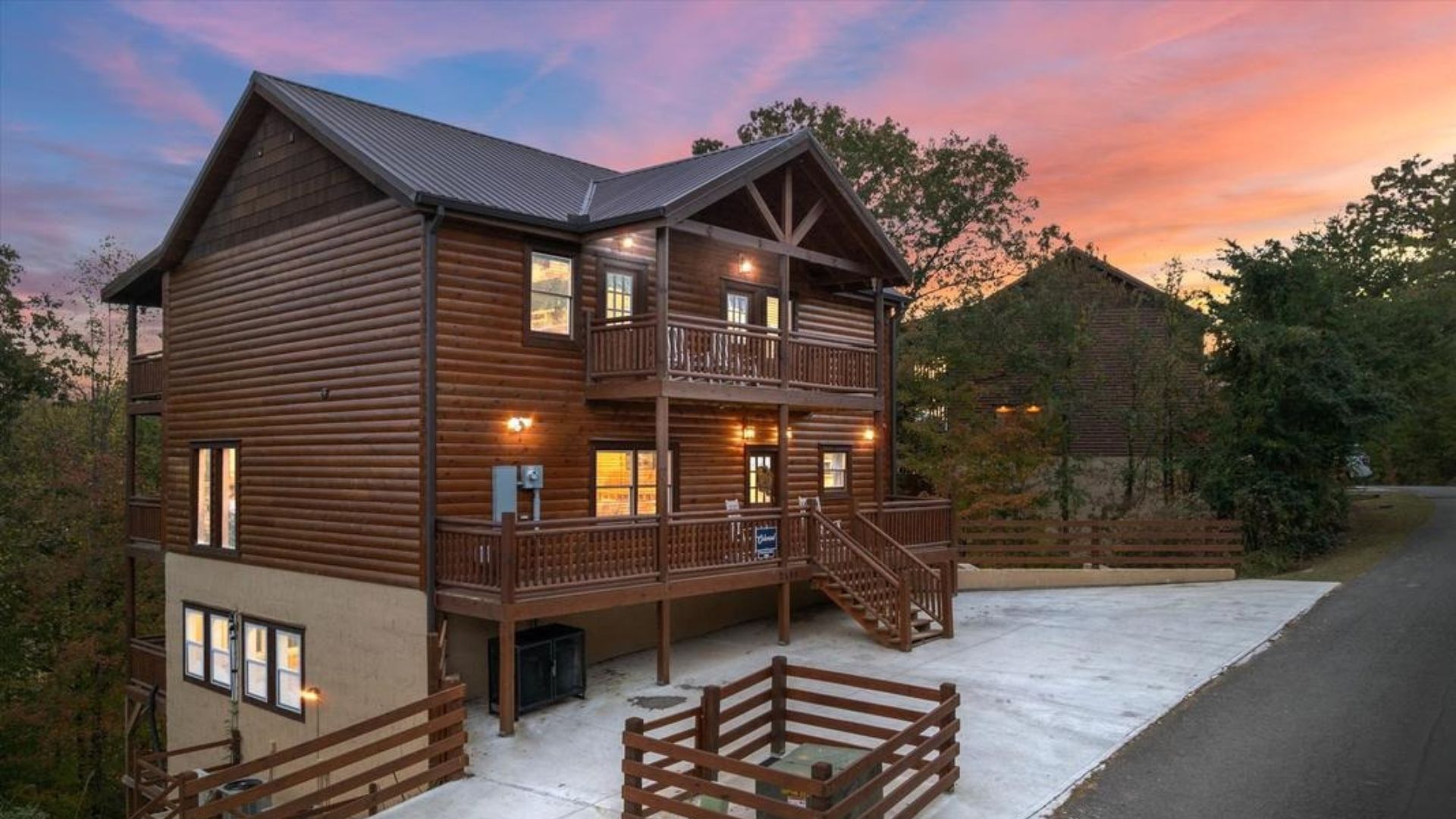
In this market, the view is a real revenue driver. A genuine, unobstructed mountain view commands attention in listings and photographs beautifully — and guests pay for it. Evaluate:
- Is there a true mountain or valley view, or a view of the neighbor's roof?
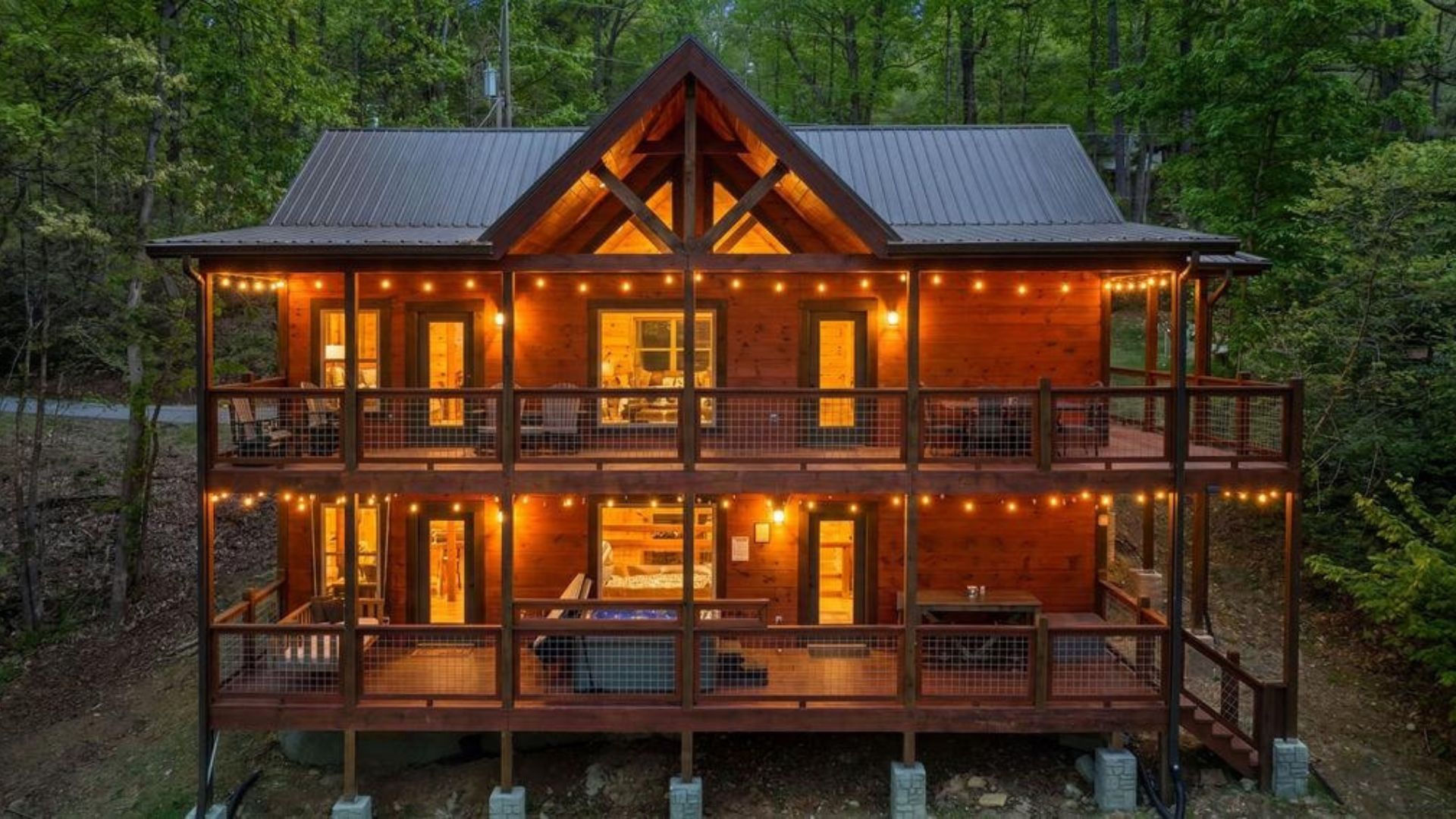
- Is the setting private and wooded, or packed tightly among other cabins?
- Will the view and privacy still be there in five years, or is the area filling in with new construction?
3. Assess access and the drive up
This one is easy to underestimate. A cabin with a spectacular view at the top of a steep, narrow, switchback road may lose bookings from guests who are nervous about the drive — especially in winter. Steep private roads also carry real maintenance and winter-access responsibilities. A location that's scenic and reasonably accessible is worth more than one that's only scenic. Factor in how the road handles weather, whether it's paved and maintained, and how guests will feel about it after a long travel day.
4. Understand the sub-market, not just the town
"Gatlinburg" or "Pigeon Forge" is too broad to tell you much — demand varies street by street. A cabin in a well-known resort community with amenities reads differently to guests than an isolated one, and different areas attract different guests and rates. This is where it pays to get specific: our guides to the best areas to own in Gatlinburg and the best places to buy across the region break down how the sub-markets differ. The right question isn't "is this a good town?" but "is this a good location within the town for the kind of cabin I'm buying?"
5. Match location to property type and size
Location and property type work together. A large group cabin needs a location and road that can handle more guests and vehicles; a cozy couples' retreat benefits from seclusion. A location that's perfect for one can be wrong for the other, so evaluate the two together rather than in isolation — the question is whether this location suits this property. (Our guide to choosing the right cabin size for demand digs into this side of the equation.)
6. Look at real local demand — not national averages
Here's the most important point, and the one owners most often get wrong: online calculators and national "average occupancy" figures tell you almost nothing about a specific location. Demand in the Smokies is intensely local and seasonal. Two cabins a few miles apart can perform very differently based on view, access, amenities, and micro-location.
The only reliable way to judge a location's demand is to look at how comparable cabins in that specific area actually perform — their real occupancy, their seasonal rate patterns, their booking lead times. That kind of hyper-local performance data is hard to get from the outside, which is exactly where a local management company earns its keep: a company managing a portfolio of cabins across these areas can tell you, from real numbers, how a location like the one you're considering tends to perform. Before you buy on a location, it's worth a conversation with someone who has that data.
Putting it together
A strong rental location usually combines several of these: reasonable proximity to the draws, a genuine view or private setting, manageable access, and steady demand from comparable cabins nearby. No location is perfect on every axis — the goal is to understand the trade-offs clearly and make sure there's real, provable demand for what a given spot offers. Location is the one thing about a cabin you can't change after you buy, so it's worth getting right before you do.
Frequently asked questions
What makes a good rental location in the Smokies?
Usually a combination of reasonable proximity to the major draws (the national park, Dollywood, the towns), a genuine mountain view or private wooded setting, manageable road access, and proven demand from comparable cabins nearby. The best location depends on the type of cabin — seclusion suits couples' retreats, while convenience suits family-oriented properties.
Does the view really affect rental income?
Yes — in this market, a genuine, unobstructed mountain or valley view is a real revenue driver. It stands out in listings, photographs well, and guests are willing to pay for it. A private, wooded setting adds value too. Just confirm the view is real and likely to last, not something new construction could block.
How do I find out the real demand for a specific location?
National averages and online calculators won't tell you much, because Smoky Mountain demand is intensely local and seasonal. The reliable approach is to look at how comparable cabins in that specific area actually perform — occupancy, seasonal rates, booking patterns. A local management company that handles cabins in the area can share that real-world data.
Is a secluded cabin or a convenient one better for rentals?
Both can do well — they just attract different guests. Seclusion and views appeal to couples and those wanting a quiet escape; convenience to attractions appeals to families. What matters is knowing which a location offers and confirming there's steady demand for it, rather than assuming one is universally better.
Can I change a cabin's location disadvantage later?
No — location is the one thing you can't change after buying. You can upgrade amenities, improve the interior, and sharpen your marketing, but you can't move the cabin closer to the park or give it a better view. That's why evaluating location carefully before you buy matters so much.
Thinking about buying a cabin and want a clear-eyed read on a location's real demand? Colonial Properties manages cabins across Gatlinburg, Pigeon Forge, Sevierville, Wears Valley, and Douglas Lake — so we can speak to how locations actually perform from real numbers. See what your cabin could earn.