7 Things to Avoid in Great Smoky Mountains National Park
Published Oct 20, 2025
Great Smoky Mountains National Park is the most visited national park in the United States — and most visitors who have a bad experience there made one of the same preventable mistakes. Knowing what to avoid is as useful as knowing where to go. Here are 7 things to avoid in the Smokies, and what to do instead.
1. Don't Feed the Wildlife
Feeding wildlife in the national park is illegal and carries a fine — not because the rule is arbitrary, but because the consequences are serious. A bear that associates humans with food becomes a dangerous bear. A dangerous bear is typically euthanized. "A fed bear is a dead bear" is not a bumper sticker; it's what actually happens.
The same applies to deer, raccoons, and every other species in the park. Keep food stored in your vehicle or in designated bear boxes at campsites. At picnic areas, don't leave food unattended even briefly. Admire wildlife from a minimum of 50 yards (150 yards for bears and elk) — a good camera zoom or binoculars bring them as close as you need for photos without the interaction that endangers the animal.
2. Don't Hike Without Preparation
The Smokies have more than 800 miles of maintained trails ranging from flat paved paths to strenuous ridge hikes above 6,000 feet — and the difficulty labels on park maps are accurate. The most common reasons hikers end up in trouble: starting a trail that's rated beyond their fitness level, not bringing enough water, not checking the weather before heading into high-elevation terrain, and assuming cell service will be available if something goes wrong (it usually isn't).
Before any hike: Check nps.gov/grsm for current trail conditions and closures. Download the All Trails or Gaia GPS map for offline use. Carry water (more than you think you'll need — the park is humid and physically demanding), snacks, and rain gear regardless of the morning forecast. Tell someone where you're going if you're hiking alone or on a longer trail. Cell service is unreliable throughout much of the park interior.
3. Don't Leave Food or Trash in Your Vehicle or at Picnic Areas
Black bears in the Smokies have one of the most acute senses of smell of any animal in North America — they can detect food through car doors. Vehicles with food left inside are broken into. This is not a rare event in the Smokies; it happens at developed parking areas throughout the park, especially at popular trailheads during peak season.
Store food in your vehicle's trunk rather than the back seat where it's visible, or better yet, carry it with you. At campsites, use the designated bear boxes provided at each site. At picnic areas, keep food on the table and in view at all times. Pack out all trash — there are no dumpsters inside the park at most locations. A clean park is a functional wildlife habitat; an uncleaned picnic area teaches bears to associate human activity with an easy meal.
4. Don't Go Off-Trail
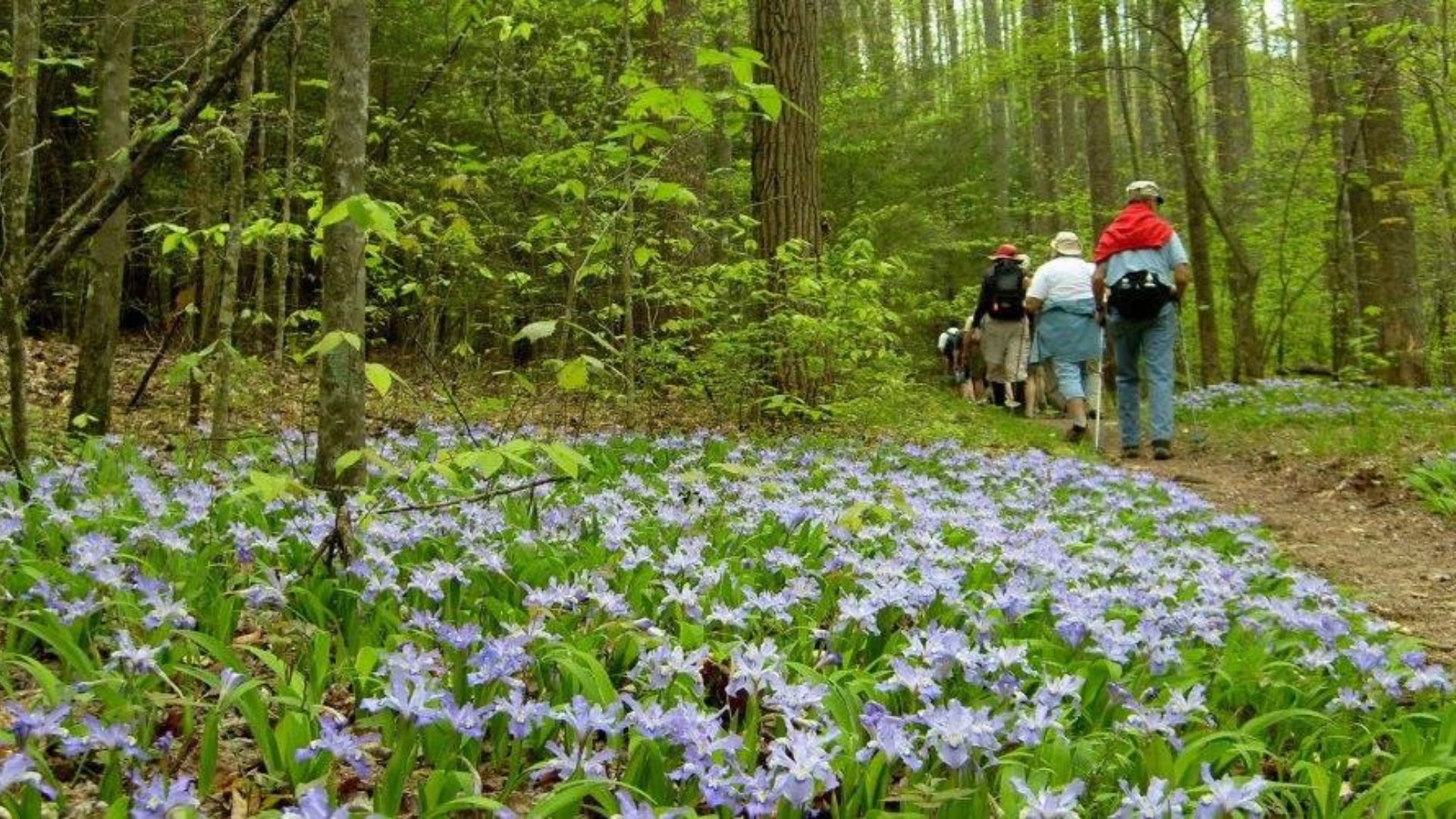
The Smokies' trail system exists for two reasons: visitor navigation and plant protection. The park contains more than 1,500 flowering plant species and some of the most diverse old-growth forest in North America. Foot traffic off designated trails compacts soil, breaks root systems, and damages the moss, wildflower, and understory plant communities that make the Smokies botanically significant. A shortcut that seems harmless contributes to cumulative damage that takes decades to recover.
Staying on trails also substantially reduces the risk of getting lost. The Smokies' dense forest and rolling terrain make disorientation easy in conditions where it's perfectly possible to not be able to see more than 20 feet in any direction. Stick to marked trails, obey posted signs, and if you miss a turn, backtrack rather than bushwhacking toward where you think the trail should be.
5. Don't Underestimate the Weather
Mountain weather in the Smokies changes faster than most visitors from lower elevations are accustomed to. A clear morning in Gatlinburg at 1,289 feet can be a cold, windy rainstorm at Newfound Gap (5,048 feet) by noon. Temperature drops roughly 3–5°F per 1,000 feet of elevation — which means a 60°F morning at the trailhead becomes a 40°F afternoon on the ridge.
Pack layers regardless of the season. Carry a rain layer — afternoon thunderstorms are common in summer, and they develop and arrive fast in mountain terrain. Check the weather for the specific elevation you're heading to, not just the Gatlinburg or Pigeon Forge forecast. Check nps.gov/grsm for any weather-related road closures before heading into the park, particularly for higher-elevation destinations.
6. Avoid Peak Hours at the Most Popular Destinations
The Smokies welcome more than 12 million visitors per year — more than Yellowstone and the Grand Canyon combined. At the most popular destinations, the crowds are real and the parking is genuinely limited. Cades Cove on a Saturday afternoon in October can take 2+ hours to complete the 11-mile loop. The Laurel Falls trailhead parking fills by 8 AM on summer weekends. Kuwohi (formerly Clingmans Dome) on a clear fall day has no guaranteed parking.
The solution is simple and consistently effective: arrive early. Before 9 AM at any popular destination in summer and fall means available parking, significantly lighter trail traffic, and the specific quality of morning light in old-growth forest that afternoon visitors miss entirely. Weekday visits produce similar results — the park empties noticeably on Tuesday and Wednesday mornings compared to any weekend day.
Parking tag reminder: A $5 daily parking tag is required for vehicles parked more than 15 minutes at any developed facility within the park. Purchase at park visitor centers, fee kiosks, or online at recreation.gov before your visit.
7. Don't Climb on Rocks Near Waterfalls or Wade into Swift Streams
Waterfall accidents are one of the most common serious incidents in the Smokies — and they follow a consistent pattern: someone gets close to the water for a better photo, the rocks near waterfalls are always wet and algae-covered, and the fall happens before there's time to react. Waterfall rocks are not grippy. They are consistently and reliably slippery, regardless of how flat or approachable they look from the path.
The park's designated viewing platforms and overlooks exist specifically because they put you in the optimal viewing position without the hazard. Use them. Similarly, the Smokies' mountain streams run cold, clear, and deceptively fast — wading in appears harmless and turns dangerous quickly, particularly at higher flows after rainfall. The park's waterfall and swimming area rules exist because the alternative is a preventable rescue or fatality.
A Note on Dogs in the Park
Dogs are permitted in the national park but only in very specific locations: the Gatlinburg Trail and the Oconaluftee River Trail. Dogs are not permitted on any other hiking trails, in any backcountry areas, or on any other maintained trails in the park — including popular trails like Alum Cave, Laurel Falls, and the Cades Cove loop trails. Dogs are permitted in campgrounds, picnic areas, and on paved roads from your vehicle. Check nps.gov/grsm for current pet regulations before bringing dogs to the park.
Frequently asked questions
Is there a fee to enter Great Smoky Mountains National Park?
No — the park has no vehicle entry fee. However, a $5 daily parking tag is required for vehicles parked more than 15 minutes at any developed facility within the park. Purchase online at recreation.gov, at park visitor centers, or at fee kiosks throughout the park.
Can you bring dogs to the Smoky Mountains National Park?
Dogs are permitted only on two trails — the Gatlinburg Trail and the Oconaluftee River Trail — and in campgrounds, picnic areas, and parking areas. Dogs are not allowed on any other hiking trails inside the national park.
What should I do if I see a bear in the Smokies?
Maintain a minimum distance of 150 yards. Do not approach, do not feed, and do not run. If a bear approaches you, make yourself appear large, make noise, and back away slowly. Report aggressive bear behavior to park rangers. Bears in the Smokies are wild animals accustomed to humans — respectful distance keeps both parties safe.
What is Kuwohi and where is it?
Kuwohi — renamed from Clingmans Dome in 2024 — is the highest point in Great Smoky Mountains National Park and the highest point in Tennessee at 6,643 feet. It's accessible via Kuwohi Road off Newfound Gap Road (US-441), but Kuwohi Road closes December 1 through March 31 each year. The observation tower at the summit requires a half-mile paved (but steep) walk from the parking area.
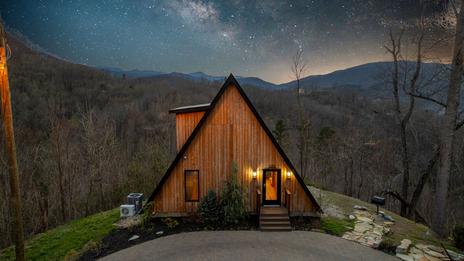
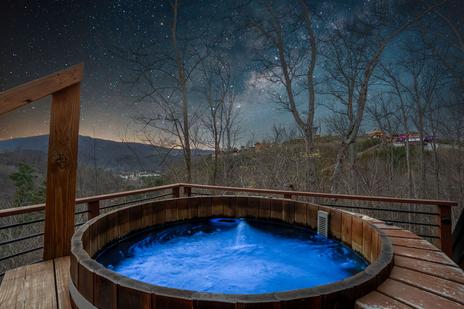
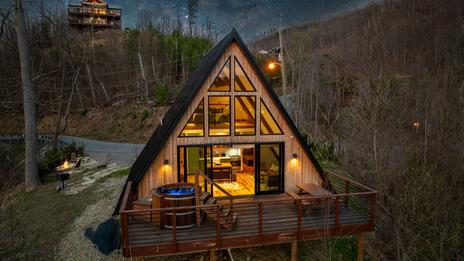
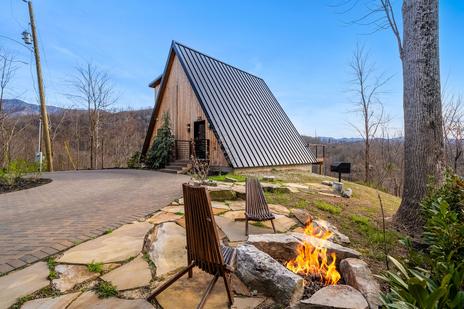
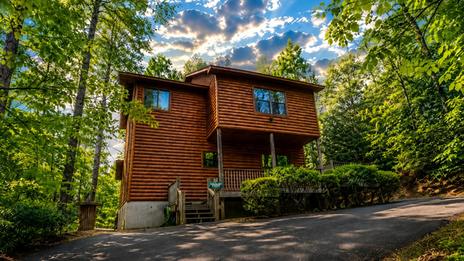
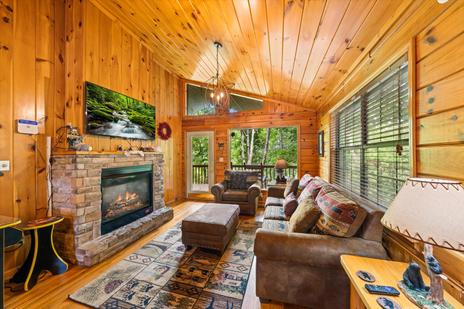
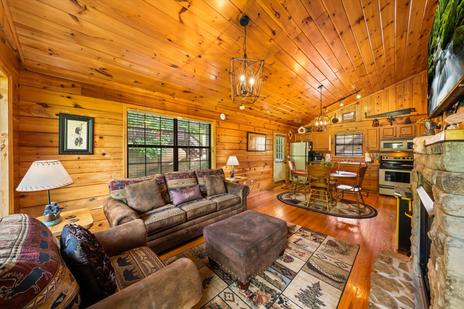
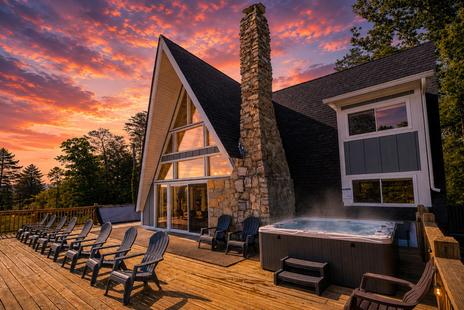
Know the rules, arrive early, and the Smokies reward you with exactly what you came for. A cabin near the national park puts the trailhead 15 minutes from your morning coffee.