Elkmont Synchronous Fireflies: Complete Guide
Published Mar 14, 2026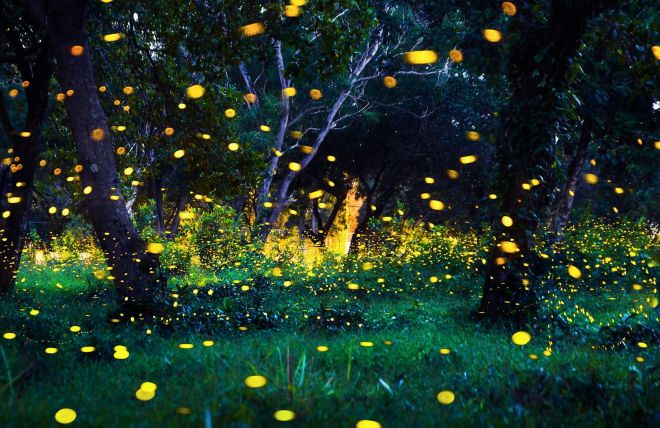
Once a year, for about eight nights in late May or early June, something happens in a dark Tennessee forest that you cannot see anywhere else in the Western Hemisphere. Thousands of fireflies — Photinus carolinus, one of only a handful of synchronous firefly species on Earth — begin to flash in perfect unison. A pulse of light ripples through the forest. Then darkness. Then another pulse. Flash, darkness, flash — a natural light show that has drawn visitors from every state and dozens of countries to a small meadow in Great Smoky Mountains National Park.
This is the Elkmont Synchronous Fireflies event, and it's one of the most sought-after natural experiences in all of America.
What makes these fireflies special
There are more than 2,000 species of fireflies worldwide, but only a small number are synchronous — meaning they flash in coordinated patterns rather than random individual intervals. Photinus carolinus, the species at Elkmont, is one of those rare synchronous species, and the Smoky Mountains host one of the largest and most accessible populations anywhere in the world.
The males flash a distinctive pattern — typically six rapid flashes followed by a pause of several seconds — while the females respond from the ground below. When thousands of males begin flashing simultaneously, the effect is extraordinary: the entire forest floor lights up in waves, like a visual rhythm section in a natural orchestra. The phenomenon peaks for roughly two weeks each year, concentrated in late May to early June, and the National Park Service limits organized access to the eight nights of predicted peak activity — which is why the lottery exists.
How the lottery works
Access during the peak viewing window is managed through an annual lottery on recreation.gov. Here's how it works:
How to apply
Visit recreation.gov during the annual lottery window, pay the small non-refundable application fee (typically around $1), and select two preferred viewing dates. Applications are processed through a randomized computer drawing.
When the lottery opens
Typically late April, for a narrow 3–4 day window. Watch for the NPS announcement at nps.gov/grsm or the park's social media pages — the window is easy to miss. The viewing dates themselves fall in late May or early June and are announced each spring.
Cost
- Application fee: around $1 (non-refundable, lottery entry only)
- Parking pass: approximately $29 if selected
Check recreation.gov for the current year's exact fees and dates.
Odds
Roughly 3–4% per application — approximately 1,120 total vehicle passes are available across the eight-day period. Select two preferred dates on your application to maximize your chances.
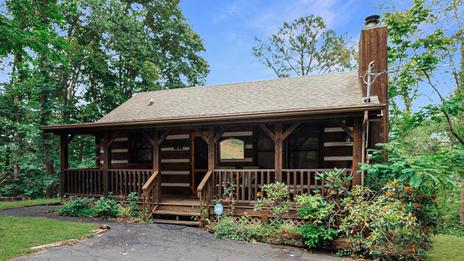
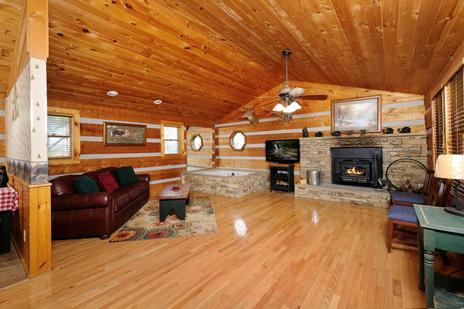
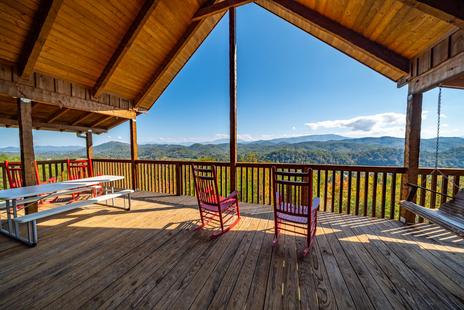
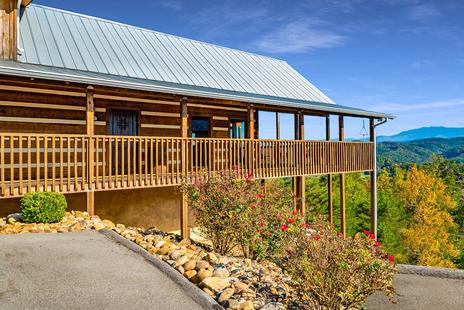
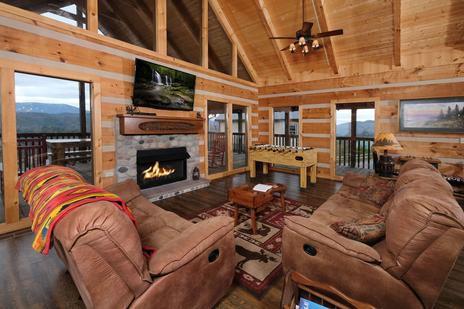
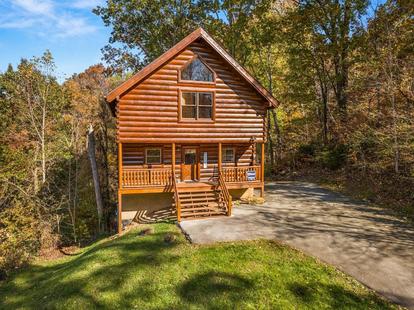
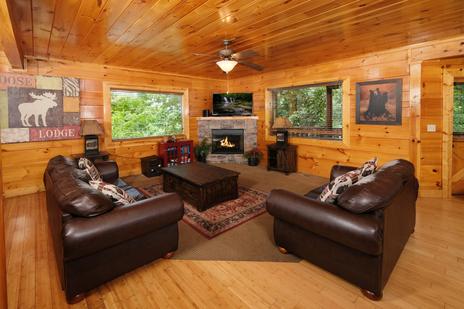
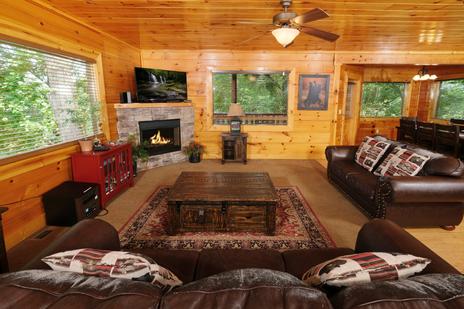
Book your cabin before the lottery opens. Cabin availability around firefly season fills rapidly once the NPS announcement drops. The smart strategy: book your Gatlinburg cabin for late May to early June before the lottery opens, then enter the lottery. Late May in the Smokies is one of the most beautiful times of year regardless of whether you win a firefly pass.
If you win a pass: what to expect
Getting there: Pass holders park at a designated area near the Sugarlands Visitor Center, and shuttles run to the Elkmont viewing area. Rangers direct lottery winners from the parking area to the shuttle and to the viewing site — follow all signage and ranger instructions. Allow 3–4 hours total from the time you park to the time you return to your vehicle.
The viewing experience: The show typically begins around 9:30 PM and continues into the night, following the fireflies' own rhythm — the exact start time varies by night based on temperature and humidity.
The most important rule — no white light. White light from flashlights, phone screens, or any other source disrupts the fireflies' mating signals and ruins the experience for every other visitor. Red lights (red-filtered flashlights or phone apps that convert your screen to red) are permitted. Stay on the trail at all times, and no flash photography.
What to bring
- Red-filtered flashlight or red-screen phone app
- Layers — late May evenings can drop 15–20°F from downtown Gatlinburg to the Elkmont area
- Insect repellent (apply before leaving for the shuttle)
- Comfortable closed-toe walking shoes
- A full dinner beforehand — there's no food service at the viewing area, and the experience runs 3–4 hours
If you don't win a pass: alternatives
View outside the eight-day window. The fireflies are active for roughly two weeks total, while the lottery covers only the eight nights of predicted peak activity. You may spot synchronous flashing in the Elkmont area on nights before or after the designated viewing period.
Stay at Elkmont Campground. Visitors staying in the Elkmont Campground may observe the fireflies directly from the campground on any night during the active period — no shuttle, no lottery required. Campsite reservations fill months ahead for late May and early June; book at recreation.gov well in advance.
Other park locations. The Porters Creek Trail, the Roaring Fork area, and other low-elevation forest corridors have produced synchronous firefly sightings for visitors who time their evening walks correctly during the peak window.
Anakeesta's Firefly Experience. For visitors who can't secure a lottery pass, Anakeesta's Firefly Experience transforms its Treetop Skywalk into an immersive glowing forest inspired by the synchronous fireflies — twinkling lights that pulse and move through the trees after dark. Not the real thing, but a beautifully designed tribute that captures the spirit of the experience.
Elkmont: beyond the fireflies
Elkmont is one of the most historically significant areas in all of Great Smoky Mountains National Park. The site was once a thriving summer resort community — the Elkmont resort cabins, some dating to the early 1900s, still stand as a ghost town within the park boundaries. The Appalachian Club and Wonderland Club summer communities are visible along the Jakes Creek and Little River Trails near the campground. The Elkmont Campground itself is one of the most popular in the park — one of the only NPS campgrounds directly alongside the Little River, with a stunning streamside setting and easy access to both the fireflies and the park's broader trail network.
Planning your firefly trip
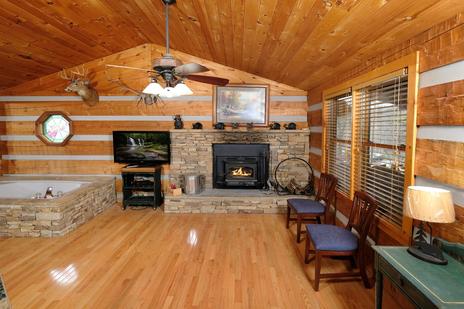
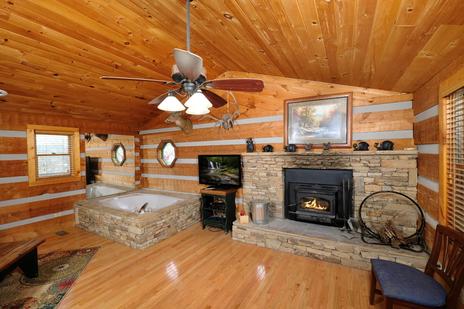
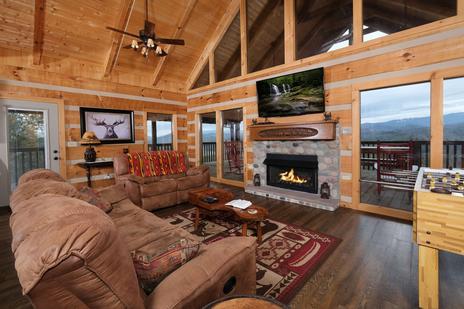
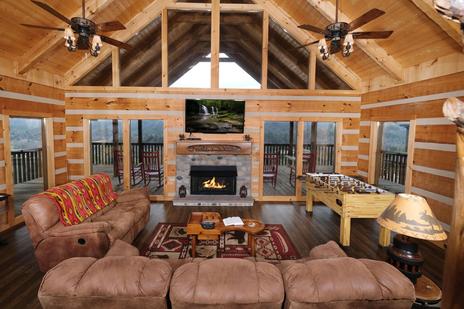
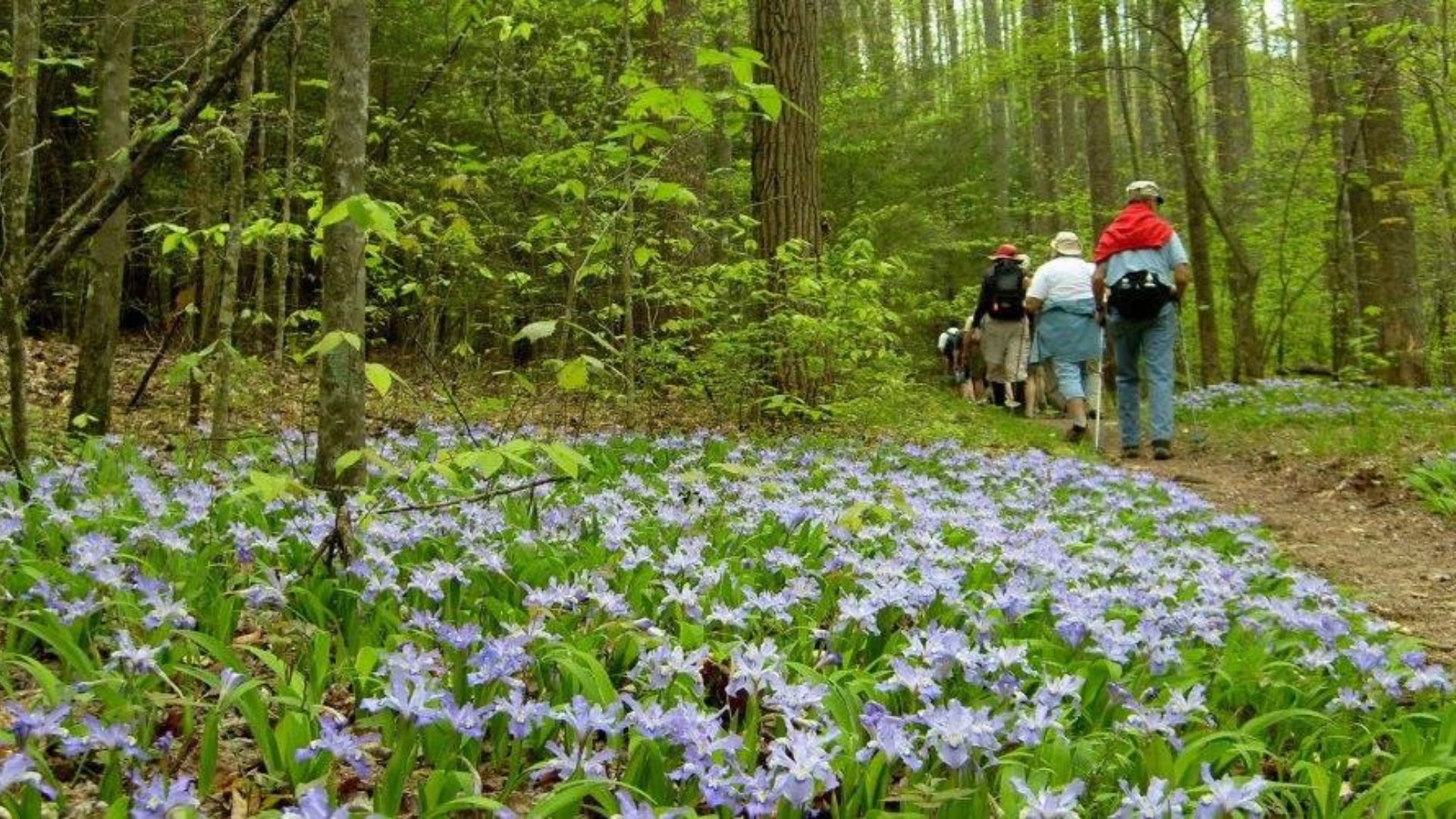
A Gatlinburg cabin puts you 20–30 minutes from the Sugarlands Visitor Center shuttle pickup — the ideal proximity for a firefly viewing trip. Book your stay first, enter the lottery second, and if the lottery doesn't go your way, you still have a gorgeous late-May Smoky Mountain cabin vacation in one of the park's most beautiful seasons. Late May is extraordinary in the Smokies regardless of the fireflies: wildflowers are still blooming at higher elevations, the park is lush and green, temperatures are pleasant for hiking, and summer crowds haven't yet peaked.
Frequently asked questions
When do the Elkmont synchronous fireflies appear?
Late May to early June, with peak activity typically in the last week of May. The NPS-organized lottery event covers eight nights of predicted peak viewing; exact dates are announced each spring.
How do I get tickets to see the Elkmont fireflies?
Through a lottery on recreation.gov. The lottery typically opens in late April for a narrow 3–4 day window. A small application fee (around $1) is required; winning applicants pay an additional parking-pass fee (approximately $29). Check recreation.gov for current fees and dates.
What are my chances of winning the Elkmont firefly lottery?
Roughly 3–4% per application — approximately 1,120 total vehicle passes are available for the eight-day period. Select two preferred dates on your application to maximize your chances.
Can I see the fireflies without a lottery pass?
Possibly — the fireflies are active for about two weeks, and the lottery covers only the eight peak nights. Staying at the Elkmont Campground (booked separately at recreation.gov) allows viewing without a shuttle pass, and other low-elevation forest areas in the park may also show synchronous flashing outside the lottery window.
What time does the firefly show start?
The display typically begins around 9:30 PM and continues into the night, following the fireflies' own schedule. Exact timing varies by night based on temperature and environmental conditions.
Why can't I use a white flashlight?
White light disrupts the fireflies' mating signals — the males use their synchronized flashes to attract females, and any competing light source interferes. Red-filtered lights are permitted and don't affect the fireflies' behavior.
Plan your firefly trip from a cabin close to the park. Browse Colonial Properties' Gatlinburg and near-the-park cabin rentals — book for late May to early June before the lottery opens, and you'll have a beautiful Smoky Mountain base whether or not you win a pass.