A Guide to the Spring Wildflower Pilgrimage in Gatlinburg
Published Sep 16, 2026
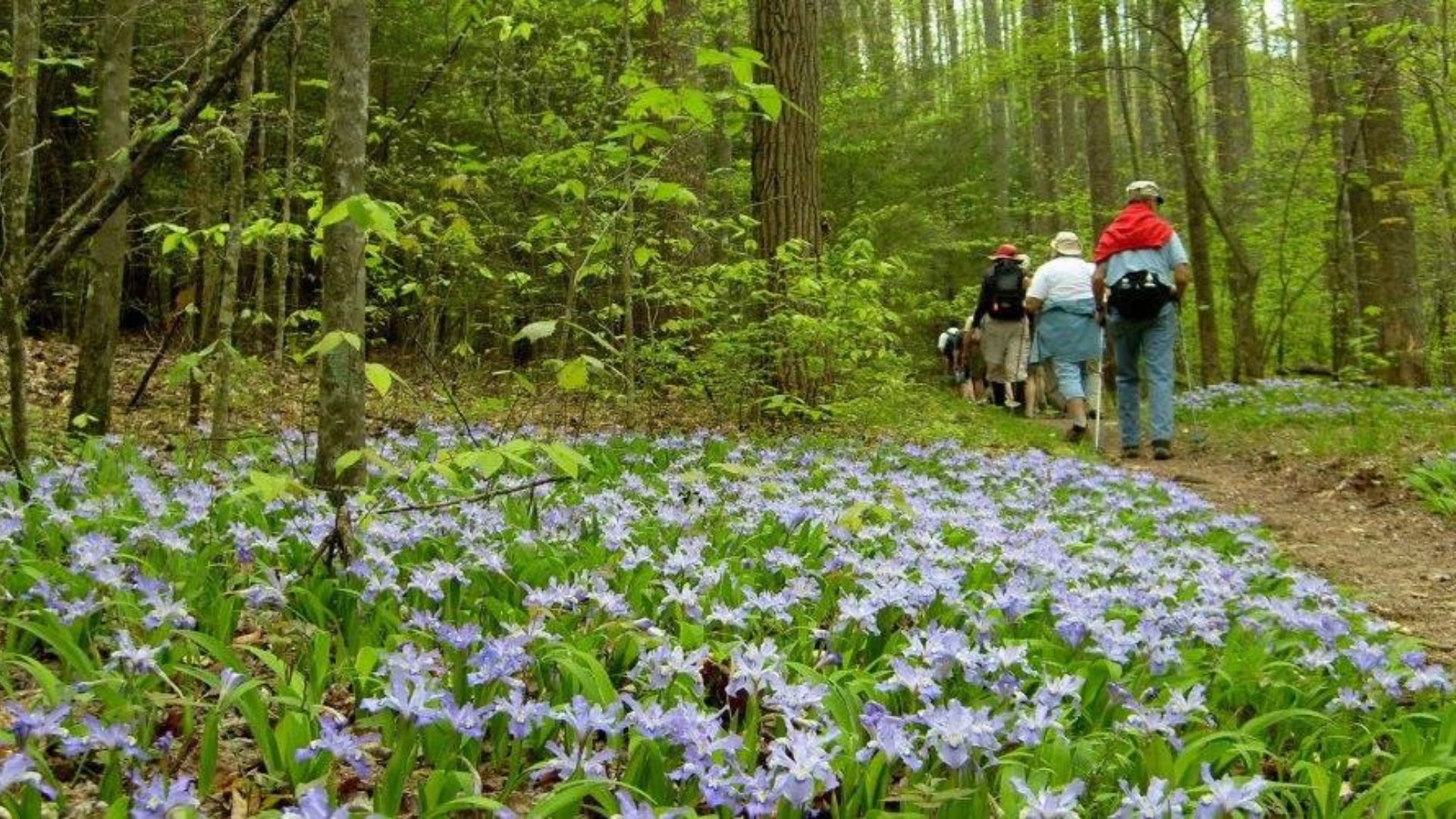
Every spring, before the forest canopy fills in and shades the ground below, the floor of Great Smoky Mountains National Park erupts in color — trilliums, trout lilies, bloodroot, fire pink, and hundreds of other wildflowers racing to bloom in a short, brilliant window. And for more than seven decades, a gathering of nature lovers has come to Gatlinburg to experience it alongside some of the most knowledgeable botanists, naturalists, and park experts in the country. The Spring Wildflower Pilgrimage is one of the Smokies' most beloved annual traditions — and one of its best-kept secrets. Here's your complete guide.
- What: a four-day guided nature event in Great Smoky Mountains National Park, running since 1951
- When: typically late April (exact dates vary each year with the bloom)
- Where: hikes throughout the national park; headquarters at the Mills Conference Center in Gatlinburg
- Programs: 200+ guided walks, seminars, motorcades, photo tours, and art classes
- Registration: opens around March 1 at wildflowerpilgrimage.org — one fee covers everything, and it sells out fast
- Held: rain or shine
What the Spring Wildflower Pilgrimage is
The Spring Wildflower Pilgrimage is a four-day educational event centered on the extraordinary spring bloom in Great Smoky Mountains National Park — a park with more than 1,500 species of flowering plants, one of the most botanically diverse places in North America. It began in 1951, when Gatlinburg's city manager brought together the national park, the University of Tennessee's botany department, and the Gatlinburg Garden Club to create a festival celebrating the park's wildflowers. More than seventy years later, it's a cherished tradition that draws participants from dozens of states and around the world.
Crucially, this is not a festival in the usual sense — there are no stages, vendors, carnival rides, or crowds. It's a nonprofit, education-first gathering: professionally guided hikes and programs led by experts, out in the park, learning the landscape up close. That's exactly what makes it special, and what makes it sell out.
What to expect: 200+ programs in four days
The heart of the Pilgrimage is its enormous slate of guided programs — over 200 across the four days — led by botanists, biologists, park rangers, historians, and naturalists. One registration fee covers access to all of it, and there's genuinely something for every interest and ability level:
Guided wildflower and nature walks
The signature offering. Expert-led hikes focused not just on wildflowers but on the full web of park life — birds, salamanders (the park is the "Salamander Capital of the World"), fungi, ferns, medicinal plants, trees, insects, and mammals from bats to bears. Walks range from easy, leisurely strolls under a mile to genuinely strenuous full-day hikes, so you choose your pace. Having a leading expert point out and explain what you're seeing transforms an ordinary hike into a masterclass.
Motorcades and photo tours
Guided driving tours (motorcades) reach further-flung parts of the park with expert narration, and dedicated photography tours and classes help you capture the bloom — there's even an annual photo contest (Flora, Fauna, and Landscape categories) open to amateur photographers.
Indoor seminars, art classes, and evening programs
Beyond the trails, the Mills Conference Center and other Gatlinburg venues host daytime seminars and presentations, hands-on art and journaling classes (from botanical illustration to papermaking), and special evening programs featuring notable guest speakers — scientists and authors sharing their work on the natural world. These are perfect for rainy afternoons or a break from hiking.
When to go — and why timing is everything
The Pilgrimage is scheduled for late April, timed to the peak of the lower- and mid-elevation spring wildflower bloom — but the exact dates shift year to year with the season, since the bloom itself is weather-dependent. Spring in the Smokies is a rolling event: the earliest ephemeral wildflowers appear at lower elevations in March, with the display building and moving up the mountain through May. Late April is the sweet spot the Pilgrimage targets, when the greatest variety is typically in bloom across accessible elevations.
The spring "ephemeral" wildflowers that make the park famous — trilliums, trout lilies, bloodroot, spring beauties, and dozens more — have a genuinely short window: they bloom and fade before the tree canopy leafs out and shades the forest floor. Miss it by a couple of weeks and it's gone until next year. The Pilgrimage exists precisely because this window is so brief and so worth catching.
Check the current year's dates first. Because the schedule moves with the bloom, always confirm the current year's exact dates and program list at wildflowerpilgrimage.org before planning your trip. This is one event where you build the trip around the dates, not the other way around.
How to register (and why to do it early)
Participation is by registration only, and here's the single most important planning fact: the Pilgrimage sells out fast — often within days of registration opening. Registration typically opens around March 1 (sometimes earlier) at wildflowerpilgrimage.org, with a participant cap that fills quickly and a waitlist beyond it. One registration fee covers all four days of programs — an exceptional value for the depth of expert-led access you get.
- Watch the website and join the mailing list ahead of the registration opening so you don't miss the window.
- Be ready the moment registration opens — popular hikes and the event as a whole can fill in the first weekend.
- Book your cabin before you register, or at least be ready to — late April is a competitive lodging window, and Pilgrimage participants book early (more on that below).
- Registration and information are available online and, in person, at the Mills Conference Center in Gatlinburg.
Tips for making the most of it
- Match hikes to your fitness honestly. Programs are rated by difficulty from easy walks to strenuous hikes — pick accordingly, and mix in indoor seminars for a balanced, non-exhausting schedule.
- Dress in layers and prepare for weather. The event runs rain or shine, and April in the Smokies swings from warm afternoons to cool, wet mornings — waterproof footwear and a rain jacket are essential.
- Bring binoculars and a camera. Many programs cover birds and wildlife alongside wildflowers, and the photo opportunities are extraordinary.
- Arrive at the Mills Conference Center early to pick up your packet and catch van departures for the guided programs.
- Explore on your own, too. Even outside the scheduled programs, late April is a spectacular time to hike the park's wildflower trails — Porters Creek, Ramsey Cascades, and Chestnut Top are among the celebrated spring wildflower routes. See our guide to the best hikes in the Smokies.
A perfect time to be in the Smokies
Even beyond the Pilgrimage itself, late April is one of the best-value and most beautiful times to visit the Smokies. It sits in a shoulder-season window with better cabin availability and rates than summer or fall, comfortable hiking temperatures, newborn wildlife appearing in the park, and — for many repeat visitors — the single best conditions of the year to be in the mountains. It's the quiet, green, blooming Smokies before the summer crowds arrive.
The Pilgrimage pairs naturally with everything else spring offers — see our guides to spring activities in Gatlinburg and things to do in Gatlinburg in April, and to the park's broader appeal in our look at the Smokies as a nature destination.
Frequently asked questions
When is the Spring Wildflower Pilgrimage?
It's held annually in late April as a four-day event, but the exact dates shift each year with the wildflower bloom. Always confirm the current year's dates at wildflowerpilgrimage.org, since the schedule is timed to peak bloom rather than a fixed calendar date.
How do I register for the Wildflower Pilgrimage, and does it sell out?
Registration opens around March 1 (sometimes earlier) at wildflowerpilgrimage.org, and yes — it sells out fast, often within days. One fee covers all four days of programs. Watch the website, join the mailing list, and be ready the moment registration opens. Registration is also available in person at the Mills Conference Center in Gatlinburg.
What happens at the Spring Wildflower Pilgrimage?
More than 200 guided programs over four days — expert-led wildflower and nature walks (covering birds, salamanders, fungi, ferns, trees, and more), motorcades, photography tours, art and journaling classes, indoor seminars, and evening presentations by notable speakers. Programs range from easy walks to strenuous hikes, with something for every interest and ability.
Do I need to be an expert or serious hiker to attend?
Not at all. Programs span all difficulty levels, from leisurely sub-one-mile walks and indoor seminars to strenuous hikes, so beginners and casual nature lovers are just as welcome as experienced hikers and botanists. It's designed to be accessible to everyone who loves the outdoors.
Is late April a good time to visit the Smokies generally?
Excellent — it's peak wildflower season, with comfortable temperatures, newborn wildlife, and better cabin rates and availability than the summer and fall peaks. Many repeat visitors consider spring the single best time of year to be in the park, Pilgrimage or not.
What should I bring to the Wildflower Pilgrimage?
Waterproof hiking footwear, layers, and a rain jacket (the event runs rain or shine), plus binoculars and a camera. Bring water and snacks for longer hikes, and pick up your program packet at the Mills Conference Center headquarters when you arrive.
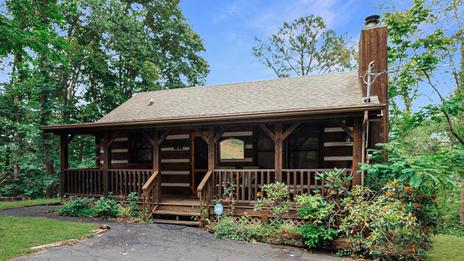
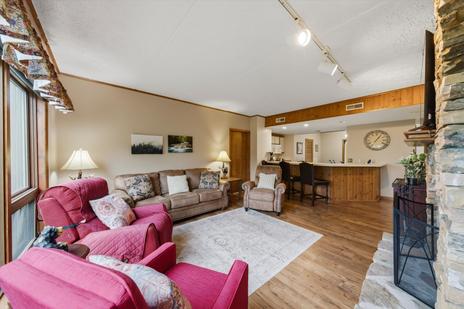
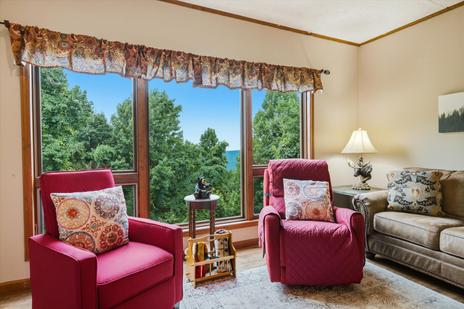
The Wildflower Pilgrimage sells out fast, and late-April cabins book early — reserve your Gatlinburg cabin ahead of time and enjoy the park's most beautiful season from a comfortable mountain home base.