Remembering the 2016 Gatlinburg Fire
Published Aug 16, 2025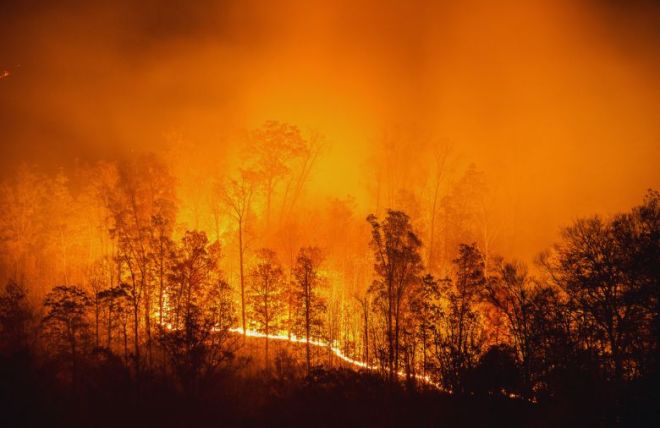
In the early morning hours of November 28, 2016, wildfire swept out of Great Smoky Mountains National Park and into Gatlinburg with almost no warning. Fourteen people died. More than 14,000 were evacuated. The fire burned 17,000 acres and damaged or destroyed more than 2,400 structures. Nearly ten years later, the community that emerged from that night is worth understanding.
How It Started
On November 23, 2016 — the day before Thanksgiving — two juveniles were hiking the Chimney Tops Trail inside Great Smoky Mountains National Park. Investigators later determined they had been tossing lit matches along the trail. Brush caught fire. The boys continued hiking down and left the park. The fire was reported to park officials and crews began monitoring it over the following days, making bucket drops by helicopter in terrain that was difficult to access on foot.
For several days the fire held. By November 27 it had grown to roughly 35 acres and was being watched closely, but park and local officials assessed no immediate threat to Gatlinburg. Then on the night of November 28, a cold front drove winds gusting over 80 miles per hour across the ridgelines. Embers jumped the containment areas. The fire moved faster than anyone had modeled. By the time evacuation orders went out, the fire was already in the streets.
The Night of November 28
The fire entered Gatlinburg after dark, driven by winds that knocked out power lines and sparked additional ignition points across the city. Smoke reduced visibility to near zero. The emergency alert system failed to reach many residents and visitors in time. People fled down the mountain on roads lit orange on both sides. Some didn't make it out.
Fourteen people died. Of those, most were residents trying to evacuate or sheltering in place. Nearly 200 more were injured. The fire burned through Gatlinburg, into the Chalet Village community above town, and across large sections of the national park. By the time it was fully contained, 2,460 structures had been damaged or destroyed across a 17,000-acre burn area. It was the deadliest and most destructive wildfire in Tennessee history.
The Legal Outcome
The two juveniles were charged with aggravated arson in December 2016 and held in Sevier County juvenile detention. Their identities were never publicly released. In June 2017, after a seven-month investigation by the Tennessee Bureau of Investigation, state charges were dropped. The district attorney determined that the unprecedented 80+ mph wind event — occurring more than four days after the initial fire — was the primary cause of the fire leaving the park and entering Gatlinburg, and that multiple additional ignition points caused by downed power lines made it impossible to prove which fire caused which deaths or damage.
The National Park Service indicated it would present the case to the U.S. Attorney's Office for potential federal charges, since the original fire was set on federal land. No federal charges were publicly announced. For many families who lost loved ones or property, the legal resolution brought no closure.
The Response
In the days immediately after the fire, Gatlinburg became the center of one of the largest disaster relief efforts in East Tennessee history. Volunteers, emergency responders, and relief organizations set up shelters and distribution points across Sevier County. Churches, businesses, and individuals from across the region donated food, clothing, supplies, and money. The response was immediate and sustained.
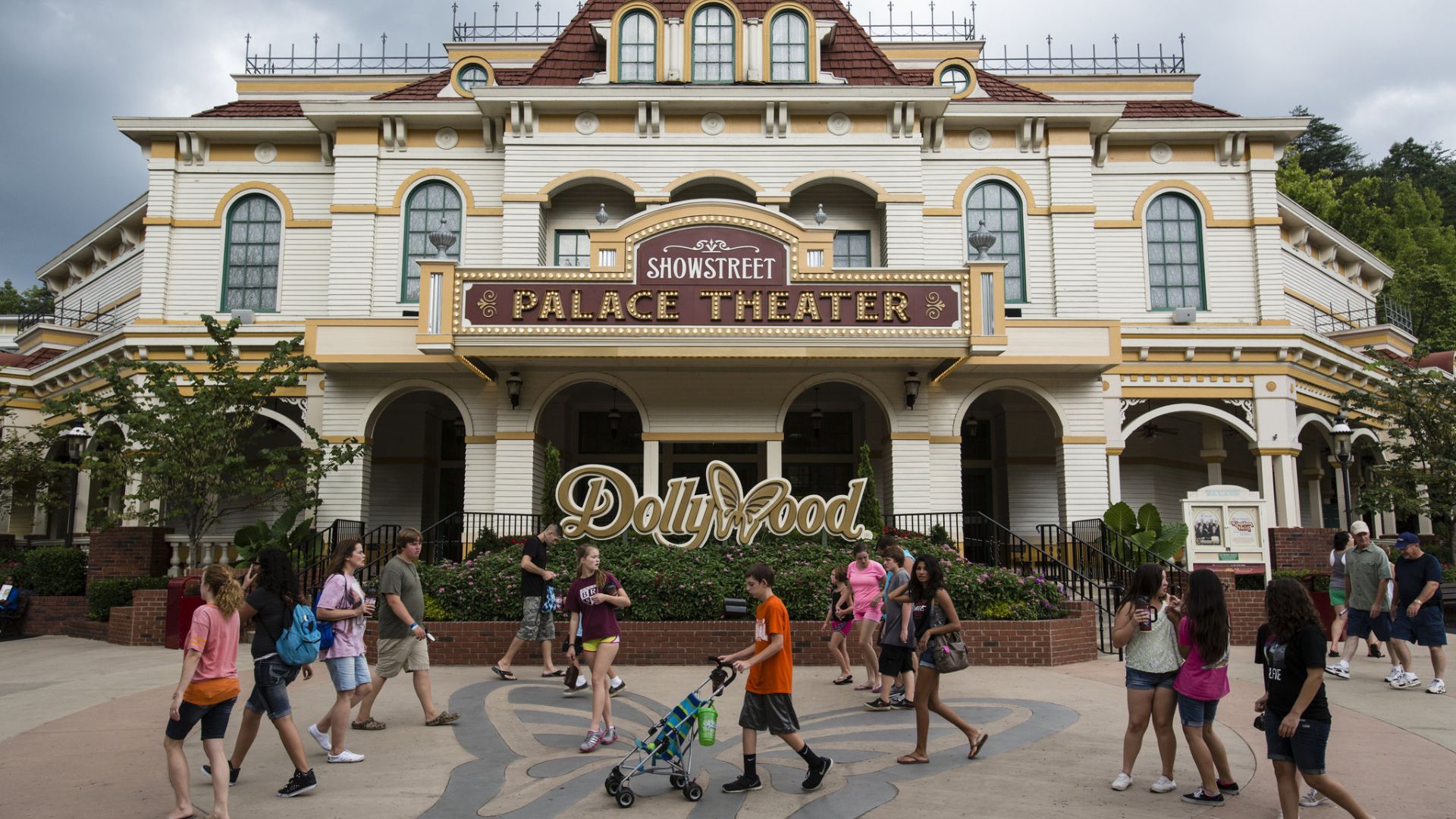
Dolly Parton — who grew up in Sevier County and had built her career and her theme park in these mountains — organized a televised benefit concert within weeks of the fire. Her My People Fund raised more than $12 million for affected families, distributing $1,000 checks directly to survivors and ultimately providing larger grants to those who had lost their homes entirely. It was the single largest individual act of financial recovery assistance in the disaster's aftermath. We think of her especially today.
Recovery and What Came After
Gatlinburg's recovery was faster than most expected — and harder than any timeline captured. Businesses that survived reopened within weeks. Those that burned rebuilt. The Parkway was operational again within days for the most critical stretches. The Christmas season that year was disrupted but not lost; the community made a deliberate choice to stay open and welcome visitors, both because they needed the revenue and because staying closed felt like a surrender.
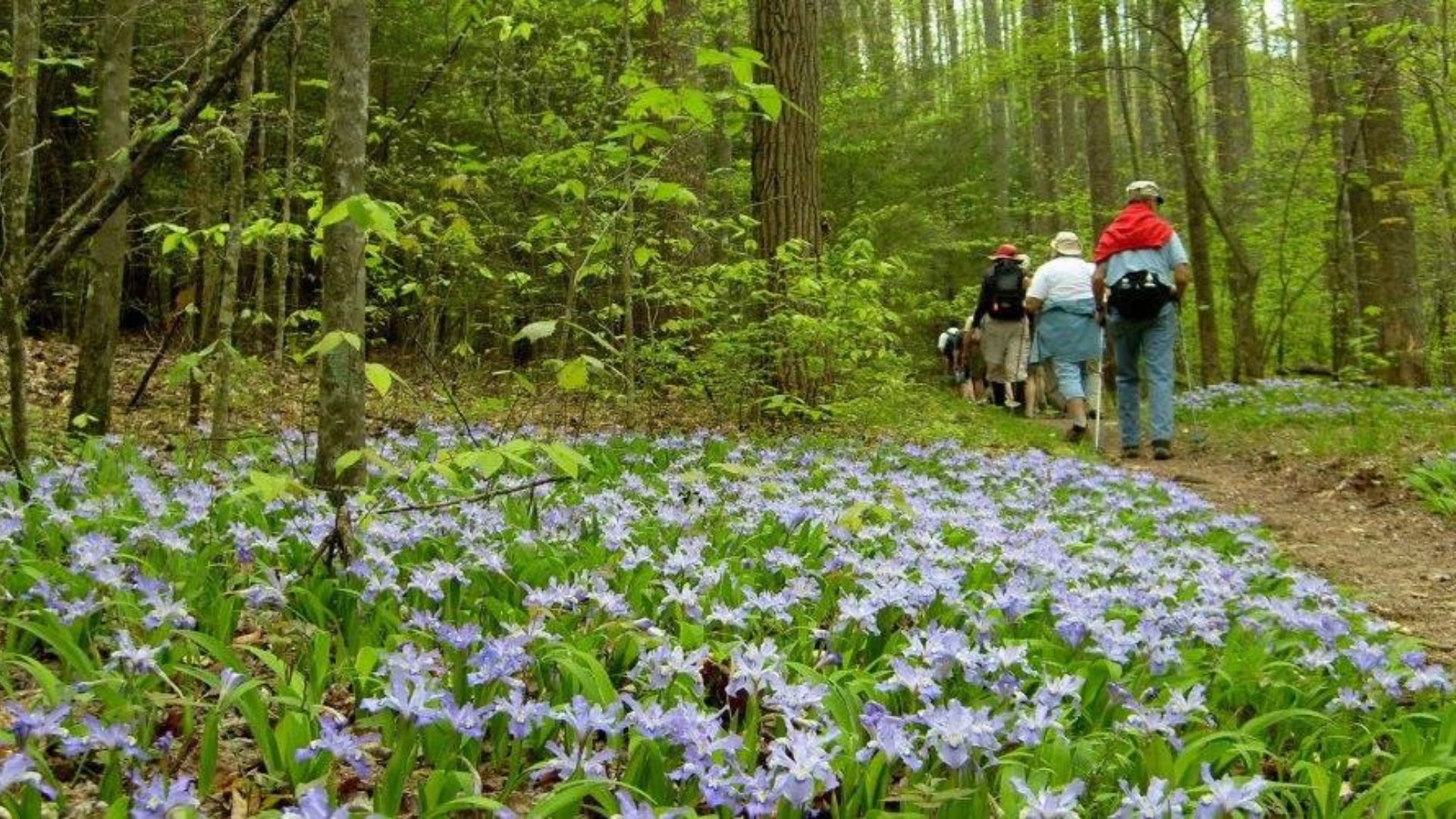
The natural landscape told its own recovery story. Parts of the park that burned severely showed new green growth within months — the forest regenerating through the cycle it had been doing for thousands of years before any town was there. Wildflowers bloomed in the burn scars the following spring in numbers that surprised even park biologists.
The Chimney Tops Trail reopened in October 2017 to a newly constructed observation point located roughly a quarter-mile below the actual summit, with views of Mount LeConte and the pinnacles themselves. The final 0.25 miles to the rock pinnacles remains permanently closed due to fire damage — the area around the summit was destroyed and is considered unsafe. The trail below is open and remains one of the most popular hikes in the park.
Gatlinburg Today
Gatlinburg in 2026 is a full and thriving mountain town. The downtown Parkway is intact. Anakeesta — built on the ridgeline above town — opened in 2017 partly as a symbol of recovery, and now draws hundreds of thousands of visitors a year to a site that overlooks where the fire burned. New businesses opened in spaces left empty by the fire. Residents who left came back. Residents who stayed rebuilt.
The fire is part of the community's identity now — not the defining thing, but something that sits alongside everything else. People who were here that night carry it. The town carries it. And the mountains, which have burned and regrown many times over thousands of years, continue as they always have.
Frequently Asked Questions
How did the 2016 Gatlinburg fire start?
Two juveniles were found to have started a fire on the Chimney Tops Trail inside Great Smoky Mountains National Park on November 23, 2016, by tossing lit matches. The fire remained contained for five days before unprecedented wind gusts exceeding 80 mph on November 28 drove it out of the park and into Gatlinburg.
How many people died in the 2016 Gatlinburg fire?
Fourteen people died in the fire. Nearly 200 more were injured. More than 14,000 residents and visitors were evacuated.
How much damage did the 2016 Gatlinburg fire cause?
The fire damaged or destroyed 2,460 structures and burned approximately 17,000 acres across Gatlinburg and Great Smoky Mountains National Park. It remains the deadliest and most destructive wildfire in Tennessee history.
Were the juveniles who started the fire charged?
Two juveniles were charged with aggravated arson in December 2016. State charges were dropped in June 2017 after investigators determined the catastrophic wind event — not the original fire — was the primary cause of the damage in Gatlinburg, and that multiple ignition points from downed power lines made criminal causation impossible to prove beyond a reasonable doubt.
Is the Chimney Tops Trail still open?
The Chimney Tops Trail reopened in October 2017 to a new observation deck with views of the pinnacles, located about a quarter-mile below the actual summit. The final 0.25 miles to the rock pinnacles remains permanently closed due to fire damage sustained in 2016. Check nps.gov/grsm for current conditions before visiting.
What role did Dolly Parton play in the recovery?
Dolly Parton organized a televised benefit concert through her My People Fund that raised more than $12 million for fire survivors — the single largest individual relief contribution to the recovery effort. She distributed $1,000 checks directly to displaced families and ultimately provided larger grants to those who lost their homes entirely.
Is Gatlinburg safe to visit today?
Yes. Gatlinburg has fully recovered and is a thriving mountain destination. The downtown Parkway, attractions, restaurants, and surrounding national park are all open and operating. The town rebuilt and continues to welcome millions of visitors each year.